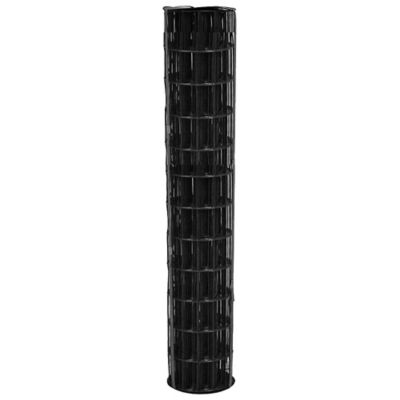
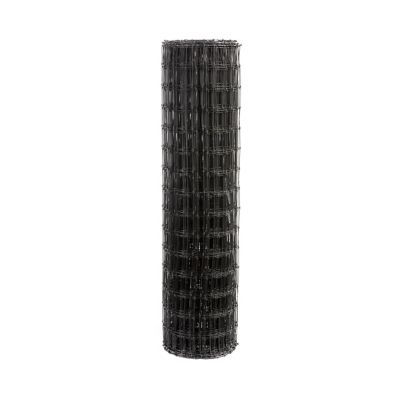
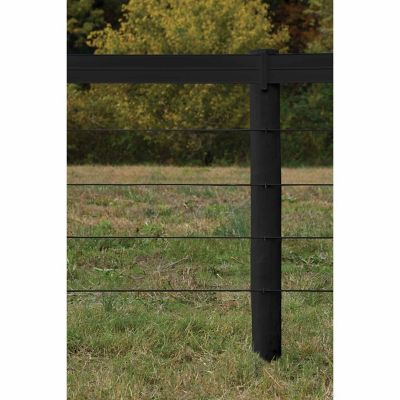
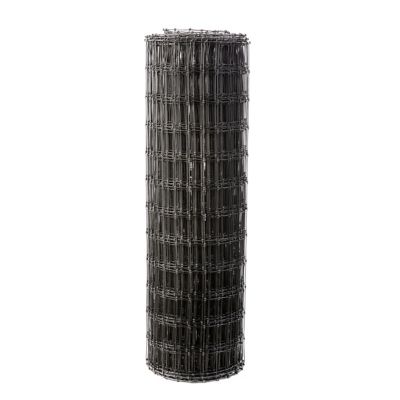
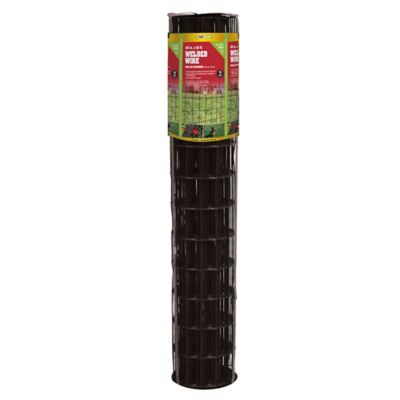
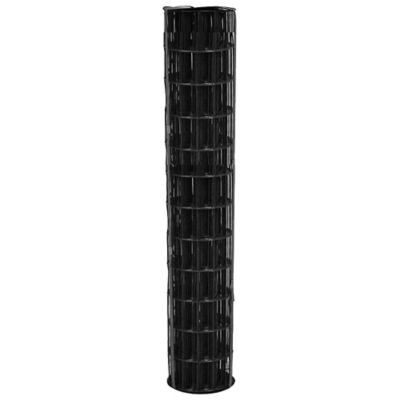
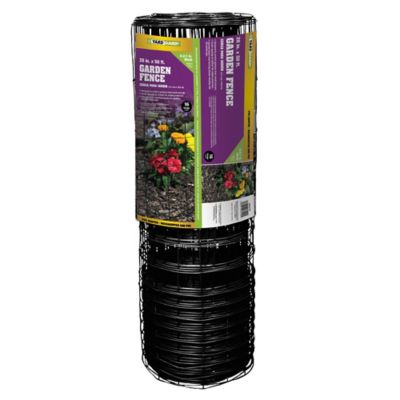
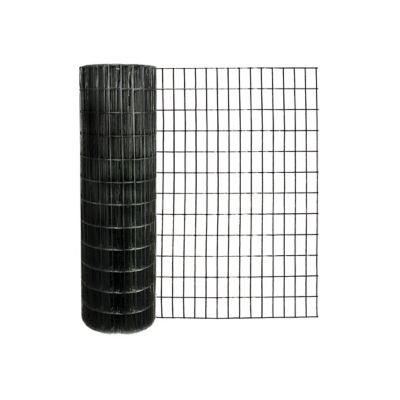
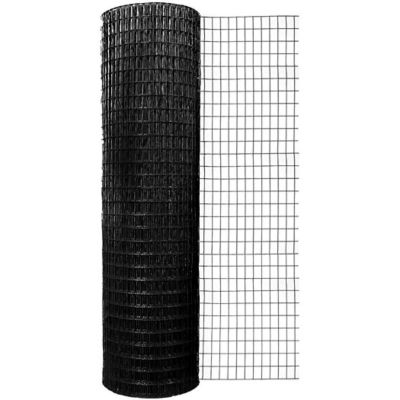
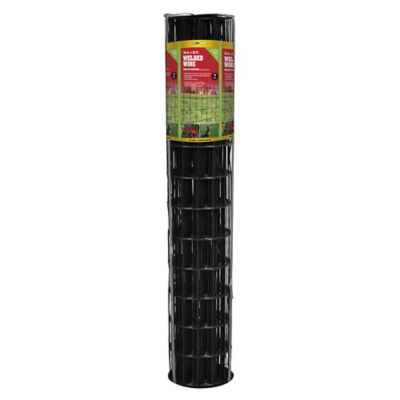
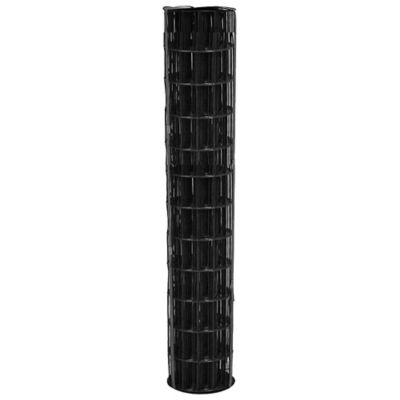
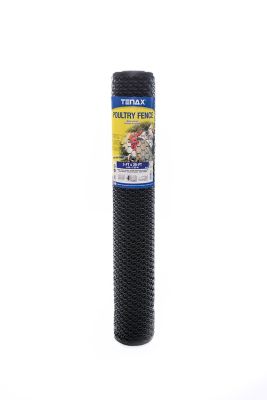
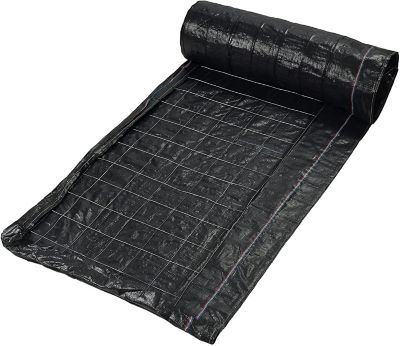
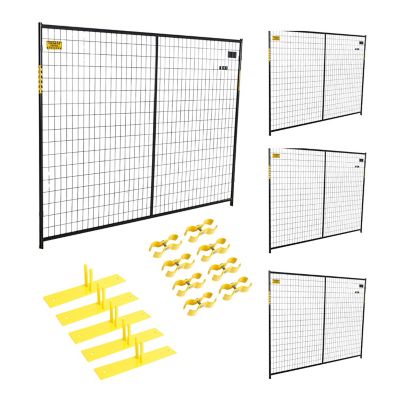
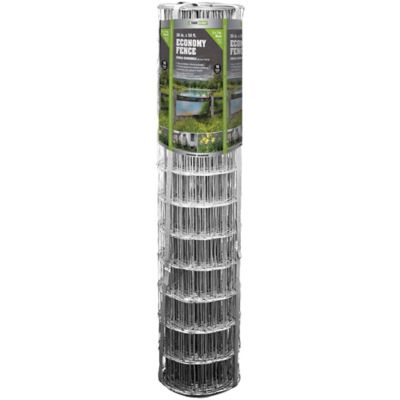
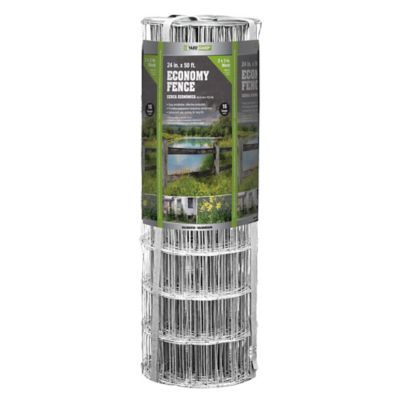
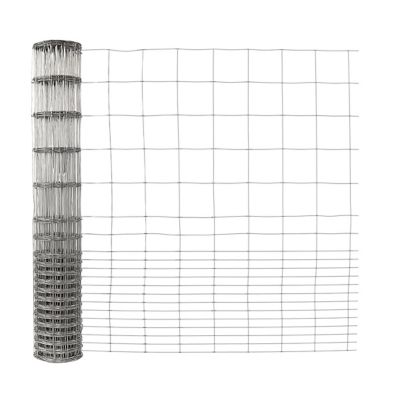
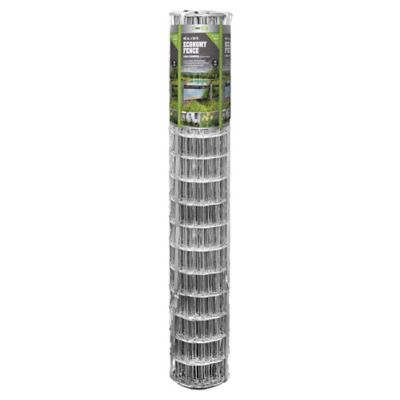
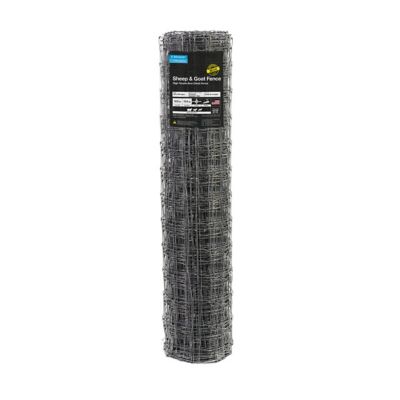
Black wire fences offer a practical way to mark boundaries, protect growing spaces, and contain animals without putting a bright, shiny barrier across the landscape. Most black wire fencing starts with a galvanized steel core, then receives a black PVC or powder-coated finish that helps protect the metal from moisture, sun, and everyday wear. That dark coating also gives the fence a lower-visibility look than uncoated wire. From a distance, it tends to blend with trees, garden beds, barns, and shaded areas, which makes it a popular choice when you want a dependable barrier that does not take over the view. Black wire fence materials can be used around vegetable gardens, flower beds, chicken yards, dog runs, pasture edges, tool areas, and property lines. They are also handy for keeping pets away from freshly planted beds or discouraging wildlife from reaching tender greens. The best style depends on what needs to stay in or stay out. Welded wire rolls with larger grid openings work well for general garden protection, dog areas, and light livestock projects, while fine-mesh hardware cloth with openings such as 1/4-inch or 1/2-inch can help block rodents, snakes, and other small pests. Heavier welded panels, sometimes used with wood framing, create a sturdy farm-style or modern boundary. Black vinyl-coated chain link offers another durable option for larger enclosures and defined property lines. When comparing choices, look closely at the wire gauge, mesh opening, fence height, roll or panel dimensions, coating, and whether the material is flexible or rigid. A smaller opening provides more protection from little animals, but it may take more time to cut and attach. A heavier gauge stands up better to pressure from dogs, livestock, branches, and curious wildlife, while lighter wire can be easier to handle for temporary garden work or simple seasonal barriers.
Planning the installation before ordering can save plenty of trips back to the truck or hardware shelf. Walk the intended line with a tape measure, marking paint, or a few stakes, and account for corners, gates, slopes, and overlaps. Fence rolls are useful when the ground is uneven or the run includes several turns, since they can follow the land more easily than rigid panels. Panels can make a clean, straight line and are often a good fit for framed garden fencing, kennel sections, or permanent enclosures. Posts should be suited to the fence height and the pressure the barrier will receive. For a small garden, posts placed securely in the soil may be enough, while a dog run, livestock pen, or long property boundary may call for stronger posts, braces, tensioning, and properly anchored corners. Keep the bottom edge close to the ground when blocking rabbits or other digging animals, and consider burying or turning out an additional section where digging is likely. For chickens, small pets, or young animals, inspect the mesh carefully for sharp cut ends and fasten the wire so there are no loose loops or gaps that could catch a paw, hoof, collar, or wing. If you are working with a sloped yard, step the fence in sections or follow the contour while keeping the lower edge secure. Black coating can help the fence blend in, but it does not replace routine care. Brush away vines and heavy growth, check attachment points after storms, and look for bent sections, loose staples, pulled posts, or damage caused by rubbing and chewing. Galvanized steel beneath the coating offers useful rust resistance, and a quality exterior finish helps resist cracking and fading, but any deep scratch that exposes the metal should be watched and repaired as needed. For more options in durable metal mesh and related barrier materials, browse
Steel Mesh Fences as you compare the right fit for your property.
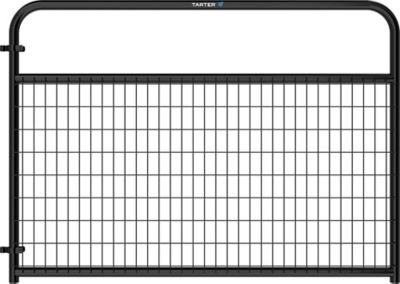
Black wire fencing is useful for far more than a single weekend project. A homeowner may use it to give a puppy room to run while keeping the rest of the yard intact, or to divide a side yard for a garden, compost area, or small chicken enclosure. A gardener can place fine mesh around raised beds before the first seedlings go in, then add a simple gate for watering and harvesting. On a small farm, welded wire can help organize a poultry yard, reinforce a livestock area, or create a temporary lane while animals are moved between spaces. Hunters, landowners, and rural property managers may also use it to protect young trees, define work areas, or reduce animal traffic near feed and storage spaces. During the warmer part of the year, black wire fence can support garden projects, pet exercise areas, and outdoor improvements; as cooler weather arrives, it can help protect late-season crops, firewood areas, and stored supplies from wandering animals. The dark finish pairs naturally with pressure-treated lumber, painted posts, stone, and existing farm fencing, so it can look at home beside a vegetable patch or along the edge of a wooded lot. Before choosing, think about the animal involved, the size of the area, the expected pressure on the fence, and how permanent the installation needs to be. Measure twice, allow extra material for gates and overlaps, and choose fasteners that will hold up outdoors. With the right mesh, sturdy supports, and a little attention at the ground line, black wire fences can provide years of useful service while keeping the view open and the property looking neat.