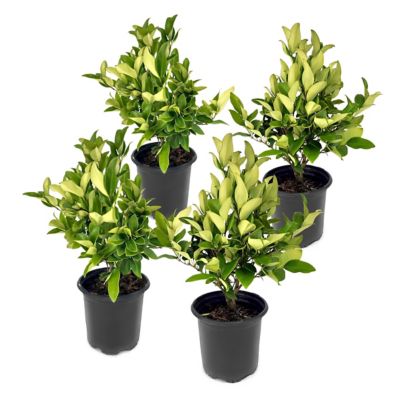
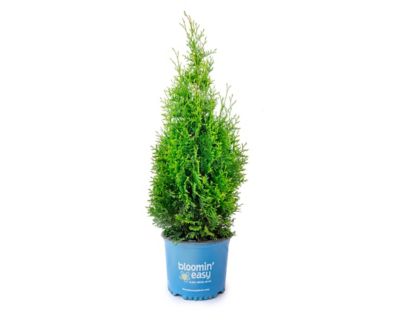
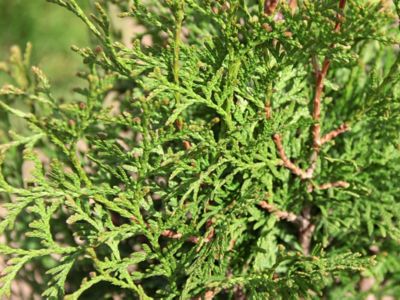
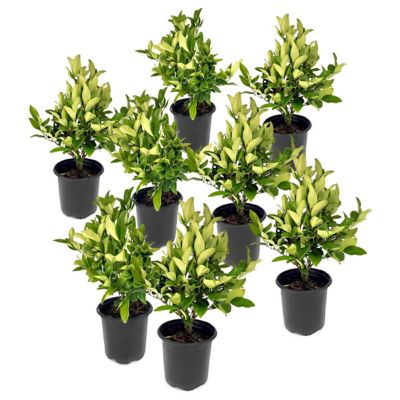
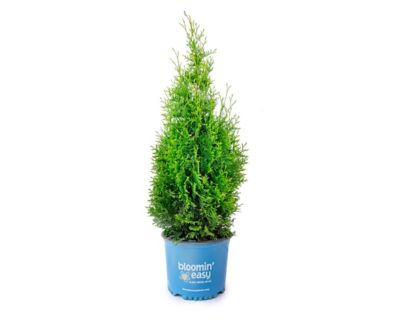
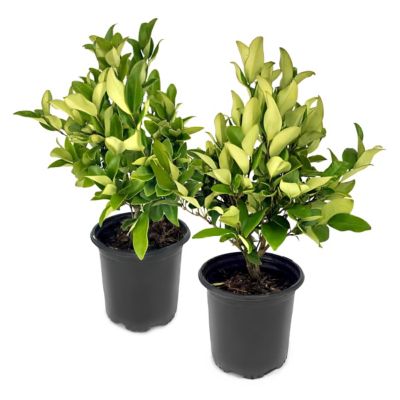
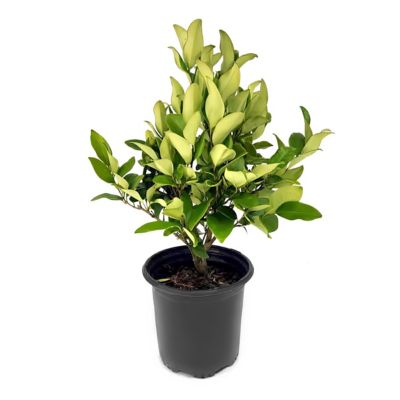
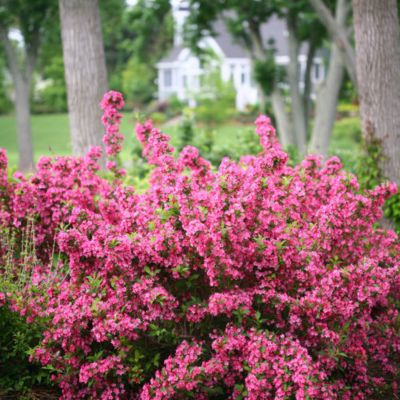
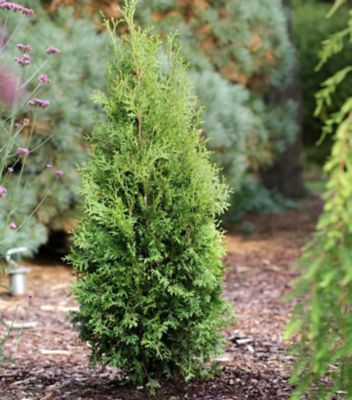
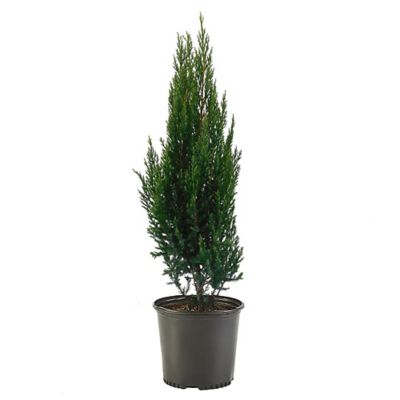
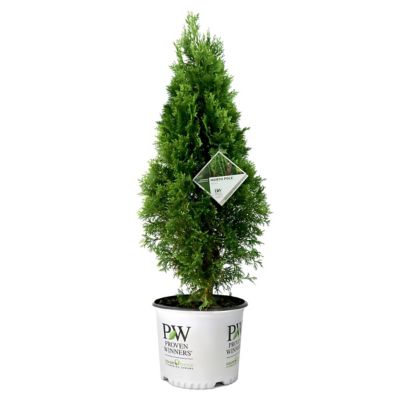
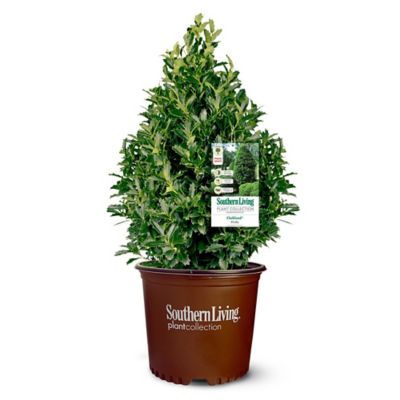
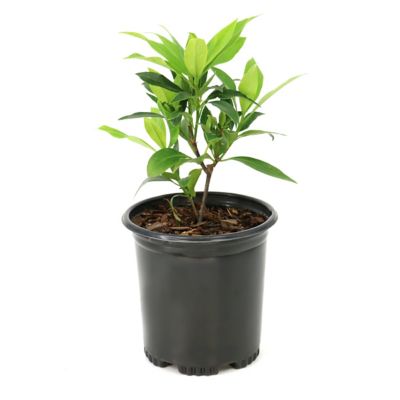
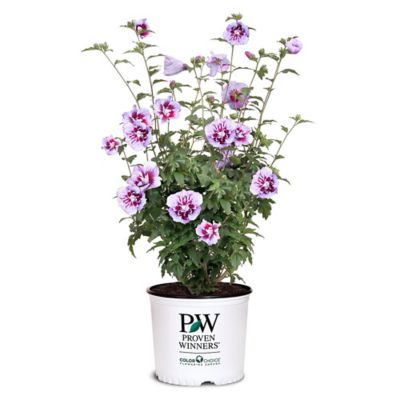
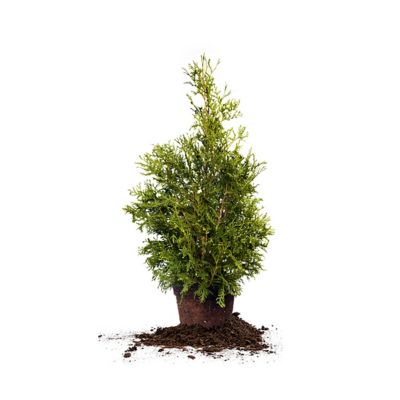
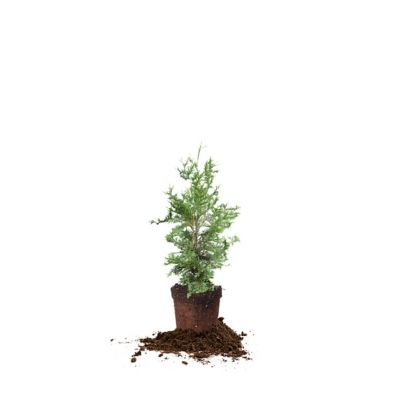
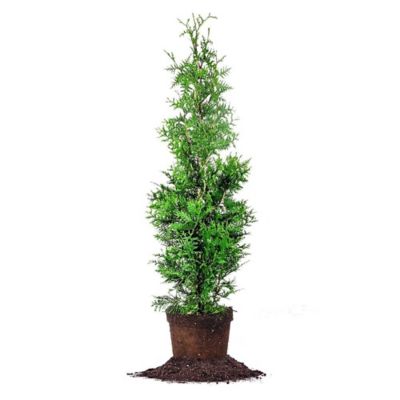
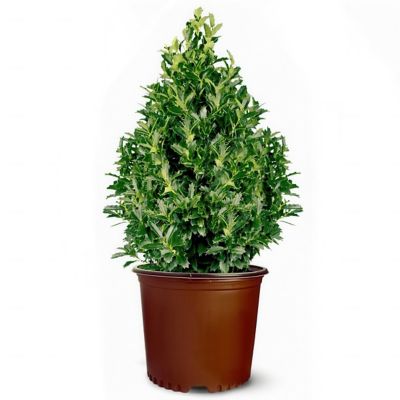
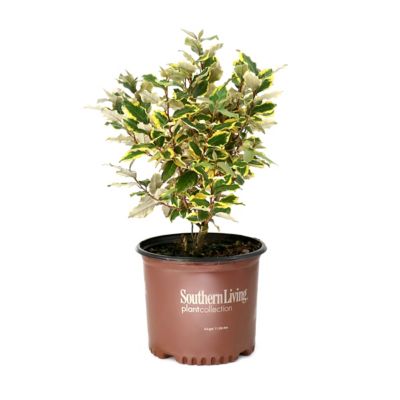
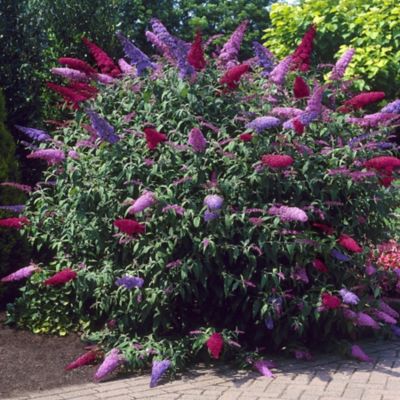
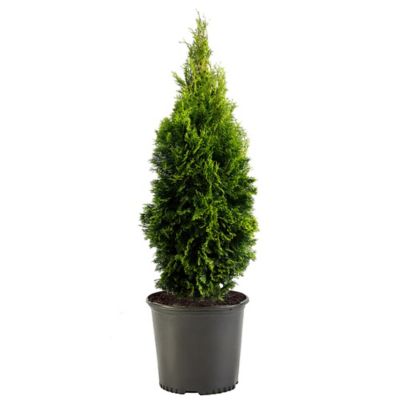
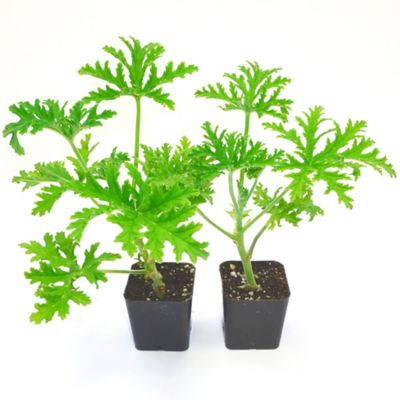
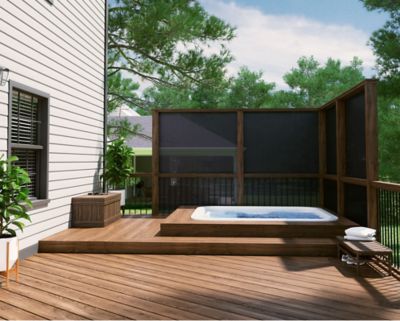
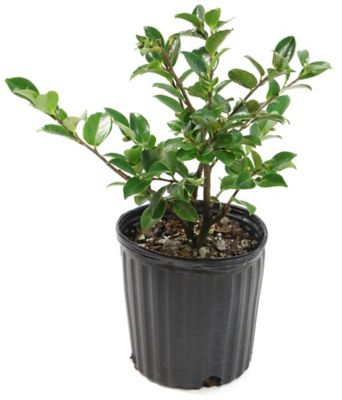
Plants for patio privacy bring a little breathing room to an outdoor sitting area, whether that means softening the view of a neighboring driveway or making a table beside the back door feel more tucked away. The best fit is usually a plant with dense foliage, a manageable mature size, and a growth habit that puts greenery where screening is needed. Upright evergreens, leafy shrubs, climbing plants, and tall clumping grasses offer different levels of coverage without all taking up the same amount of room. For a small patio, narrow, container-friendly evergreens can provide lasting screening while leaving space for chairs and a clear walking path. Broad shrubs suit larger borders where their branches have room to fill out, while climbers make the most of vertical space with a suitable support. Grasses bring a looser, softer look, though their coverage can be less consistent than that of evergreens. Plant height matters, but foliage density and the height at which leaves begin matter just as much. A tall plant with a bare lower trunk may leave a seated person plainly visible, while a shorter shrub with branches near its base can screen a bench nicely. Privacy also depends on the angle of the view. Greenery along one edge may be enough to hide a nearby parking area, but an elevated sightline calls for a different arrangement and may not be fully blocked by plants alone. Mature height and width give a better picture of eventual coverage than the size of a young plant. Growth rate helps set expectations, too: fast growth can mean earlier screening, but it may also bring more trimming and a greater need for root space. A balanced planting leaves room for that growth rather than crowding plants together for an immediate wall of leaves. The result can feel like a comfortable extension of the yard, with enough separation for supper outside, a quiet conversation, or a chair set aside for reading.
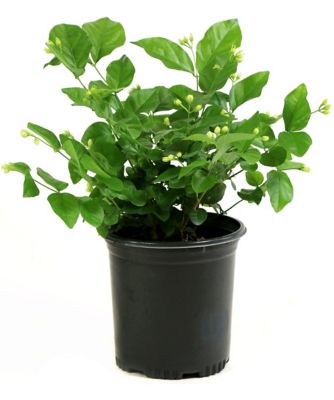
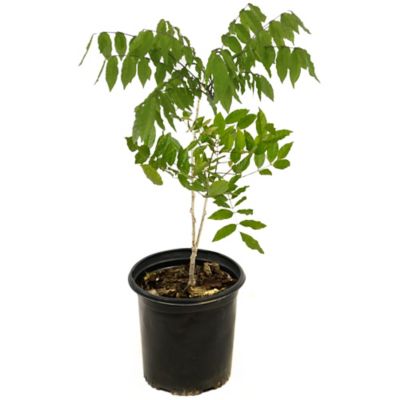
Container-grown privacy plants are a practical choice for patios bordered by concrete, pavers, or gravel, especially where planting directly in the ground is not an option. Their long-term performance depends on matching the plant to both the container and the growing space. A tall shrub needs enough soil volume to support its roots and enough base weight to help keep the planting steady. There is no single pot size that suits every privacy plant; the starting root ball, expected mature size, and plant’s tolerance for container growing all count. A container should allow room for root development without leaving a small plant surrounded by an unnecessarily large amount of damp potting mix. Open drainage holes are essential, and water needs a clear route out rather than collecting beneath the roots. Potting mix formulated for containers generally provides a better balance of drainage and moisture retention than soil dug from the yard. Container materials affect handling and upkeep as well. Resin is generally easier to move, while substantial clay or concrete containers add weight that may be helpful for taller plantings. Wood offers a natural look beside a porch or patio, though its service life depends on construction, drainage, and exposure to moisture. On a raised deck or balcony, the combined weight of the container, wet soil, and mature plant deserves attention before a planting is placed. Fit includes everyday movement, too. Enough clearance for a pulled-out dining chair, a gate that swings fully open, and a watering can carried along the edge makes the space easier to enjoy. Containers can define a corner or separate a sitting area from a work area without enclosing the whole patio. Larger plantings become difficult to move once filled, so their placement is worth considering from the start. Keeping drainage outlets accessible and protecting the surface underneath can also make routine cleaning simpler. A privacy planting should earn its space without turning a familiar route through the yard into an obstacle course.
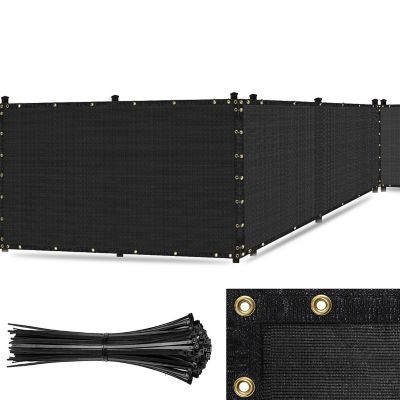
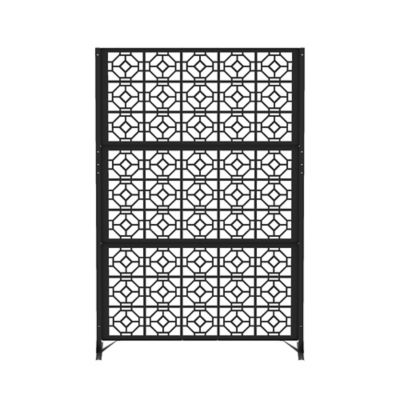
Light, root room, and regular care determine how well patio screening plants fill out and hold their shape. The light beside a house can vary sharply over just a few feet, with an overhang shading one container while another sits beyond the roofline. Plant labels that specify full sun, partial sun, or shade help match foliage to the actual setting, and USDA hardiness ratings help narrow the choices for a permanent outdoor planting. Container roots have less protection than roots growing in the ground, so suitability for a landscape bed does not automatically mean equal success in a pot. Water access matters for a row of privacy planters: roots in containers depend on a limited supply of moisture, and a roof overhang may keep water from reaching the soil naturally. Checking moisture in the root zone gives a better indication of watering needs than judging the soil surface alone. Fertilizer needs vary by plant, and more feeding is not a substitute for suitable light, drainage, or adequate root space. Pruning requirements deserve the same attention as appearance. Naturally narrow plants often need less shaping to stay within a tight footprint, while broad-growing shrubs may require repeated trimming near a walkway. Climbing plants need supports that suit their growth habit, with room for stems to be tied or trained without damaging nearby siding. Where immediate separation is important, plants can sit alongside
privacy fences for patios, adding leafy coverage while the structure supplies a defined boundary. Plantings alone are visual screens, not secure barriers for children or animals. For patios shared with pets or young children, toxicity, thorns, berries, and access to fallen leaves are sensible selection factors. Around a dining table, shedding flowers or fruit may add more cleanup than desired. Those details help distinguish greenery that simply looks good from a planting that fits daily life. With the right growth habit and enough space to thrive, patio privacy plants can soften hard edges, frame a favorite seat, and make an open stretch beside the house feel more settled and personal.