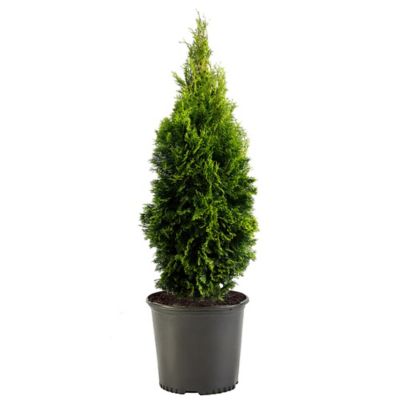
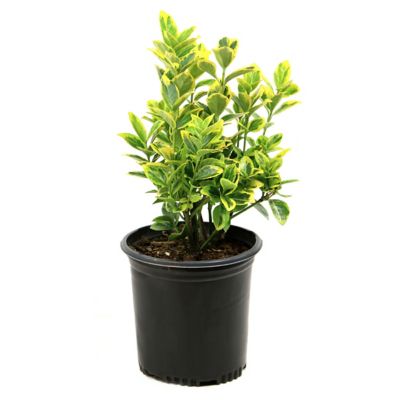
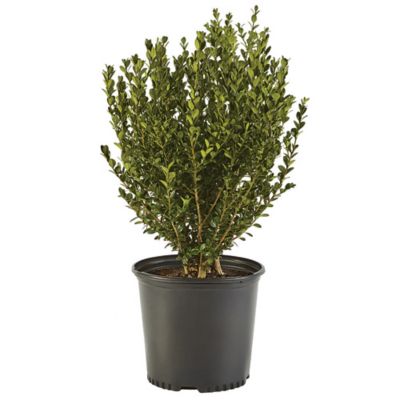
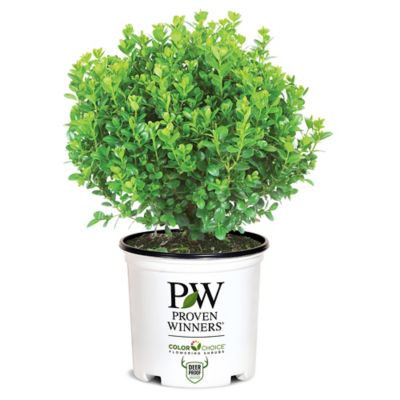
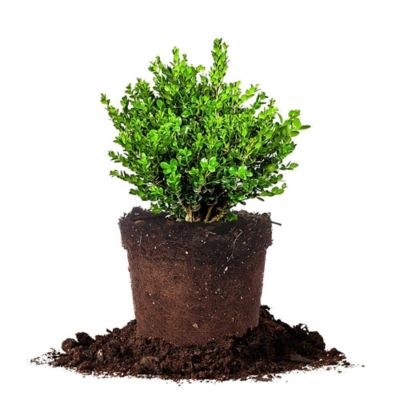
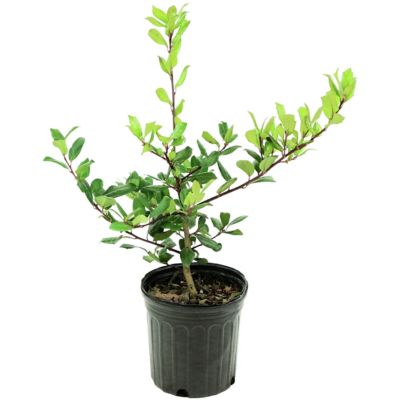
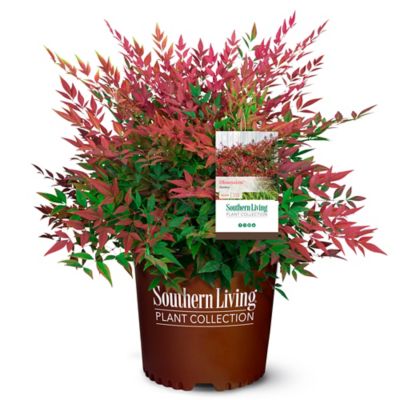
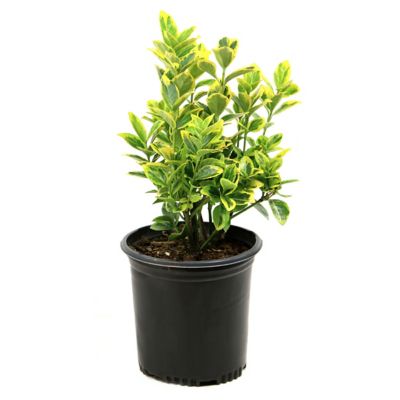
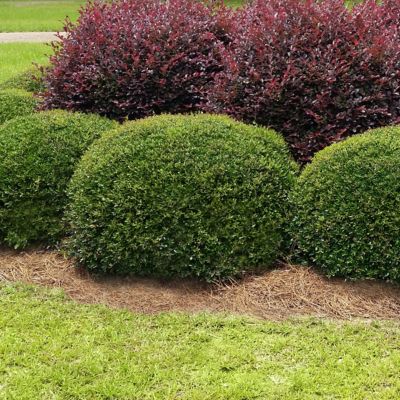
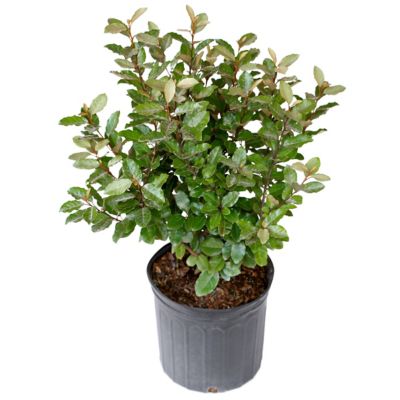
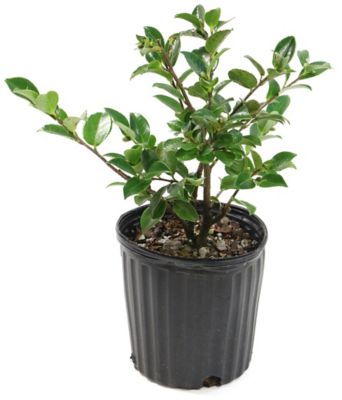
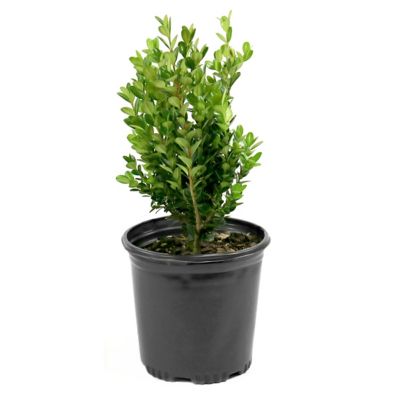
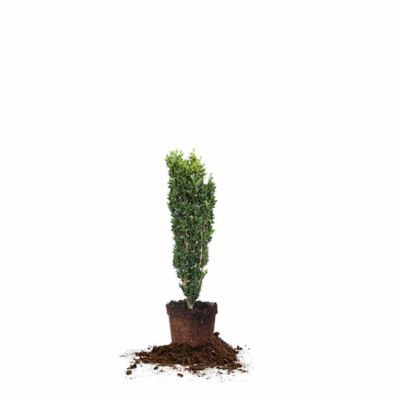
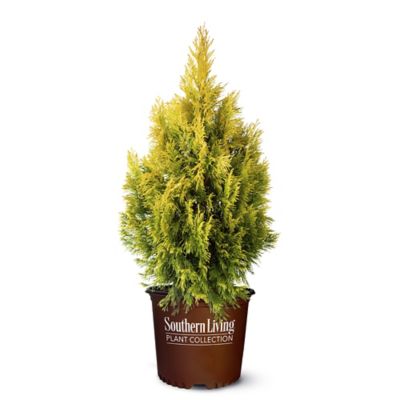
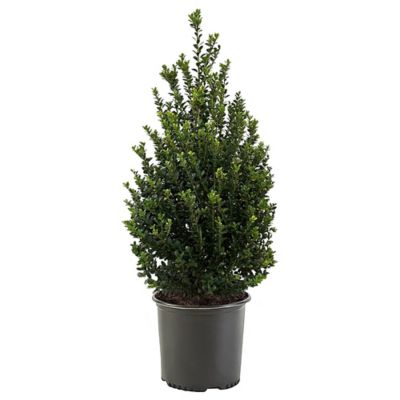
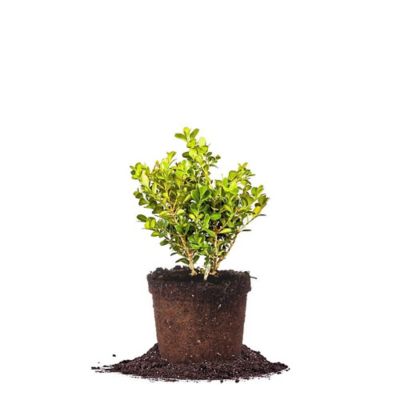
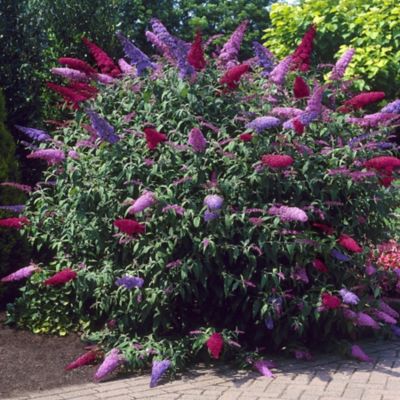
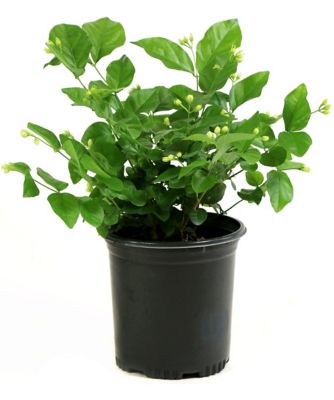
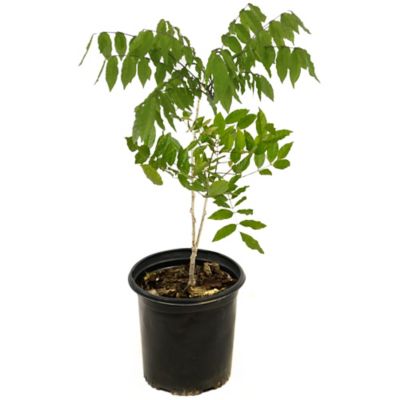
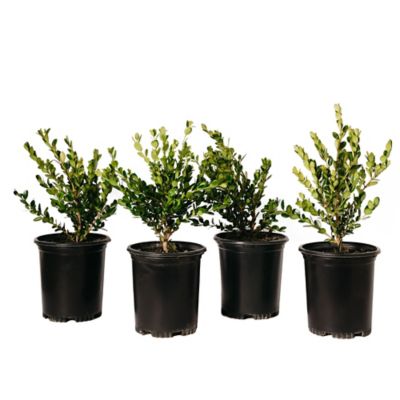
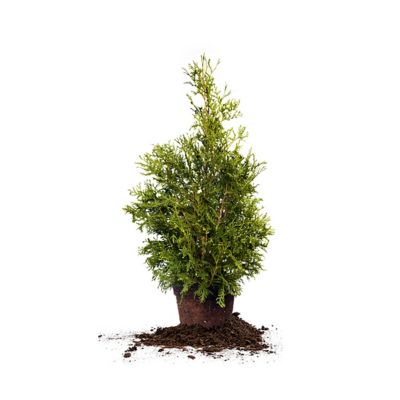
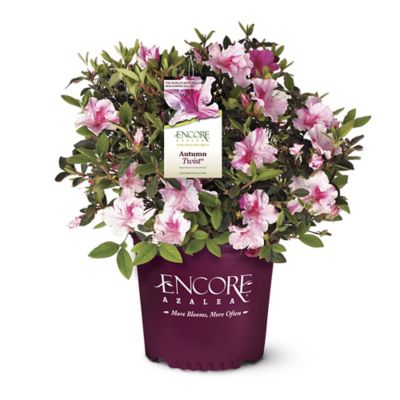
Plants for hedges create living boundaries that can make a wide-open yard feel more settled, give a porch a little breathing room from the road, or separate a vegetable patch from the rest of the property. The right hedge plants fit both the space and the job: low shrubs outline walkways without blocking the view, medium-height plantings define outdoor gathering areas, and taller evergreen shrubs can form a leafy privacy screen. Evergreen hedge plants hold foliage throughout the year, making them a good match where screening matters even when other plants have bare branches. Deciduous shrubs shed their leaves but may bring flowers, interesting branching, or foliage that adds variety to a long property line. Arborvitae is often selected for upright evergreen screening, while boxwood suits clipped borders and smaller, defined spaces. Viburnums offer a broad range of sizes and growth habits, with foliage retention varying by type. Lilacs bring fragrant flowers and a looser shape that fits an informal boundary. Within each plant group, mature dimensions and care needs can differ considerably, so the plant label matters more than the familiar name alone. A narrow planting strip beside a driveway calls for a different growth habit than a roomy stretch along the back of an acreage. A single type of shrub gives a hedge a consistent look, while a mixed planting creates a softer boundary with more variation in height, texture, and flowers. Neither approach has to mean a tightly clipped wall. Naturally rounded shrubs can define a yard just as clearly when their mature shapes have room to develop. For households with pets or livestock, a hedge works as a visual boundary rather than a substitute for secure fencing. Along a paddock, garden fence, or roadside setback, plants need enough separation from wire, gates, and traveled areas to grow without getting in the way. That balance between screening, access, and room to spread is what makes a hedge fit everyday life on the property.
Mature height and width are two of the most useful details when comparing plants for privacy hedges. A shrub that looks small in its nursery container may eventually crowd a walkway, cover a window, or reach well beyond a narrow bed. Compact growth habits suit foundation borders and paths, while larger shrubs belong where their roots and branches have space. Growth rate matters, too, but faster growth often brings more trimming once a hedge reaches the desired size. Slower-growing shrubs may take longer to fill in, yet they can be easier to keep within a smaller footprint. Recommended spacing depends on the particular plant, its mature spread, and whether the goal is a loose screen or a closely joined hedge. Crowding plants for an immediate solid line can lead to competition, shaded lower branches, and difficult maintenance later. Planting distance from a fence or building also needs to account for mature width and access for pruning or repairs. Sun exposure, USDA hardiness zone, soil drainage, and soil pH help narrow the choices beyond appearance. A bright boundary with freely draining soil presents different growing conditions from a shaded side yard where water lingers after irrigation. Plants matched to those conditions generally settle in with fewer problems than shrubs placed where their basic needs cannot be met. Container size describes the plant at purchase, not its final landscape size, and a larger starting plant still needs attentive watering while roots extend into the surrounding soil. A root ball should have a clear transition into the planting area, without being buried too deeply or left standing above the surrounding grade. Mulch can help hold soil moisture and limit competing weeds when it stays clear of trunks and stems. For a long hedge beyond the reach of a convenient hose, access to irrigation deserves as much thought as the planting layout. Consistent moisture around the root zone supports establishment; constantly saturated soil does not suit most common hedge shrubs.
The upkeep behind a hedge depends largely on its natural form and how closely that form matches the finished look. Shrubs that already grow to the desired height and width need less size control than large-growing plants held in a narrow strip. A clipped hedge calls for repeated attention to keep its outline, while an informal screen allows more of each plant’s branching and foliage to show. For shaped hedges, a slightly wider base helps light reach the lower growth, supporting fuller foliage closer to the ground. A top-heavy outline can leave the bottom shaded and thin, especially along a boundary where screening near ground level matters. Pruning tolerance varies among hedge plants; many conifers do not readily replace foliage after cuts extend into bare older wood. Flowering shrubs have their own pruning considerations because removing flower-bearing growth can reduce the next display. Those differences make plant-specific care information worth checking before choosing a whole row. Routine attention also includes watching for crowded branches, damaged stems, pests, and changes in leaf color rather than relying on trimming alone. Where children, pets, or grazing animals can reach the planting, toxicity, thorns, and fallen fruit deserve a close look. Fruiting shrubs beside a paved walk may add cleanup, and flowering plants near a frequently opened gate may put visiting insects close to foot traffic. Locally native shrubs can be worth considering where habitat is part of the goal, though suitability still depends on the site and the particular plant. The broader
Shrubs Plants selection offers another way to compare growth habits and planting roles beyond a continuous hedge. Around a home place, the strongest fit is often a planting that leaves room for the mower, keeps gate openings clear, and screens the view that actually needs covering. Well-matched hedge plants bring structure to the yard without turning every boundary into another demanding chore.