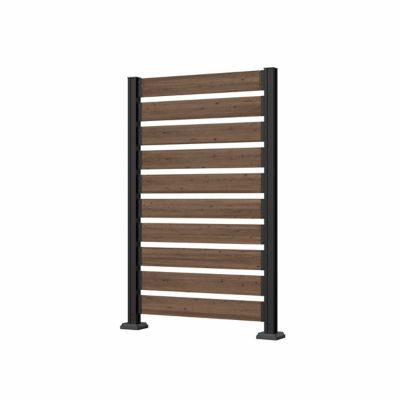
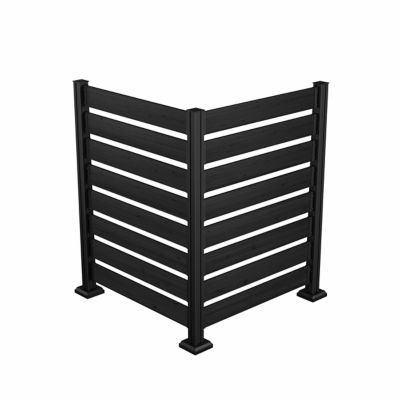
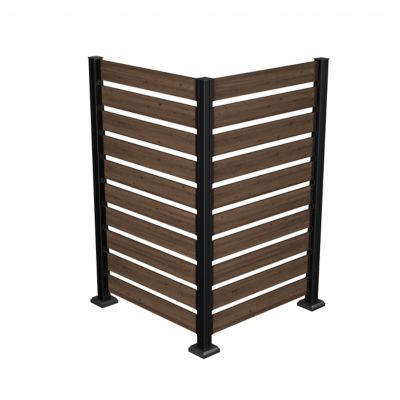
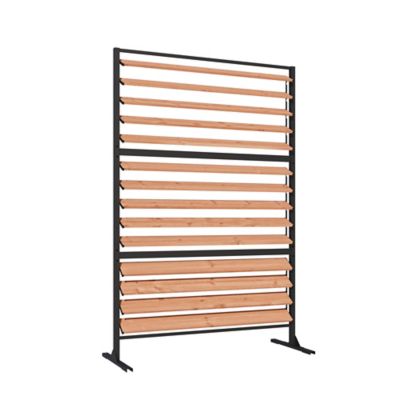
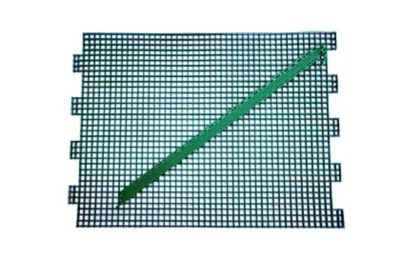
Garden privacy fences help block unwanted views around garden beds, patios, and backyard seating areas. Depending on their height, spacing, and placement, they can screen a whole boundary or just the stretch beside a favorite bench. A solid panel behind a pair of chairs creates a tucked-away spot for morning coffee, while a longer run along a neighboring driveway can make a busy yard feel more settled. For a vegetable patch near the house, fencing can separate the growing space from the rest of the yard without enclosing the entire property. The right amount of coverage depends on where the view comes from. Someone walking along a path sees through a fence differently than someone looking down from a raised porch, so panel height alone does not tell the whole story. Tight board spacing offers more screening than an open lattice pattern, and overlapping boards can limit straight-through gaps while leaving the fence with some depth and texture. Louvered panels provide angled coverage, though visibility changes with the direction of the slats and the viewer’s position. Open sections near the top can keep an enclosed garden from feeling boxed in, but they also leave part of the view exposed. Fence dimensions matter just as much as appearance: listed panel width, actual height, post spacing, and the room needed for a gate all affect the finished fit. A short screen beside a potting bench may be enough to hide a work area, while a boundary fence calls for a layout that follows the property and leaves comfortable access to paths. On uneven ground, stepped panels leave a different bottom edge than panels designed to follow a slope. Those details affect privacy near ground level, clearance for mowing, and how neatly the fence meets beds, walkways, and existing structures.
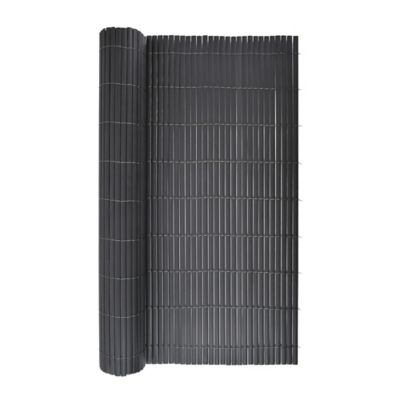
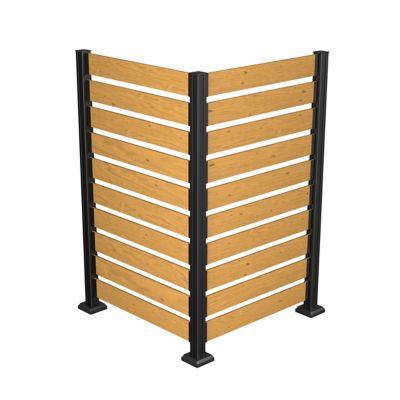
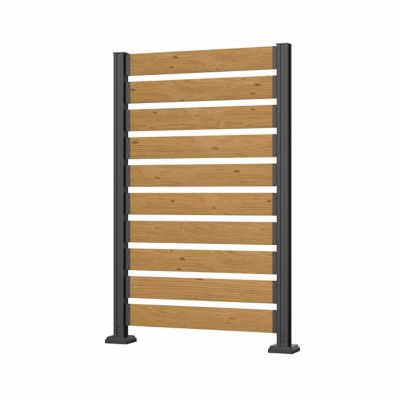
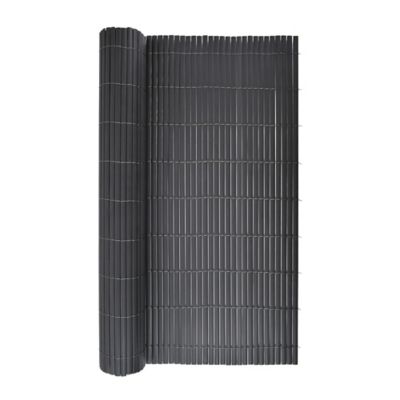
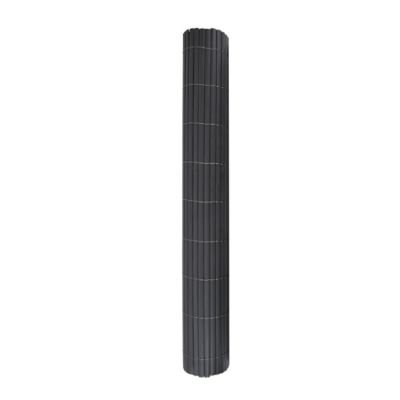
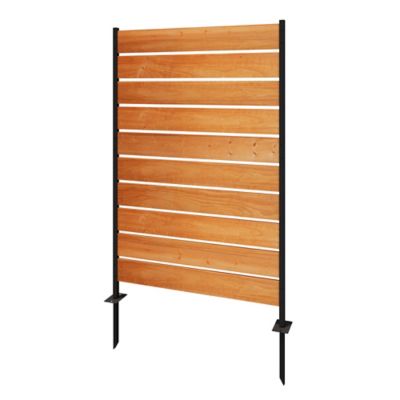
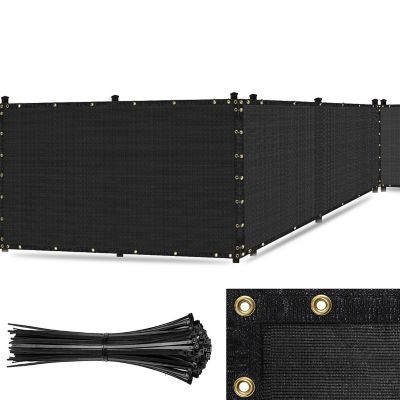
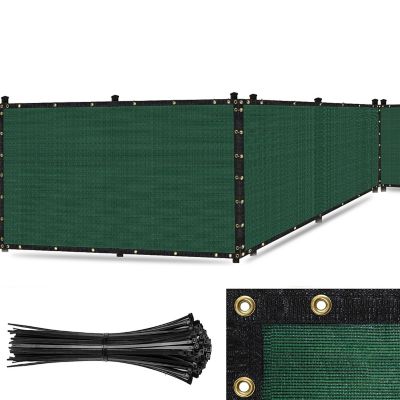
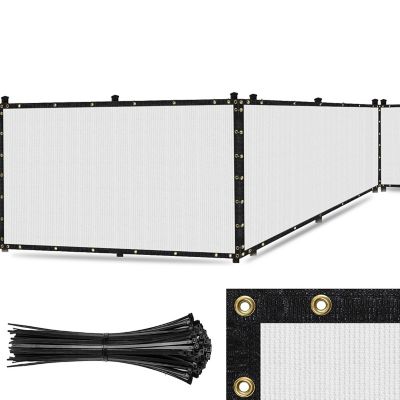
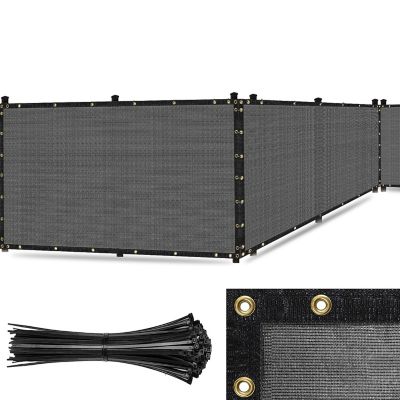
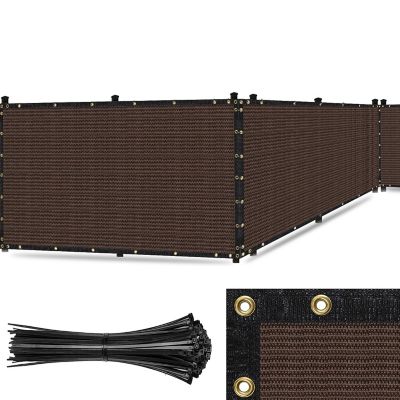
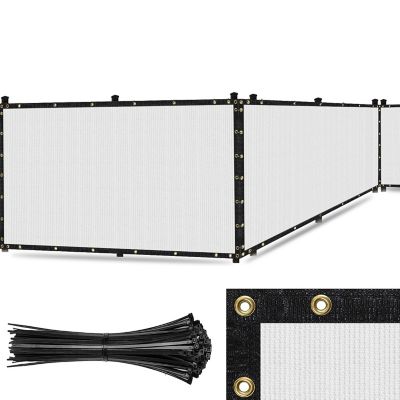
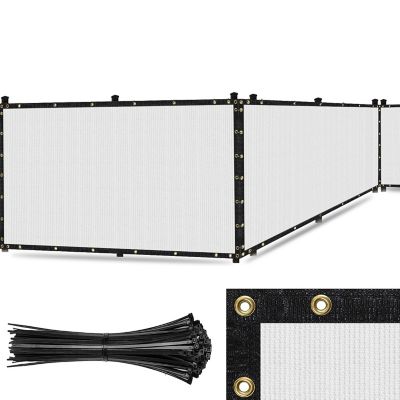
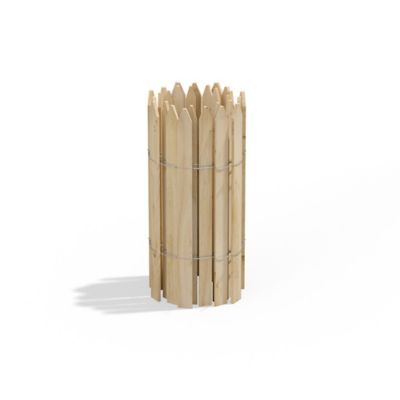
Wooden garden fences bring natural grain and a familiar look that sits comfortably beside raised beds, gravel paths, and a back porch. Cedar and other suitable outdoor woods differ in their resistance to decay, while pressure-treated lumber has treatment ratings that matter for its intended placement. Wood gives plenty of choice in board layout, from upright planks to horizontal runs and overlapping patterns. It also needs attention over time: finish requirements vary by wood and treatment, and checking for loose fasteners, splits, and softened areas helps catch trouble before a panel loses its strength. Vinyl privacy fencing offers a smoother, more uniform appearance without the same painting or staining routine. It does not rot like wood, but its performance still depends on panel construction, reinforcement where specified, and properly fitted posts. Aluminum and steel screens bring another look, with options ranging from narrow slats to panels with cutout patterns. Aluminum resists rust, while steel generally depends on its protective finish to limit corrosion; scratches and exposed edges deserve a closer look during routine care. Open metal patterns provide partial screening rather than a fully blocked view, which can suit a garden border where separation matters more than complete concealment. Bamboo and reed fencing rolls have a lighter, textured appearance and can add coverage to a compatible supporting fence. Their screening varies with the spacing and thickness of the canes, and most need attachment to a sound structure rather than standing on their own. Mesh privacy fabric can also reduce visibility through some existing fences, but its screening percentage, attachment requirements, and effect on the supporting structure matter. Across these materials, thickness alone is not a promise of a long service life. Sound connections, appropriate ground contact, compatible hardware, and a design suited to the space all play a part. Matching those details helps a fence stay useful rather than becoming another repair job.
A garden privacy fence fits best when it works with the way the yard gets walked, planted, and cared for. Near raised beds, enough room between the fence and the planting area makes it easier to pull weeds, reach irrigation fittings, and repair a board without trampling vegetables. Taller, denser fencing changes how much light reaches nearby plants, so the garden’s sun exposure belongs in the decision alongside the view being screened. A gate opening needs to accommodate everyday traffic, whether that means a wheelbarrow, a garden cart, or a mower, and its swing should not fight with a bed edge or a narrow walkway. Access to meters, shutoffs, and utility equipment also needs to stay clear, with required working space left open. Freestanding screens can suit smaller seating areas or places where a full fence is not the goal, but freestanding does not mean secure without support; each design has its own anchoring requirements. Permanent fence layouts depend on sound posts, suitable footings, local rules, and a confirmed property line. Underground utility locations need to be marked before digging. For homes with dogs or young children, privacy and containment are separate jobs: panel height, bottom gaps, gate latches, and the fence’s intended rating all matter, and a garden screen should not be assumed to serve as a pool barrier. Climbing plants can soften the face of a fence, though mature vine weight and the strength of the support need to match. Routine care is usually straightforward when it follows the material’s instructions. Gentle cleaning, clearing plant debris from the base, checking gate alignment, and tightening appropriate fasteners can keep small problems from growing. Wood finishes may need renewal, metal coatings may need touch-ups, and flexible screening may need fresh attachment points. Privacy fencing mainly changes sightlines; ordinary garden panels are not soundproof barriers. With a suitable layout and manageable upkeep, the result is a garden that feels more tucked away while still leaving room for the work and everyday enjoyment that happen out back.