When it comes to keeping your family safe and comfortable through the unexpected, having a good stash of emergency supplies on hand can make all the difference. Folks living out in the country know that weather can turn in a heartbeat, power can go out, and roads might get blocked, especially as the seasons shift from the heat of summer into the cooler, stormier months. That’s why building a solid emergency supply isn’t just for city dwellers or doomsday preppers—it’s just plain common sense for anyone who wants to be ready for whatever comes their way. Whether you’re a parent with little ones, someone caring for elderly family members, or you’ve got a house full of pets, it’s smart to think ahead about what you might need if you had to hunker down for a few days without outside help. Tractor supply prepper supplies are designed for real folks who want practical, reliable gear that’ll hold up when it matters most.
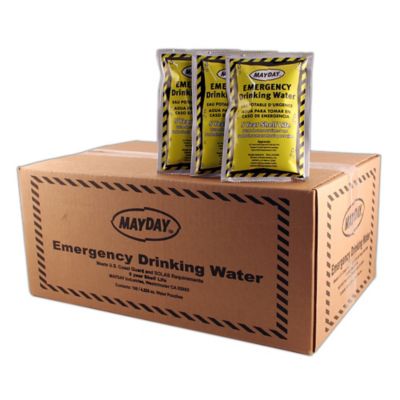
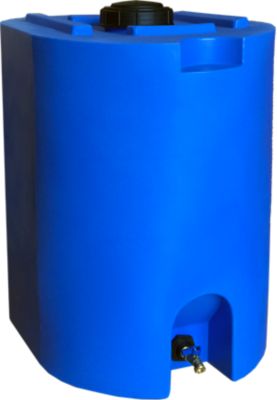
When pulling together your family’s emergency supply, it’s wise to start with the basics—clean water, shelf-stable food, and a way to stay warm and safe if the lights go out. Every person in your household should have access to at least a gallon of water per day, and don’t forget about the critters—pets need fresh water too. You’ll find a range of options for water storage and purification, and if you want to learn more, check out our
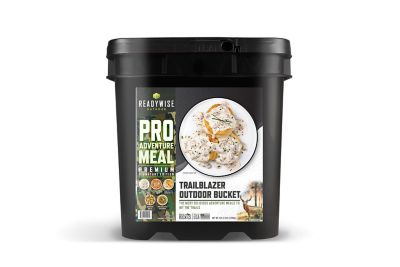
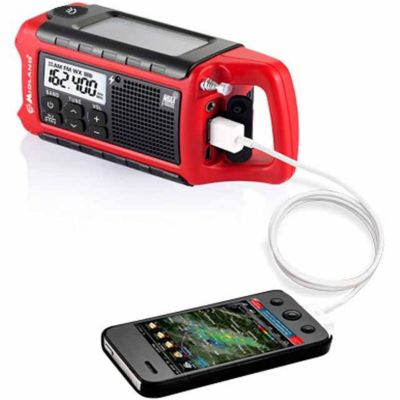
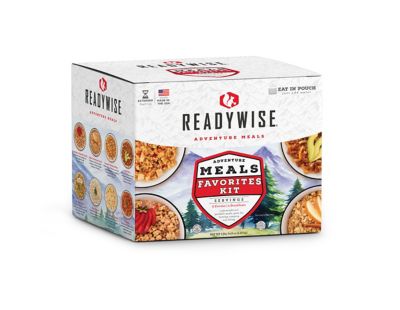
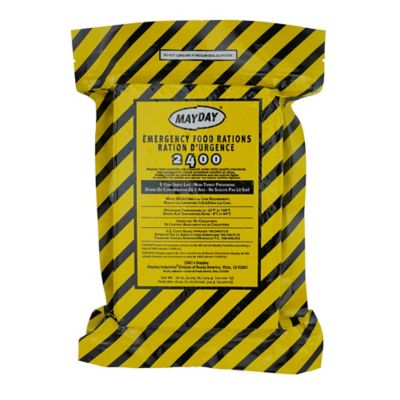
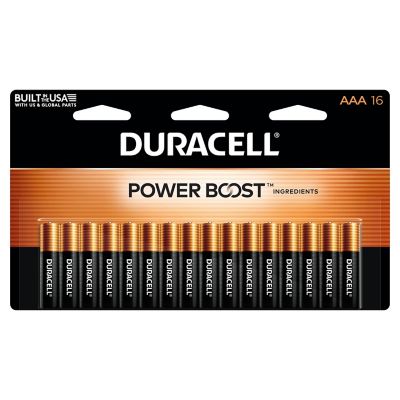
Emergency Water Supply page for tips and solutions. Food-wise, it’s best to have a three-day supply of non-perishable items that don’t require much prep—think canned goods, dry mixes, or meal bars. If you’ve got babies or anyone with special dietary needs, be sure to set aside formula, diapers, or allergy-friendly snacks. Flashlights, lanterns, and plenty of batteries are a must, along with a weather radio so you can keep up with local alerts even if the cell towers are down. Don’t overlook comfort items like extra blankets, sturdy boots, and dust masks, especially if you might need to head outside after a storm or wildfire.
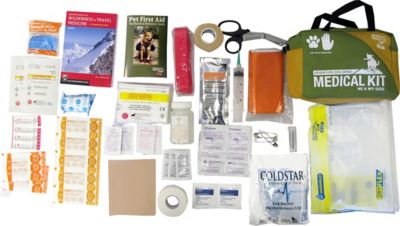
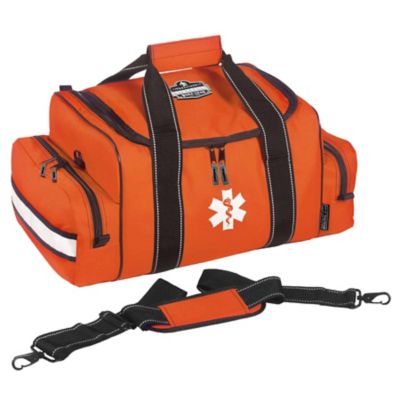
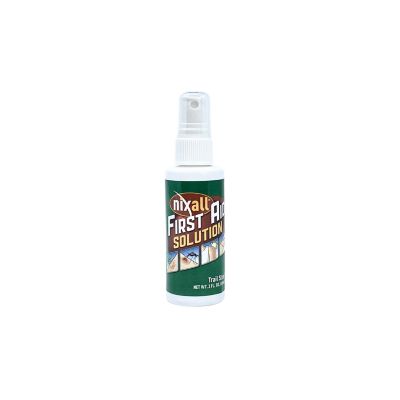
Emergency supplies can also make thoughtful gifts, especially for young folks just starting out on their own, or for neighbors and friends who might not have had time to get prepared themselves. A well-stocked first aid kit, a sturdy weather radio, or a pack of emergency blankets can be a real blessing when the unexpected hits. Tractor supply prepper supplies are built to last and easy to store, whether you’re tucking them in a closet, a basement, or the back of the truck. As you put together your kit, remember to include copies of important documents in waterproof containers, extra medications, and a few comfort items like board games or a deck of cards to help pass the time. And if you’re the type who likes to be extra prepared, consider adding tools like a manual can opener, a whistle, and a multi-tool. No matter your family’s size or needs, having the right emergency supply on hand brings peace of mind—so when the weather turns or the power goes out, you’ll be ready to take care of the folks and animals that matter most.