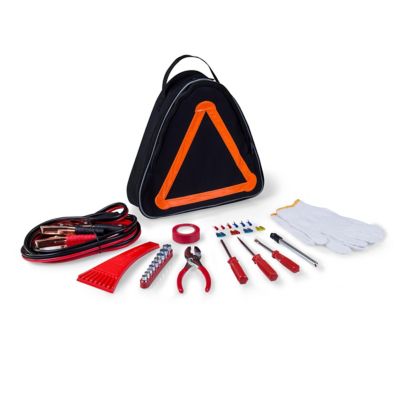
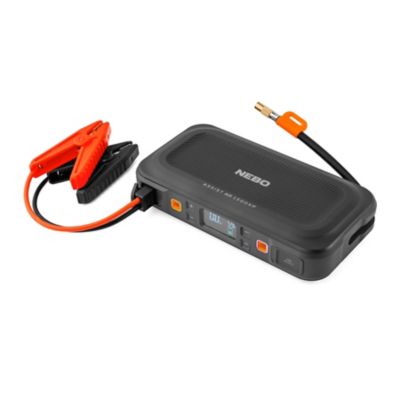
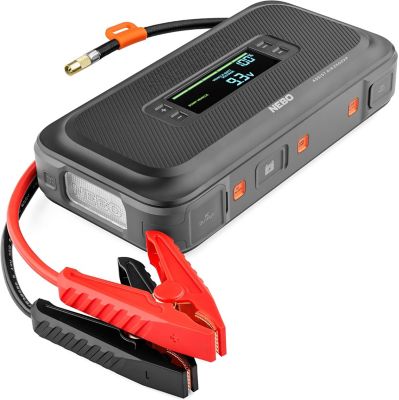
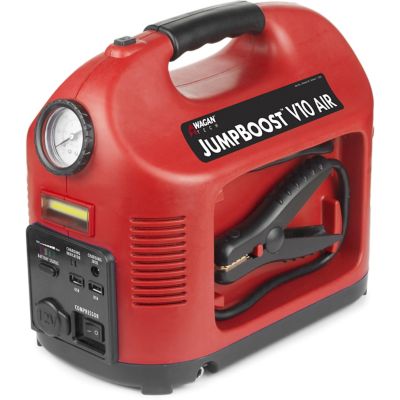
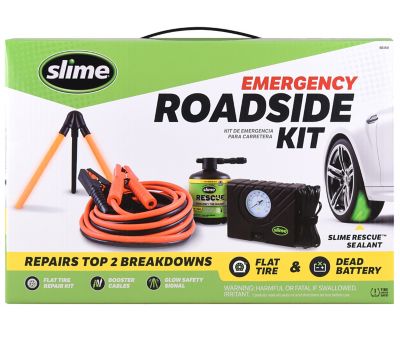
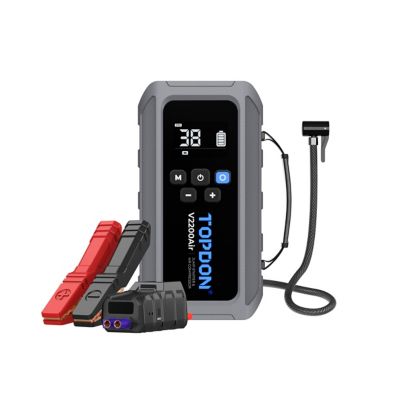
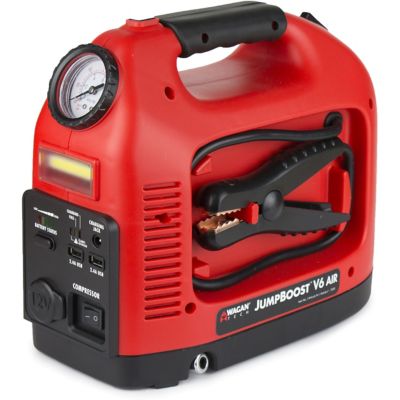
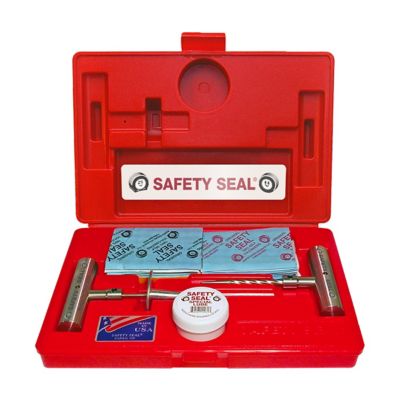
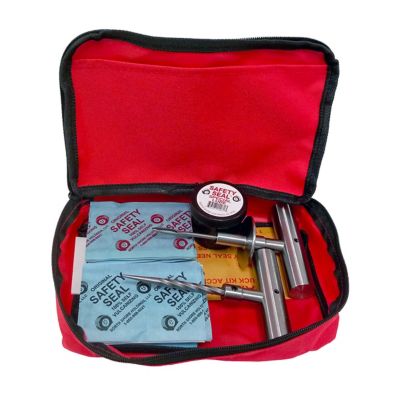
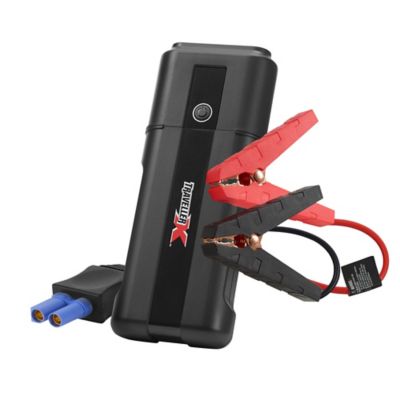
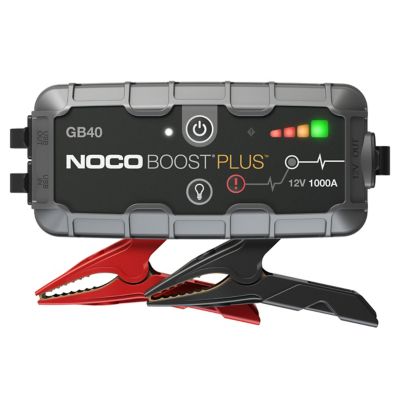
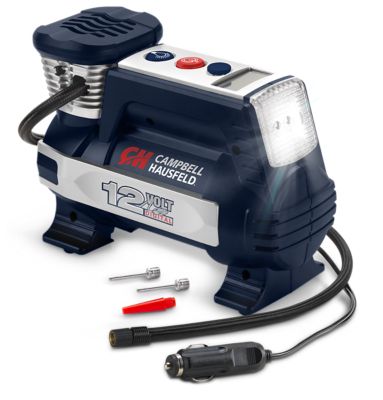
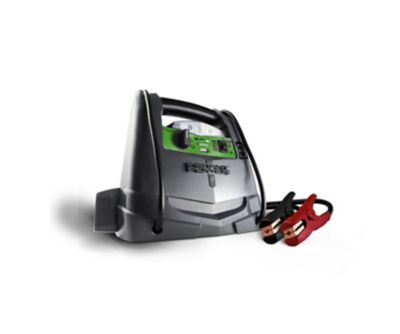
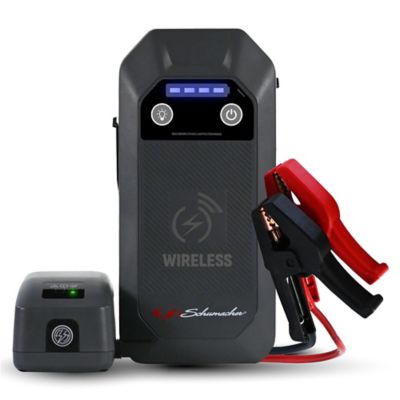
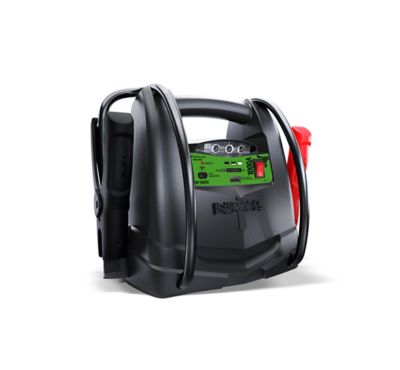
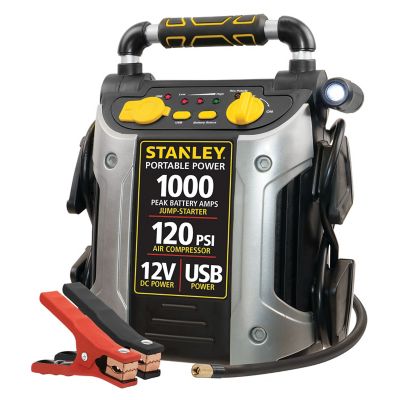
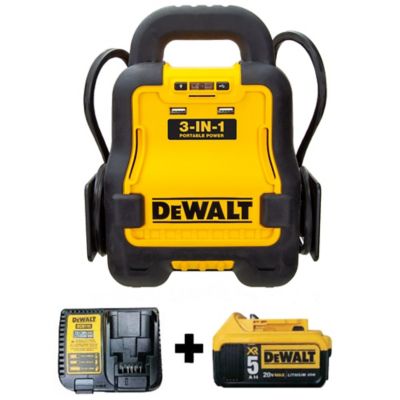
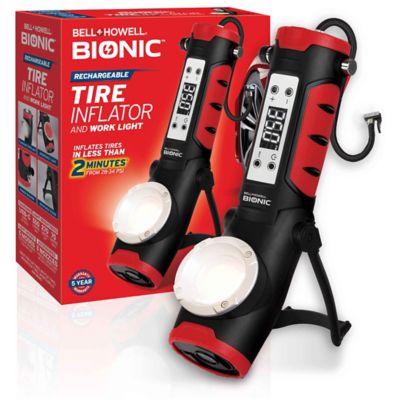
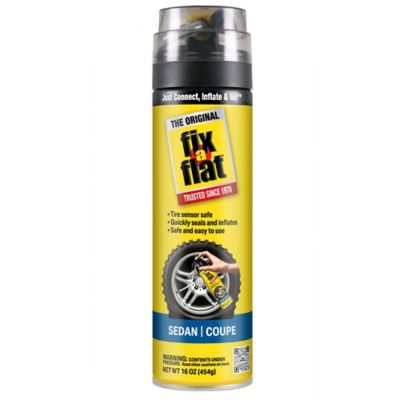
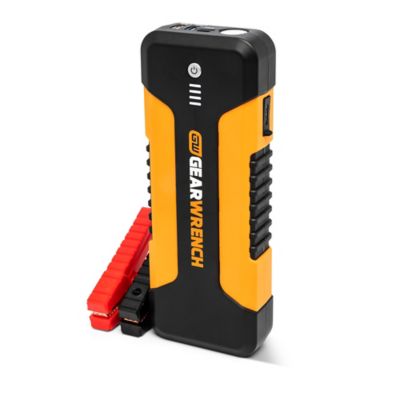
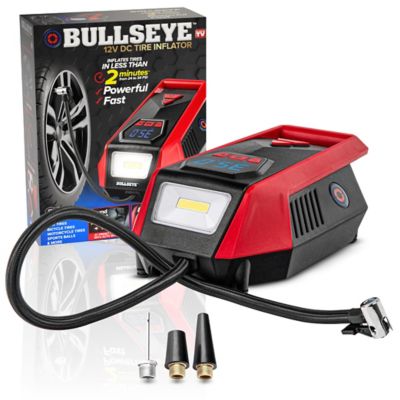
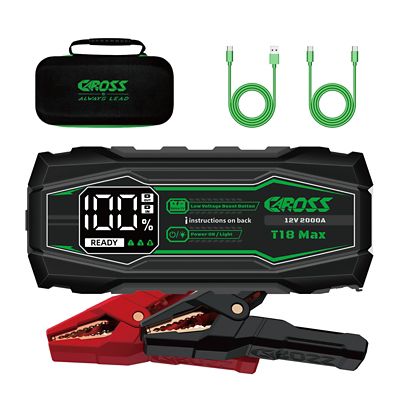
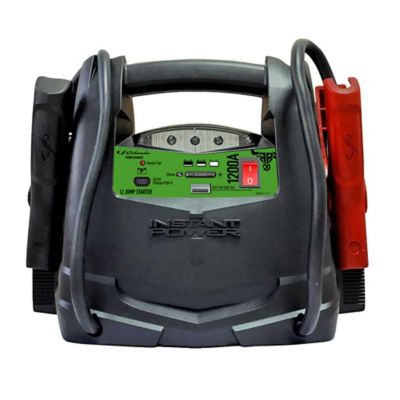
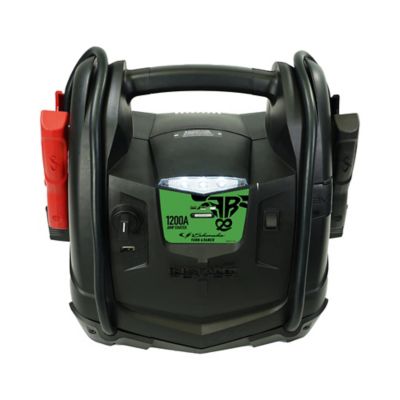
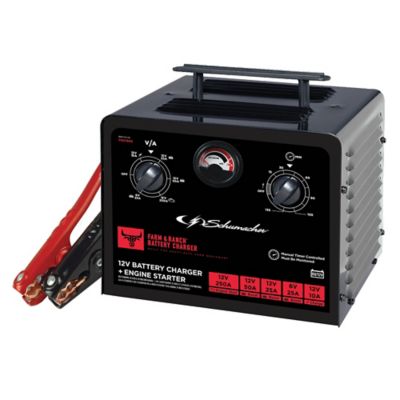
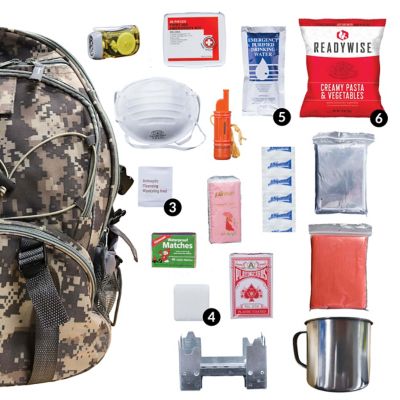
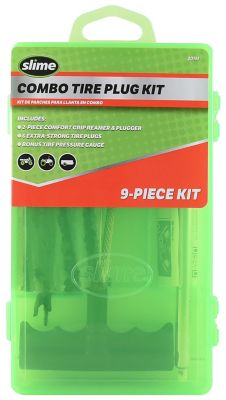
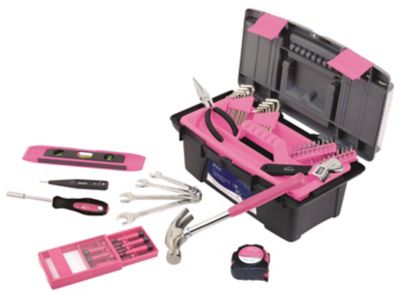
Roadside emergency kits for cars help keep an unexpected stop from turning into a long, cold wait beside the road. A dead battery, flat tire, low tire pressure or a minor roadside mishap can happen on a quiet country lane just as easily as on a busy highway. The right kit gives drivers a practical starting point while they wait for roadside assistance or make a simple fix on their own. When comparing options, look for a well-rounded selection of safety, visibility and basic repair supplies rather than a bag filled with one type of tool. Heavy-duty jumper cables or a portable jump starter can help with a drained battery, while a flashlight with spare batteries makes it easier to see beneath the hood or around a tire after sunset. Reflective warning triangles, LED road flares or other high-visibility markers help alert approaching traffic, and a reflective safety vest can make the driver easier to spot when stepping outside the vehicle. Sturdy work gloves are worth having for cold, muddy or sharp-edged jobs, especially when handling a tire, battery cables or roadside debris. A compact first-aid kit with bandages, antiseptic wipes, gauze and medical tape can take care of small scrapes and cuts until more complete medical attention is available. A tire pressure gauge, tire sealant or portable inflator can be useful when a tire is low but not badly damaged. Drivers should also check that the vehicle’s spare tire is properly inflated and that the jack and lug wrench fit the vehicle before an emergency occurs. Tools that look useful in a package still need to match the car, truck or SUV they will serve.
A roadside kit is most helpful when it fits the driver, vehicle and routes traveled. Someone who spends the week commuting through town may place a compact kit in the trunk, while a ranch hand, tradesperson or rural family may prefer a more complete setup for long drives between communities, gravel roads and job sites. Older vehicles often benefit from jumper cables, basic hand tools, duct tape and a tow strap, while newer cars, hybrids and electric vehicles may have different jump-start procedures and should be handled according to the owner’s manual. A jump pack or power bank should be kept charged and checked from time to time, and battery-powered lights should have fresh batteries stored with them. Keep the kit where it can be reached without unloading the entire vehicle, but secure loose tools so they do not slide around while driving. It also helps to store water, non-perishable snacks, a thermal emergency blanket and a waterproof rain poncho for delays during cooler or wet weather. Rotate food and water supplies about every six months, and inspect batteries, air pressure, expiration dates and damaged packaging as part of regular vehicle care. A charged phone and a separate power bank can be especially valuable when a breakdown happens outside reliable cell service, though drivers should never stand in traffic or attempt repairs in an unsafe location. Pull as far off the roadway as possible, turn on hazard lights, place warning markers only when it is safe to do so and stay inside the vehicle with the doors locked when passing traffic presents a danger. A tow strap, adjustable pliers, screwdrivers and a multitool may handle small problems, but major mechanical failures, highway-speed tire damage and situations involving fuel, fire or injury call for professional help.
Roadside emergency kits also make thoughtful, practical gifts for new drivers, college students, commuters, outdoor enthusiasts and anyone picking up a used vehicle. They are a useful addition to a teen driver’s first car, a family vehicle headed on a long-distance trip or a work truck that spends its days away from the shop. During the warmer part of the year, a kit can bring peace of mind on road trips, backroad adventures and busy travel days, while during the cooler months it provides extra support when darkness arrives earlier and wet or chilly weather can make a delay feel much longer. Consider the kit’s storage size, the number of people who regularly ride in the vehicle and the kinds of roads they use. A smaller car may need a compact bag that leaves room for groceries and luggage, while a pickup or SUV can carry additional blankets, tools and recovery supplies. Drivers who tow trailers, boats or campers may want to keep recovery gear and extra visibility supplies close at hand, and those planning extended RV travel can find related ideas in
Must Have RV Accessories. Before putting any kit to work, read the vehicle manual, learn where the battery terminals and spare tire are located, and practice using the jack and lug wrench in the driveway. That little bit of preparation matters when rain is tapping on the roof, gravel is crunching underfoot and a warning light is glowing on the dash. A carefully chosen roadside emergency kit will not prevent every breakdown, but it can help drivers stay visible, protect their hands, handle minor trouble and wait more comfortably until they are safely back on the road.