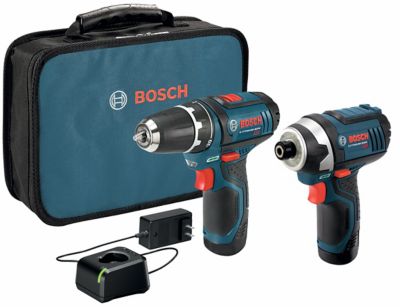
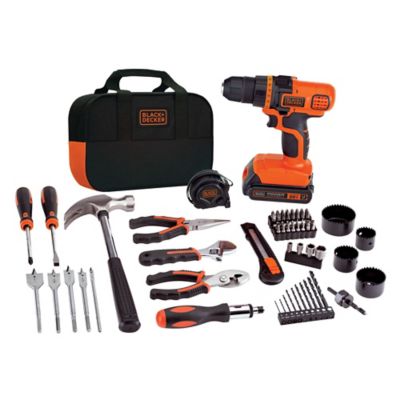
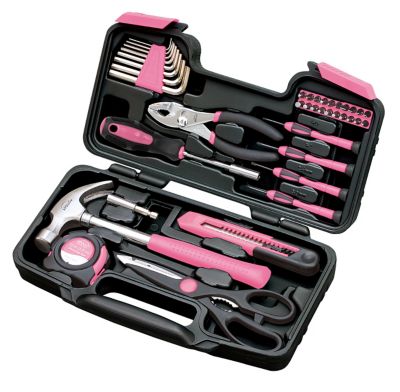
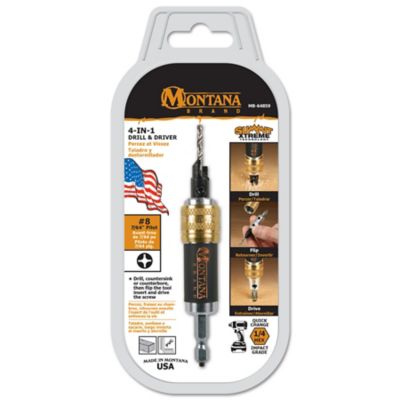
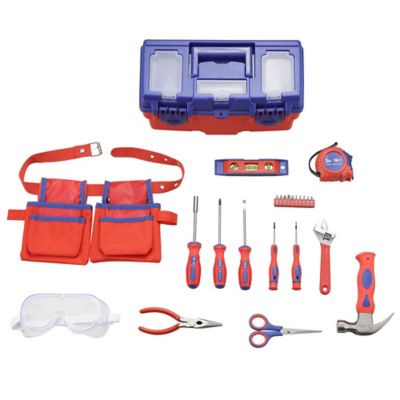
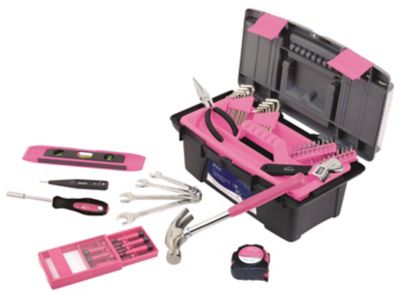
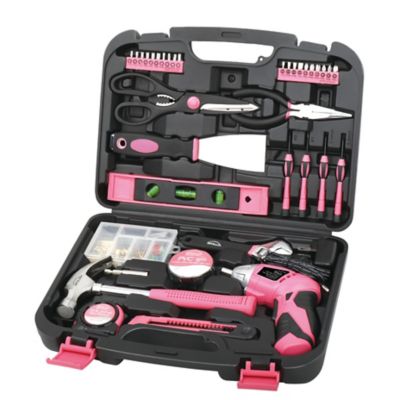
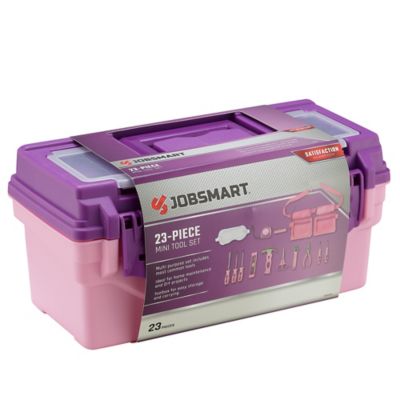
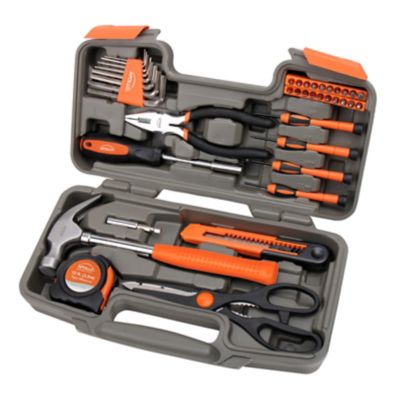
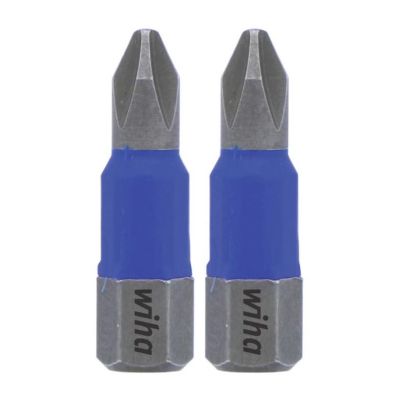
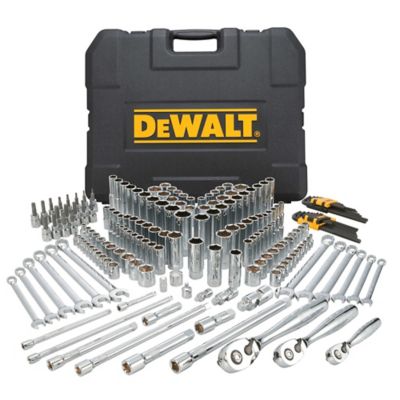
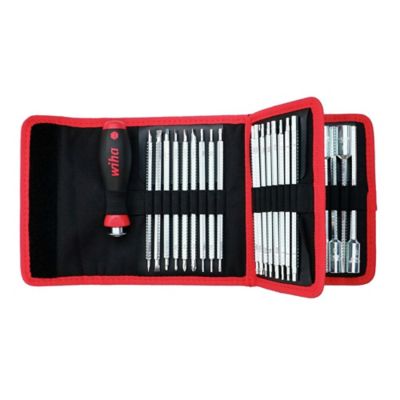
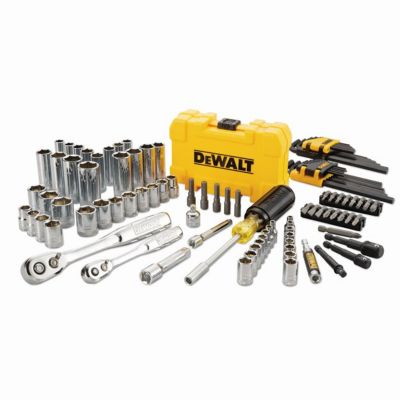
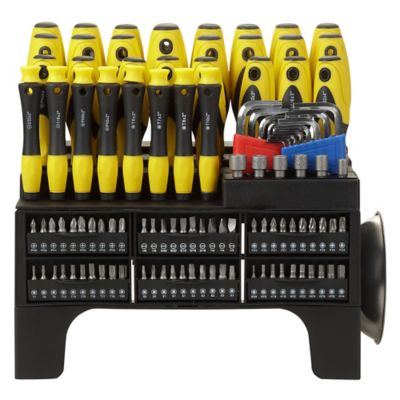
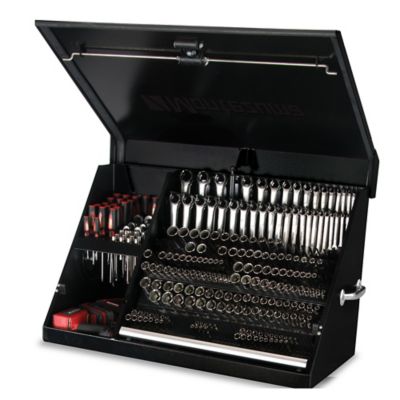
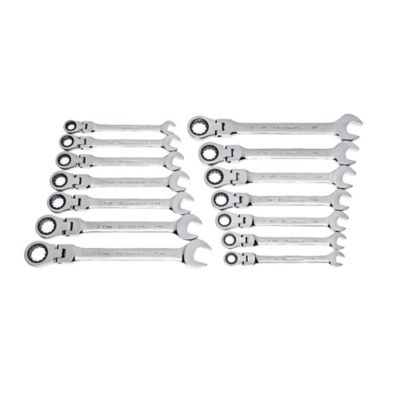
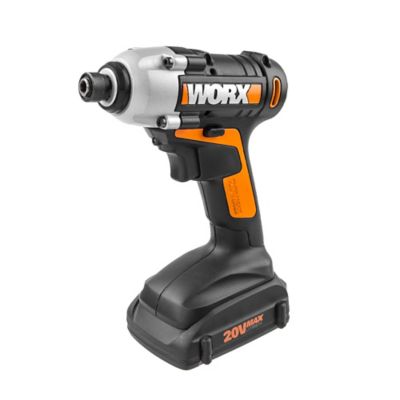
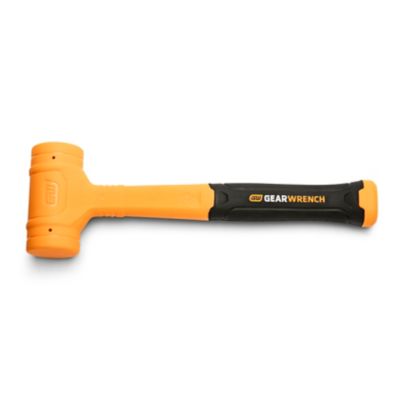
Household tools are the handy helpers that keep everyday jobs from turning into a trip across town or a call to a repair service. A well-rounded collection can help with hanging pictures, tightening a loose cabinet pull, assembling furniture, opening packages, adjusting a gate latch, or making small repairs around the house, garage, barn, or workshop. For many homes, a basic household tool kit starts with a hammer for driving and removing nails, a screwdriver or multi-bit driver for fasteners of different sizes, a tape measure for checking spaces and materials, and pliers for gripping, pulling, bending, and holding small parts. An adjustable wrench is useful when working with nuts and bolts, while a utility knife can handle cardboard, twine, tape, and other cutting tasks when used carefully. A level helps keep shelves, frames, curtain rods, and wall hooks straight instead of leaving them with that unmistakable slant. These tools are useful for first-time homeowners, renters, apartment dwellers, parents, do-it-yourselfers, and anyone who likes being prepared for the little fixes that come with daily life. They also make practical gifts for new homeowners, college students setting up their first place, newlyweds, relatives moving into a farmhouse, or anyone building a workshop one tool at a time. A compact kit can tuck into a kitchen drawer or vehicle compartment, while a larger assortment offers more sizes and shapes for households that take on regular maintenance. When choosing tools, consider the jobs you expect to handle, how often you will use them, where they will be stored, and whether you prefer individual pieces or a set with organized storage. For a broader look at useful household and general repair equipment, visit
Hardware Tools.
The right household tools can make a job feel more manageable, especially when the tool fits the task and feels comfortable in your hand. Look for handles that provide a secure grip, markings that are easy to read, and construction suited to the kind of work you plan to do. A tape measure with clear measurements and a locking feature can make it easier to measure a doorway, check a shelf opening, or plan where a piece of furniture will sit. A multi-bit driver saves drawer space and keeps commonly used tips close by, while a set of pliers can help with everything from pulling a stubborn staple to holding a small piece steady. Adjustable tools are convenient for general repairs, but having a few fixed-size options can be helpful when a fastener needs a firm, precise fit. A level is especially useful for hanging cabinets, shelves, artwork, and outdoor fixtures, where a small error can become more noticeable once the work is finished. Utility knives should be stored securely and used on a stable surface, with the blade suited to the material being cut. A hammer with a balanced feel can help with light carpentry and household hanging jobs, but it is still important to protect finished surfaces and choose the right fastener for the wall or material. Before beginning a project, gather the needed tools, check the work area, and wear suitable safety equipment such as eye protection and work gloves when the task calls for it. Keep tools clean and dry, return them to a toolbox or organized drawer after use, and replace damaged handles, dull blades, or worn parts rather than relying on equipment that no longer performs safely. Even simple habits like measuring twice, finding a stud before hanging something heavy, and turning off power before working near electrical components can help prevent avoidable trouble.
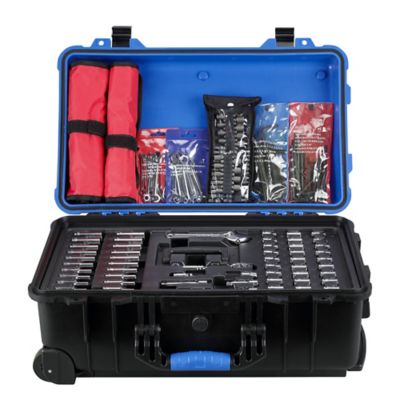
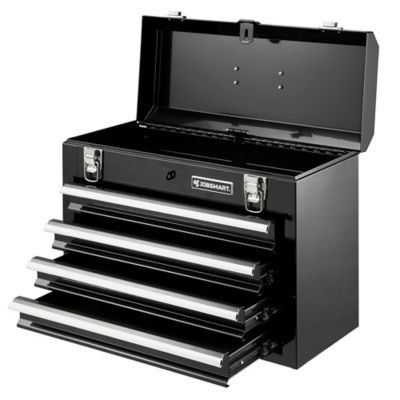
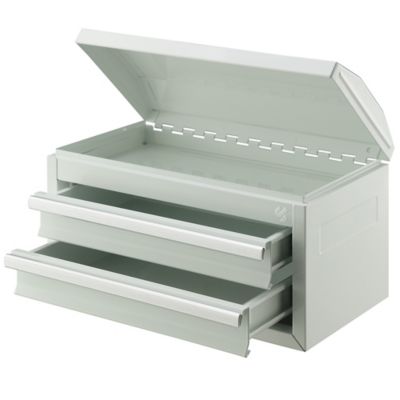
Household tools are useful throughout the year because homes always seem to come with another loose hinge, stubborn fastener, wobbly chair, or box waiting to be opened. As the weather warms, they can help with setting up outdoor furniture, securing garden items, repairing screens, tightening hardware, and getting porches, sheds, and entryways ready for more time outside. During the cooler months, the same collection can be useful for indoor projects, storage changes, furniture assembly, weather-preparation tasks, and quick fixes that become more noticeable when everyone is spending extra time inside. Rural households may reach for these tools to adjust a gate, repair a feeder stand, hang equipment, or make small improvements in a mudroom, utility room, or outbuilding, while suburban and city homes benefit from the same dependable basics. A household tool collection does not need to be oversized to be useful. Start with the tools that match your regular chores, then add specialized pieces as new projects come along. If more than one person will use the tools, choose options that are easy to identify and comfortable for different hand sizes. Storage matters, too: a sturdy case keeps small pieces together, reduces the chance of losing a driver bit or wrench, and makes it easier to carry what you need from the kitchen to the garage or from the house to the shed. With a practical mix of measuring, gripping, driving, cutting, and leveling tools close at hand, many ordinary repairs can be handled with less fuss and fewer delays, leaving more time for the work, family, and everyday routines that matter most.