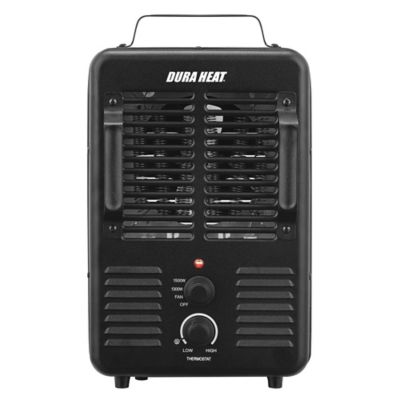
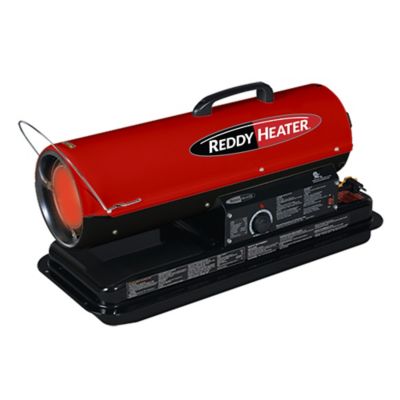
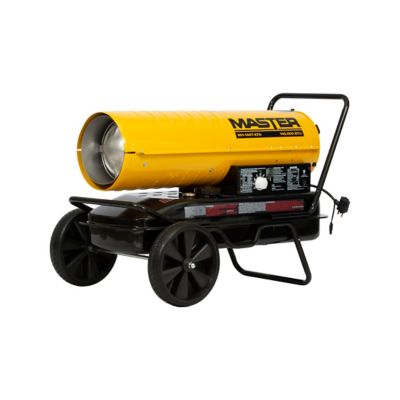
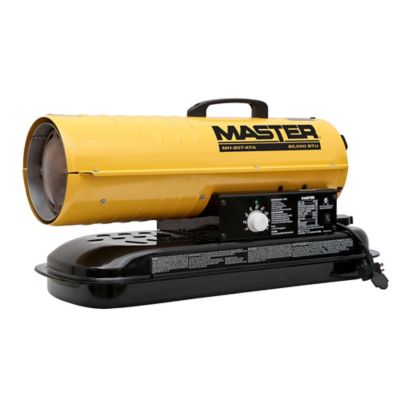
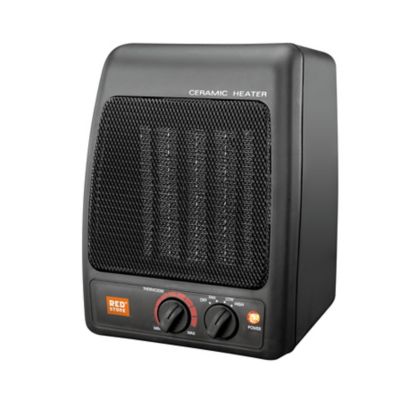
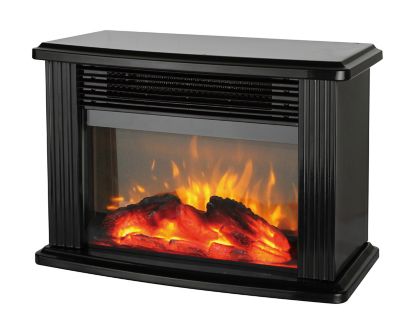
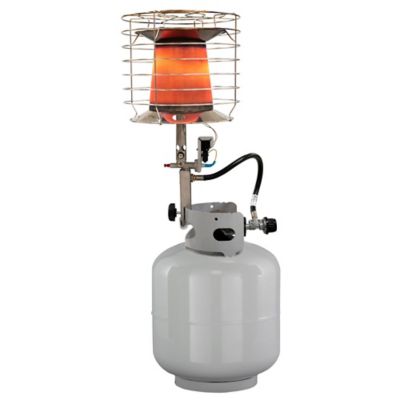
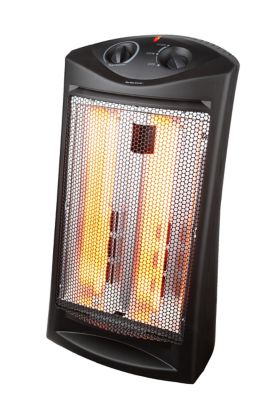
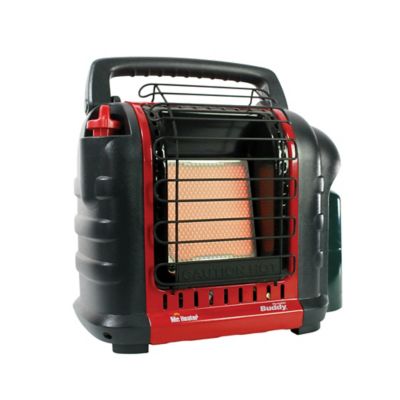
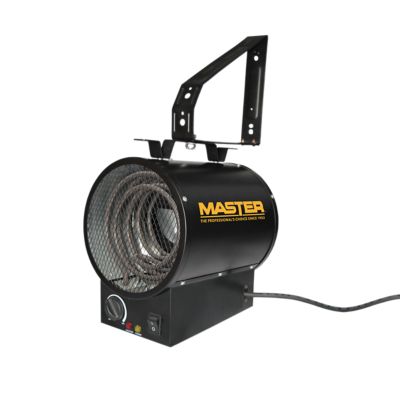
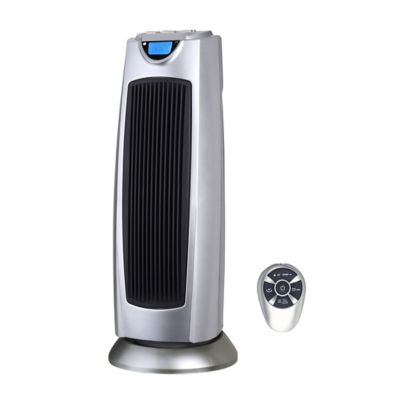
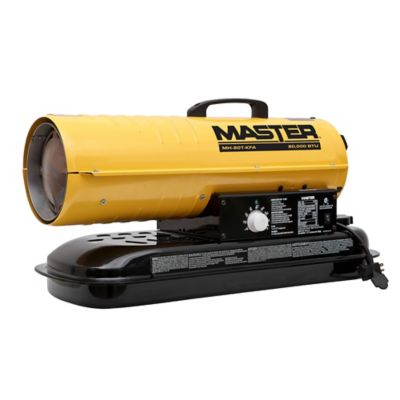
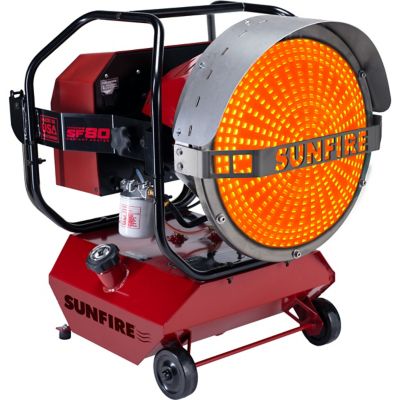
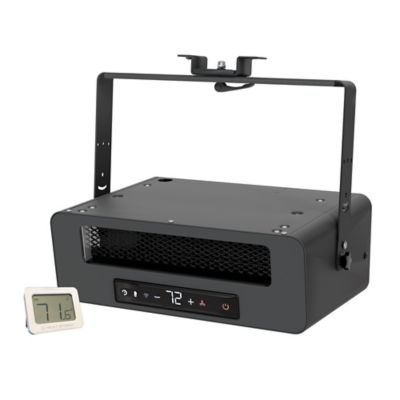
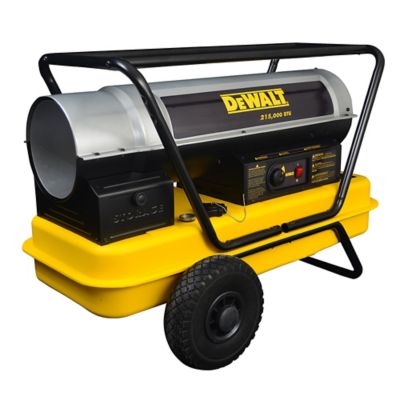
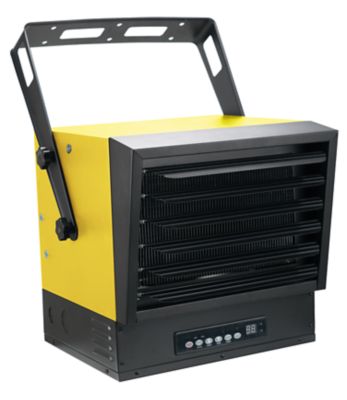
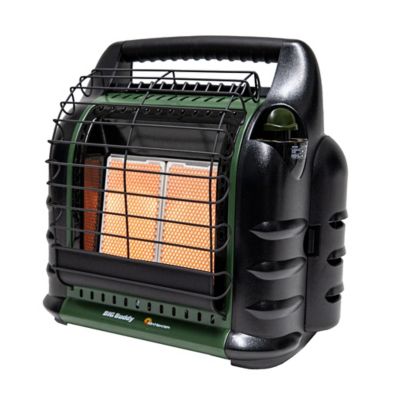
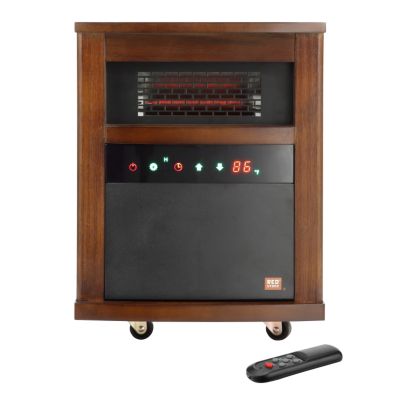
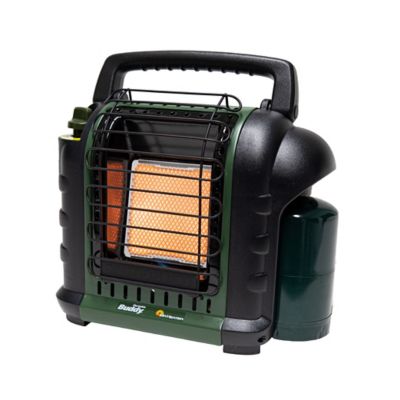
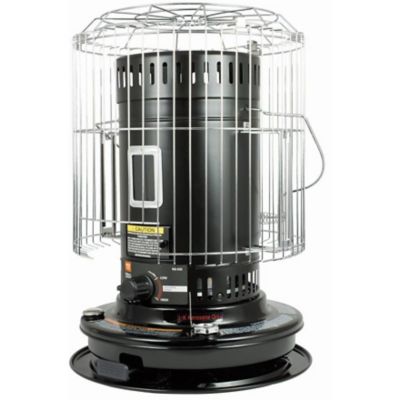
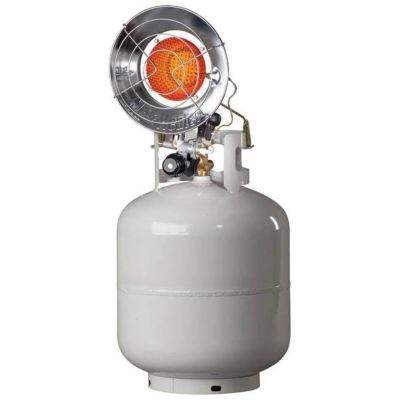
Choosing an essential barn heater for cold winters starts with looking at the space, the work taking place there, and the kind of warmth needed. A small enclosed tack room, wash bay, workshop, or feed room may call for a different heating setup than a large, open-sided pole barn. Measure the area as closely as possible, note the ceiling height, and take stock of drafts, insulation, doors, and windows. Heater output is commonly listed in BTUs, and a higher BTU rating generally helps warm a larger or more open space, but bigger is not always better. Excess heat can make a small room uncomfortable and may cause the unit to cycle more often, while a heater with too little output may run constantly without taking the bite out of the cold. Portable forced-air heaters can warm a work area quickly, making them handy when you need to thaw a frozen latch, check equipment, repair a gate, or get a chilly shop ready for a morning project. Radiant heaters take a different approach by warming people, floors, tools, and other surfaces directly instead of trying to heat all the air in a drafty building. That direct warmth can suit open pole barns, workstations, and areas where warm air would rise and disappear through roof gaps. Electric heaters may be a good fit where power is available and a clean, quiet heat source is preferred. Propane, kerosene, and diesel options can offer strong heat in places without convenient electrical service, though each fuel type requires careful handling, proper storage, and close attention to the manufacturer’s instructions. As the weather turns colder, a little planning before the first hard freeze can make barn chores easier, protect equipment from extreme cold, and give workers a more comfortable place to get things done.
Safety deserves just as much attention as heating capacity. Fuel-burning forced-air heaters need plenty of ventilation so fumes do not collect inside the barn, shop, or other enclosed area. Keep doors, vents, or other approved airflow paths open as directed, and never operate combustion heaters in a sealed room. Carbon monoxide can build up without a noticeable smell, so carbon monoxide alarms should be placed wherever people may spend time near fuel-burning equipment. Keep every heater well away from hay, straw, bedding, sawdust, shavings, feed bags, fuel containers, curtains, and other materials that can catch fire. Set portable units on a stable, level surface where they cannot be knocked over by a boot, wheelbarrow, curious animal, or swinging door. Protect cords from water, hooves, tires, and sharp edges when electric heat is in use, and follow clearance requirements around walls, ceilings, and stored equipment. Heaters in livestock areas call for extra care. Horses, cattle, sheep, goats, and other animals often handle cool weather with shelter, dry bedding, access to water, and a suitable coat, so warming an entire barn may not be necessary and can create excess humidity or poor airflow. In many cases, the better approach is to heat a staff area, grooming station, milking space, or enclosed work zone while keeping animal housing well ventilated. Never place a heat source where animals can reach it, rub against it, chew a cord, or scatter bedding into the hot area. Check filters, hoses, fuel lines, plugs, and guards before each season, and stop operating equipment that shows damage, unusual noise, a fuel smell, or inconsistent operation. A clean work area around the heater matters, too; dust and chaff can collect quickly in a busy barn and should be swept away before starting the unit. For broader airflow and moisture management, especially in warmer stretches or during changing weather, explore
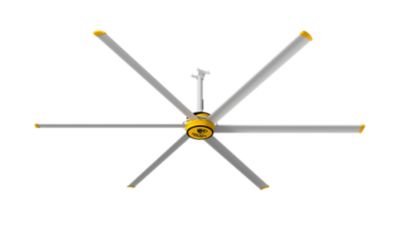
Barn Fans as part of a year-round barn plan.
The best heater for your barn should fit the way the building functions, not just the square footage on paper. Consider whether heat is needed for a few hours at a time or for longer work sessions, whether the space is insulated, how often large doors open, and whether electricity or a particular fuel is already available on the property. A thermostat or adjustable heat setting can help prevent a small area from becoming too warm, while a portable design can move between a workshop, garage, hunting cabin, or outbuilding when the season calls for it. Some shoppers look for a barn heater as a practical gift for a farm owner, horse keeper, mechanic, or family member who spends early mornings tending animals and maintaining equipment. It can be a thoughtful choice for someone setting up a new shop, preparing a tack room, or finishing a winter work area, especially when paired with suitable fuel storage, a carbon monoxide alarm, or other safety supplies. Before bringing any heater home, check the power requirements, fuel connections, hose length, operating clearance, noise level, and whether the unit is approved for the intended setting. Read the full instructions, confirm that the heater is rated for the location, and plan where it will sit before the cold weather arrives. A heater should warm the people and work areas that need it without creating a fire hazard, trapping fumes, stressing livestock, or putting tools and feed at risk. With the right size, fuel source, placement, ventilation, and routine checks, dependable heat can take the edge off frosty mornings and help keep essential barn work moving through the cooler months.