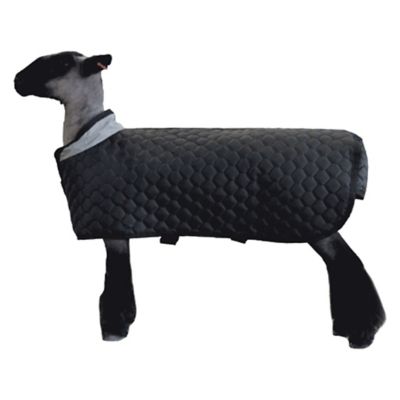
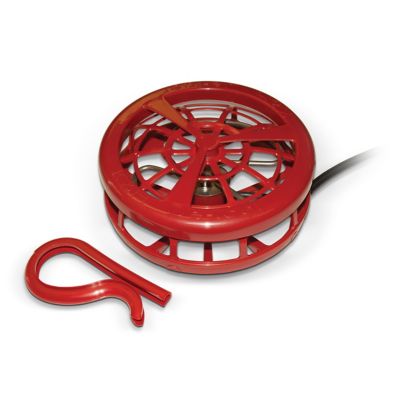
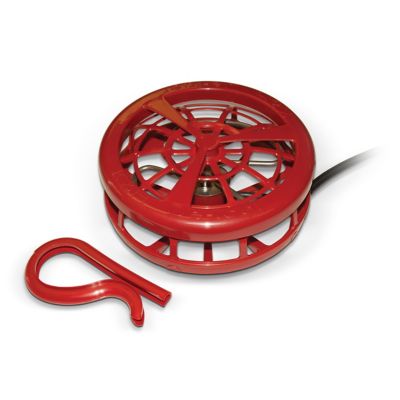
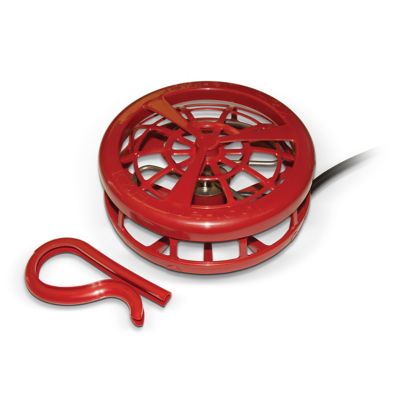
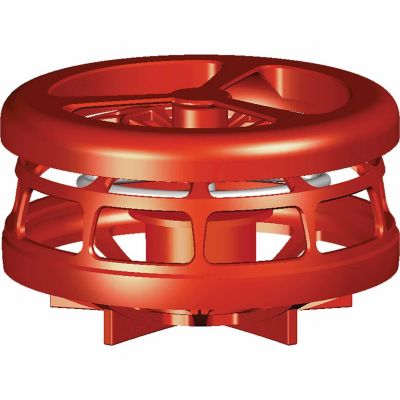
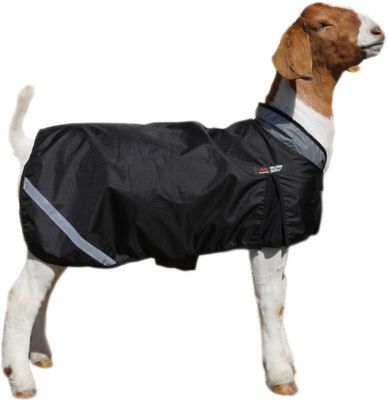
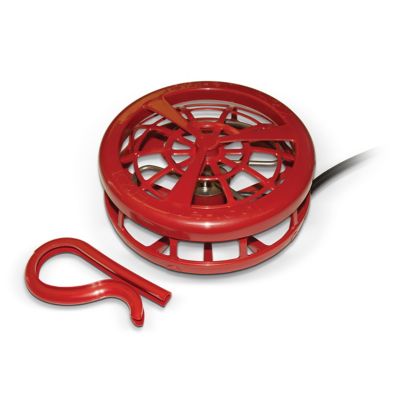
Winter prep farm supplies help keep everyday chores moving when a stiff gate, an icy water source, or a wet bedding area can turn a simple job into extra work. On a working farm or a small acreage, cold-weather needs often center on the same essentials: drinking water, suitable feed, dry shelter, and equipment that stands up to repeated handling. Materials matter when supplies spend their days around hooves, moisture, and freezing temperatures. Plastics rated for cold conditions can better tolerate bumps without becoming brittle, while corrosion-resistant metal helps limit rust around damp feeding and watering areas. Smooth surfaces and accessible openings make routine cleaning less of a struggle, especially when gloves stay on from the house to the barn. For livestock watering equipment, capacity should suit the number and size of animals, and any heating components need to match the equipment and its installation requirements. Outdoor electrical ratings, protected cords, and ground-fault protection are important considerations wherever water and electricity meet. Feed storage deserves attention, too. Tight-fitting closures and moisture-resistant construction help keep feed dry and discourage pests, while manageable container sizes make sense when supplies must be carried across an uneven barn floor. Bedding needs depend on the animals, shelter arrangement, and drainage; absorbency and ease of removal matter just as much as how a material feels straight out of the package. Horses, cattle, goats, sheep, and poultry do not all handle cold conditions the same way, and age, body condition, coat, and health can change what support an animal needs. Shelter supplies should help limit direct drafts without shutting out necessary ventilation. For animal coverings, fit and suitability matter more than extra thickness alone, since rubbing, trapped moisture, or restricted movement can create problems. The
Pre-Winter Livestock Readiness Checklist offers more context for considering those needs alongside a farm’s regular care routine.
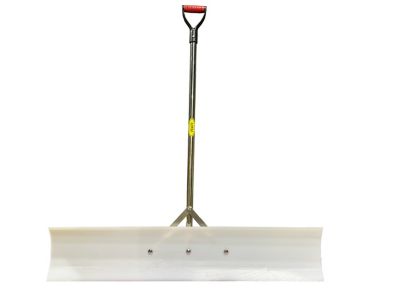
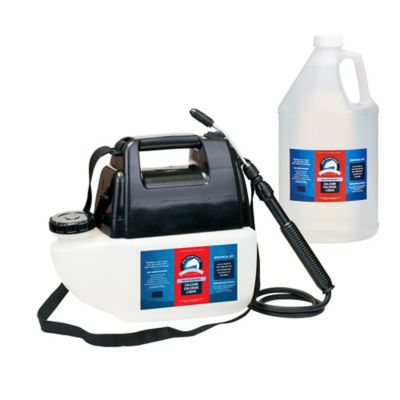
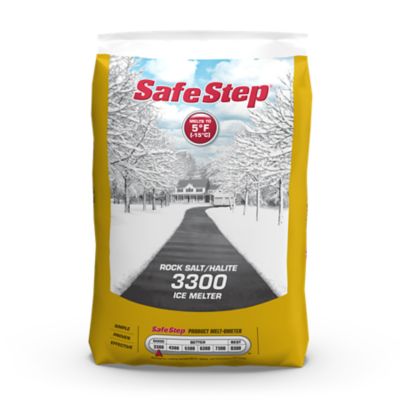
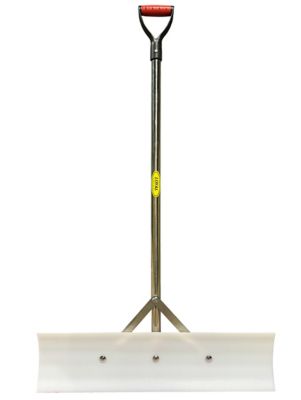
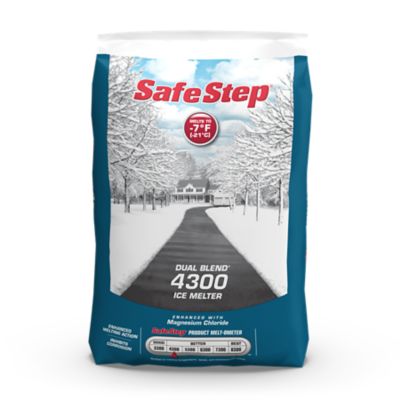
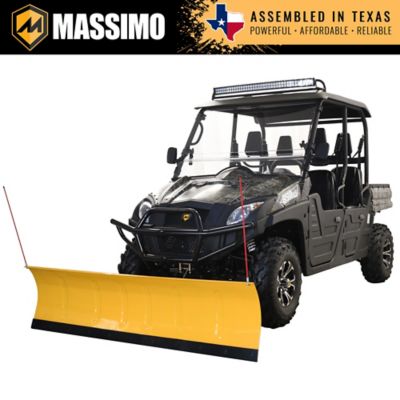
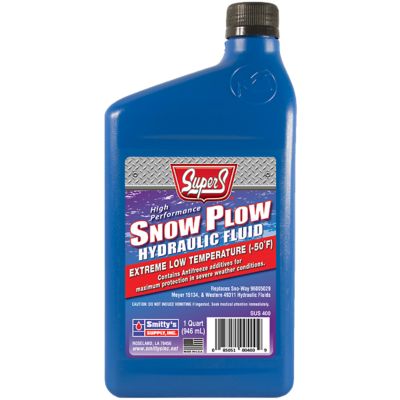
Around the rest of the property, winter prep supplies earn their place by helping with the jobs that cannot wait for a clear afternoon. A gate still has to swing when the ground is frozen, a fence still has to contain livestock after blowing snow, and a feed shed still needs a safe path from the driveway. Hardware and repair materials should match the existing setup, with attention to dimensions, load ratings, fastener compatibility, and exposure to moisture. Galvanized finishes and other protective coatings can help slow corrosion, though contact with manure, salt, and standing water still calls for cleaning and inspection. Fence components need to suit the animals being contained as well as the fence type; electric fencing also depends on compatible connections and an installation that accounts for vegetation, snow, and grounding conditions. For clearing walkways and barn approaches, equipment weight, working width, and handle shape affect how manageable a job feels after the first few passes. A broad clearing surface may cover open ground efficiently, while a smaller profile can be easier around narrow entries and tight corners. Traction materials belong in the same conversation, particularly where a sloped path or shaded doorway tends to stay slick. Their suitability depends on the surface, nearby plants, animal access, and label directions, rather than a single choice fitting every part of the farm. Cold-weather equipment care brings another set of considerations. Storage covers need the right dimensions and secure attachment points, and machinery fluids must meet the equipment manufacturer’s specifications for the intended conditions. Weather-rated electrical supplies should also match the load and location; a cord that reaches the barn is not necessarily suited to the job. Covered storage, readable labels, and room to reach frequently needed supplies make a difference when daylight is short. Keeping repair materials organized by task can spare a long walk back from the far gate with the wrong fitting in hand.
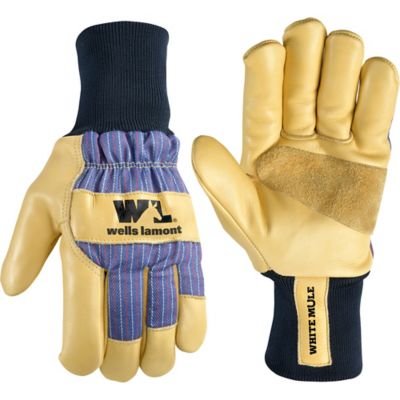
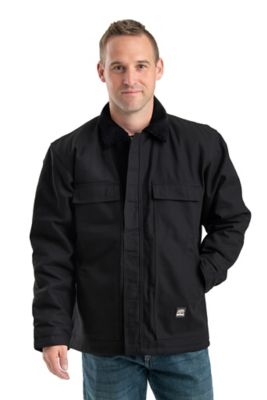
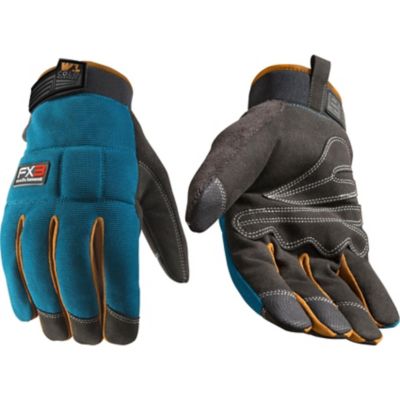
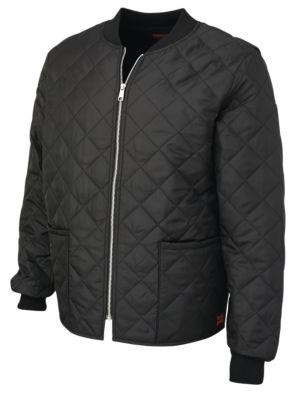
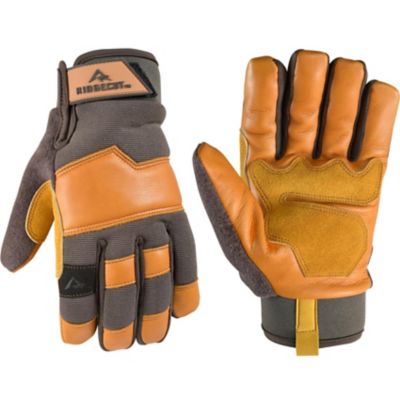
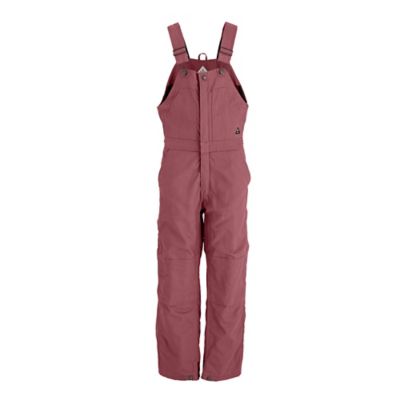
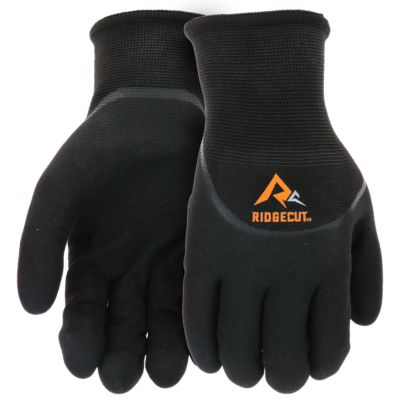
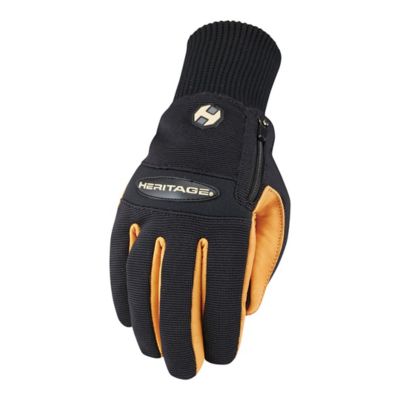
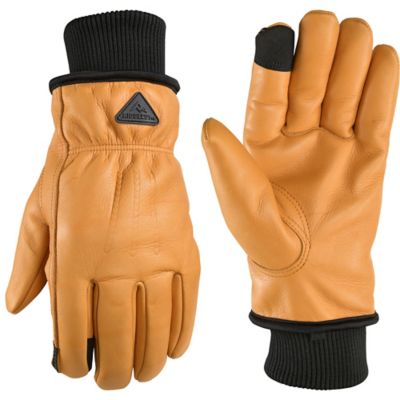
Clothing and footwear round out winter farm preparation because comfort and freedom of movement affect nearly every chore. The best fit for a long stretch on a tractor seat may feel different from what works for carrying feed, cleaning stalls, or checking fence on foot. Outer layers need enough room for bending and reaching without loose fabric catching on equipment, and workwear should follow any safety requirements associated with the task. Insulation adds warmth, but more is not always better when steady physical work can leave clothing damp with sweat. Breathable layers, adjustable openings, and fabrics that move moisture away from the skin can make changing activity levels easier to manage. Cotton canvas offers a familiar, substantial feel for many barn jobs, while synthetic shell fabrics may provide lighter coverage against wind or precipitation. Water-resistant and waterproof descriptions are not interchangeable; seam construction, closures, and the garment’s stated rating help explain the protection it is intended to provide. Reinforced knees, sturdy stitching, and abrasion-resistant panels are worth considering where clothing brushes against rough lumber, hay, and equipment. Footwear calls for similar attention to the actual work surface. A boot that fits well with the intended socks should leave room for toes without allowing excessive heel movement, and insulation should not make the fit so tight that comfort suffers. Tread patterns, outsole materials, and any stated slip-resistance testing help distinguish footwear meant for barn floors, muddy lanes, or other conditions, though no sole makes ice risk-free. Hand protection involves its own trade-off between warmth, grip, and the finger movement needed for latches and small fasteners. A spare dry pair can be welcome after dealing with wet chores. Care instructions matter across all of these supplies: appropriate washing, thorough drying, and storage away from damaging heat help preserve fabrics, coatings, and insulation. For anyone outfitting a new farmhand or choosing a practical gift for someone who spends mornings at the barn, familiar sizing and the recipient’s daily chores are better starting points than appearance alone. Winter prep works best when the supplies fit the person, the property, and the work waiting beyond the back door.