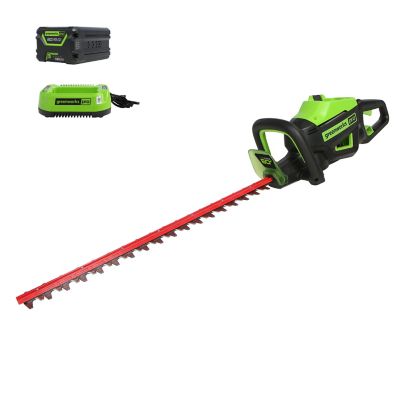
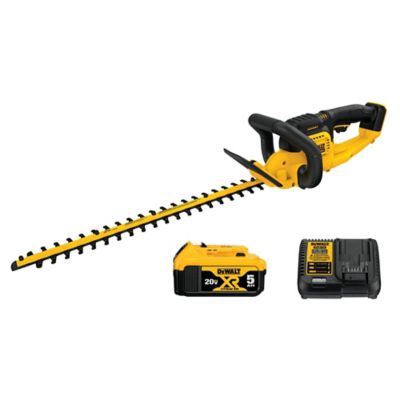
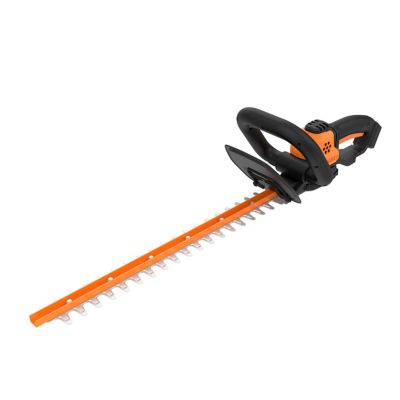
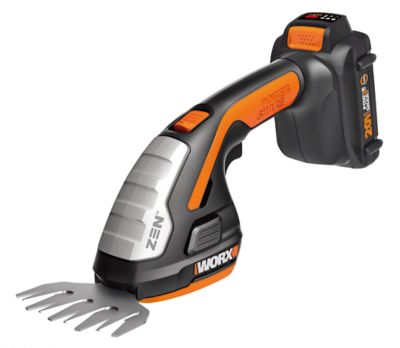
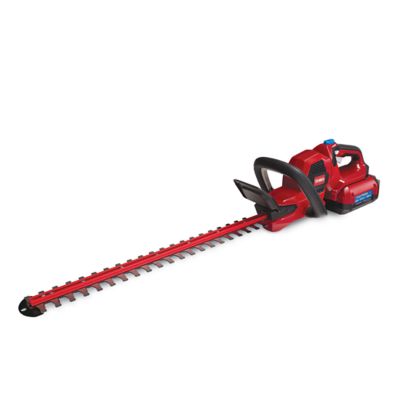
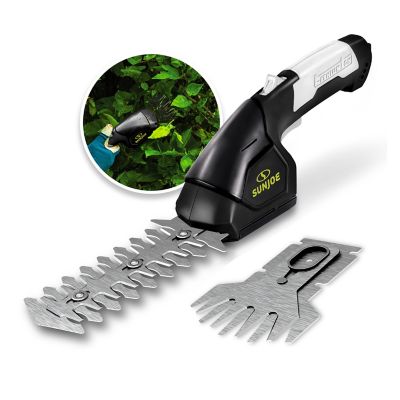
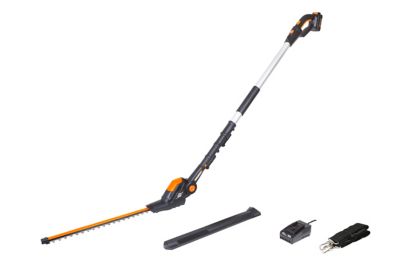
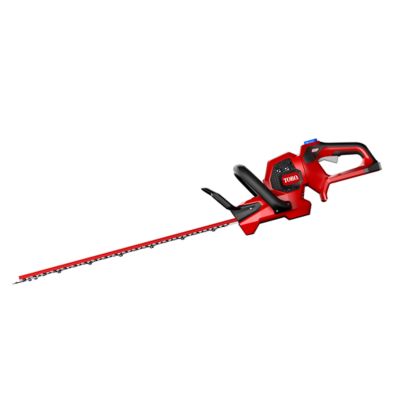
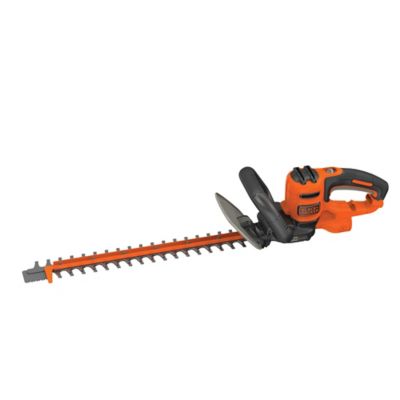
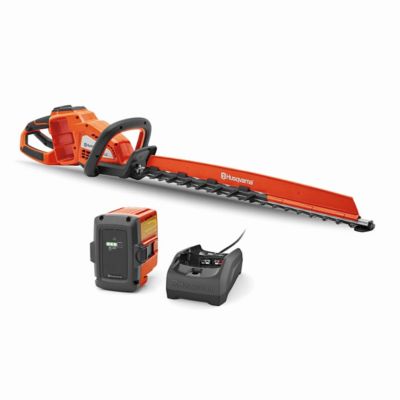
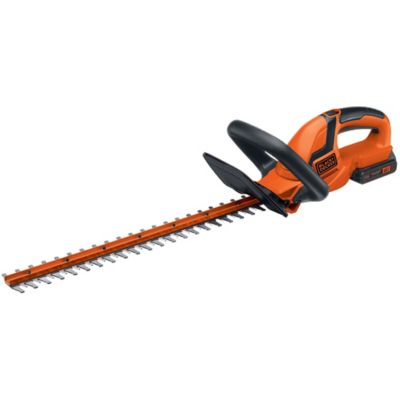
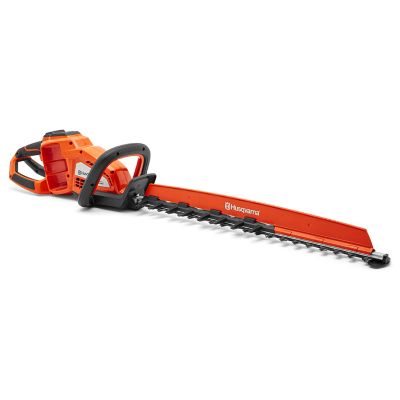
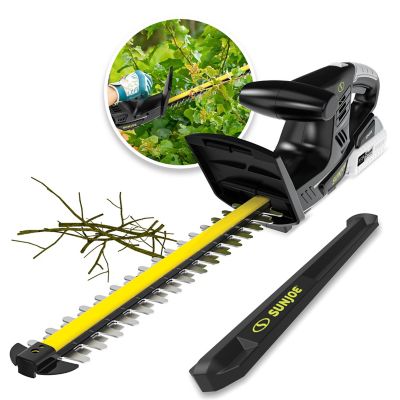
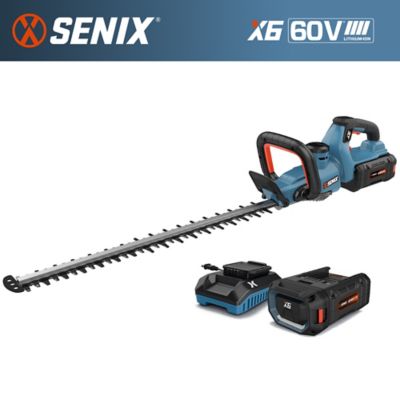
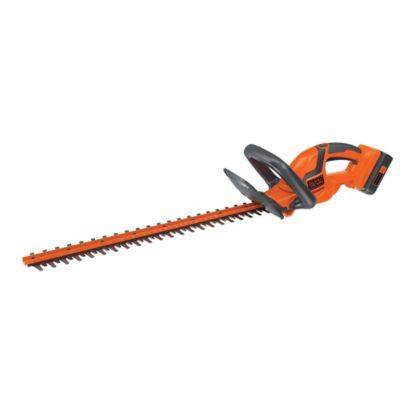
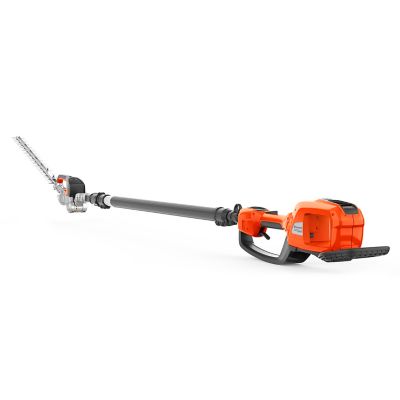
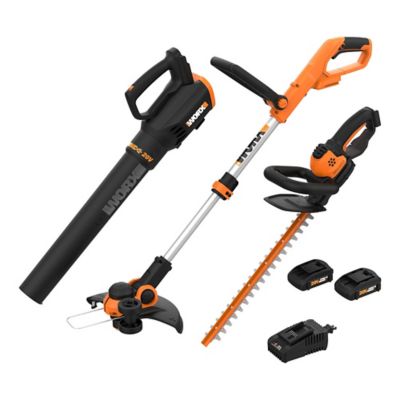
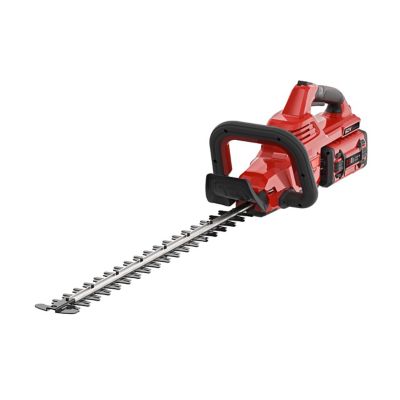
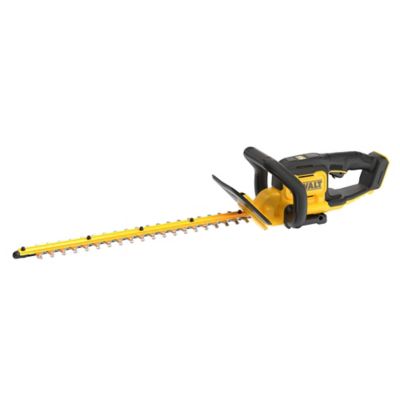
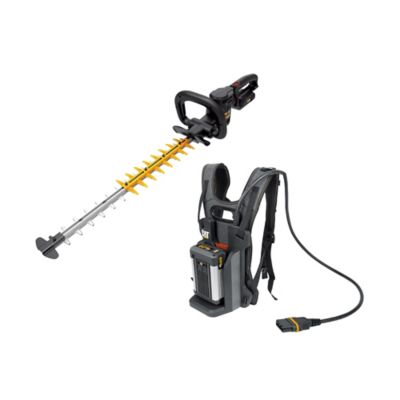
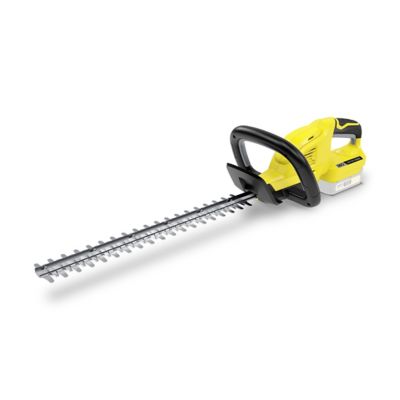
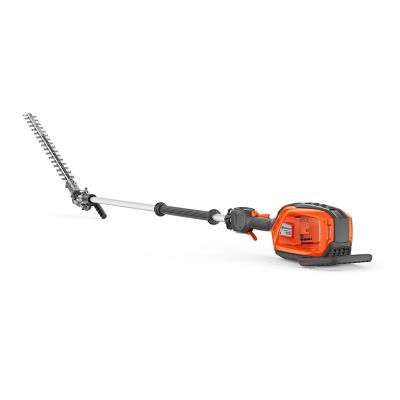
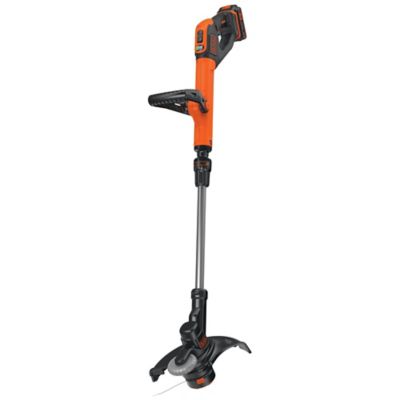
Electric hedge trimmers are powered yard tools that shape hedges, tidy shrubs, and cut smaller branches with a moving, toothed blade. They suit the steady work of keeping a hedge beside the driveway neat, opening up an overgrown walkway, or giving foundation shrubs a cleaner outline. Unlike string trimmers, which cut grass and weeds with rotating line, hedge trimmers have cutting teeth meant for shrub growth within a stated branch capacity. The two main types are corded electric hedge trimmers and cordless, battery-powered hedge trimmers. Corded models connect to an electrical outlet through a suitable extension cord, providing power without battery changes. They make sense for hedges within practical reach of an outlet, especially when the work stays close to the house or workshop. Cord routing matters around fence posts, porch steps, and planting beds, where a trailing cord can snag or drift toward the blade. An outdoor-rated extension cord that meets the manufacturer’s wire-gauge and length requirements, along with appropriate ground-fault protection, belongs in that setup. Cordless hedge trimmers run on rechargeable batteries and offer freedom to move between scattered shrubs without dragging a cord across the property. That mobility comes in handy for a hedge along a lane or several planting areas spread around the yard. Run time varies with battery capacity, cutting load, and the tool itself, so a long stretch of dense growth demands more planning than a few touch-up cuts. Battery-powered tools also carry the weight of their battery, which affects how they feel in the hands. Battery and charger compatibility deserve a close look, particularly for anyone who already has other cordless yard equipment. A matching brand name alone does not establish compatibility; the battery platform and approved connections need to match. Neither corded nor cordless electric hedge trimmers need gasoline mixing, but both still call for blade care, safe handling, and a power setup suited to the job.
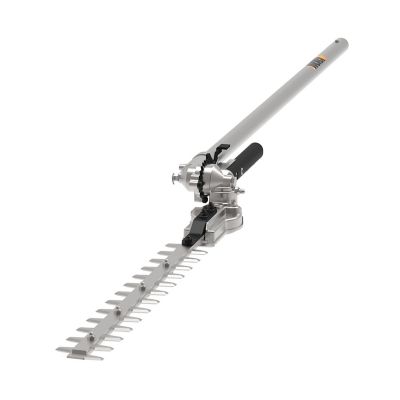
Blade length, tooth spacing, and balance make a noticeable difference once the trimming starts. A longer cutting blade covers more hedge with each pass and can help maintain a broad, even face along a straight row. A shorter blade is easier to steer around individual shrubs, tight corners, and plantings close to a porch railing. Tooth spacing and the manufacturer’s cutting-capacity rating indicate the size of growth a tool is designed to handle; blade length alone does not tell that story. Thick, woody limbs may call for loppers or a pruning saw rather than repeated pressure from a hedge trimmer. Dual-action blades have two moving blade sections and can help limit vibration compared with some single-action designs. Double-sided cutting teeth are a separate feature, allowing cutting along either edge of the blade. Hardened steel blades, blade-tip protection, and sturdy housings are construction details worth comparing, especially where shrubs grow near masonry borders or fence lines. Protective features do not make contact with hard surfaces safe, though; metal fencing, stone, and hidden wire can damage cutting edges. For close shaping around low shrubs, a
handheld hedge trimmer offers direct control without the added length of a pole-style tool. Taller hedges bring working reach into the picture, and an extended-reach design may suit work that would otherwise tempt someone to stretch too far. The right fit still allows stable footing and operation within the tool’s stated limits. Handle spacing, grip shape, and total working weight matter just as much as reach. A tool that feels manageable for one quick pass can feel different halfway down a long hedge, particularly with a battery installed. Wraparound front handles can accommodate different cutting angles, while rotating rear handles on some designs help position the hands for vertical work. Balanced handling supports controlled passes, whether the goal is a straight boundary hedge or a softly rounded shrub beside the front steps.
Electric hedge trimmers fit homeowners tending a few shrubs as well as property owners keeping longer rows from crowding paths, gates, and gathering spaces. The best match depends on the amount of trimming, the type of growth, access to electricity, and the operator’s comfort—not simply the longest blade or largest battery. For someone receiving a trimmer as a gift, existing battery equipment, preferred tool weight, and the height of the hedges are practical details that help make the choice useful. Cutting power is only part of the work, too. Many hedge plants benefit from a shape that leaves the base slightly wider than the top so light can reach the lower growth, although plant species and the desired form should determine the approach. Sharp blades help leave cleaner cuts instead of tearing stems, and regular attention to the cutting assembly helps preserve that performance. Sap, leaf fragments, and grit can collect between blade surfaces, so cleaning requirements and access to recommended blade lubricant are worth considering alongside the tool itself. Before clearing a jam, cleaning, making adjustments, or inspecting the blade, the power source needs to be disconnected according to the manufacturer’s instructions, with the battery removed or cord unplugged as applicable. Blade guards help protect the cutting assembly during storage, and a dry, secure storage spot keeps the tool away from children and unintended handling. Damaged teeth, loose hardware, or unusual vibration call for attention before more trimming. Safe operation also includes eye protection, suitable footwear, and any hearing protection specified for the tool. Both hands belong on the intended grips during operation, with bystanders and pets clear of the work area. A look through the hedge before cutting can reveal tucked-away fence wire, plant supports, or nesting wildlife that a clean outer surface hides. Keeping the cord clear, staying within comfortable reach, and choosing equipment that fits the property all support controlled work and a tidy finish without turning a straightforward yard chore into a struggle.