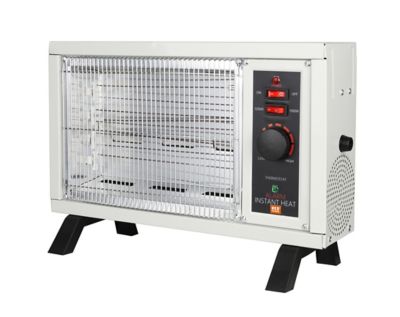
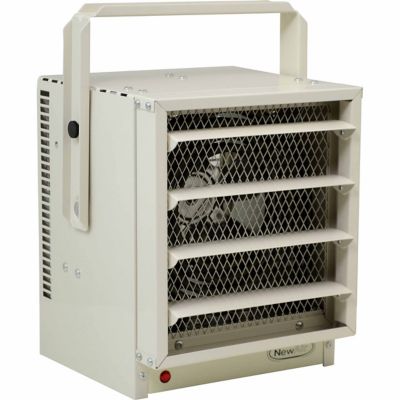
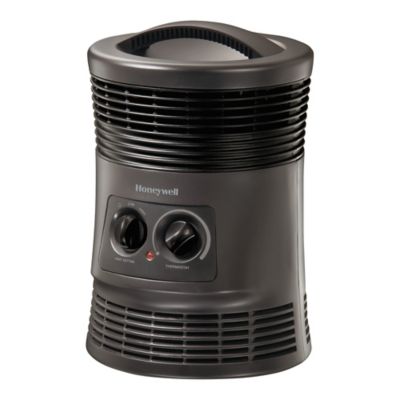
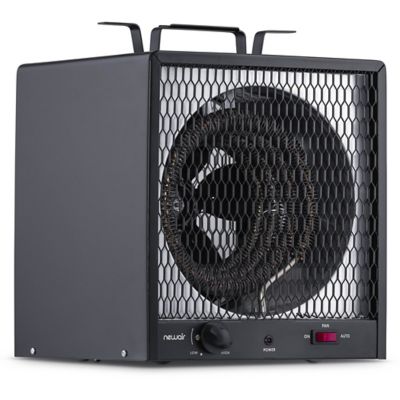
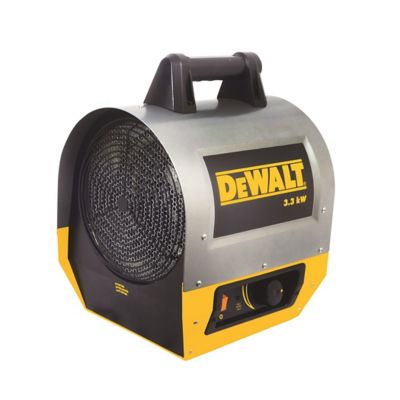
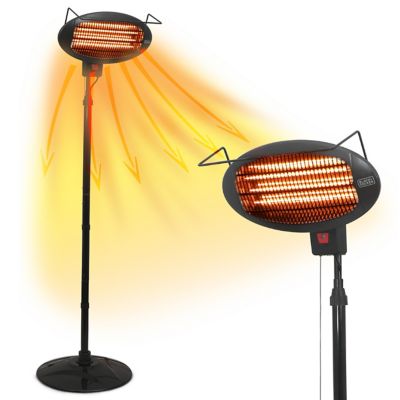
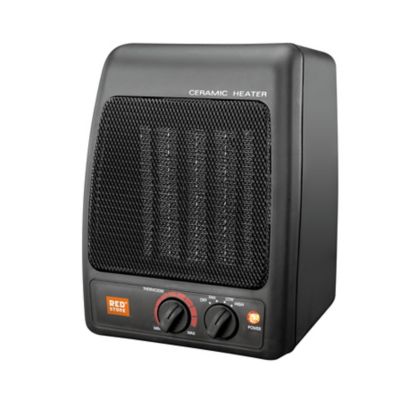
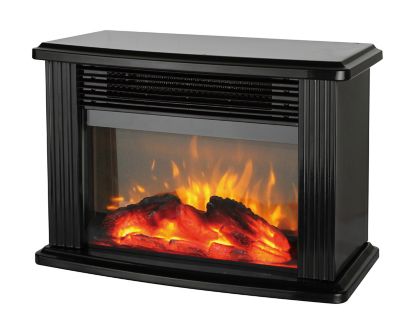
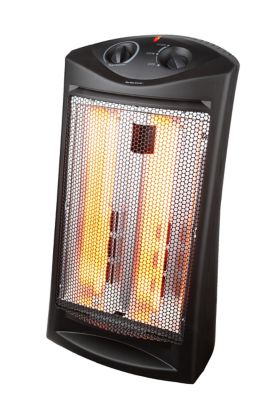
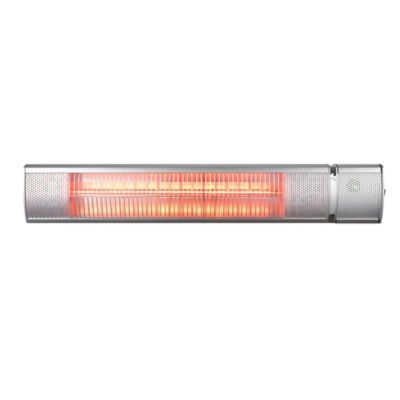
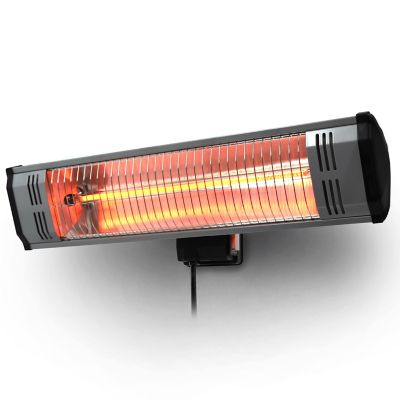
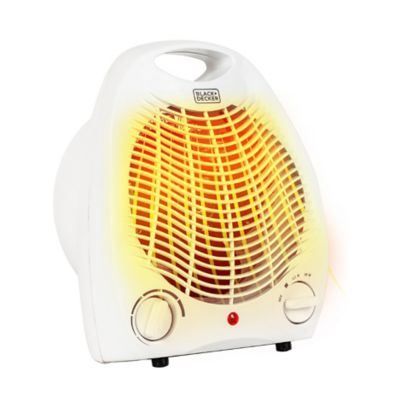
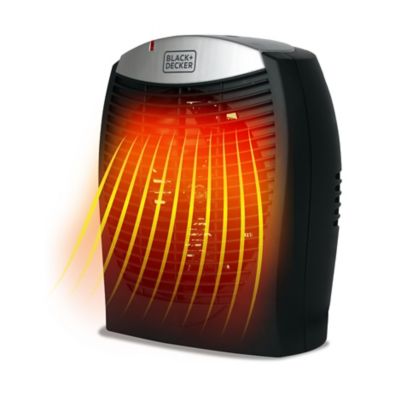
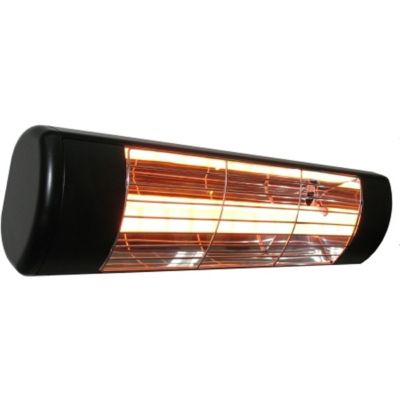
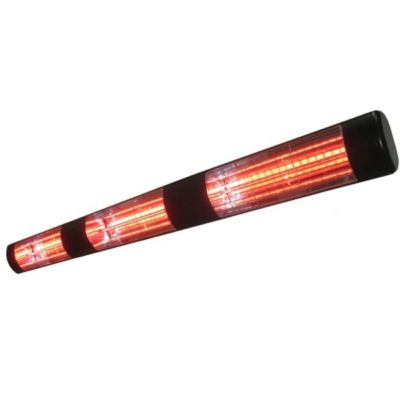
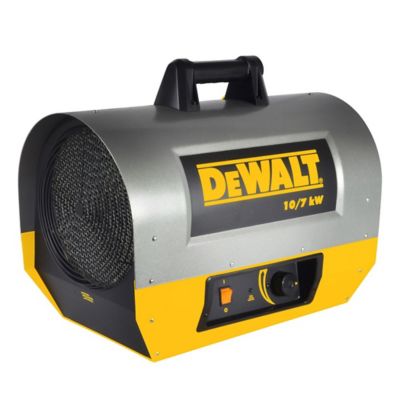
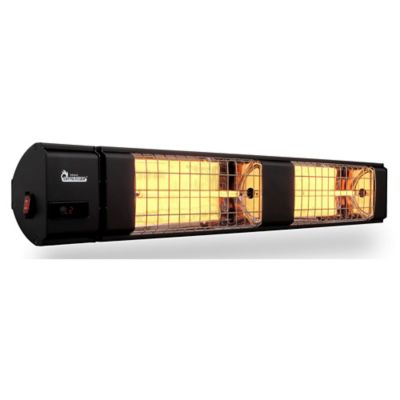
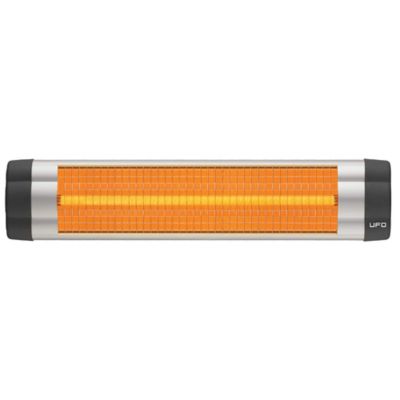
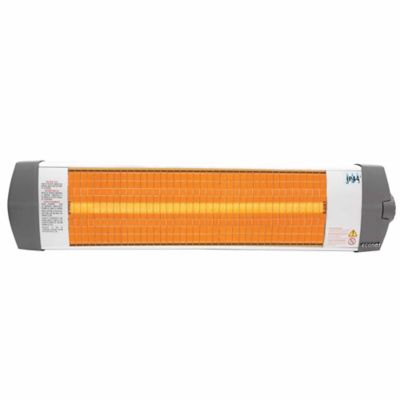
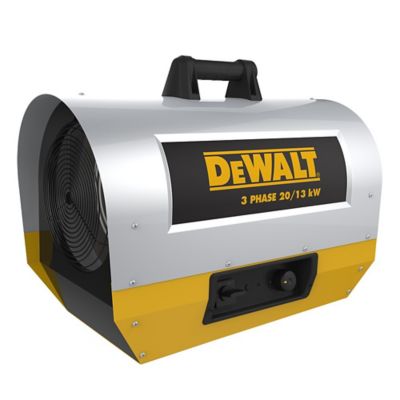
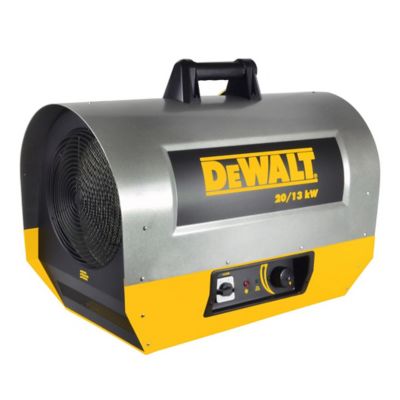
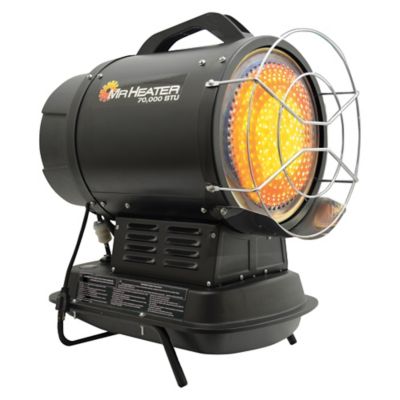
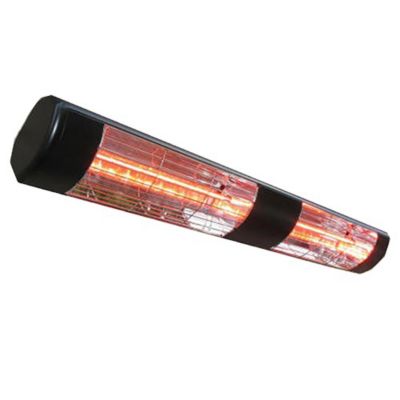
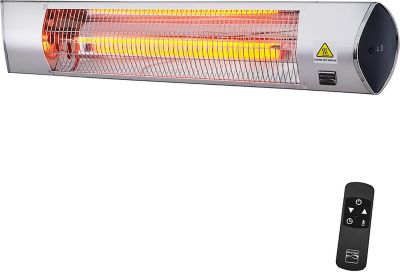
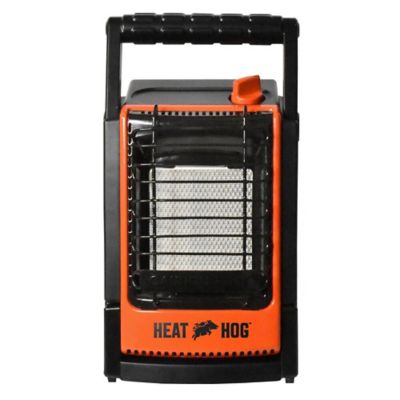
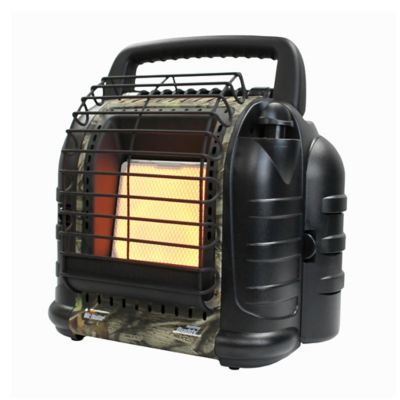
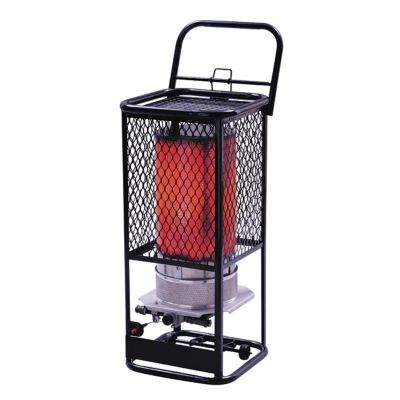
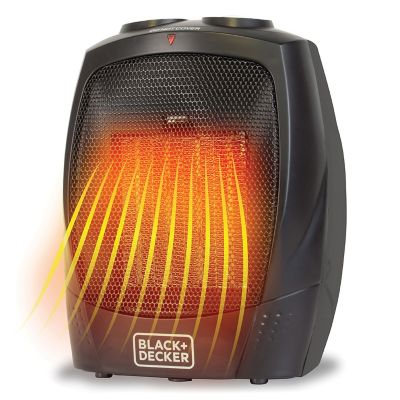
Electric space heaters offer a practical way to warm a particular room, work area or chilly corner without heating the whole house. These portable appliances convert electricity into heat and can help take the edge off during cooler months, whether you are getting ready for an early morning chore, settling into a home office or trying to keep a bedroom comfortable at night. They fit especially well in farmhouses, workshops, garages, cabins, hunting camps and older homes where certain rooms tend to stay colder than the rest. A space heater can also help when the main heating system has not yet been turned on or when one person prefers a warmer room than everyone else. When comparing options, start with the room you want to warm, since a small personal heater may suit a desk or bedside table while a larger model is better for an open living area. As a general point of reference, a 1,500-watt electric heater may warm a space of about 200 square feet, though insulation, ceiling height, drafts and outdoor temperatures all affect results. Ceramic heaters often provide quick spot heating and may include adjustable temperature settings, fan speeds and oscillation. Radiant heaters direct warmth toward nearby people and objects, which can feel comfortable in a quiet sitting area, while fan-forced models move warm air around the room. For a closer look at features and shopping considerations, visit
Best Space Heaters.
Choosing the right electric space heater means balancing heat output, room size, controls, sound level and placement. A thermostat can help maintain a steady temperature instead of running at full power the entire time, and low or eco settings may reduce electricity use when a little supplemental warmth is all you need. A 1,500-watt heater running on high draws 1.5 kilowatt-hours per hour. At an electricity rate of 17 cents per kilowatt-hour, that works out to about 26 cents for each hour of operation; local utility rates vary, so check your electric bill for a closer estimate. Running the heater on a lower setting, warming only an occupied room and turning it off when leaving can help manage operating costs. Keep cords in good shape and plug the heater directly into a wall outlet rather than a power strip or extension cord unless the instructions specifically allow otherwise. Give the unit plenty of open space on every side, keeping it away from bedding, curtains, paper, clothing, hay, sawdust and other items that can catch fire. Set it on a solid, level floor or surface where it cannot be bumped, and keep it out of walkways. Built-in overheat protection and tip-over shutoff are important features, especially in busy homes, workshops and rooms where children or pets may be present. Even with those safeguards, an electric heater should not be left running while everyone is asleep or away from home, and it should never be covered.
Electric space heaters can make thoughtful gifts for someone settling into a drafty farmhouse, outfitting a hunting cabin, building a home office or spending long hours in a workshop. They are also useful for renters and homeowners who want room-by-room comfort without changing the whole-house thermostat. A compact model can sit near a desk during paperwork, sewing or online lessons, while a larger unit may help warm a mudroom after outdoor chores or take the chill out of a finished basement. In a garage or barn office, keep the heater well away from fuel, propane cylinders, paint, bedding, feed, bedding material and fine dust, and confirm that the location and electrical service are suitable before plugging it in. For bedrooms and living spaces, quiet operation may matter more than fan speed, while a busy work area may benefit from a carry handle, simple controls and a broad base. Read the operating instructions from start to finish, check the heater and cord before each season, and clean dust from the air intake as directed so air can move freely. When the weather warms, store the heater in a dry spot where moisture, pests and falling tools will not damage it. With the right size and a safe setup, an electric space heater can bring focused warmth to the places where your household, crew or guests need it most.