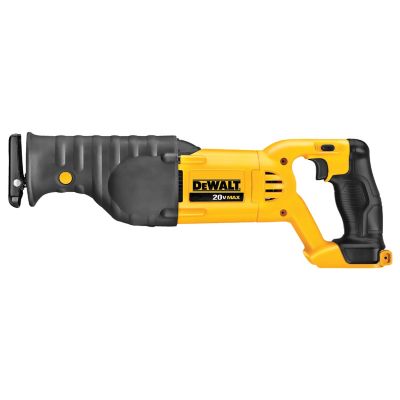
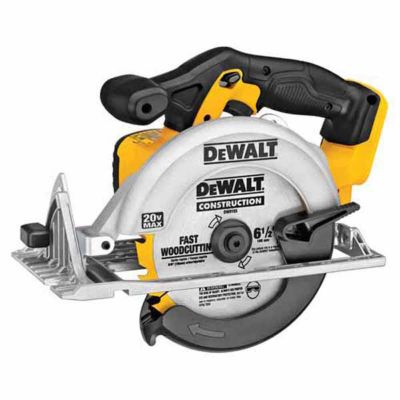
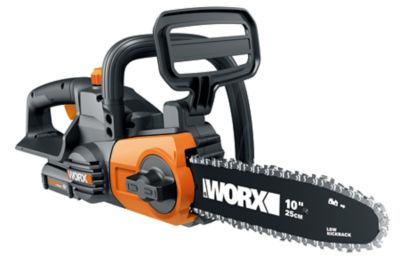
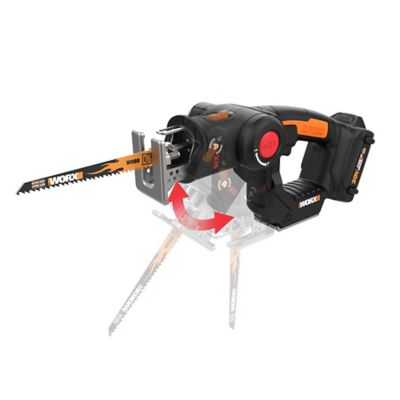
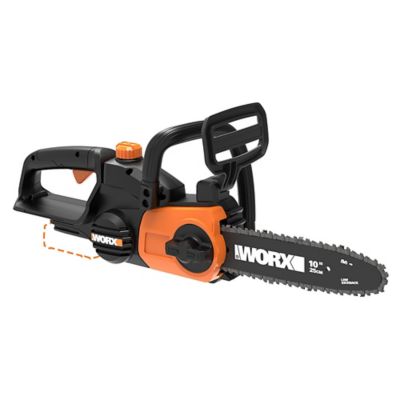
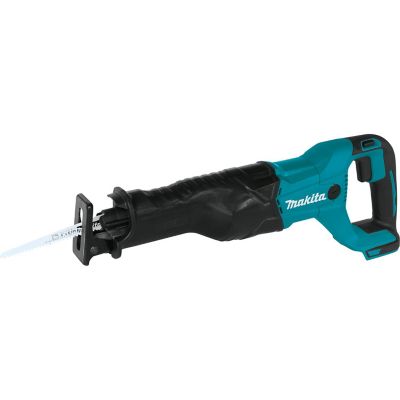
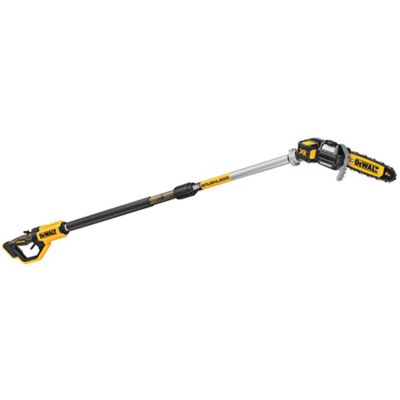
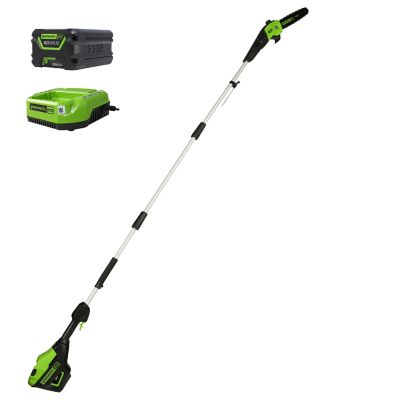
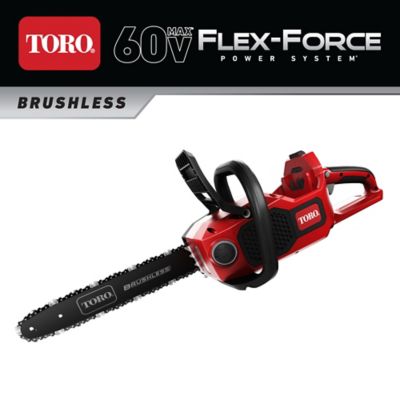
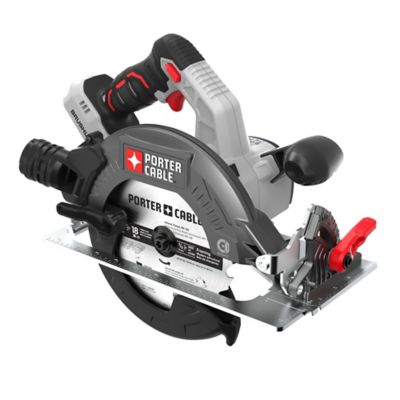
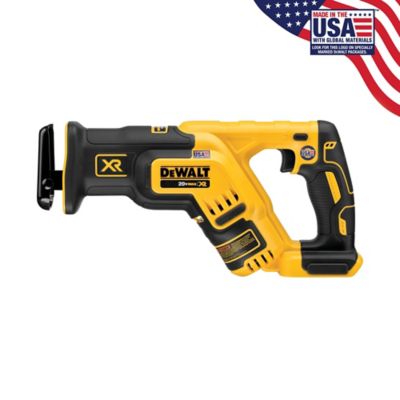
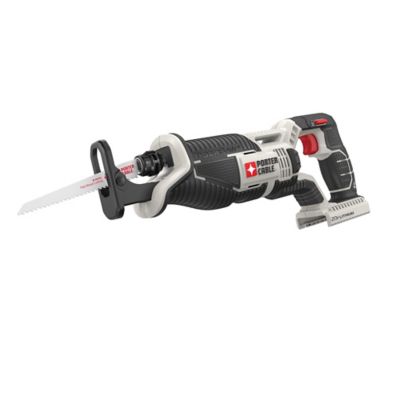
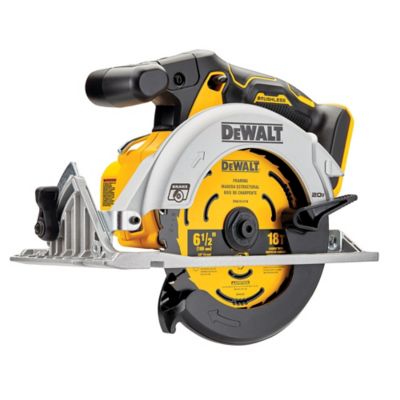
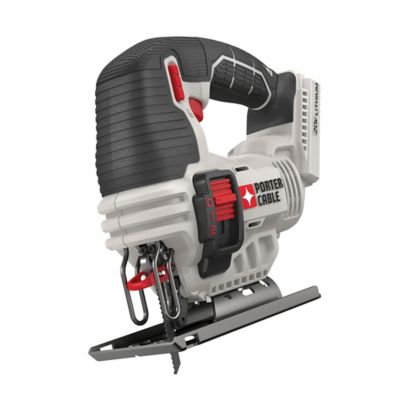
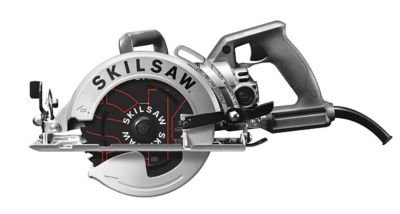
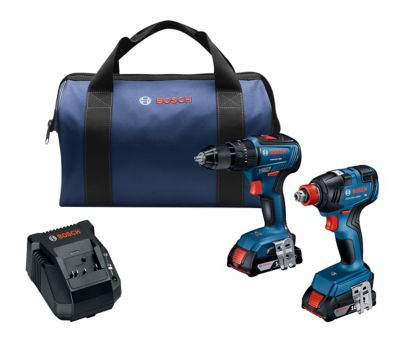
Cordless saws are battery-powered cutting tools that handle jobs without a cord running back to an electrical outlet. They bring cutting power to the work, whether that means trimming boards beside a fence, breaking down plywood outside the shop, or fitting lumber for a feed-room shelf. The main types serve different purposes: cordless circular saws make straight cuts in lumber and sheet goods, reciprocating saws handle rough cutting and tear-out work, and jigsaws cut curves, openings, and shaped edges. A circular saw is a practical match for crosscutting framing lumber or ripping panels with a suitable straightedge or guide. Its blade diameter, cutting depth, and bevel range help determine which board thicknesses and angled cuts it can handle. A reciprocating saw moves its blade back and forth, making it handy for removing old framing or cutting pipe with a blade rated for the material. It favors access and cutting reach over a furniture-ready finish. A jigsaw works with a narrow blade that can follow a curved line, making it useful for rounding a shelf corner or shaping a plywood panel around an obstruction. On a farm or acreage, these differences matter because replacing a stall board calls for a different cut than removing a damaged section of pipe. For homeowners, woodworkers, maintenance crews, and folks who spend their weekends fixing things, the right saw starts with the work it needs to do most often. Battery power cuts down on cord management, but the tool still needs room to operate safely, firm footing, and a supported workpiece. Portability is especially helpful where carrying each board back to a bench would take longer than the cut itself. A compact saw can suit smaller repairs and tighter spaces, while a larger model may provide the cutting capacity needed for thicker material. Neither size is the best fit for every task; blade clearance, tool control, and the finish the project calls for all play a part.
Battery compatibility, balance, and blade choice have just as much bearing on everyday usefulness as the saw’s shape. Cordless saws belong to battery platforms, and matching voltage alone does not establish that a battery will fit or operate safely. Compatibility depends on the manufacturer’s stated system requirements, including the charger. For a shop that also runs
cordless drills, a compatible battery platform can simplify moving between cutting boards and drilling fastener holes. Battery capacity affects how much work a charge can support, although runtime also varies with the saw, blade, material, and how hard the tool is working. A higher-capacity pack may extend working time while adding weight, a tradeoff that becomes noticeable when carrying tools along a fence line or making repeated cuts. Brushless motors can offer efficiency and reduced motor maintenance, but cutting performance still depends on the complete tool and its setup. Grip shape, trigger placement, and balance with the battery attached matter when a saw needs to stay steady along a marked line. On circular saws and jigsaws, a rigid shoe or base provides support against the workpiece, while clear depth and bevel adjustments help with repeat setups. Blade material and tooth pattern also deserve attention. Carbide-tipped circular saw blades are common for lumber and sheet goods; blade designs with more teeth generally favor a finer finish, while fewer teeth often suit faster rough cuts within the blade’s intended application. Reciprocating saw and jigsaw blades come in different lengths, widths, tooth counts, and materials for tasks ranging from wood cutting to working through certain metals. A blade meant for clean wood is not automatically suitable for a board containing nails. The blade’s rating, mounting style, and size must match both the saw and the job. That match helps limit splintering, binding, and needless strain, whether the finished edge will show on a shelf or disappear inside a framed wall.
Long service life comes from a combination of sound construction, sensible handling, and routine care. Farm and shop work exposes tools to sawdust, grit, and the occasional bump, so housing construction, adjustment mechanisms, and protection for the battery connection are worth considering. Metal components such as a circular saw’s shoe need to stay straight, and guards must move freely as designed. Features such as an electric brake, a work light, or tool-free blade changes can make a saw more convenient to handle, though none takes the place of proper operating habits. Removing the battery before changing a blade, clearing a jam, or making adjustments helps prevent an unintended start. Sharp, undamaged blades cut with less forcing than dull or bent ones, and a blade that wanders, burns the cut, or leaves an unusually ragged edge deserves inspection. After a dusty job, cleaning the tool according to its manual and keeping ventilation openings clear helps it stay ready for the next repair. Batteries and chargers need storage and charging conditions that follow their instructions, with terminals protected from loose screws, nails, and other metal objects. A case or designated shelf keeps saws from knocking against other tools and gives blades a place where their teeth will not catch an unsuspecting hand. During cutting, eye and hearing protection, appropriate dust controls, and clamps or other suitable supports help keep the task manageable. Before cutting into existing walls, boards, or pipe, checking for wiring, plumbing, hidden fasteners, and other hazards matters as much as choosing the blade. A supported offcut and a clear cutting path can make the difference between a smooth pass and a pinched blade. Cordless saws can also make a thoughtful gift for someone setting up a workshop or taking on property repairs, especially when the saw type and battery system match the tools they already own. For everyday work, the most useful choice is the one that fits the material, feels manageable in hand, and has the capacity to finish the task without pushing the tool beyond its limits.