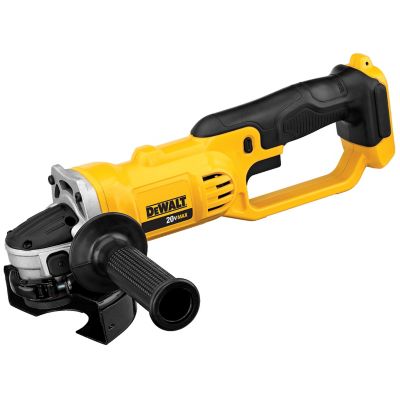
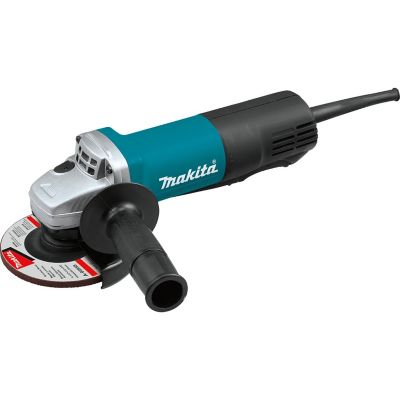
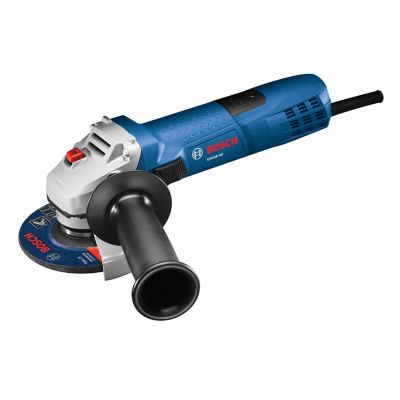
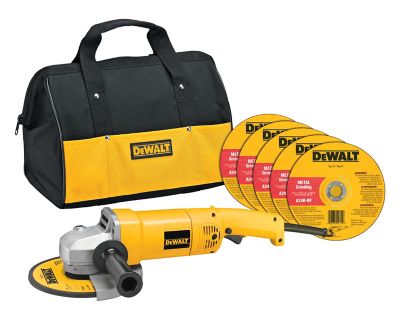
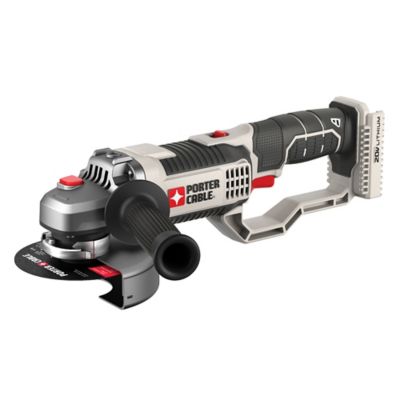
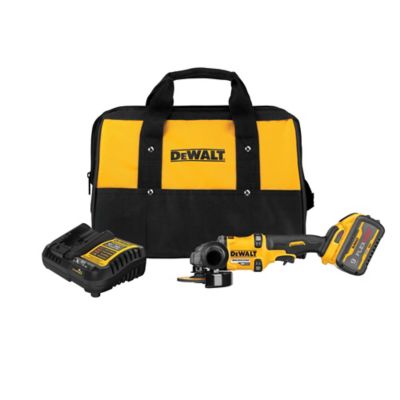
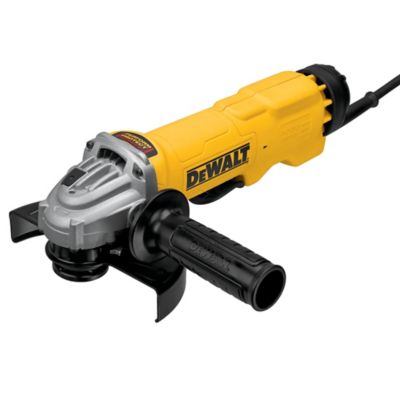
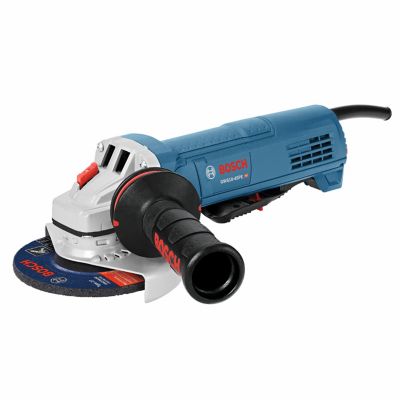
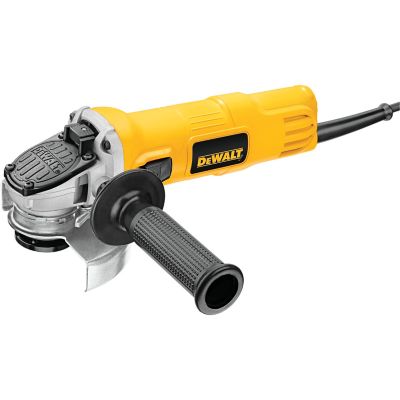
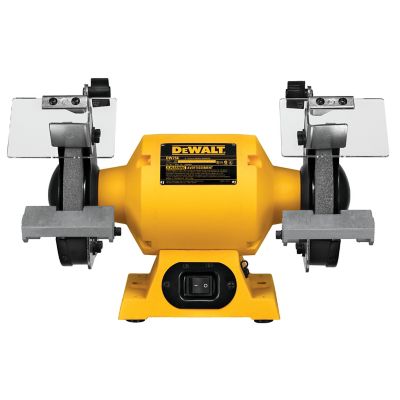
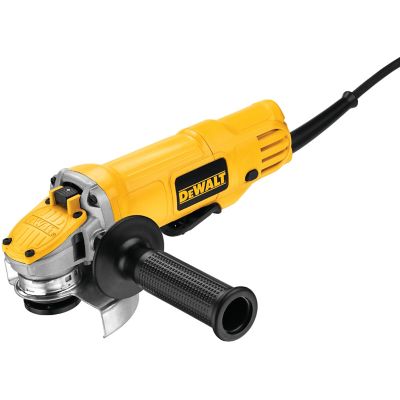
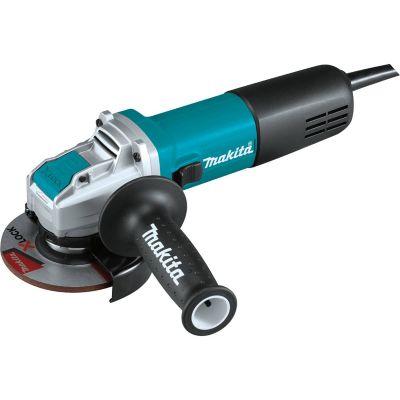
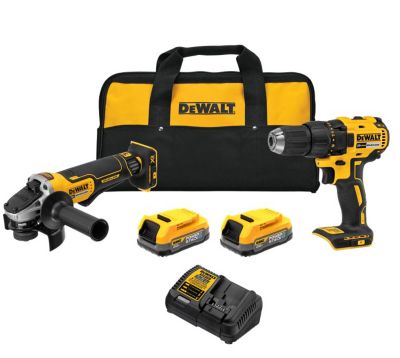
Electric grinders for farm, shop, and jobsite work are power tools that spin an abrasive wheel, disc, or attachment to remove material. They help knock rust off steel, smooth a rough weld, shape a metal edge, and prepare surfaces for another round of work. The main types include angle grinders for handheld grinding and surface preparation, bench grinders for stationary sharpening and shaping, and die grinders for detail work in tight spaces. Each handles material differently, so the shape of the workpiece and the finish you want matter as much as motor power. An angle grinder lets you bring the tool to a gate hinge, trailer bracket, or piece of fabrication clamped to a workbench. Its right-angle head gives the operator room to approach edges and broad surfaces. A bench grinder stays mounted while the workpiece moves against the wheel, making it a practical fit for repeated shaping tasks and sharpening compatible tools. Adjustable work rests and shields support that style of work, while a sturdy mounting surface helps limit vibration.
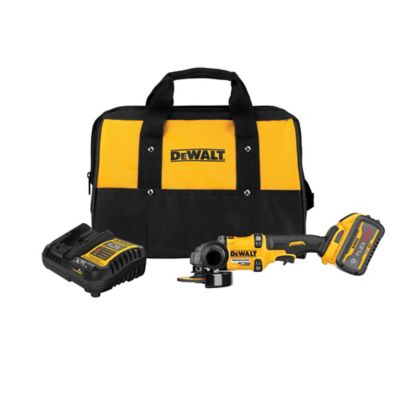
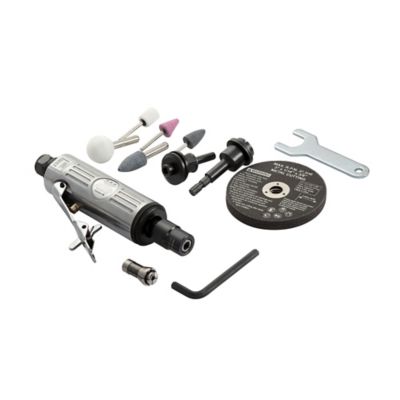
Die Grinders have a slim working end that reaches inside openings and around contours where a larger wheel cannot fit. With approved mounted points or rotary burrs, they can help clean up casting edges and blend small areas of metal. Corded electric grinders draw power from an outlet, while cordless versions run on rechargeable batteries. A corded setup suits a fixed work area with suitable electrical access; cordless power gives you more freedom around equipment and projects away from the bench. Battery compatibility matters when matching a cordless grinder with chargers and packs already in the shop. For farmers keeping equipment in working order, welders cleaning up fabrication, and homeowners handling repairs, these differences help separate an everyday grinding setup from one built around a particular task.
The material under the wheel has a big say in the setup. Steel welds, stainless steel tubing, aluminum parts, and masonry do not all call for the same abrasive or attachment. Wheels and accessories need to match both the material and the operation, whether that means removing a heavy ridge of weld metal or leaving a smoother surface before finishing. Some angle grinders also support cutting, sanding, or wire brushing, but only with attachments and guards approved for that tool and task. A thin cutoff wheel is not a substitute for a grinding wheel, and side pressure can break an attachment that is not designed for it. Wheel diameter, arbor size, and attachment style all need to fit the grinder; an accessory’s maximum operating speed must meet or exceed the tool’s rated speed. Bigger wheels offer different reach and working capacity, but they also change the tool’s size, handling, and guard requirements. Motor amperage on corded tools and voltage on cordless tools provide useful context, though neither number alone tells the whole story about grinding performance. Power delivery, wheel choice, battery capacity, and the demands of the material all play a part. Variable-speed control can help match an approved attachment to its intended work, especially when a finish calls for a lighter touch. For a long pass along a welded seam, handle position, tool weight, and vibration matter just as much as the ability to remove metal. An auxiliary handle that fits your grip helps with two-handed control, while a switch that is easy to reach with work gloves can make operation less awkward. Paddle switches, slide switches, braking systems, and restart protection have different operating characteristics worth comparing. On a bench grinder, wheel spacing, work-rest adjustment, base stability, and clearance around the machine affect how comfortably a part can be supported. Enough room for a long tool handle or an odd-shaped bracket makes a real difference at a crowded farm-shop bench.
A grinder earns its place in the shop through repeated jobs, so construction and upkeep deserve a close look. Housing design, gear protection, bearing support, and access to serviceable parts can affect how well a tool holds up to regular work. Sealed controls and protected ventilation openings may help manage exposure to grinding debris, but no electric grinder benefits from a buildup of metal dust around its motor. Care starts with following the manufacturer’s cleaning and maintenance directions, keeping cooling passages clear, and checking cords, plugs, batteries, and attachment hardware for damage. Unplugging a corded tool or removing the battery before changing attachments helps prevent an unexpected start. Abrasive wheels need careful storage away from impacts and moisture, along with inspection before installation; cracks, chips, and other damage are reasons to take a wheel out of service. Guards belong in place, and bench-grinder work rests and shields need adjustment as directed as wheels wear down. The work area matters, too. Grinding throws sparks and debris, so a clear space away from fuel, dry grass, bedding, and other combustible material is essential around a barn or equipment shed. A securely clamped workpiece leaves both hands free to control a handheld grinder. Safety glasses, appropriate face protection, hearing protection, and task-appropriate respiratory protection belong alongside the tool, with clothing and hair kept clear of rotating parts. Grinding dust requires attention to the material involved, particularly with coatings, masonry, or unknown surfaces. Intended workload also matters when choosing between a compact tool for occasional bracket cleanup and a larger setup for frequent fabrication. Electric grinders can make practical gifts for people who weld, restore farm equipment, or spend their spare time building in the shop, provided the tool suits their experience and existing setup. Matching the grinder to familiar tasks, compatible accessories, and a workable maintenance routine helps make it a useful addition rather than another tool taking up bench space.