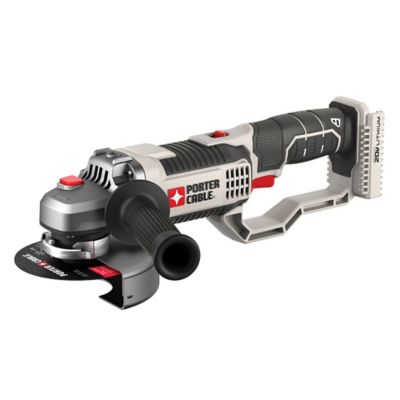
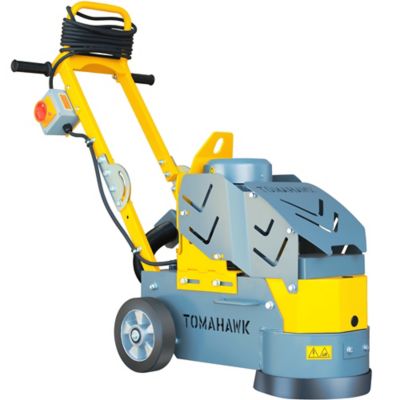
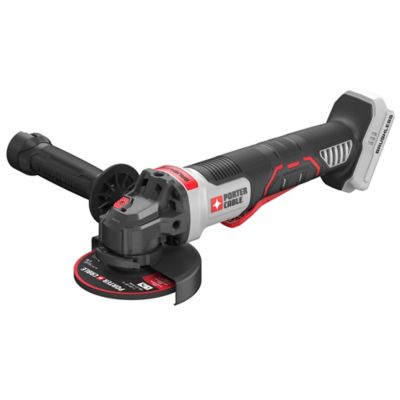
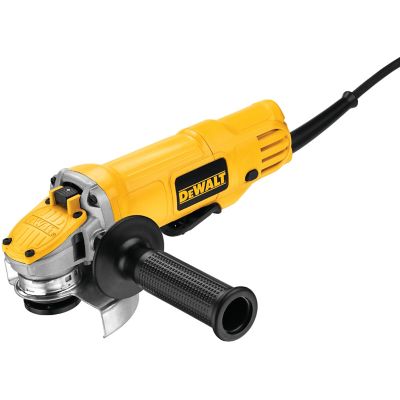
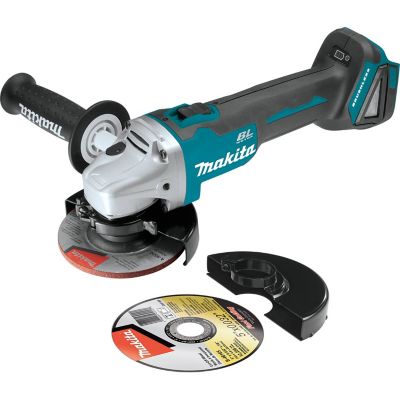
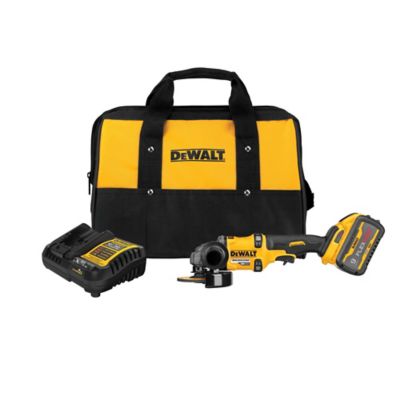
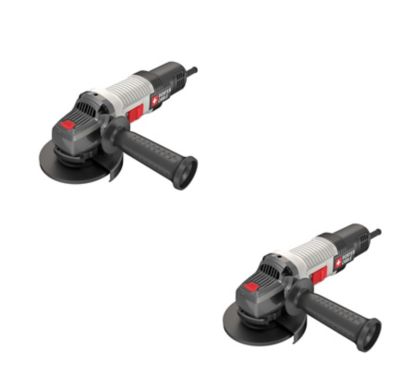
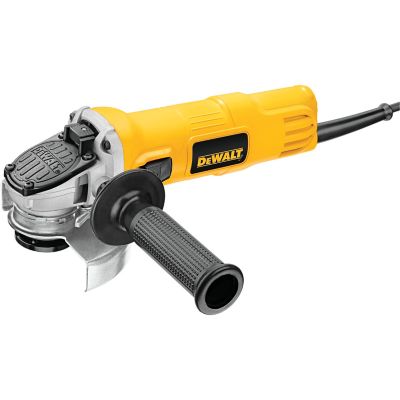
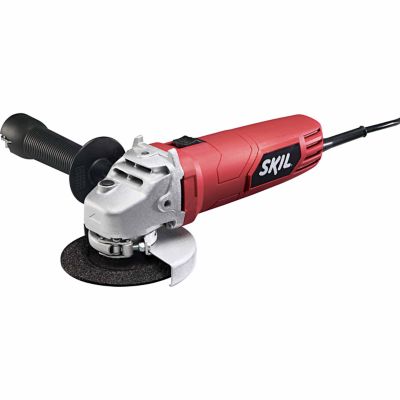
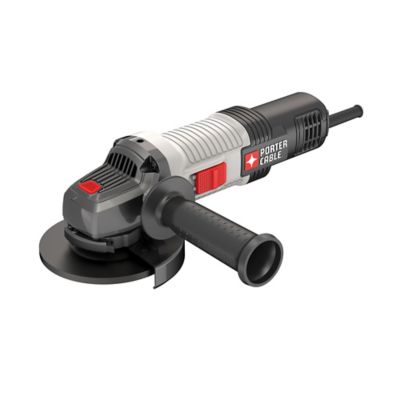
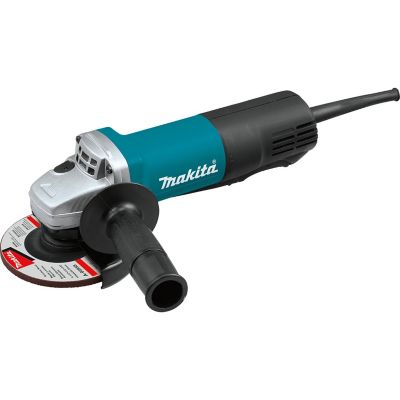
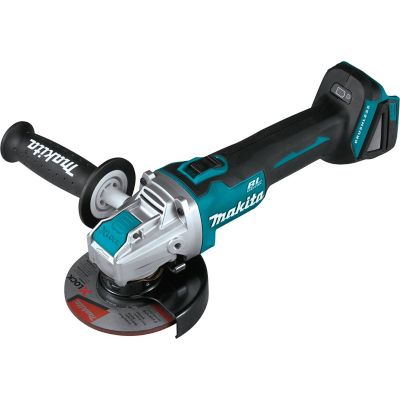
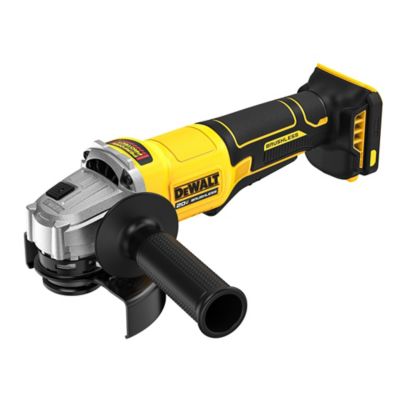
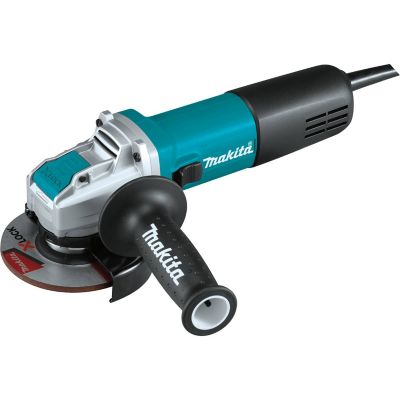
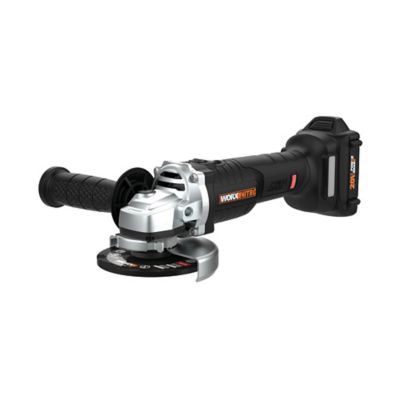
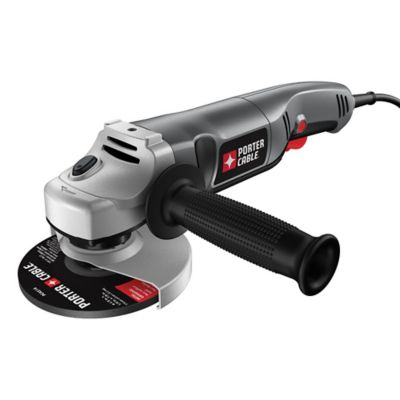
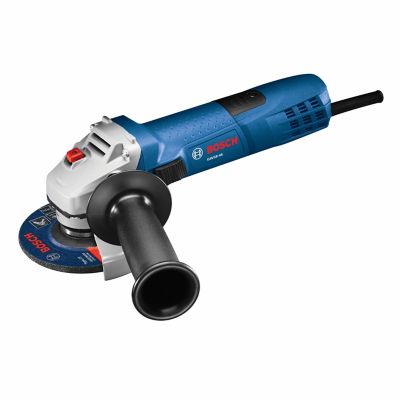
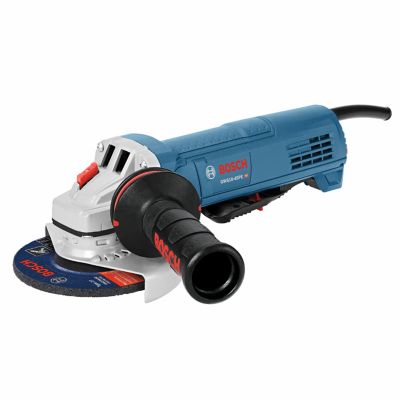
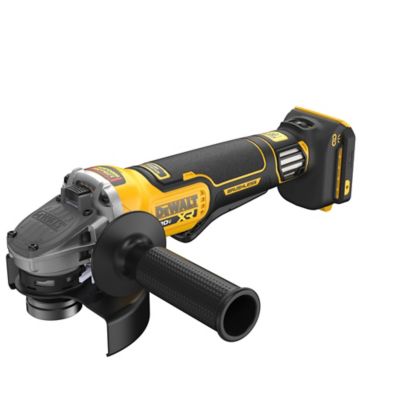
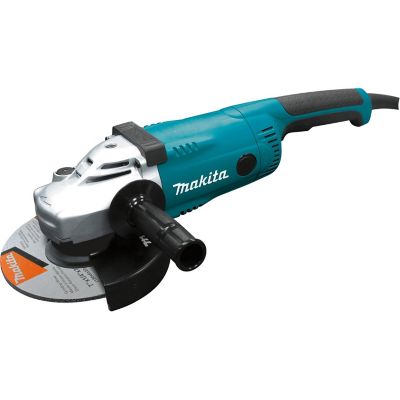
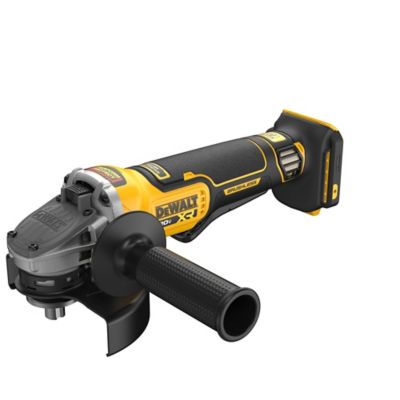
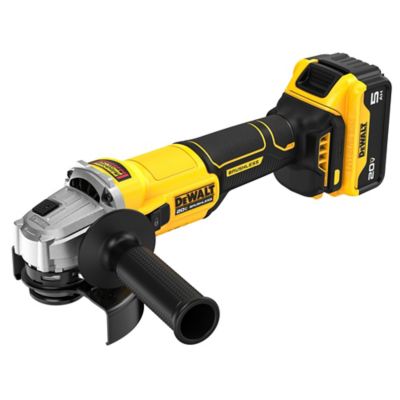
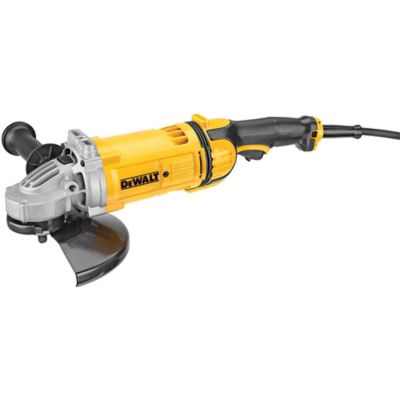
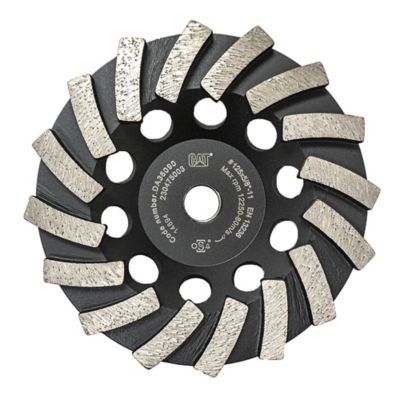
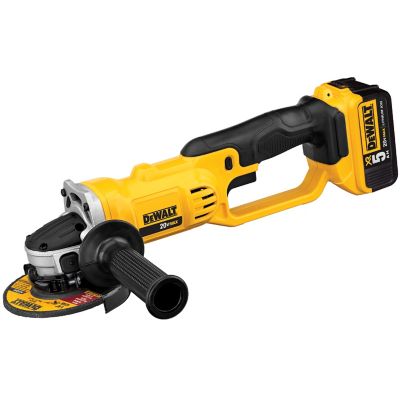
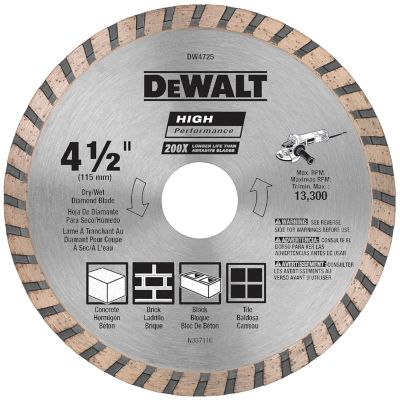
Angle grinders for concrete grinding are handy tools for cleaning up rough masonry, smoothing uneven edges and knocking down minor high spots on slabs, steps, pavers and other concrete surfaces. They are especially useful when a large machine would be too much for the job or when you need to work along a wall, around a post, beside a threshold or in another tight spot. A properly fitted diamond cup wheel is the key to grinding concrete; standard metal grinding wheels are not made for this material and will not deliver the same results. As you compare options, think about the size of the work area, the amount of material that needs to come off and how much control you need around corners and edges. A 4.5-inch to 7-inch grinder is commonly suited to handheld masonry work, edging and smaller repair jobs. Smaller grinders are easier to maneuver and less tiring during detail work, while larger models may cover more surface with each pass. For tougher removal, a corded grinder with roughly 10 to 14 amps can provide steady power without relying on a battery charge, though cordless models may be convenient for fence lines, outbuildings, remote repairs and other places where an extension cord is hard to manage. Look for a grinder with a sturdy guard, a comfortable two-hand grip, a side handle that can be positioned for left- or right-handed use and a switch that is easy to control while wearing work gloves. Variable-speed operation can be useful when a project calls for a lighter touch, while overload protection and a soft start may help make demanding work more manageable. A grinder can help a homeowner freshen up a garage floor before a coating project, help a farmer remove a stubborn ridge from a barn walkway and give a remodeling crew better control when preparing a concrete opening. It can also be a practical gift for a handy family member, maintenance worker or do-it-yourselfer who enjoys keeping the shop and property in good repair.
Concrete grinding creates more than just a little mess. Fine dust can travel through a work area, settle on tools and equipment and irritate the eyes and lungs, so dust control should be part of the purchase decision. A compatible dust shroud connected to a properly rated shop vacuum can help capture dust at the wheel, and wet methods may be suitable for some outdoor applications when the grinder and work area are designed for that use. Do not mix water with a tool or electrical setup unless the manufacturer specifically allows it. Wear safety goggles or a full face shield, hearing protection, sturdy gloves, long sleeves, work boots and respiratory protection selected for the conditions. Concrete dust may contain respirable crystalline silica, which can cause serious health problems when inhaled, so follow the tool instructions, the abrasive wheel instructions and applicable workplace requirements. Keep bystanders, children, pets and livestock away from the work area, especially when grinding around a homestead or open shed. Before starting, inspect the wheel for damage, confirm that it is rated for the grinder and the intended masonry work, install the guard and make sure the side handle is tight. Clear away loose gravel, nails, wire, flammable materials and anything else that could catch the wheel or become a projectile. Check the concrete for hidden fasteners, embedded metal, cracks and edges that could break loose. An angle grinder is best for localized work and surface preparation, not for taking down large sections of concrete or replacing a dedicated concrete saw or floor grinder. For broader removal needs, explore additional
Concrete Removal Tools that may better match the size and depth of the job.
For a cleaner finish, let the grinder and diamond wheel do the cutting instead of forcing the tool into the slab. Hold the grinder firmly with both hands, keep your feet planted and lower the wheel gradually until it meets the concrete. Work with the wheel flat or at the angle recommended by the wheel manufacturer, then move in a smooth, steady back-and-forth pattern. Keep the grinder moving so it does not dig a deep groove or leave an uneven dip in one place. Heavy pressure can overheat the tool, wear the wheel faster and make it harder to control, while light, even passes usually give you a better surface. Start in an inconspicuous area when possible, particularly if you are removing paint, adhesive or a thin coating and are unsure how the concrete will respond. Pause often to check your progress, clear dust from the work area and let the tool cool if it begins to feel unusually hot. When working near an edge, use extra care because the wheel can catch, climb or chip the corner. During the cooler months, an indoor shop or garage can be a comfortable place for concrete repair, but ventilation and dust collection still matter, and doors should be managed so dust does not drift into living areas or animal spaces. Outdoors, keep cords, vacuum hoses and work surfaces dry, and plan around changing weather so the area stays safe underfoot. With the right wheel, enough power, dependable dust control and steady handling, an angle grinder can be a useful part of the toolbox for small concrete repairs, surface preparation and cleanup around the farm, home, shop or jobsite.