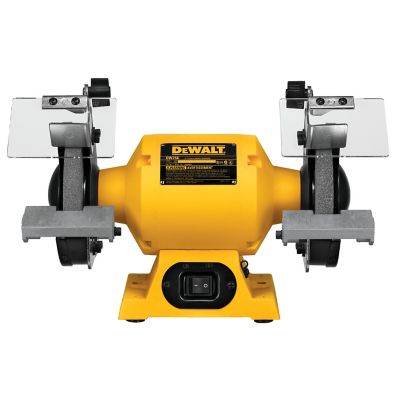
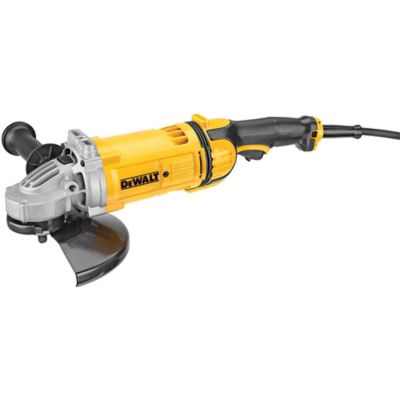
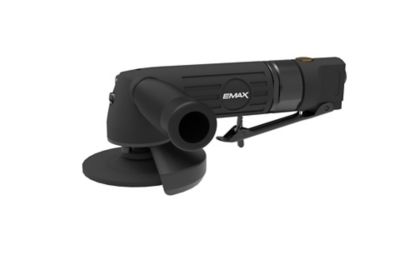
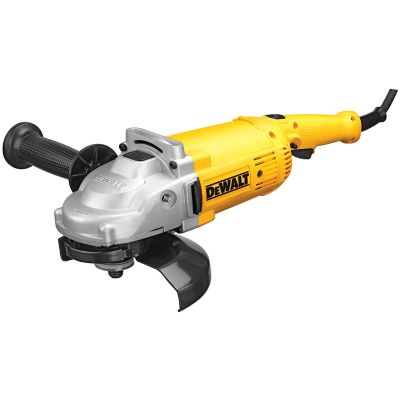
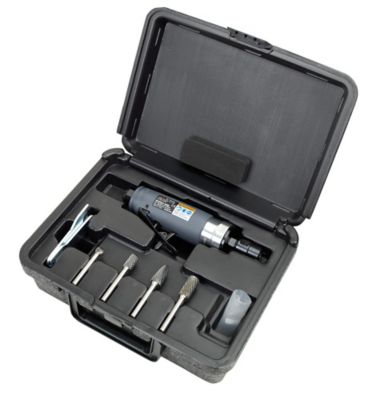
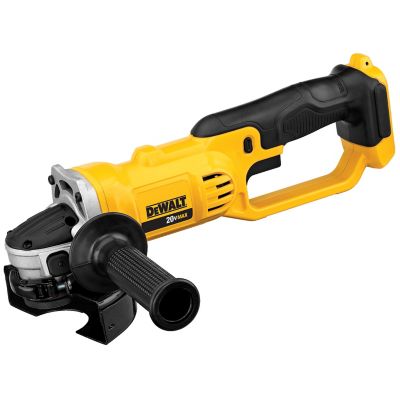
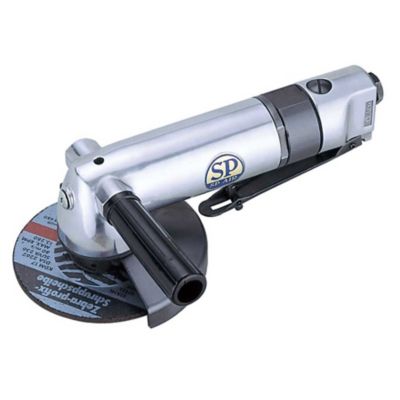
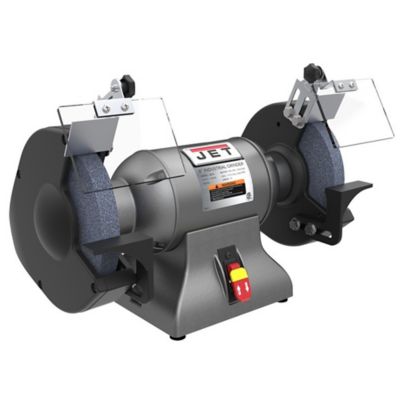
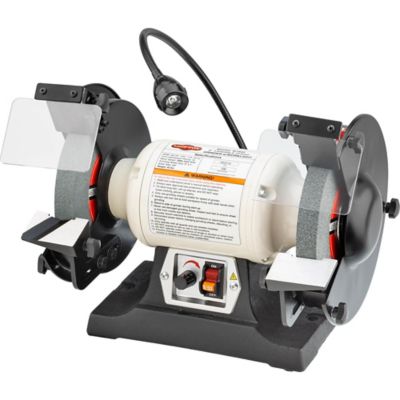
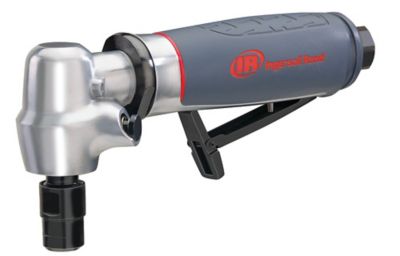
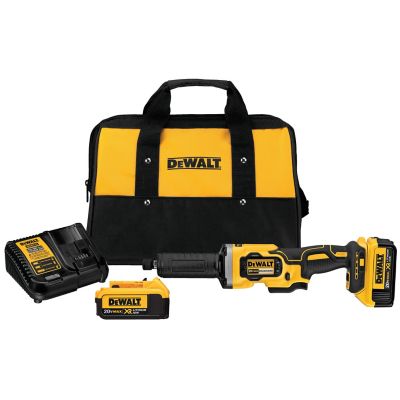
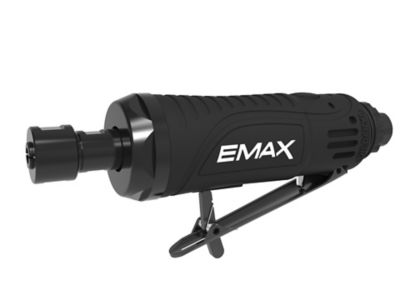
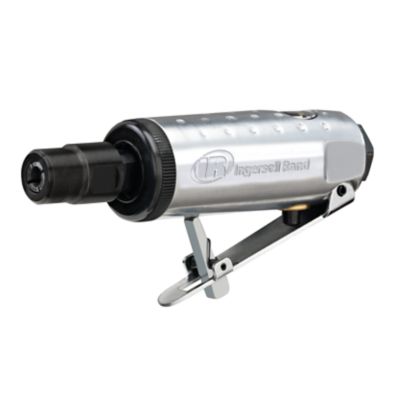
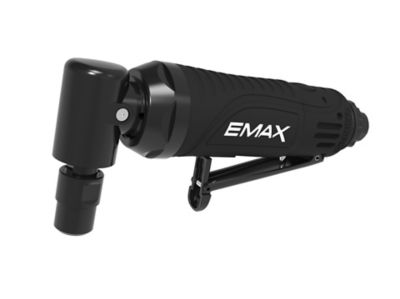
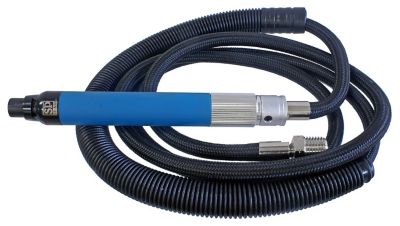
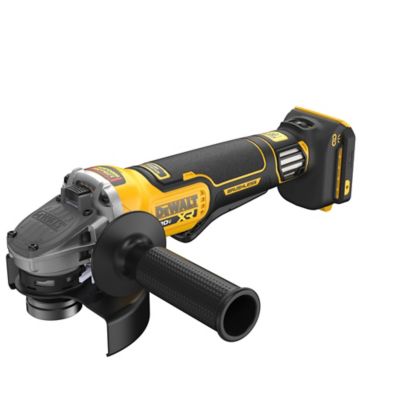
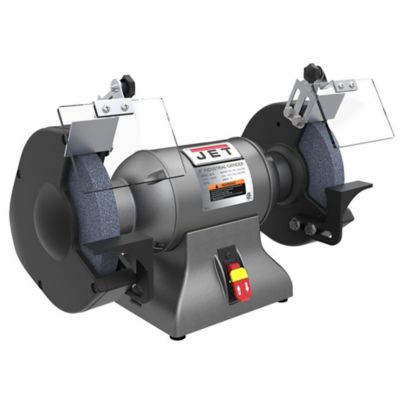
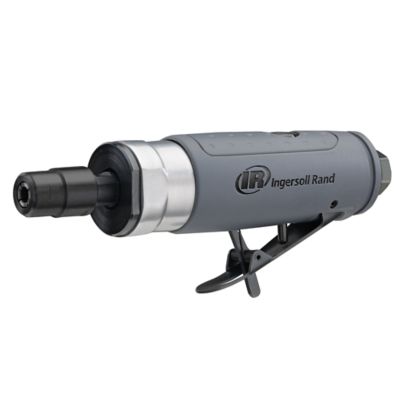
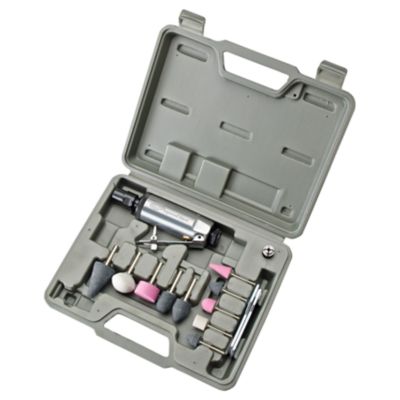
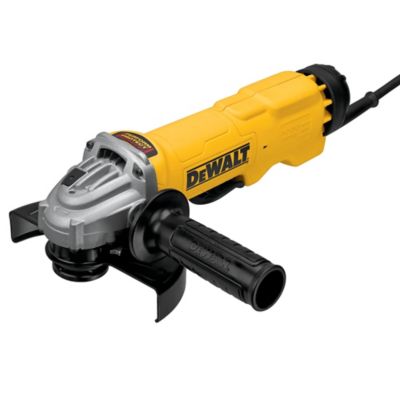
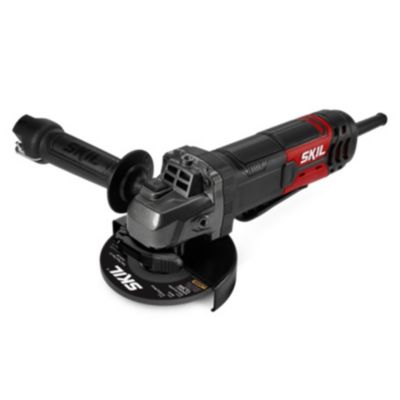
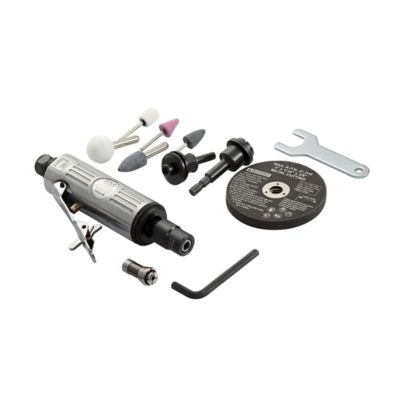
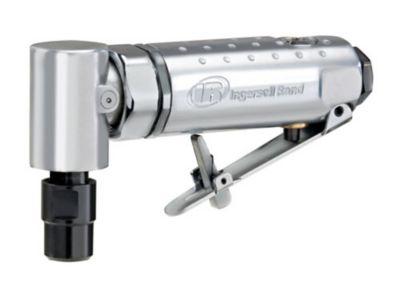
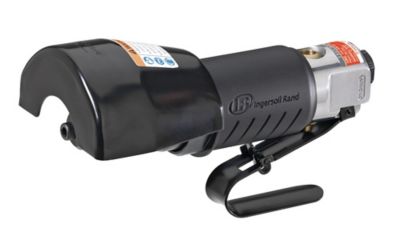
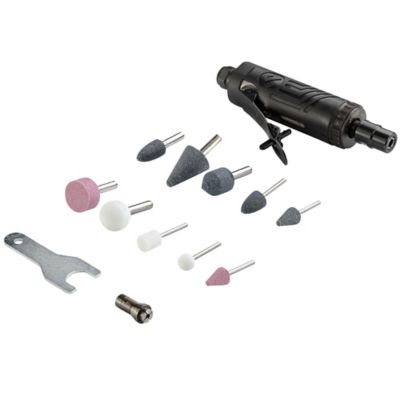
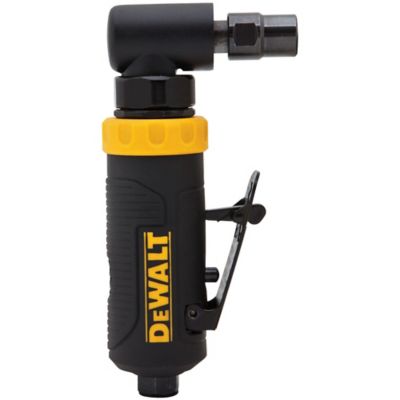
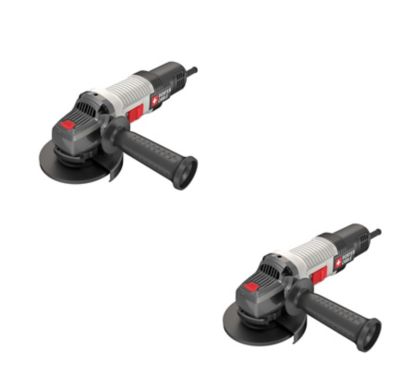
High-speed grinders are built for jobs where steady power and quick material removal matter. Depending on the style, these tools may run at roughly 3,450 RPM for a bench grinder or from about 5,000 to more than 11,000 RPM for a handheld angle grinder. That speed helps clear away weld beads, smooth rough edges, shape metal, cut fasteners, clean up fabrication work and prepare surfaces for paint or repair. An angle grinder gives you the reach and movement to work on gates, trailers, equipment, pipe and other larger pieces, while a die grinder is better suited to smaller areas, tight corners, deburring and detailed shaping. Straight grinders use a longer, in-line design that can reach inside castings, tubing and other hard-to-access spots. Bench grinders stay in one place on a workbench and are handy for sharpening, rough shaping and cleaning tools, hardware and small parts. The right grinder depends on the work at hand, whether you are maintaining farm equipment, building a handrail, repairing a trailer or keeping a busy home workshop in good working order. For jobs that call for a more compact tool, browse
Small Grinders as another option for detail work and light-duty projects.
Before choosing a high-speed grinder, match the tool’s design and power source to the way you work. Corded models can make sense for a fixed shop or a long repair session near an outlet, while cordless options are convenient around a barn, fence line, work truck or remote jobsite. Pneumatic die grinders can be a practical fit for a well-equipped shop with an air compressor. Check the grinder’s rated RPM and compare it with the maximum safe speed marked on each wheel, brush or accessory; an attachment should never be operated faster than its rating. Also pay attention to disc diameter, arbor or collet size, guard style, handle placement and the way the tool feels in your hands. A comfortable grip and manageable weight make a real difference when you are cleaning several feet of weld or working overhead. Variable-speed control can offer more flexibility, but high speed is not the answer for every job. Fast rotation removes material quickly from steel and other tough surfaces, yet it also builds friction heat. That heat can discolor metal, damage a cutting edge or ruin a fine tool if you lean too hard or stay in one spot. Use light, controlled pressure, keep the accessory moving and let the grinder do the work. For sharpening delicate carbon-steel tools, a slower bench grinder or wet-sharpening setup is often a better choice than a high-speed wheel. Select the accessory for the material and task, too: cutting discs are made for cutting, grinding wheels for stock removal, flap discs for blending and finishing, and wire wheels for rust, scale and debris. Never substitute an accessory simply because it fits the arbor.
High-speed grinders earn their keep in places where work gets dirty, physical and hands-on. A farmer may use one to dress a worn edge on a loader bucket, trim a stubborn bolt or clean rust from a hitch before a repair. A rancher or fence builder can use one to smooth cut ends, prepare welded joints and handle maintenance between jobs. In a garage, these tools help with vehicle projects, mower repairs, metal furniture, fabrication and general upkeep. They can also make a thoughtful gift for someone setting up a first shop, a mechanically minded homeowner, a welder, or a do-it-yourselfer who enjoys turning salvaged metal into something useful. Safety deserves the same attention as power. Wear safety glasses or a full face shield, hearing protection, sturdy gloves and clothing that will not catch on a rotating part; add respiratory protection when the material or finish creates harmful dust, and use spark-resistant work practices where appropriate. Keep guards and handles installed, inspect wheels for cracks or damage, unplug or remove the battery before changing accessories, and clamp down loose work instead of holding it in your hand. Direct sparks away from dry bedding, fuel, sawdust, livestock areas and other flammable materials, and give hot metal time to cool before handling it. During the warmer stretch of the year and into the cooler months, a grinder may move between outdoor repairs and an indoor shop, so keep it clean, dry and protected from moisture. With the right speed, accessory and technique, a high-speed grinder can become one of the most useful tools on the farm, in the garage or at the workbench.