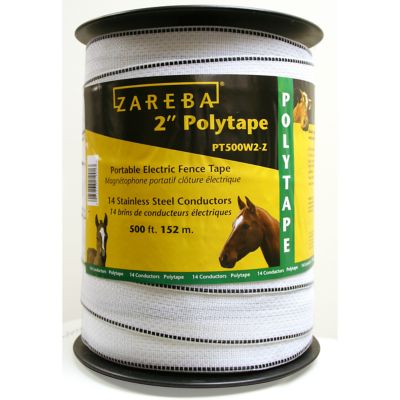
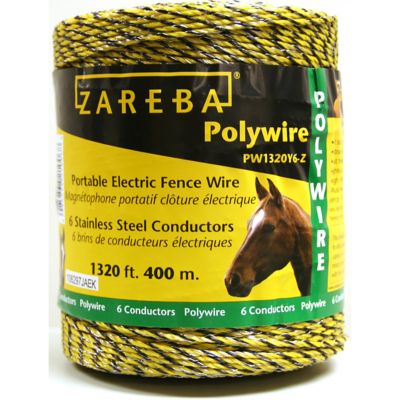
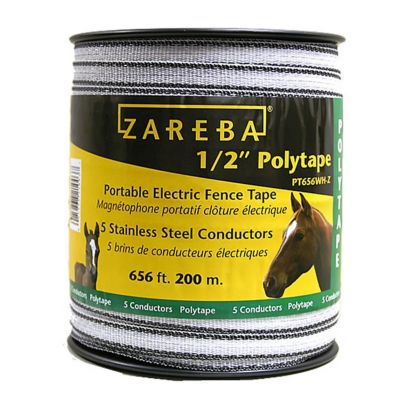
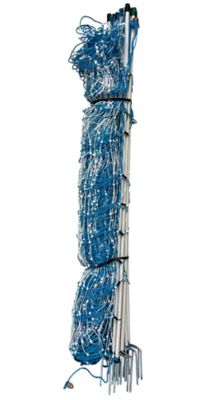
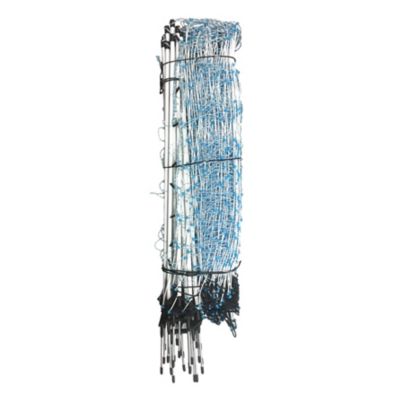
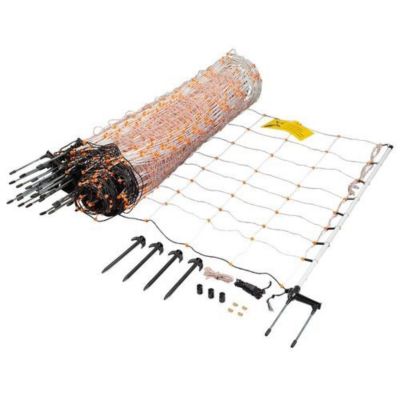
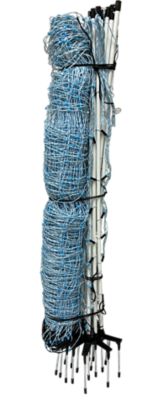
When it comes to keeping sheep safe and where they’re supposed to be, electric fencing for sheep is a tried-and-true solution that’s earned its place on farms and homesteads across the country. Folks raising sheep—whether you’ve got a handful of woolly ewes on a hobby farm or you’re managing a larger flock—know that these animals can be clever and persistent when it comes to testing boundaries. That’s why choosing the right electric sheep fence is so important. The right setup helps prevent escapes, keeps predators at bay, and makes rotating pastures a breeze, especially as the grass grows lush in the warmer months. Electric fencing for sheep is also a solid pick for anyone looking to protect their investment without spending every free moment mending fences. With a good fence in place, you can focus more on flock health, pasture management, and all the other chores that keep a farm running smoothly. It’s not just the shepherds who appreciate a sturdy fence, either—these products make thoughtful gifts for anyone who’s just getting started with sheep, or even for seasoned farmers looking to upgrade their setup before lambing season or summer grazing.
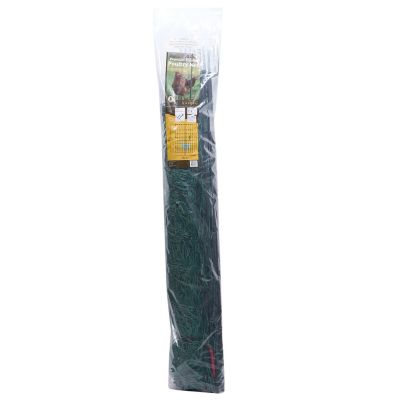
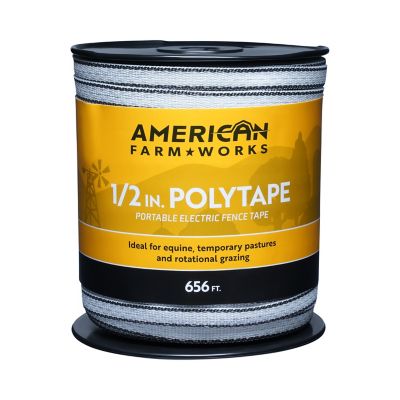
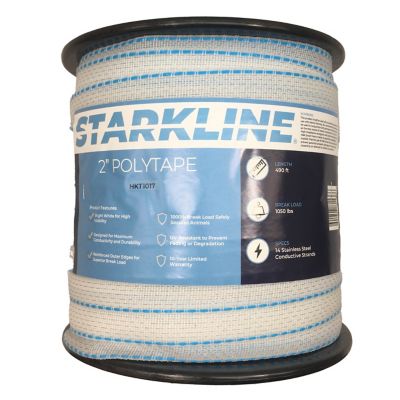
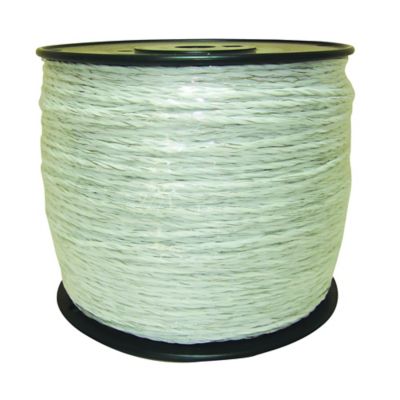
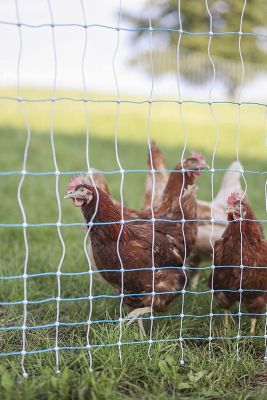
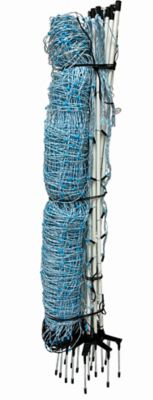
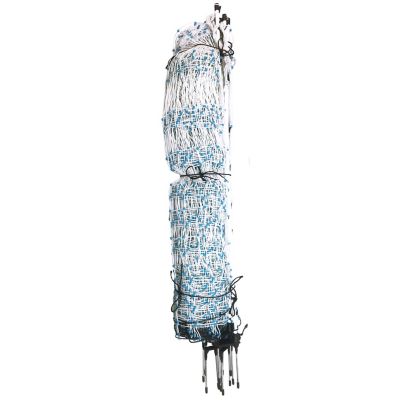
When picking out an electric fence for sheep, there’s a handful of things to keep in mind. Sheep are notorious for slipping through tight spots, so netting that’s made specifically for sheep—usually standing 35 to 48 inches tall—is a smart choice, since it’s designed to keep them from tangling or jumping over. If you’re moving your flock from one pasture to another, portable electric netting combined with a solar-powered energizer can make life a whole lot easier, letting you set up and take down fencing as needed without hunting for an outlet. For folks with a more permanent setup, a plug-in, low-impedance energizer is ideal, delivering a steady charge that keeps the fence hot and the sheep respectful. Don’t overlook the importance of a solid grounding system; multiple ground rods are often necessary to maintain the voltage needed for an effective barrier, especially if your soil is dry or rocky. And while you’re focused on sheep, it’s worth noting that many of these same products can work for goats, too—if you’re running a mixed herd or thinking of branching out, you might want to check out this helpful resource on
Electric Fencing For Goats.
No matter how big or small your operation is, investing in a reliable electric sheep fence goes a long way toward peace of mind—especially as the weather warms and pasture rotation becomes a top priority. It’s a solution that works just as well on rolling hills as it does on flat pasture, and with the right setup, you’ll spend less time chasing runaways and more time enjoying the rhythm of life on the land. Whether you’re a seasoned shepherd or just starting out, the right electric fence for sheep lets you tailor your setup to your farm’s unique needs, from protecting young lambs during the spring rush to keeping the flock safe during summer storms. With a little planning and the right gear, you’ll have a fence that stands up to the challenges of the season and gives you the flexibility to manage your sheep the way you want, year after year.