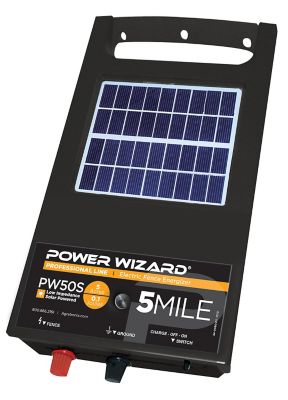
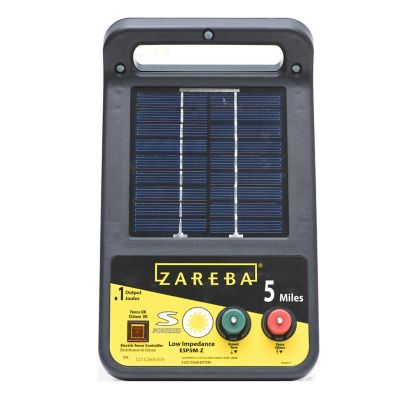
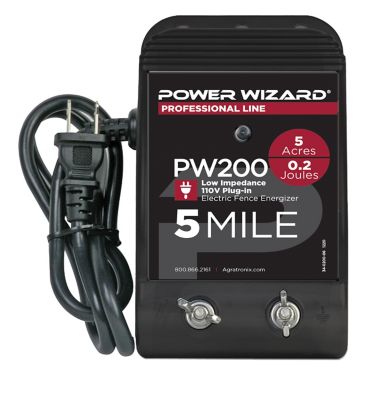
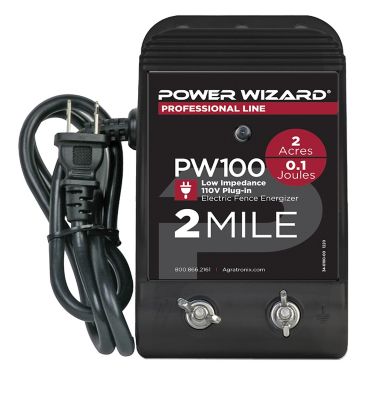
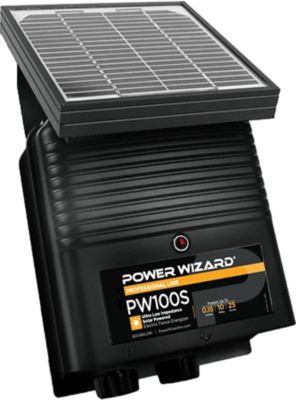
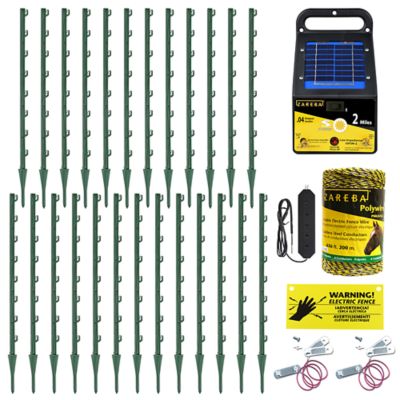
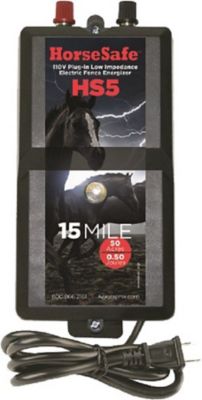
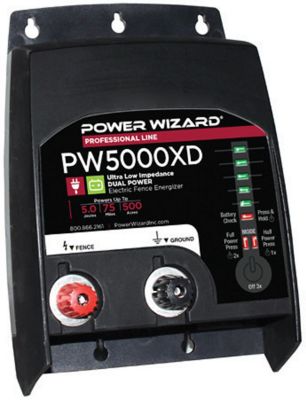
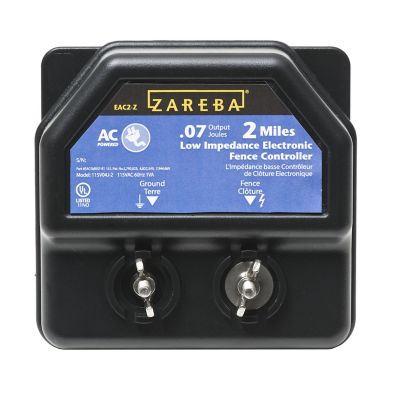
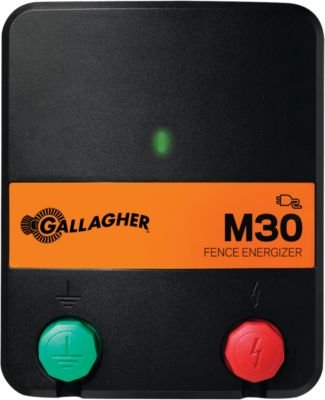
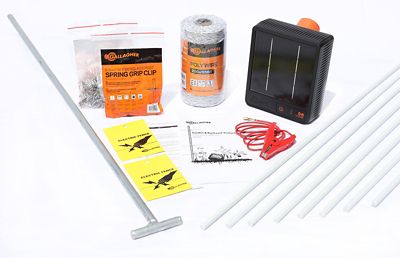
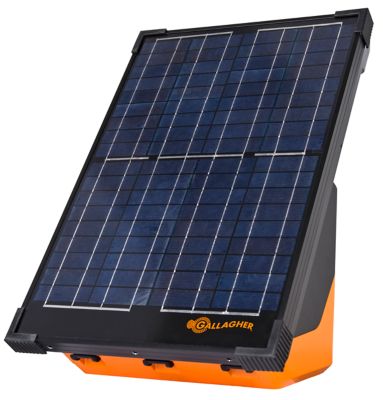
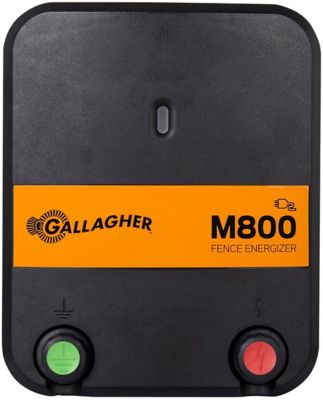
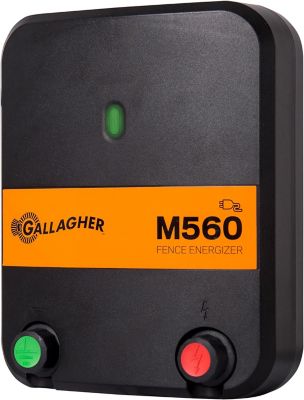
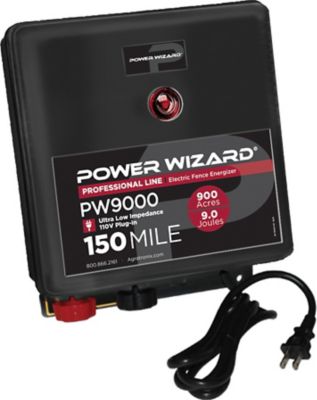
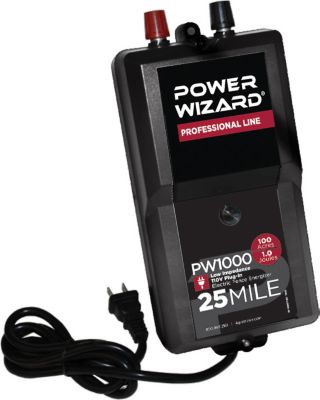
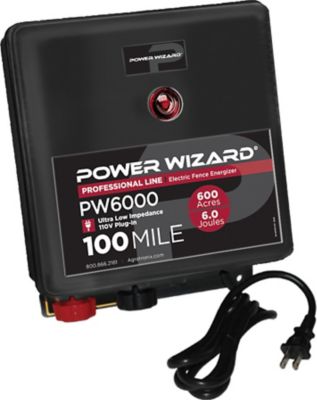
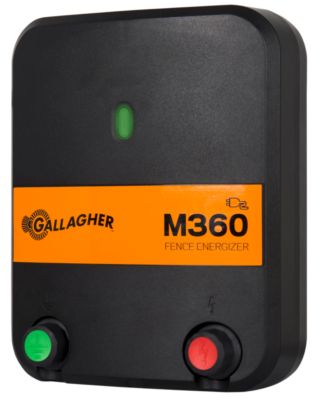
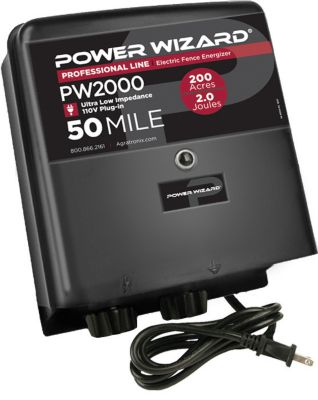
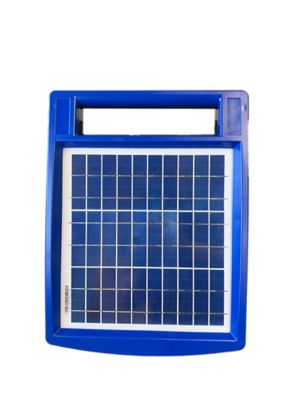
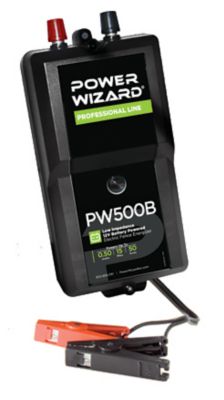
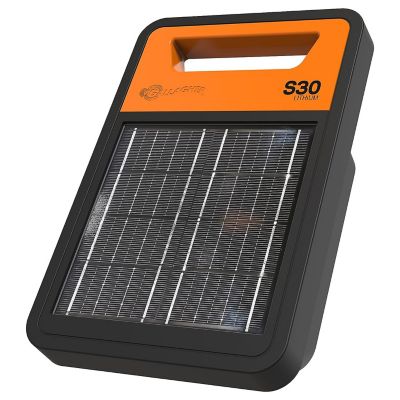
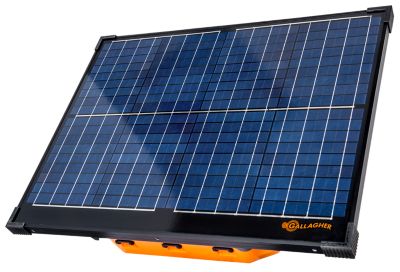
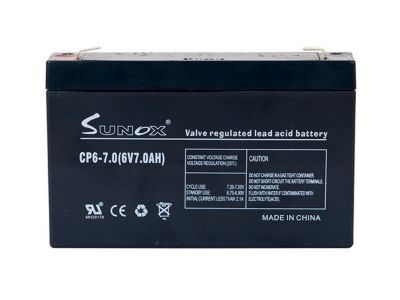
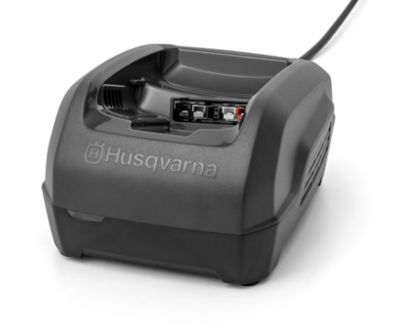
When it comes to keeping livestock, pets, or even your garden safe, an electric fence charger is one of those tools you’ll find yourself relying on year-round. Folks around here know that as the weather warms and critters get more active, having a good fence setup is a must—whether you’re running cattle, keeping horses secure, or trying to keep deer out of your crops. The right fence charger can make all the difference, and it’s not just about plugging in any old box and hoping for the best. There are a few key things to keep in mind, starting with how you’ll be powering your fence. If your pasture or enclosure is close to the barn or house, an AC (plug-in) charger is usually the most reliable bet. These units plug into a standard outlet and are known for their power and consistency—great for permanent fences that need to keep working through all kinds of weather. But if you’ve got remote acreage or you’re moving animals around for rotational grazing, a battery-powered or solar electric fence charger from Tractor Supply is worth a look. Battery units are portable and run off 6V or 12V batteries, while solar options soak up the sun to keep your fence hot even when you’re miles from the nearest outlet. For folks who like a little flexibility, there are dual-purpose chargers that can switch between AC and DC power, giving you options no matter where you’re fencing.
Choosing the right tsc fence charger isn’t just about the power source, though. The type of animals you’re working with and the length of your fence line matter just as much. For cattle and horses, you’ll want a fence charger that delivers between 2,000 and 3,000 volts—enough to get their attention without causing harm. Sheep and goats are a little more stubborn and wool acts as an insulator, so you’ll need a charger that can push 4,000 to 5,000 volts through the line. If you’re setting up an electric fence charger for deer or keeping out predators, look for models rated for 4,000 volts or higher. And don’t forget about the joule rating—this tells you how much energy the charger can send down the wire. A general rule of thumb is about one output joule per mile of fence, but if your property has a lot of weeds, brush, or heavy vegetation, you might need a bit more punch. Modern low-impedance chargers are built to handle those tough conditions, pushing power through brush and keeping the fence hot even when the line isn’t perfectly clear. Good grounding is critical, too; without a solid ground, the circuit won’t complete and your fence won’t be effective. Some folks like to add lightning protection or digital fault finders, especially on longer runs or more permanent setups—these features can save you a lot of headaches after a summer storm or when troubleshooting a short.
No matter if you’re a seasoned rancher, hobby farmer, or just trying to keep the neighbor’s dog out of your tomatoes, Tractor Supply has an electric fence box for just about every situation. These chargers also make practical gifts for anyone starting out with livestock or expanding their operation—especially if you’re helping a friend set up their first goat paddock or giving a hand to a neighbor with a new garden plot. For those raising goats, there are special considerations to keep in mind, and you can find more tips and recommendations over at
Electric Fencing For Goats. As the days get longer and animals get more curious, a reliable tractor supply electric fence charger keeps your hard work protected and your animals where they belong, all while making chores a little easier. Whether you’re upgrading an old system or building a new fence from scratch, taking the time to pick the right charger means more peace of mind and fewer surprises—so you can spend more time enjoying the land and less time chasing runaway critters.