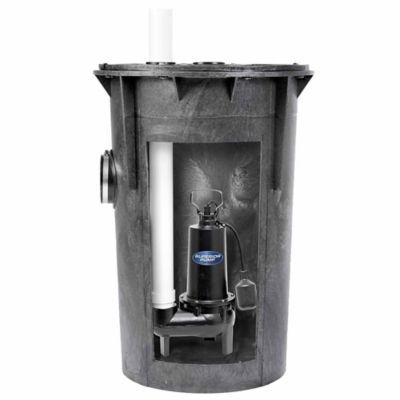
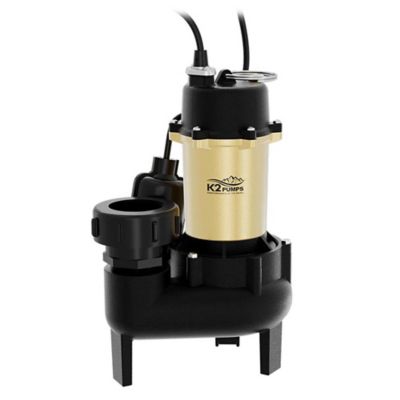
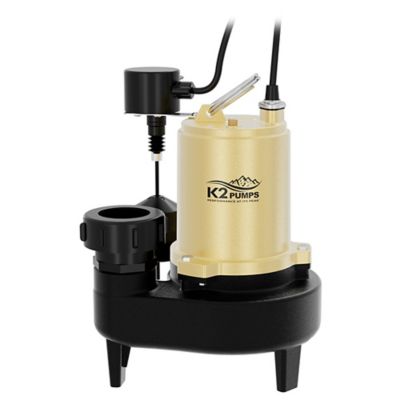
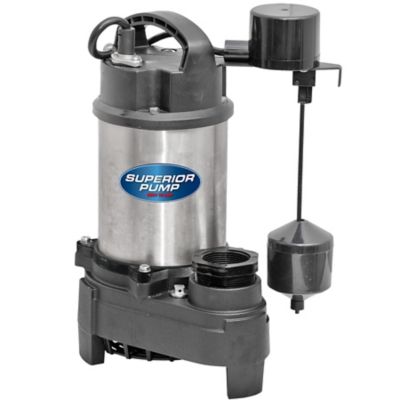
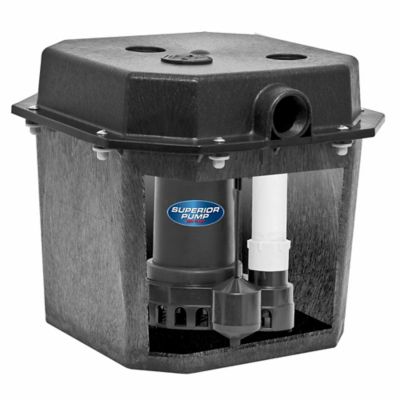
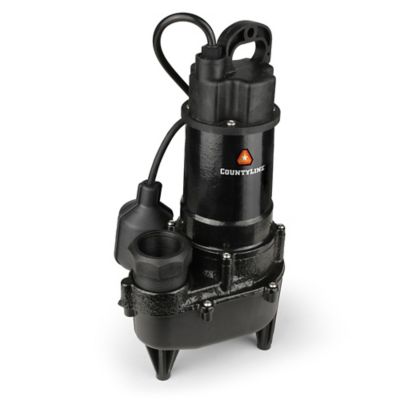
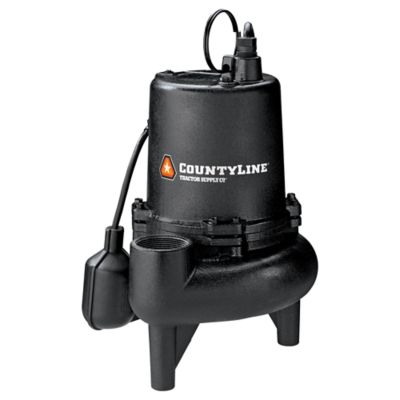
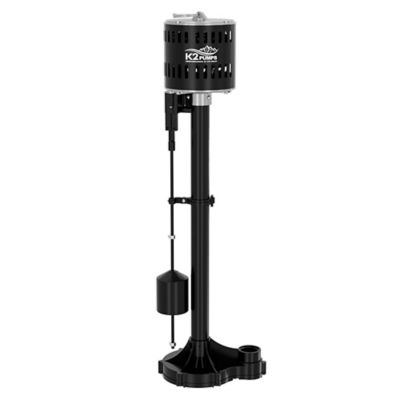
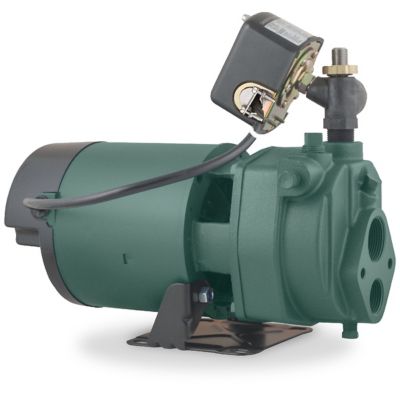
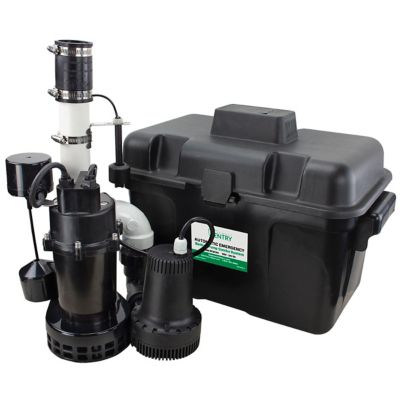
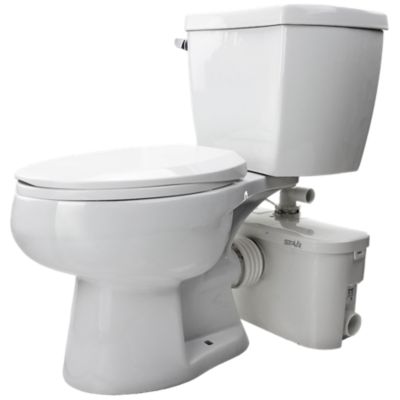
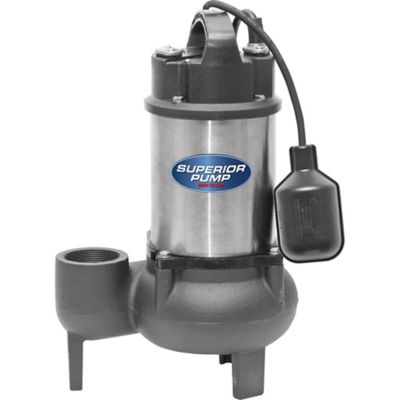
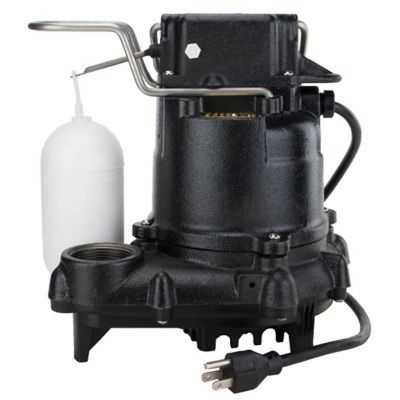
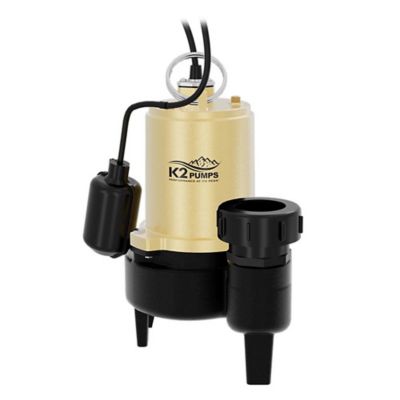
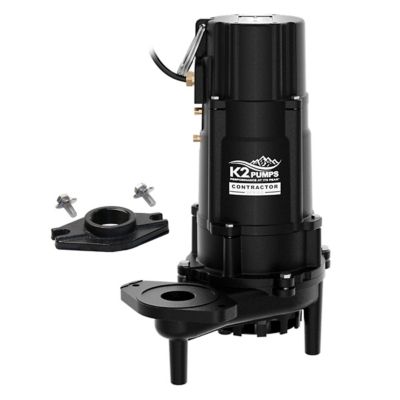
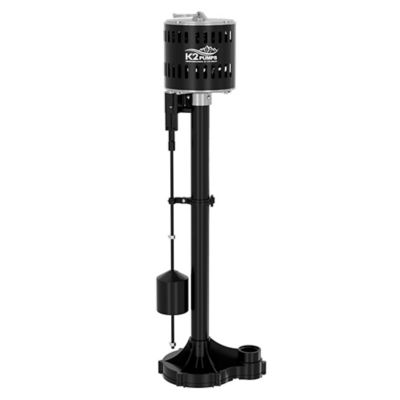
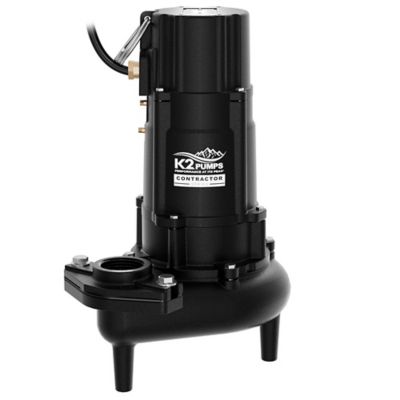
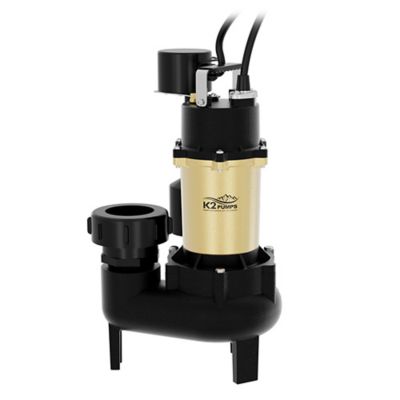
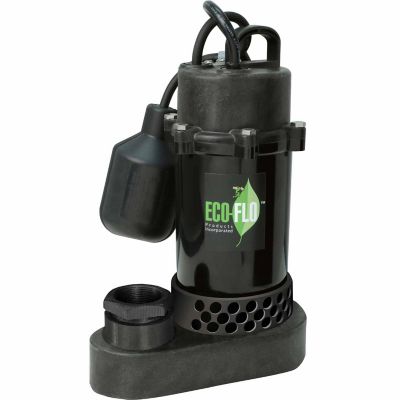
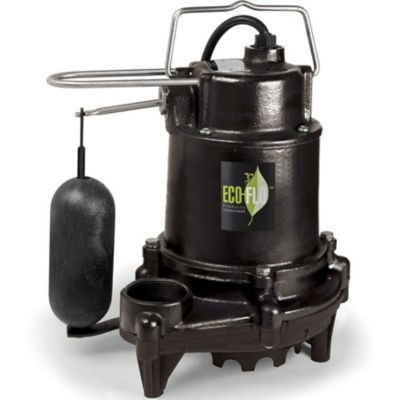
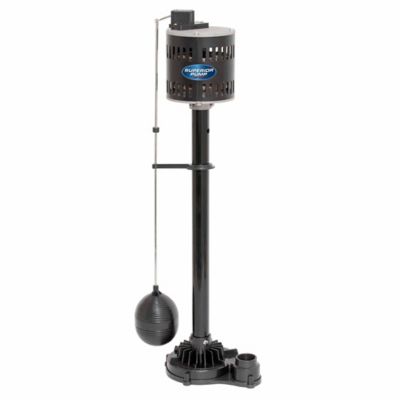
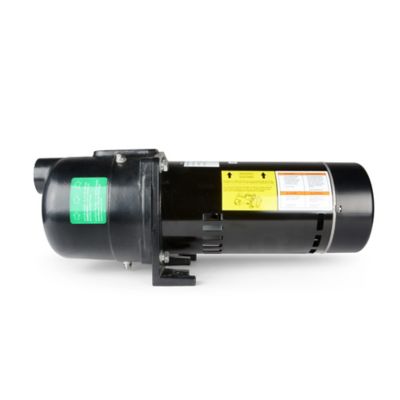
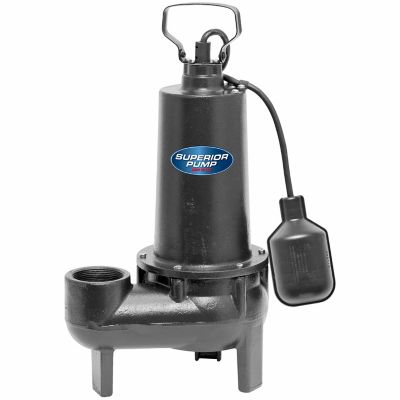
When it comes to keeping your home’s plumbing running smooth—especially if you’ve got a basement bathroom, laundry room, or other below-grade setup—an ejector pump is a real workhorse. Folks living out in the country know all too well how important it is to have a reliable way to move wastewater and solids up and out to the main sewer line or septic tank. Unlike a regular sump pump that just deals with clear water, an ejector pump is built tough to handle everything from gray water to raw sewage. You’ll usually find these pumps tucked away in a sealed pit at the lowest point in your basement. When wastewater flows in from sinks, showers, or toilets, a float switch inside the basin rises up. Once it hits a certain level, the pump kicks on and pushes all that waste up through a discharge pipe, making sure nothing backs up into your home. There’s also a vent pipe to let sewer gases escape safely, and a check valve so you don’t get any nasty surprises flowing back into the pit.
If you’re thinking about adding a bathroom or laundry area in the basement, or if your current ejector pump is showing its age, there are a few things worth considering before you buy. First off, make sure you know whether you need a full system or just a replacement pump. For new installs, you’ll want a pre-plumbed basin and all the right fittings, while a replacement might just mean swapping out the pump itself. Capacity matters, too—look for a pump that can handle the volume and type of waste your household produces, and check the horsepower to be sure it can lift everything up to your main sewer or septic line. It’s also smart to think about maintenance. Every few months, give the pit a look to make sure there’s no grease or debris gumming up the float switch, and check that the vent and check valve are clear. Testing the pump now and then—like flushing a basement toilet and watching to see if the pump fires up and shuts off right—can save you a heap of trouble down the road. For those who like to tackle projects themselves, swapping an ejector pump isn’t out of reach if you’re handy with basic tools and don’t mind getting a little messy, but always follow safety guidelines and local codes.
Ejector pumps aren’t just for homeowners, either. Folks running small farms, workshops, or outbuildings with plumbing below grade can benefit from these systems, especially as the weather warms and there’s more activity in those spaces. They also make a practical gift for anyone fixing up an older home, finishing a basement, or dealing with frequent backups. Whether you’re prepping for the busy harvest season or just want to make sure your family gatherings go off without a hitch, a dependable ejector pump helps keep things flowing the way they should. And if you’re looking to outfit a new bathroom or fix up an existing system, you might also be interested in checking out our selection of
Toilet Pumps for even more plumbing solutions. No matter the season, having the right equipment in place gives you peace of mind that your home or barn will stay clean, dry, and ready for whatever comes next.