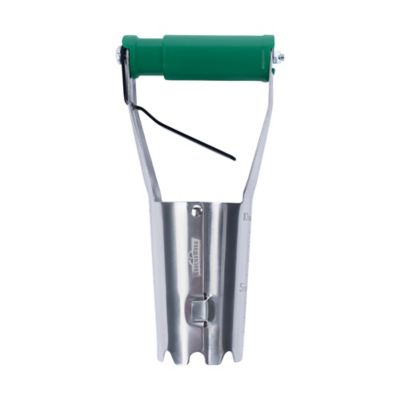
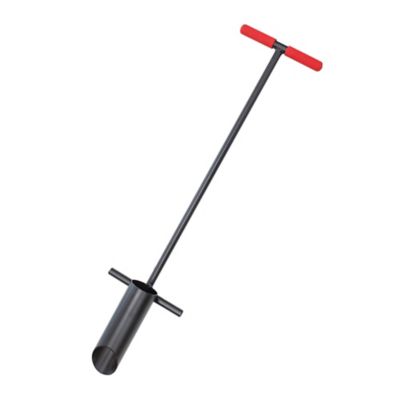
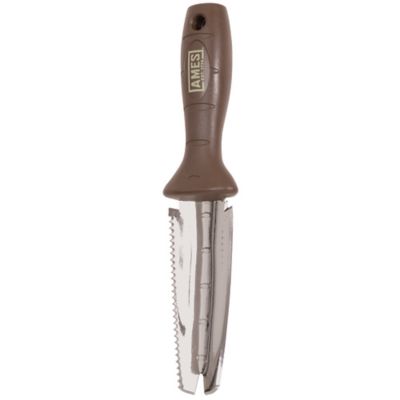
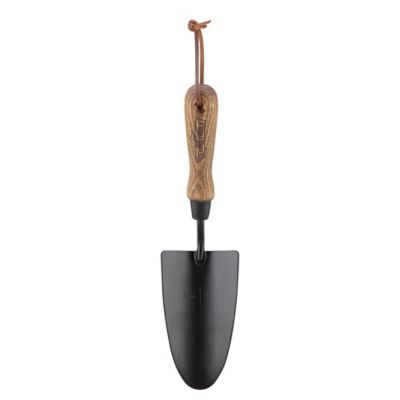
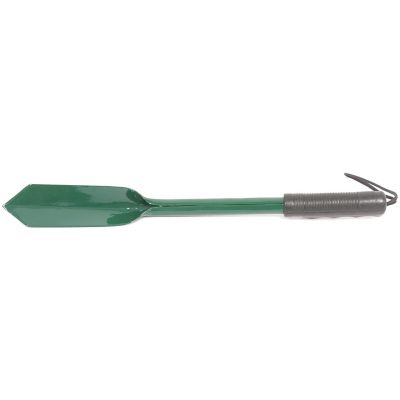
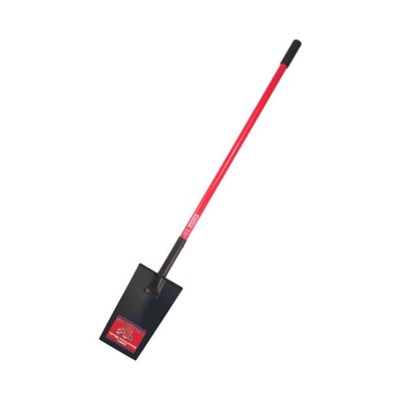
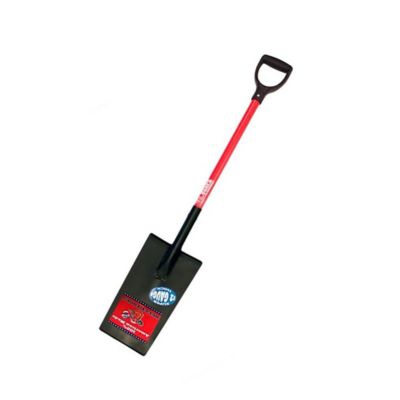
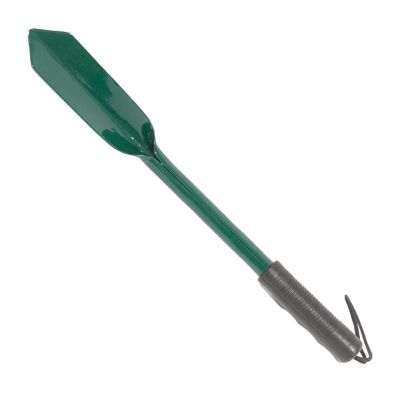
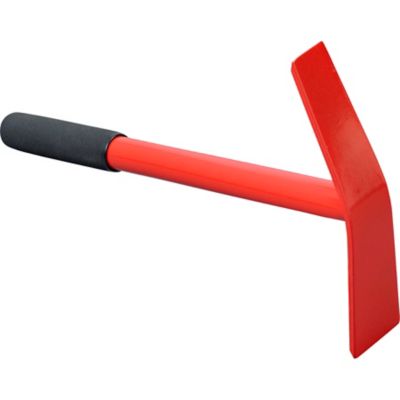
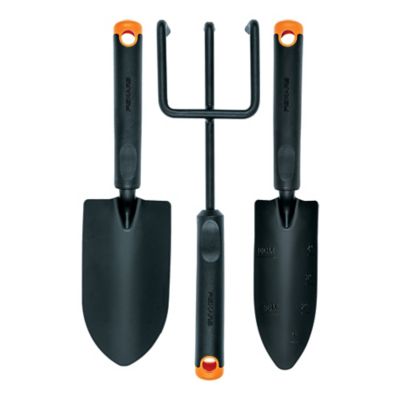
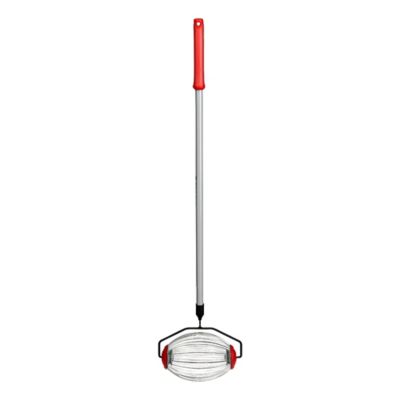
Bulb planting tools help turn a patch of earth into a promise of color for the seasons ahead. Whether you are filling a small bed beside the porch, adding spring interest beneath shade trees or setting bulbs throughout a larger stretch of lawn, the right tool can make planting more orderly and less tiring. Hand bulb planters are a practical choice for smaller projects and loose, workable soil. Their narrow cutting edge creates a hole sized for many common bulbs, while the marked shaft can help gauge planting depth. Press the tool into the soil, twist to make room, lift out the soil plug, drop in the bulb with the pointed end facing up, and return the plug. This approach keeps the bed neat and limits disturbance around nearby plants. A short-handled planter fits easily in a garden tote and can be helpful for gardeners who prefer close, hands-on work. It also makes a thoughtful present for someone settling into a new home, building a first flower bed or looking forward to seeing color return after the colder season. Before choosing one, consider the size of the bulbs and the ground where they will go. Loose garden soil is often easiest for a compact hand tool, while dense clay, packed turf or rocky ground may call for a stronger method and a little preparation with a digging tool.
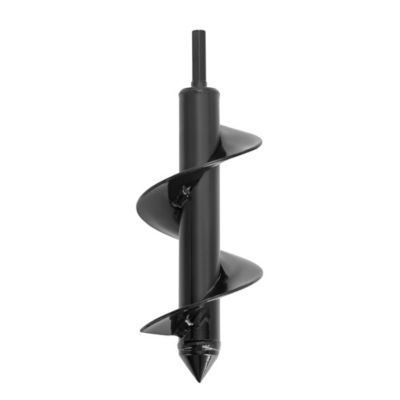
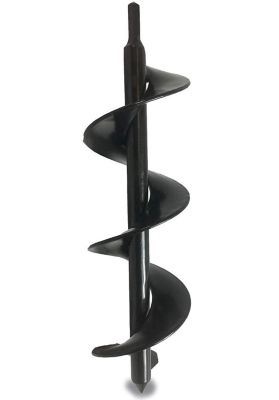
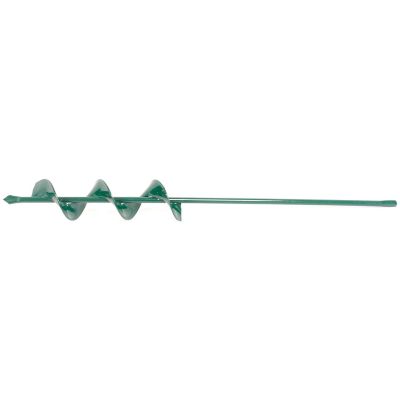
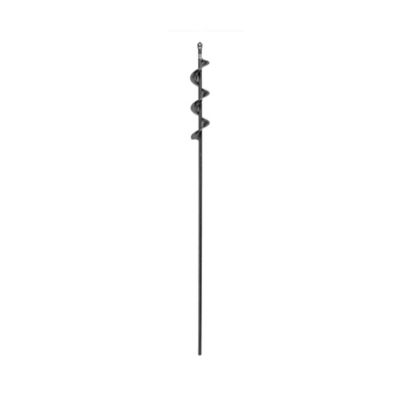
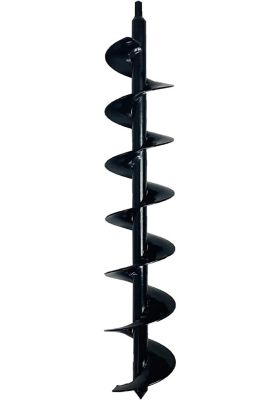
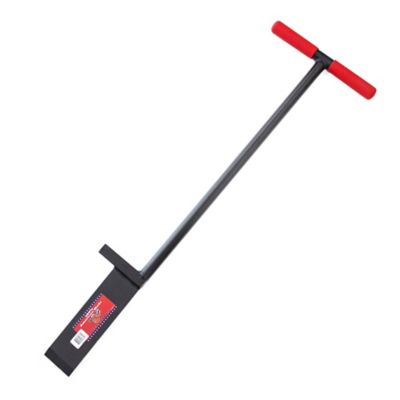
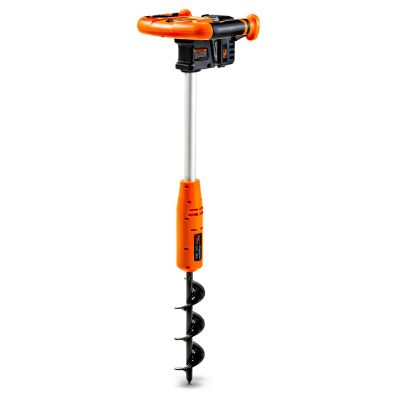
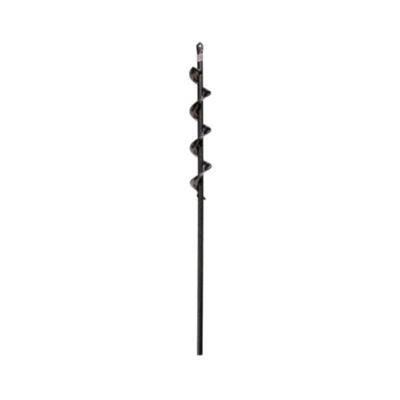
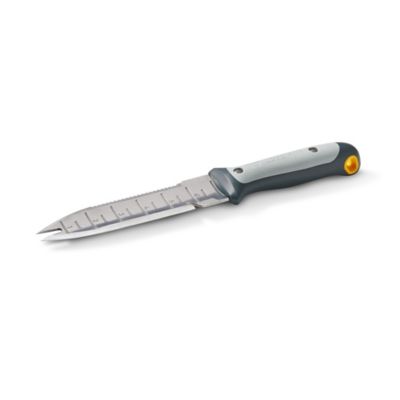
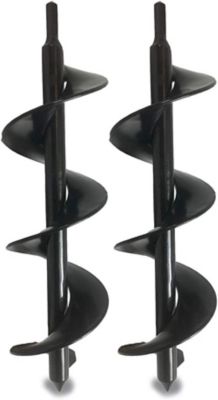
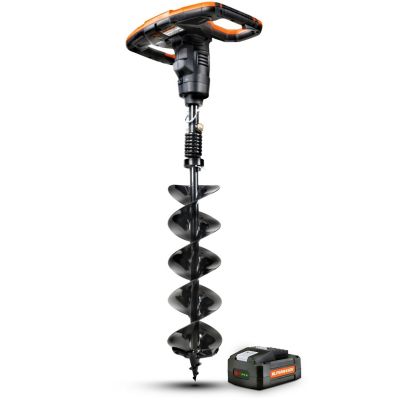
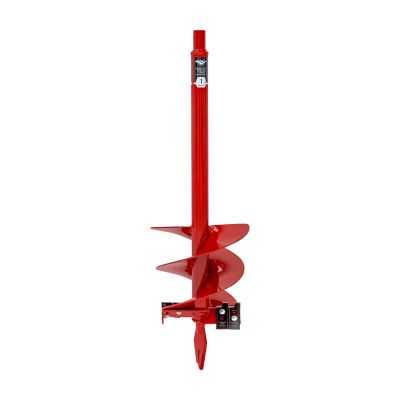
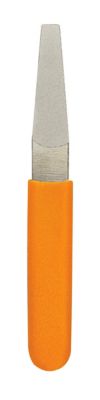
For larger planting areas or anyone who would rather stay on their feet, a long-handle bulb planter can help reduce repeated bending and kneeling. These tools are stepped into with a boot, allowing body weight to drive the cutting end into the ground before the soil plug is lifted. That extra reach can be especially welcome when planting along a long border, lining a walkway or placing bulbs across open turf. A stand-up design may also suit gardeners with limited flexibility or those who want to keep a steadier pace through a big outdoor project. Power auger attachments offer another option for firm soil and extensive planting. Connected to a compatible cordless drill, an auger can bore planting holes quickly and reach deeper soil with less effort from the gardener. Check the dimensions of the auger against the bulbs you plan to plant, and make sure the drill has enough power and battery charge for the task. Gloves, sturdy shoes and eye protection are sensible companions when working in packed soil or around gravel. For very large groupings, a trenching method may be more efficient than making individual holes, while a pointed planting knife or dibber can fit narrow spaces between established plants. The best choice depends on how many bulbs you are setting, how deep they need to go, the condition of the soil and whether you prefer a manual tool or a drill-powered option.
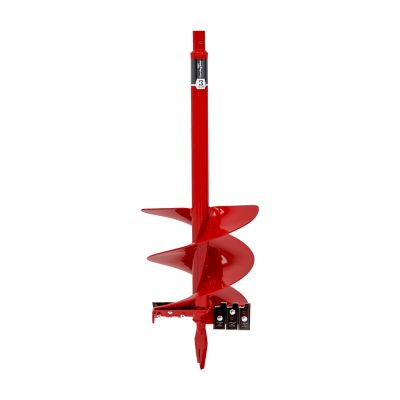
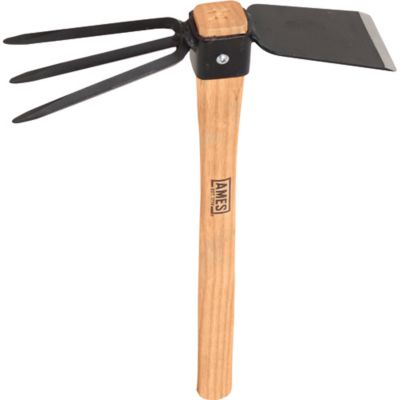
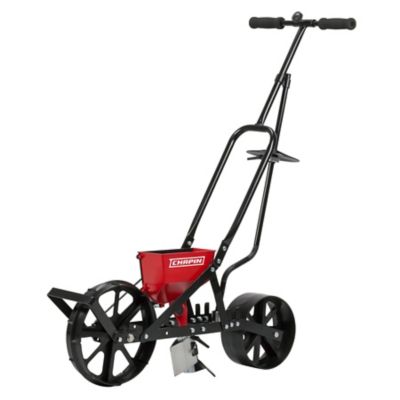
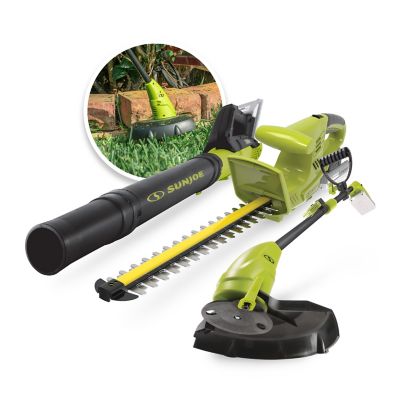
Planting during the cooler months gives bulbs time to settle beneath the soil before the weather warms, but the ground should still be workable rather than frozen or waterlogged. Clear away heavy surface growth, loosen compacted spots and follow the depth guidance for the bulb type; planting too shallow can leave bulbs exposed, while planting too deep may delay growth. Space holes according to the mature spread of the flowers so each plant has room to develop without crowding its neighbors. A measuring mark on the tool can help keep rows even, though a natural, scattered arrangement can look at home in a meadow-style bed. After planting, press the soil back into place and water when conditions are dry, taking care not to leave standing water around the bulbs. A layer of leaf matter or other suitable ground cover can help moderate soil temperature, but leave room for shoots to emerge when the season turns. Store planting tools clean and dry after the job, brushing away soil and checking moving parts on drill attachments before putting them away. Gardeners who are planning a broader planting project may also find useful options among
Equipment For Tree Planting. From a single container to a broad country property, bulb planting tools give gardeners a straightforward way to place each bulb at the right depth and create a welcome burst of color when the landscape begins to wake.