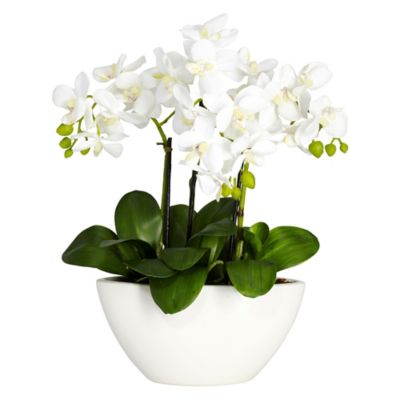
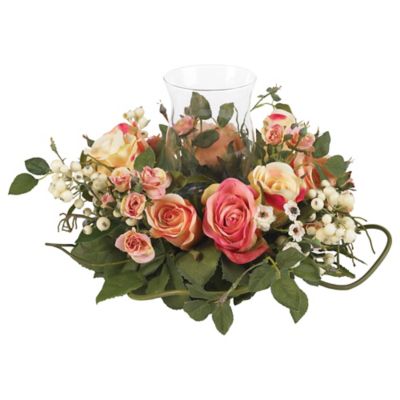
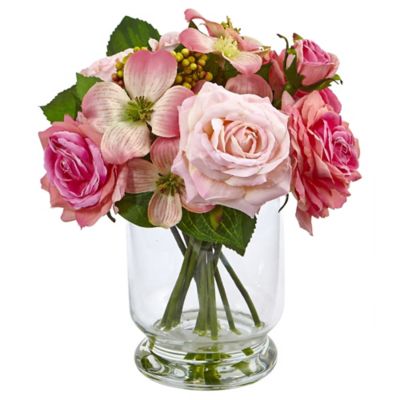
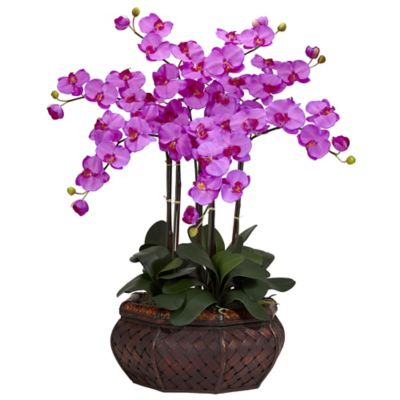
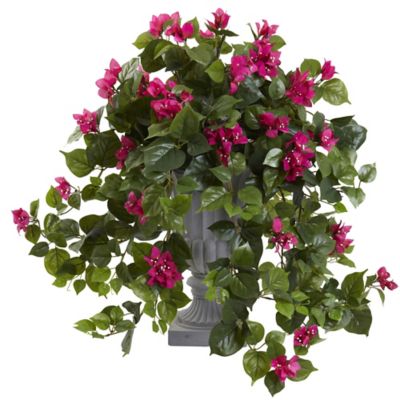
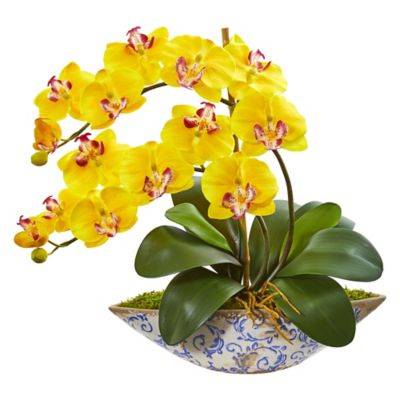
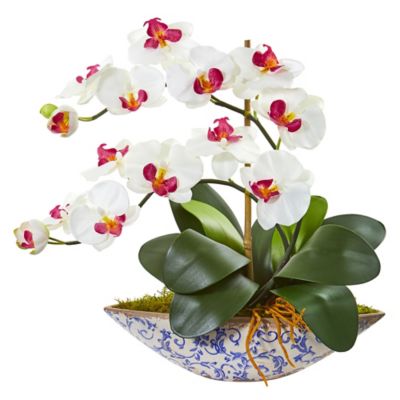
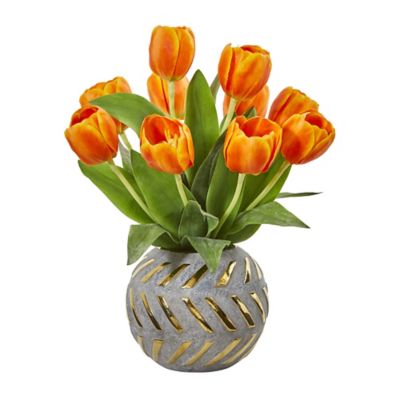
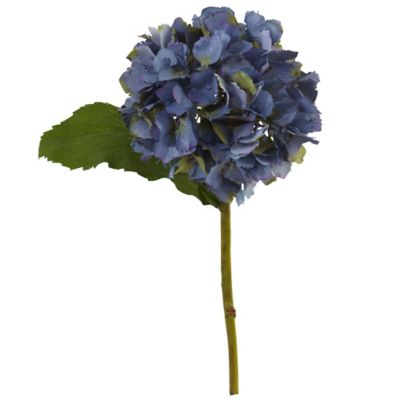
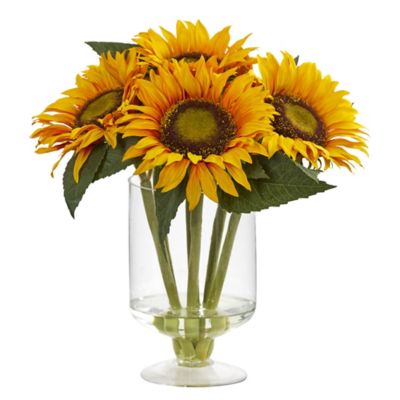
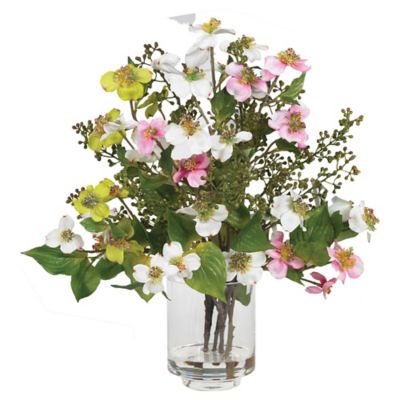
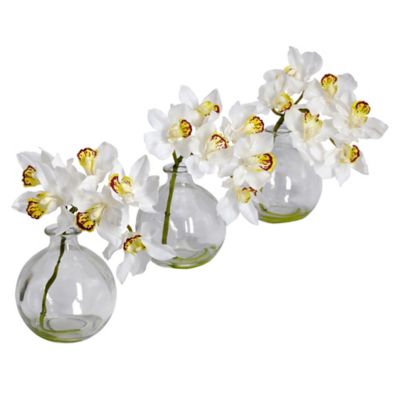
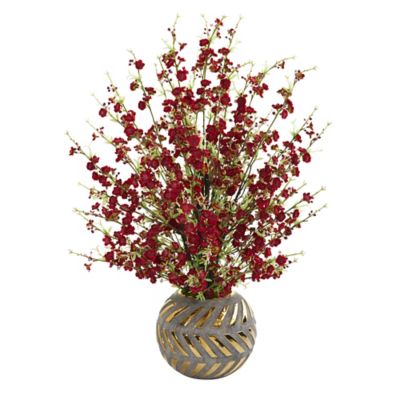
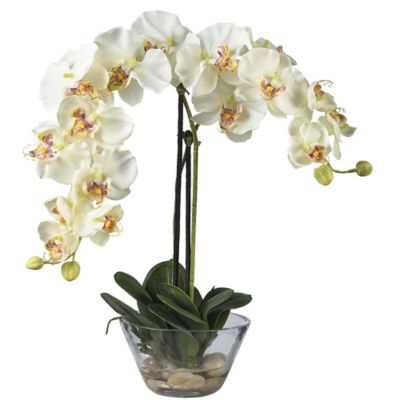
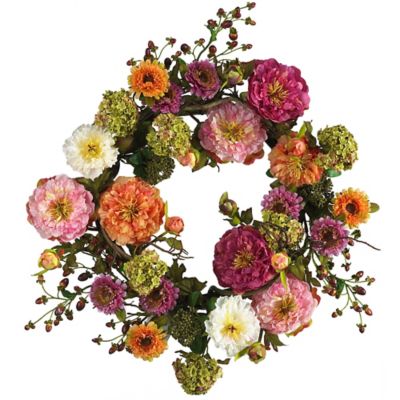
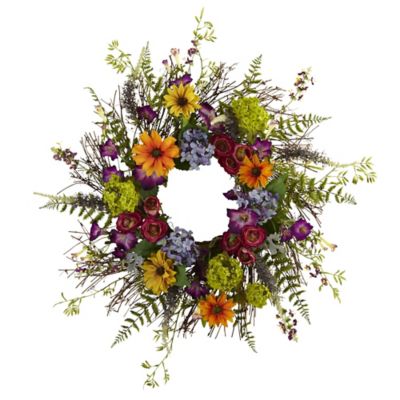
Spring artificial floral arrangements bring the colors and shapes of spring flowers into a room without watering, sunlight, or the short life of cut stems. They range in character from a loose bunch of tulips to fuller arrangements with peonies, hydrangeas, flowering branches, and leafy accents. Tulips have smooth, cup-shaped blooms and gently curved stems that suit a kitchen table or a narrow entryway shelf. Peonies bring layers of soft-looking petals, while hydrangeas create rounded clusters that give an arrangement a fuller outline. Cherry blossom and magnolia branches add height and an open, airy shape, especially where a room has space above a mantel or console. Smaller blossoms and greenery fill the spaces between larger flowers without making every part of the arrangement look equally dense. That mix of bloom sizes helps artificial flowers resemble the uneven, easygoing shape of a garden gathering rather than a tightly packed ball. Color makes just as much difference as flower type. Cream, pale pink, lavender, and soft green create a gentle spring palette, while yellow, coral, and brighter pink bring more contrast against wood furniture or plain walls. A few white blooms can break up stronger colors and keep the overall look light. Containers set the tone, too: a ceramic pitcher feels at home beside a farmhouse hutch, a woven basket adds texture to an entry table, and a clear glass vase keeps the stems visible. An arrangement with a finished container works as a complete accent, while a gathered bouquet allows more flexibility with a vessel already at home. Overall height includes both the flowers and their base, so a piece that looks modest in a photograph may stand much taller on a shelf. Width matters around lamps, picture frames, and everyday belongings as well. A low, spreading shape leaves room for conversation across the supper table; an upright arrangement makes better sense on a sideboard where tall branches will not block anyone’s view.
Materials and construction affect how spring artificial flowers look up close and how much attention they need over time. Common materials include polyester fabric, molded plastic, foam, and coated wire, often combined within the same flower or stem. Fabric petals can give peonies and other layered blooms a soft appearance, while molded petals can capture the smooth curves of tulips and thicker blossoms. Some finishes have a soft-touch feel, though material names alone do not tell the whole story. Petal edges, changes in color, leaf veining, and the way a bloom joins its stem all contribute to a convincing appearance. Slight differences between blossoms often look more natural than identical flowers lined up at the same height. Wired stems may allow gentle shaping, but glued joints, fixed bases, and resin-filled vases generally call for less handling. Clear resin can suggest water in a glass container; it is a solid part of the arrangement, not a space that needs refilling. Container weight and base width also deserve attention, particularly on a busy kitchen counter or a table that gets bumped by chairs. A tall arrangement needs a steady footing, and a basket with a narrow bottom may behave differently from a broad ceramic vessel. Placement affects how well the materials hold their appearance. Indoor arrangements are not automatically suited to a porch, even beneath a roof, where wind, moisture, and direct sun can affect petals, adhesives, and color. Outdoor placement calls for the exposure rating stated by the maker, with sheltered and fully exposed spaces treated differently. Indoors, a spot away from cooking splatter, fireplaces, and strong direct sunlight generally means less cleaning and less risk of fading or heat damage. Light dusting with a soft brush is often enough for routine care, subject to the maker’s directions. Water, sprays, and cleaners can mark some fabrics or loosen attachments, so washable construction should never be assumed. Gentle handling around petal edges and leaf joints helps preserve the arrangement’s shape.
These arrangements fit homes where a little spring color is welcome but tending a vase of fresh flowers is not another chore worth adding to the day. They make sense in a front room that gets little daylight, on a guest-room dresser, or beside the entry where boots, jackets, and feed-store receipts tend to gather. The best fit leaves the working parts of a home easy to use: cupboard doors still open, a serving platter still has a landing spot, and flowers stay clear of sinks and stovetops. On a dining table, a low arrangement can sit comfortably between place settings without crowding glasses or hiding the person across the table. For Easter gatherings, soft pastels and flowering branches pair naturally with simple linens and everyday dishes. For a spring birthday, housewarming, or Mother’s Day gift, an arrangement in a finished container can be easy to set out without finding a vase or trimming stems. The recipient’s space matters more than sheer size; a compact floral accent may suit a small kitchen better than a wide centerpiece. Households with children or pets also benefit from thoughtful placement, since artificial flowers are not chew toys and small attachments or exposed wire ends can pose hazards. Between displays, keeping arrangements clean, dry, and protected from crushing helps preserve their shape. Tall branches need enough room that their tips do not stay bent against a lid, while fuller blooms benefit from space around their petals. A sturdy container and a sheltered storage spot can help keep the next setup simple. For homes that change floral displays throughout the year,
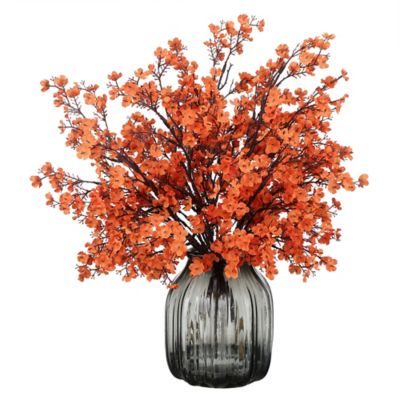
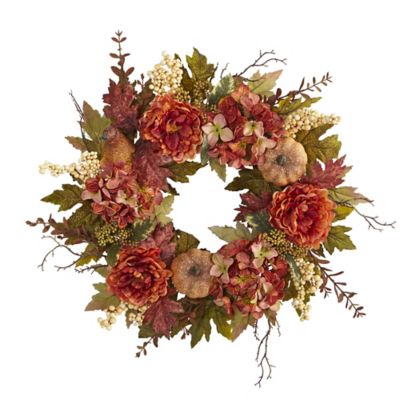
Fall Artificial Flowers bring a separate palette of russet, orange, and gold alongside the lighter shades associated with spring. Whether the setting is a farmhouse dining room, a small apartment, or a family gathering space, spring artificial floral arrangements offer lasting color with little day-to-day upkeep and no need to plan around a flower’s blooming schedule.