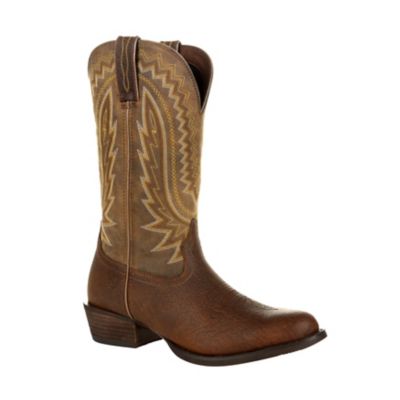
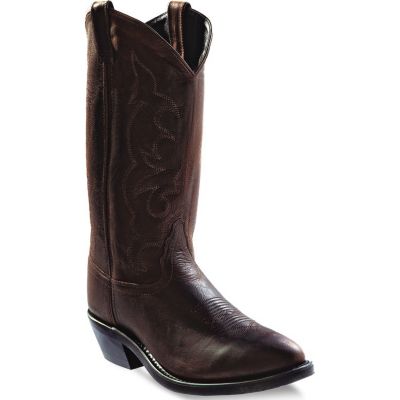
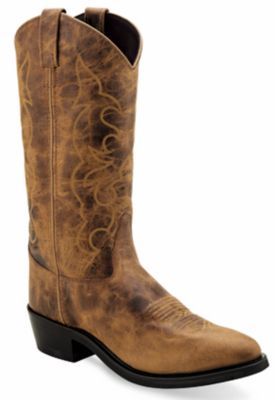
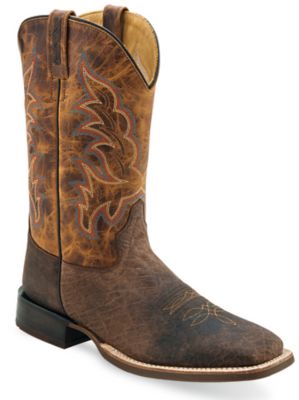
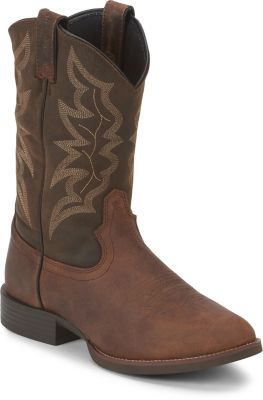
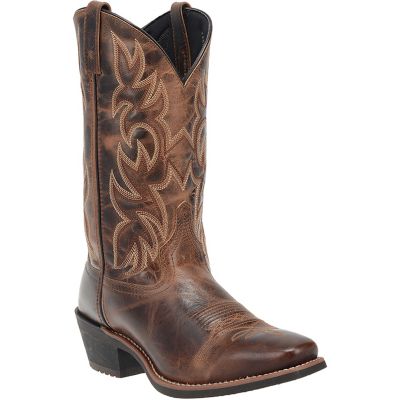
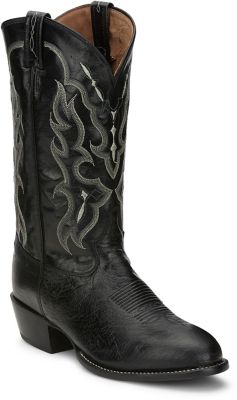
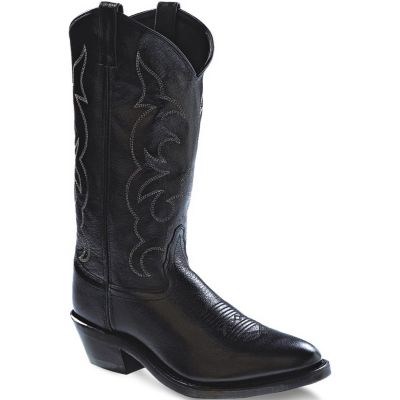
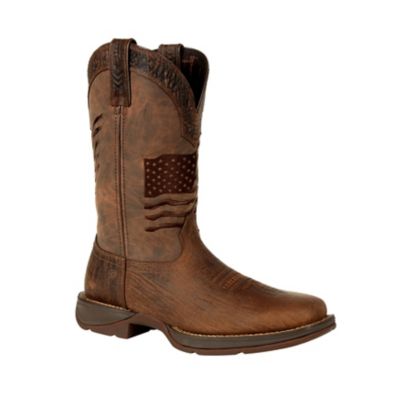
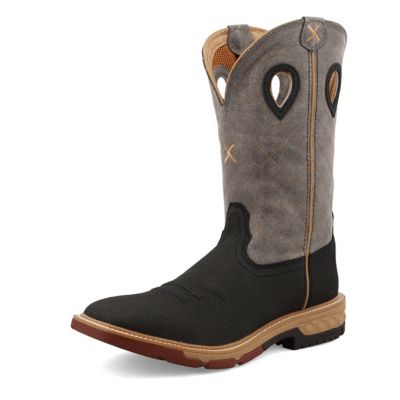
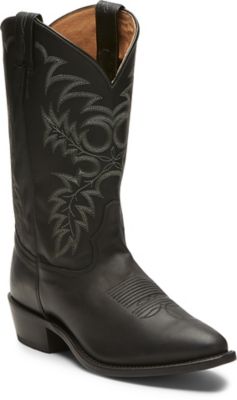
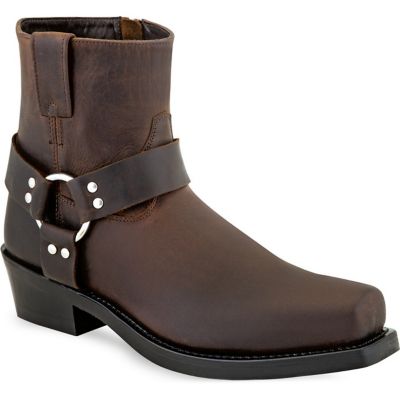
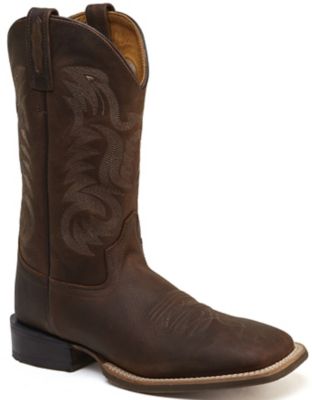
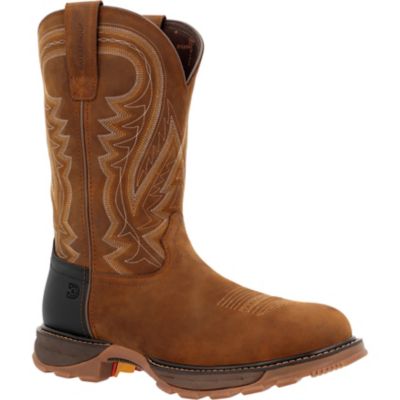
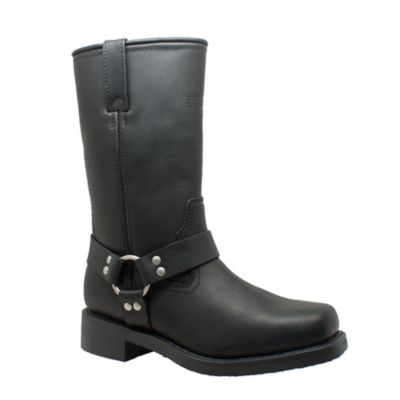
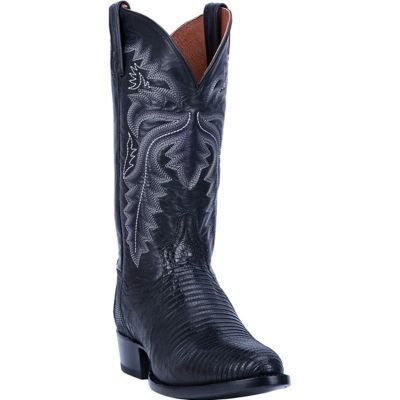
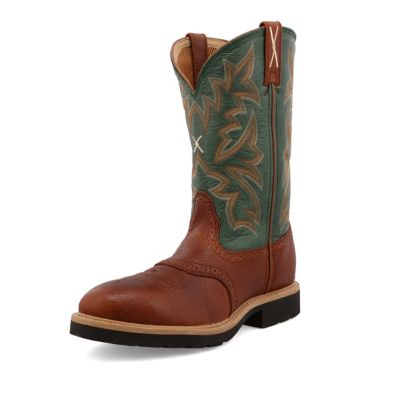
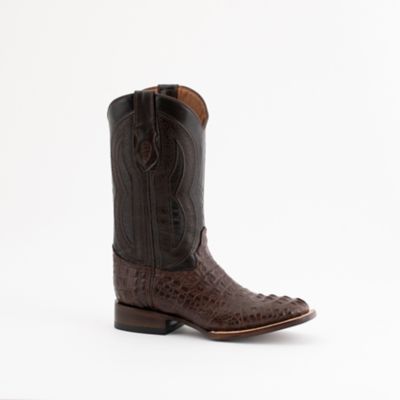
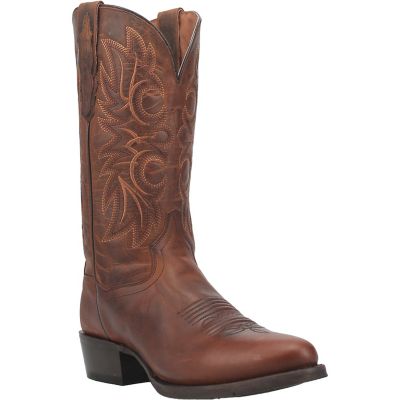
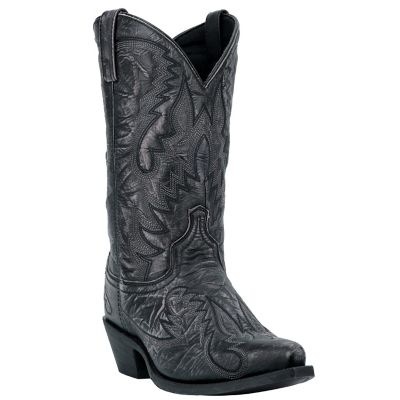
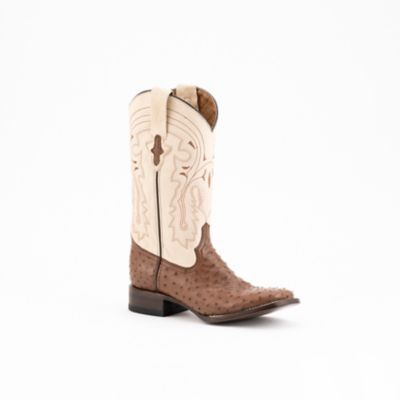
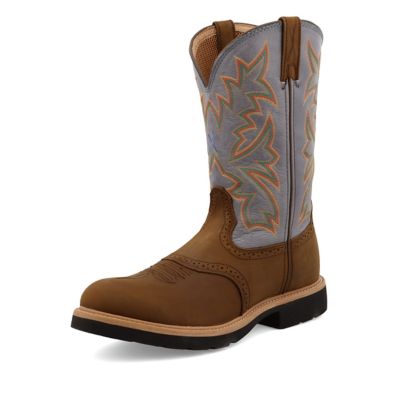
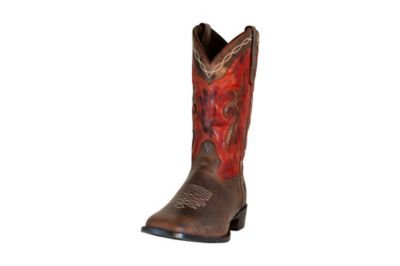
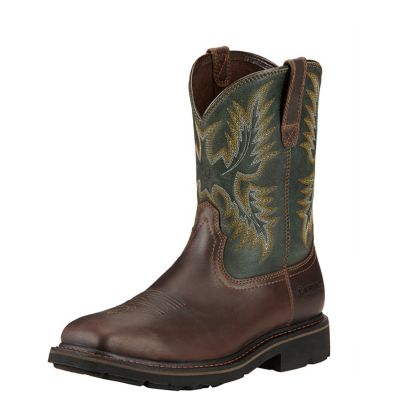
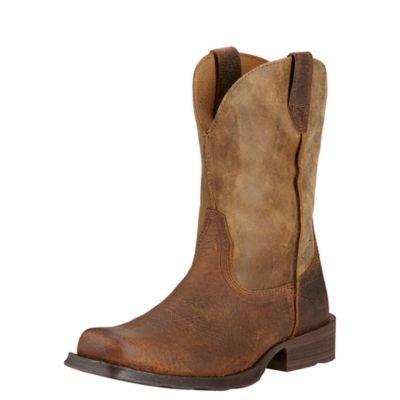
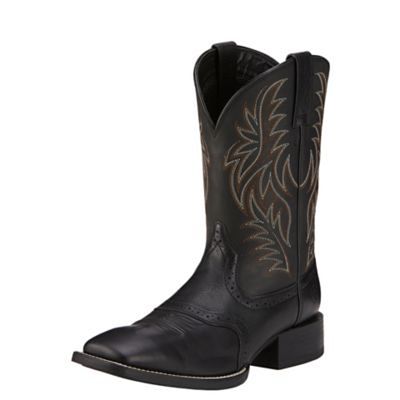
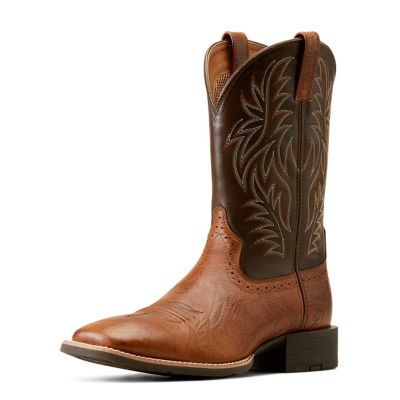
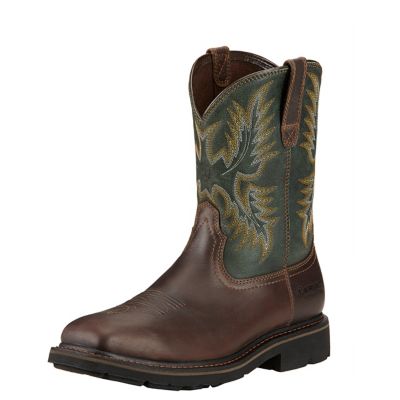
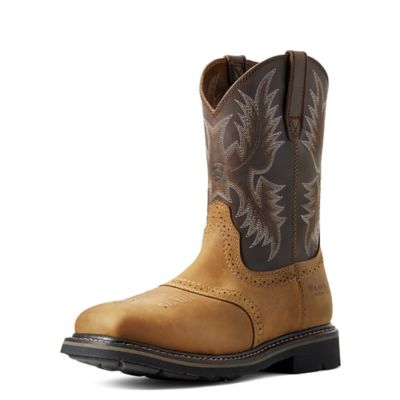
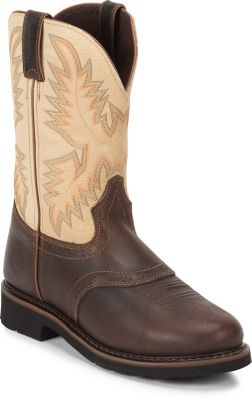
Men’s size 13 cowboy boots bring Western style to a full day of ranch chores, time in the saddle, or an evening out after the work is done. Their pull-on shafts, shaped heels, and stitched uppers give them a familiar look, but the details beneath that stitching make a difference in how they feel and where they belong. Size 13 refers to the labeled foot size, not the shaft height or calf opening, and the fit can vary between boot shapes and makers. Width deserves just as much attention as length: D generally indicates a standard men’s width, while EE usually indicates a wide fit, though each maker’s sizing chart is the best reference. A broad foot needs room across the ball of the foot without extra length that lets it slide forward. Square, round, and snip toes create different profiles, but the shape of the boot’s interior determines how much space the toes actually have. A wide-looking square toe does not automatically mean a wide-width boot. For someone who spends hours walking fence lines or standing beside a sorting pen, a secure instep and a supportive footbed matter more than the silhouette alone. The ball of the foot should sit near the widest part of the boot, with enough space for the toes to rest naturally rather than curl or press together. A little heel movement can be normal in a new pull-on leather boot as the sole begins to flex, but repeated rubbing, sharp pressure, or a foot that slides around points to a fit problem. Trying boots with the socks intended for everyday wear helps make that judgment more useful. Both feet need a check, especially when one runs slightly larger. Leather may soften and give somewhat across pressure points, but a boot that is too short will not gain the length it needs through break-in. Getting the fit right from the start makes size 13 Western boots easier to settle into for the long haul.
Materials and construction help separate a cowboy boot suited to everyday walking from one better matched to riding, chores, or dressier occasions. Full-grain leather retains the hide’s natural grain and can develop creases and character with regular wear and care. Suede and other napped leathers have a softer-looking surface that calls for different cleaning methods, while synthetic uppers bring another set of care requirements. Leather descriptions alone do not tell the whole story; lining, seams, sole attachment, and the way the boot bends all affect the feel underfoot. A smooth lining can make pulling boots on easier, and seams that lie flat are less likely to bother the foot or lower leg. Cushioned footbeds soften the feel of hard floors, while firmer support may feel better to someone who spends much of the day upright. Removable insoles can be helpful when accommodating a personal insert, provided there is still enough room over the instep and around the toes. Outsoles deserve a close look, too. Leather soles have a traditional appearance and can suit dress wear or certain riding applications, while rubber soles may provide more traction for walking around barns, gravel drives, and concrete aisles. Traction depends on the tread, compound, and surface rather than the material name alone. For riding, the heel and outsole should work with the stirrup, allowing the foot to move freely without a bulky tread catching. A riding heel is not the same thing as a workplace safety feature. Jobs that call for protective toes, electrical hazard protection, or specified slip resistance require boots carrying the appropriate ratings; Western styling by itself does not provide that protection. Welted construction may allow resoling when the upper remains sound, depending on the boot and the repair needed. Shaft height, pull tabs, and the size of the opening also influence everyday convenience, particularly for a man with a higher instep or fuller calves. Those details become noticeable when boots go on before chores and stay on through a trip into town.
The right pair of men’s size 13 cowboy boots can feel at home with straight-leg jeans, work pants, or a pressed shirt for a family gathering. Traditional stitching adds interest without needing a loud finish, while simpler shafts and understated leather shades make it easy to keep the same pair in regular rotation. Pants should fall comfortably over the shaft without bunching tightly around it, and the hem should clear the ground rather than drag beneath the heel. For someone buying a gift, a familiar boot size is a useful starting point, but width, preferred toe shape, and usual activities are just as important. A man who wears size 13 lace-up work boots may not want the same fit in a pull-on pair, so checking the size and width markings on a pair that already fits well can help narrow the choice. Shoppers comparing Western footwear with other boot styles can also explore
Men's Size 13 Boots for a broader look at this size. Once cowboy boots become part of the daily routine, straightforward care helps preserve their appearance and keeps small problems from growing. Loose dirt and grit should come off with a soft brush or cloth, especially along the welt and around stitching where debris can collect. Smooth leather generally benefits from an appropriate cleaner and occasional conditioning according to the maker’s directions; too much conditioner can leave a buildup or darken the finish. Suede needs tools and treatments meant for its raised nap rather than the same routine as smooth leather. Boots should dry naturally away from direct heat, and boot trees or shaft supports can help hold their shape between wears. Worn heel edges, loose stitching, and separating soles are worth addressing before they change the way the boot sits under the foot. With a fit that holds the heel and instep comfortably, construction matched to the job, and a little regular attention, size 13 cowboy boots can earn their place beside the door for workdays and time off alike.