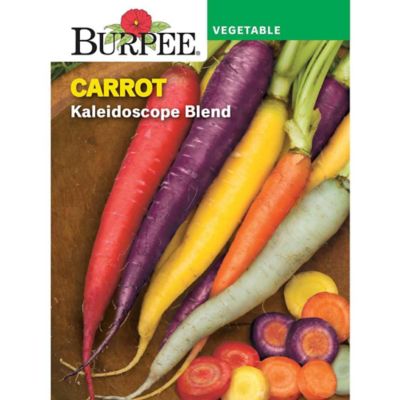
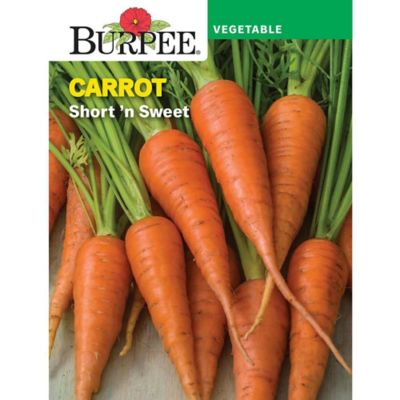
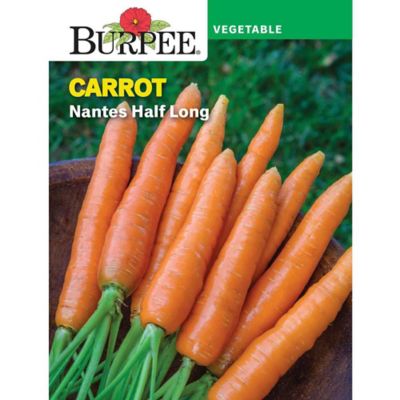
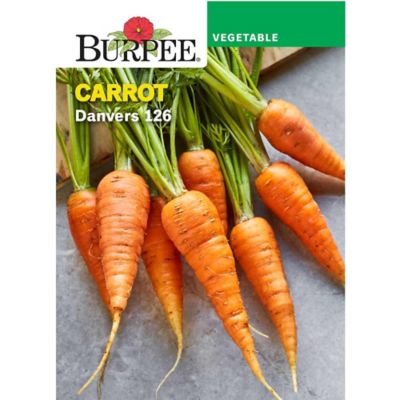
Carrot seeds for spring planting bring a cool-season staple to backyard vegetable patches, raised beds, and deep containers. From a few rows beside the porch to a larger kitchen garden out past the shed, carrots fit spaces where loose soil and steady moisture give their roots room to grow. Their appeal goes well beyond the familiar orange crunch: carrot varieties can differ in color, shape, sweetness, mature length, and time to harvest. Those differences matter when choosing seeds for fresh snacks, roasting pans, soups, or storage after harvest. Long, slender carrots generally need a deeper bed of finely worked soil, while shorter, broader-rooted types can be a better fit where the growing layer is shallower. Round-rooted types offer another option for containers, though every carrot still needs enough room beneath the surface to develop without crowding. Root shape is worth checking before choosing seeds, especially in a garden with clay soil or a history of small, forked carrots. No seed selection can make up for tightly packed ground, but matching the expected root size to the planting space gives the crop a better starting point. Color is another practical consideration as well as a bit of fun at the dinner table. Orange, yellow, white, red, and purple carrots can bring variety to a harvest basket, with flavor and interior color depending on the variety. A mixed-color planting can be especially appealing for families growing vegetables together, while a single type may suit gardeners who want similar roots for kitchen prep. Packet descriptions help narrow the choice by mature size, intended use, and days to maturity. Those maturity figures are estimates rather than a set harvest date; cool soil, uneven moisture, and crowded plants can stretch the growing period. For gardeners thinking ahead during the cooler months, choosing carrot seeds is a chance to match next season’s harvest to both the garden space and the meals that come out of the kitchen.
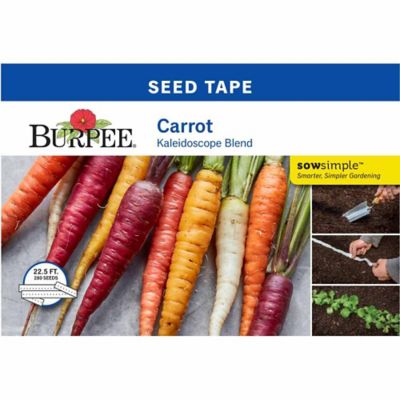
Spring planting suitability depends on the seed variety, local weather, and soil conditions rather than a calendar date alone. Carrot seeds are generally sown directly outdoors about two to three weeks before the expected last spring frost, once the soil is workable and temperatures reach roughly 45°F to 50°F. Germination can be slow at the cooler end of that range, so a chilly garden bed may take longer to show a row of green than a warmer one. Direct sowing suits carrots because moving young plants can disturb the developing taproot. For most garden plantings, seed placement is shallow, typically about 1/4 inch deep, with some packet directions allowing up to 1/2 inch depending on conditions. The directions for the selected seed should take priority. Carrot seeds are small, and that affects how they handle at planting time. Plain seed takes a light touch to spread evenly; pelleted seed has a coating that makes individual seeds easier to see and place. That coating needs sufficient moisture to break down, making consistent watering especially important. Seed tape provides another format, holding seeds along a strip at set intervals to simplify placement. These formats offer different ways to manage a narrow row without changing the crop’s basic need for a well-prepared seedbed. Seeds may be spaced about 1 to 2 inches apart initially, with seedlings later thinned to roughly 2 to 3 inches apart, depending on the variety’s mature width. Rows around 12 to 14 inches apart are common in home gardens, though the layout can vary with bed design and access. A gardener tending a raised bed from both sides may arrange planting space differently from someone leaving walking paths between long rows. Germination commonly takes 7 to 21 days and sometimes longer in cold soil. During that wait, the shallow seed zone needs consistent moisture without becoming waterlogged. A dry crust after rain or watering can make emergence harder for tiny seedlings. For shoppers comparing carrot seed formats, the amount of close attention a planting will need is just as useful to consider as root color or harvest size.
The best growing space for carrots has loose, well-draining soil with stones and hard clods removed from the root zone. A bed that looks smooth on top may still have a compacted layer underneath, and a root that meets an obstacle can bend or fork. Shorter-rooted varieties may be more practical in heavier ground, but clay still benefits from improved soil structure and drainage. Well-finished compost can help prepare the bed, while fresh manure and excessive nitrogen can contribute to branching roots or leafy growth at the expense of the harvest. Containers need drainage holes and a depth that exceeds the expected root length, leaving additional room for the growing medium beneath the carrot. A deep planter near an outdoor faucet can be a convenient choice for a small household, provided it receives ample sunlight and does not dry out between waterings. In larger plots, even moisture matters as roots size up, since swings between very dry and very wet conditions can contribute to splitting. Carrots generally grow best in full sun, and keeping weeds from crowding the row helps young plants compete for light, water, and nutrients. These everyday care needs make carrot seeds a good match for gardeners who enjoy checking a bed regularly rather than leaving it alone for long stretches. They can also make a thoughtful small gift for a vegetable gardener, particularly when the root type suits that person’s planting space. Someone planning more than a carrot patch can explore a
Garden Seed Kit as part of a broader vegetable-growing setup. Seed quantity deserves attention, too: a short container row and a family garden call for different amounts, and several smaller sowings can spread the harvest rather than bring every carrot to size together. Until planting time, seeds belong in a cool, dry place away from direct sunlight and damp shed corners. Keeping the packet provides a handy record of planting depth, spacing, and expected maturity. With those details matched to the space, carrot seeds offer a straightforward starting point for crisp roots pulled from the soil and carried straight to the kitchen.