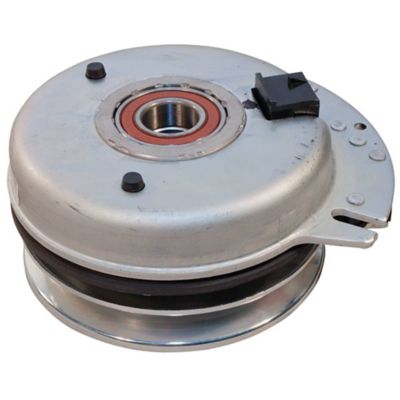
Drive clutches are the working link between an engine and the parts that move a machine. They connect and disconnect power from the engine to the transmission, wheels, cutting equipment, or other driven components, allowing the engine to run without constantly moving the vehicle or attachment. In everyday terms, a drive clutch helps a machine start smoothly, change speed, and keep the engine from stalling when the load changes. The right clutch depends on the equipment it serves, so start by identifying the machine’s make, model, engine size, transmission type, and original clutch specifications. Shaft diameter, keyway size, belt or chain arrangement, rotation direction, mounting pattern, engagement speed, and overall dimensions all matter. Even a clutch that looks close to the original may not fit the shaft or handle the same amount of power. When checking a replacement, compare the old part with the equipment manual and measure carefully rather than relying on appearance alone. A clutch that is too small may overheat under a heavy load, while one with the wrong engagement range can make the machine jerk, slip, or respond poorly. For lawn and grounds equipment, explore
Lawn Mower Clutches to find options suited to mowing and outdoor maintenance needs. These parts are useful for homeowners caring for a few acres, farmers keeping equipment moving through demanding work, property managers maintaining long drives and fields, and small-engine enthusiasts repairing go-karts, utility carts, compact equipment, and other powered machines.
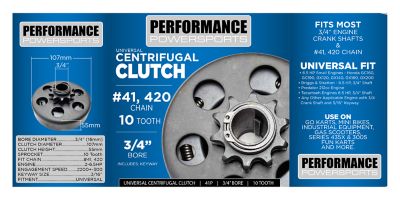
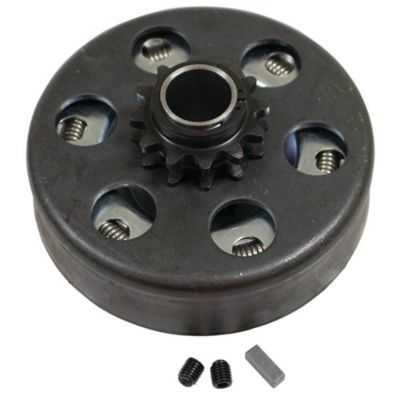
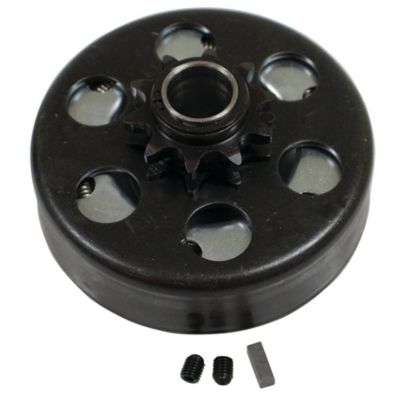
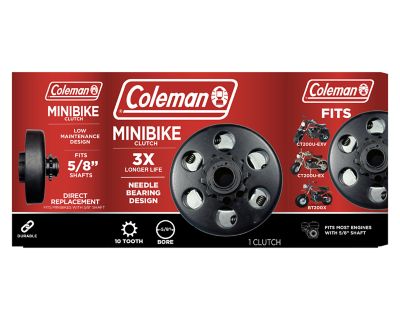
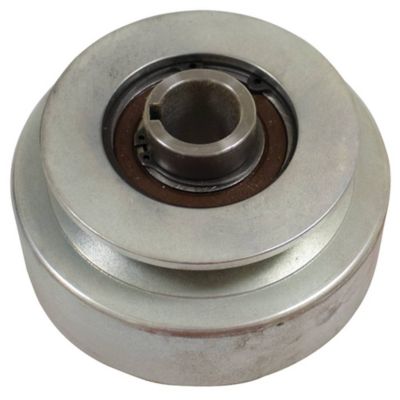
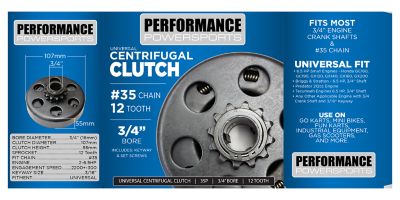
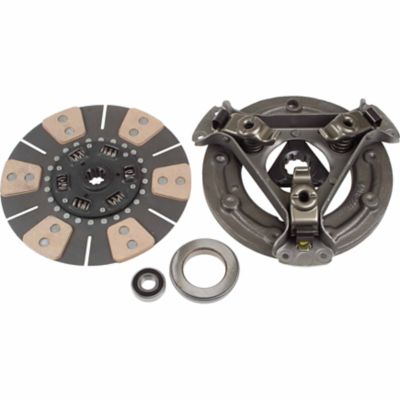
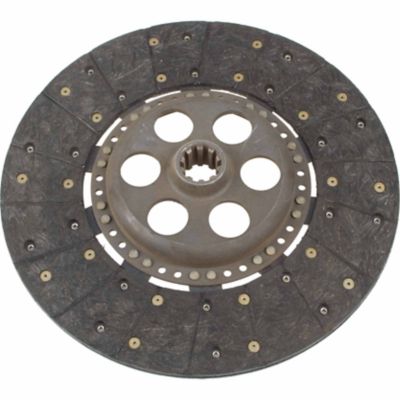
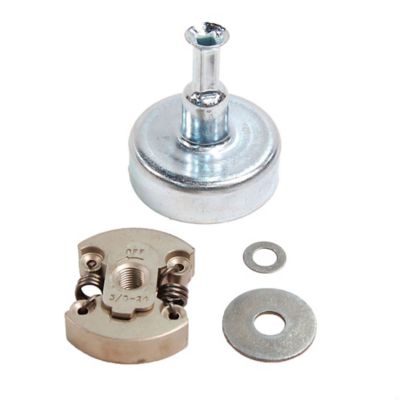
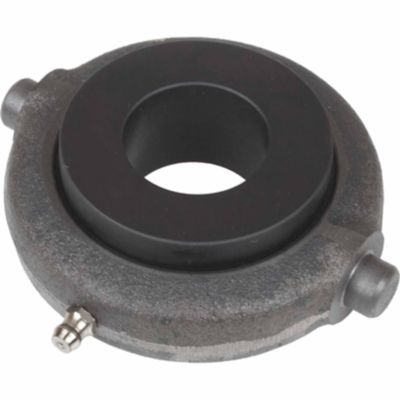
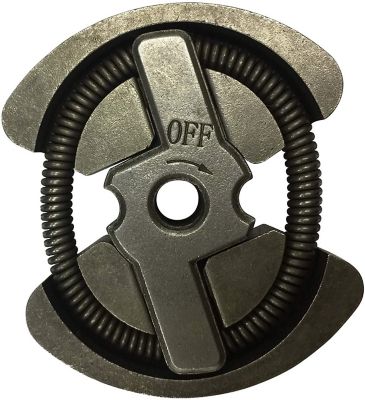
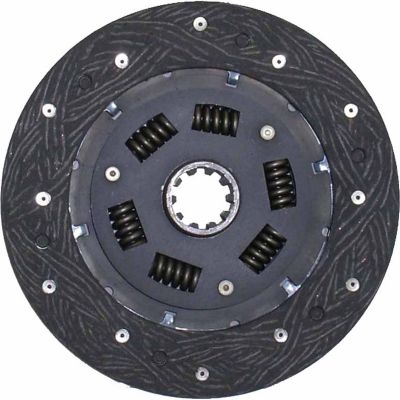
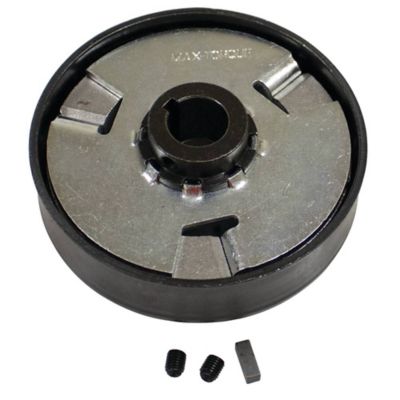
Drive clutch designs vary by how they transfer power. Centrifugal clutches use spinning weights and springs to engage automatically as engine speed rises, making them common on small engines, go-karts, mini bikes, and certain outdoor tools. They allow the engine to idle while the driven equipment remains still, then gradually send power through as the throttle opens. Manual clutches use a pedal, lever, friction disc, pressure plate, and related hardware so the operator controls when power reaches the gearbox. This setup is common in vehicles and equipment that need deliberate starts, gear changes, and load control. Continuously variable transmission, or CVT, systems use a drive pulley, a matching driven pulley, and a belt to adjust the gear ratio as engine speed and load change. These systems are found on equipment such as utility vehicles, scooters, golf carts, and some off-road machines. Higher-performance applications may use multiple friction plates to move substantial power through a compact assembly, but those parts still must match the intended transmission and operating conditions. Before choosing a clutch, consider how often the machine runs, how hard it works, the typical load, operating speed, terrain, and the amount of heat it may build during use. A machine hauling firewood over rolling ground places a different demand on its clutch than one used for light yard work on level ground. Frequent stop-and-go use, steep grades, towing, tall grass, heavy trailers, and repeated starts can all increase clutch wear. Choose components made for the equipment’s duty level, and do not raise engine power or change pulley sizes without confirming that the entire drive system can safely handle the added load.
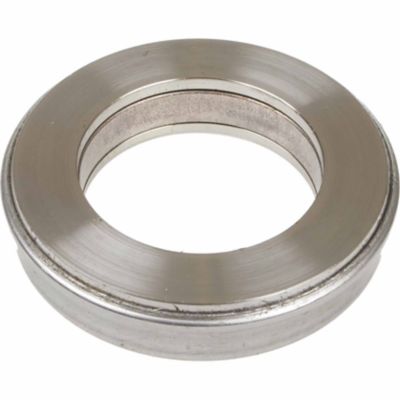
Clutch trouble often shows up in the way a machine sounds, smells, or responds. Slipping happens when the engine speeds up but the vehicle or equipment does not gain speed as expected. A sharp burning smell usually points to excessive friction and heat, often caused by a slipping belt, worn friction surfaces, an overloaded machine, poor adjustment, or a clutch that is engaging at the wrong speed. Grinding, rattling, squealing, or other unusual noises can signal worn bearings, damaged springs, misalignment, loose hardware, or trouble with the belt and pulley system. On equipment with a pedal, a soft control, a pedal that stays near the floor, or a clutch that engages suddenly may indicate a problem with the cable, linkage, hydraulic parts, pressure plate, or friction disc. Inspecting the surrounding parts is important because a new clutch may wear quickly if the belt is glazed, the shaft is bent, the pulleys are out of line, or the engine mount has shifted. Before service, shut off the engine, remove the key, disconnect the spark plug wire or battery when appropriate, let hot parts cool, and block or support the equipment securely. Follow the manufacturer’s instructions for removal, orientation, torque, adjustment, and break-in. During the warmer part of the year, a well-matched clutch helps outdoor equipment handle mowing, hauling, trail upkeep, and property work without unnecessary strain; during cooler months, it can help keep utility machines ready for chores around barns, driveways, and storage areas. Drive clutches also make practical gifts for a hands-on family member, small-engine hobbyist, or equipment owner who prefers keeping dependable machines working instead of replacing them. Careful fitment, sensible maintenance, and attention to early warning signs help protect the rest of the drivetrain and keep power moving smoothly when the work calls for it.