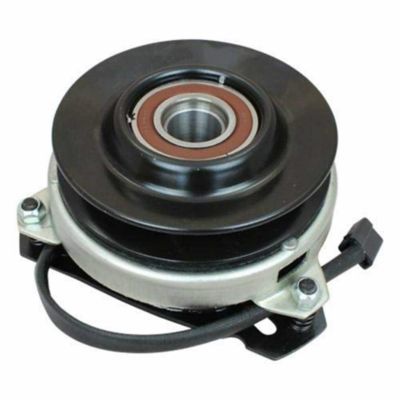
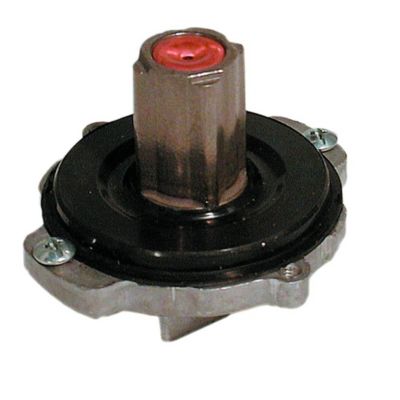
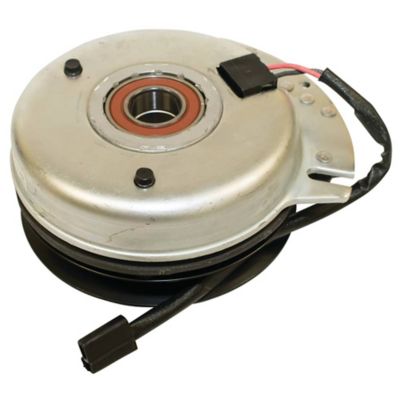
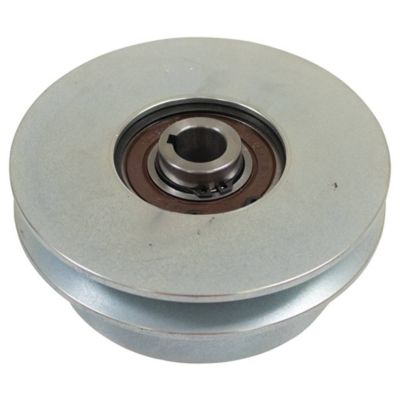
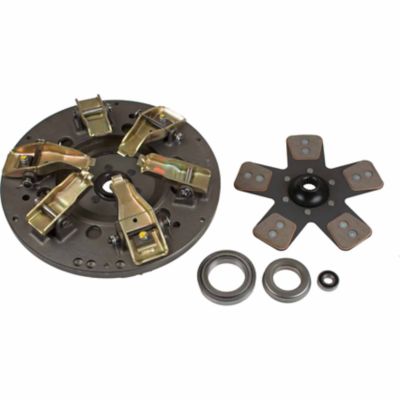
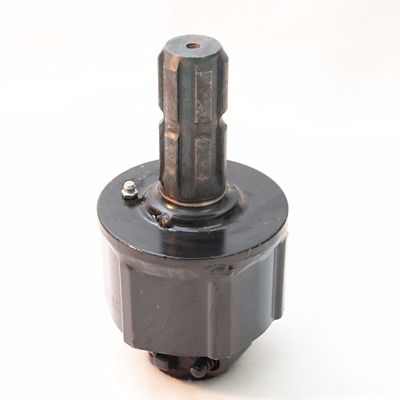
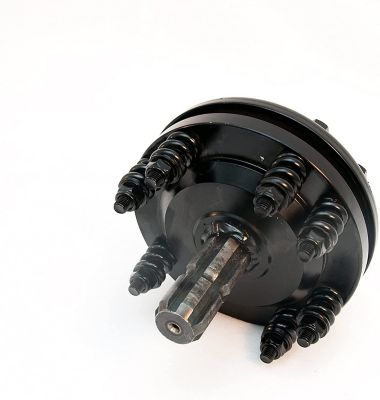
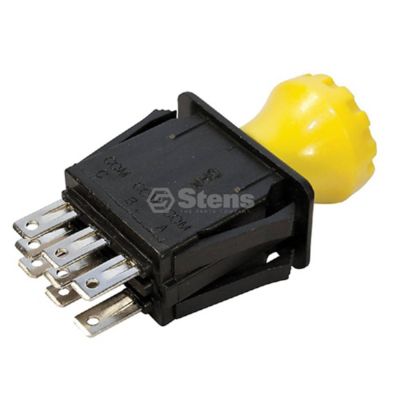
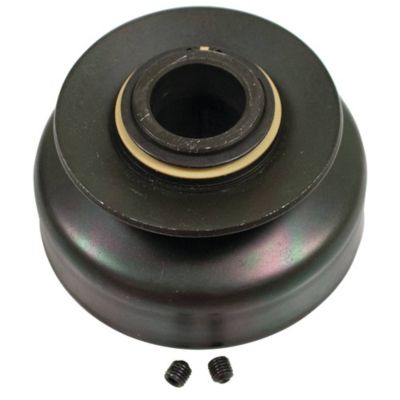
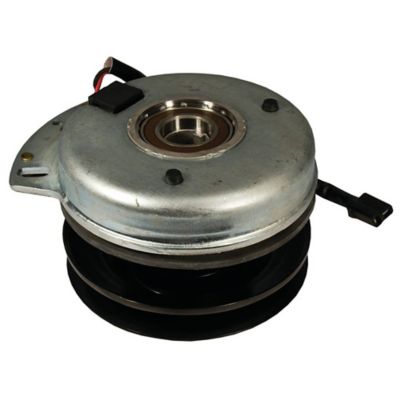
Clutches for lawn tractors, riding mowers, and agricultural tractors help control how engine power reaches the wheels, transmission, or working attachment. The right replacement depends on which job the clutch performs, not simply the size or appearance of the machine. An electric power take-off clutch, commonly called a PTO clutch, engages and disengages an attachment drive, such as the belt that turns a mower deck. On many riding mowers, an electromagnetic coil draws mating surfaces together when the operator activates the PTO switch, allowing engine power to turn the deck pulley. Some assemblies also incorporate a brake that helps stop the attachment when power is disengaged. A traction or transmission clutch serves a different purpose: it connects and disconnects engine power from the drivetrain so the operator can control movement or change gears as the machine’s design allows. Many mechanical tractor clutch systems combine a friction disc, pressure plate, and release mechanism, while other machines have different arrangements that require their own replacement components. Some tractors have separate stages for travel and PTO operation, making the exact clutch configuration especially important. These distinctions matter whether the work involves mowing around fence lines, moving materials between outbuildings, or operating a compatible implement across acreage. A mower clutch needs to match the attachment drive and electrical system; a tractor traction clutch needs to match the engine, transmission, and release arrangement. Neither category is a one-size-fits-all replacement. For landowners, farm operators, grounds crews, and folks maintaining equipment in a home shop, the value of a properly matched clutch is straightforward: controlled engagement and power transfer suited to the machine’s assigned work. A sound assembly helps the equipment perform as intended without asking the operator to compensate for slipping, dragging, or unpredictable engagement. That makes clutch selection a matter of matching the whole system rather than choosing a part that merely looks close.
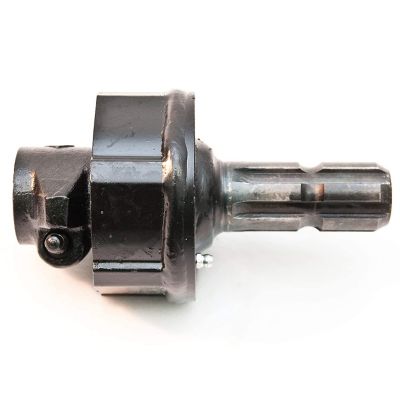
Fit begins with the machine’s complete model information, serial number, and the applicable replacement part reference. Equipment within the same general family can have different engines, deck configurations, production changes, or transmission designs, so a familiar hood shape or cutting width is not enough to establish compatibility. Electric PTO clutch fit can depend on the crankshaft bore, shaft length, mounting hardware, pulley diameter, belt profile, connector style, voltage, and torque-restraint arrangement. Rotation requirements and belt alignment also matter where specified. A connector that plugs in does not establish that the pulley, mounting dimensions, or operating requirements are right. Likewise, an agricultural tractor clutch disc must match details such as disc diameter, hub offset, spline count, and input-shaft size. Pressure plate configuration, release-bearing fit, and single-stage or dual-stage operation can be just as important. Clear application information is more useful than a broad statement that a clutch fits a certain type of tractor. Construction varies with the assembly’s function and the demands of the equipment. Steel plates, housings, and hubs carry mechanical loads, while friction facings provide the contact needed to transmit torque. Depending on the design, those facings may incorporate organic composites, metallic materials, or other engineered friction compounds. The material specified for a particular application affects engagement characteristics and wear behavior; a more aggressive facing is not automatically a better choice for every machine. Bearings, coil insulation, springs, and machined contact surfaces also contribute to service life, even though they may be less visible than the pulley or pressure plate. Replacement choices may range from individual clutch components to complete assemblies, and the included hardware or supporting parts can vary. For properties running more than one make of equipment,
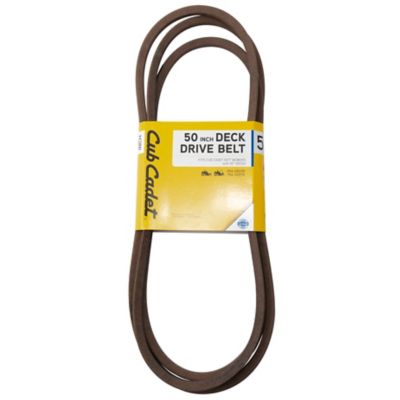
Cub Cadet PTO Clutches provide a separate application category to consider, with compatibility checked against each machine’s own specifications rather than assumed across makes.
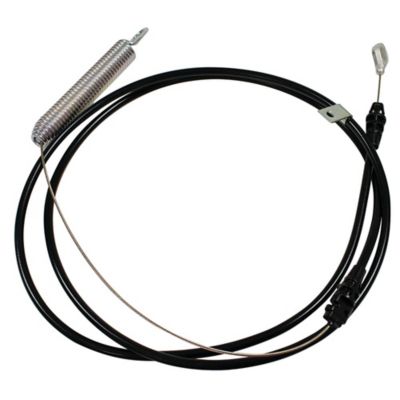
Clutch performance is tied to the condition of the surrounding equipment as much as to the replacement assembly itself. Blades that slow under a normal cutting load, tractor movement that falls off while engine speed stays steady, delayed engagement, or grinding and rattling can point toward a clutch-related problem, but those symptoms do not identify the cause on their own. A worn belt, binding pulley, weak electrical supply, damaged connection, incorrect pedal adjustment, or another drivetrain fault can produce similar trouble. On an electric PTO system, the switch, wiring, charging system, and safety interlocks all play a part in proper operation. On a mechanical tractor clutch, linkage movement, release components, and the condition of the mating surfaces affect how cleanly the clutch engages and releases. Where a design specifies pedal free play or an adjustable air gap, those settings belong to the machine’s service requirements rather than a general rule for every clutch. Care also depends on whether the assembly operates dry or within a lubricated system. Dry friction surfaces need protection from oil and grease, while wet clutch systems require the specified fluid and maintenance practices. Lubricant is not a general remedy for clutch noise or slipping, and many sealed bearings are not intended for added grease. Keeping belt paths clear of packed grass and checking for leaks near a dry clutch can help protect related parts from unnecessary wear. Riding a clutch pedal, repeatedly slipping the clutch to manage a load, or operating an attachment beyond the machine’s rating can shorten service life. Installation deserves the same attention as selection: correct fasteners, specified tightening values, proper alignment, and intact guards all matter. Tractor clutch work may involve separating major machine sections, making suitable support equipment and an experienced technician important considerations. Whether the equipment spends its days tending a small acreage or handling regular farm chores, a replacement matched to the application, paired with sound surrounding components and proper care, supports steady operation for the work ahead.