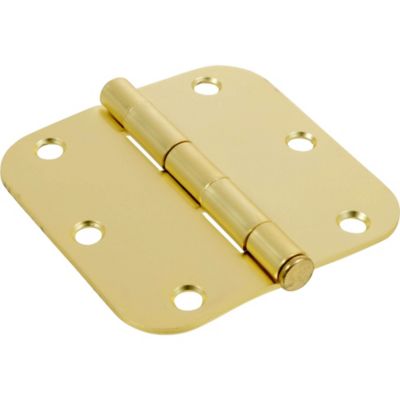
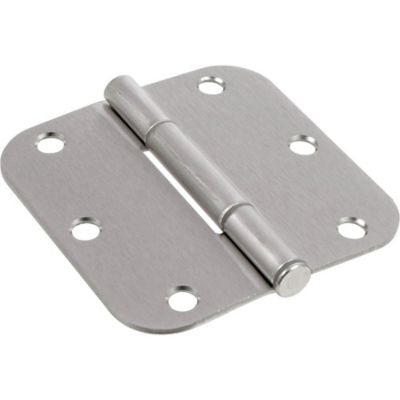
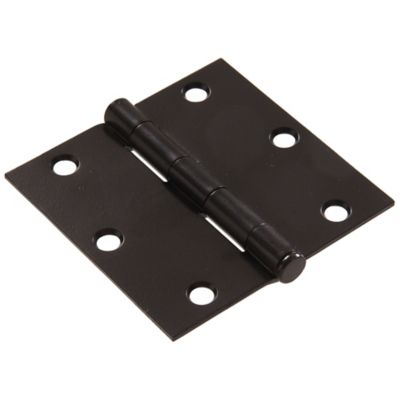
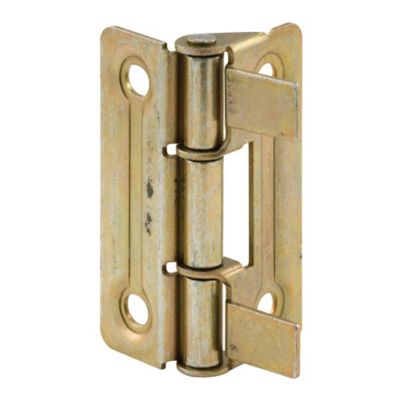
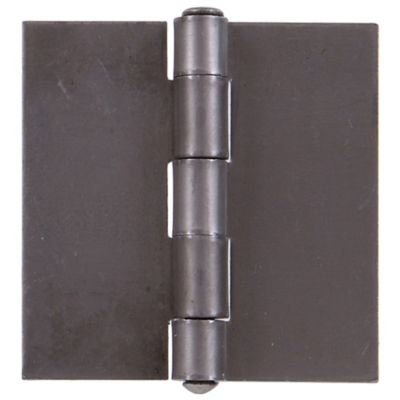
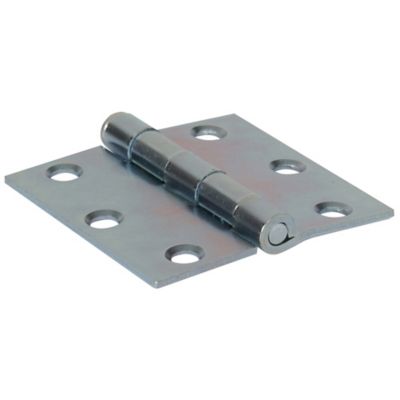
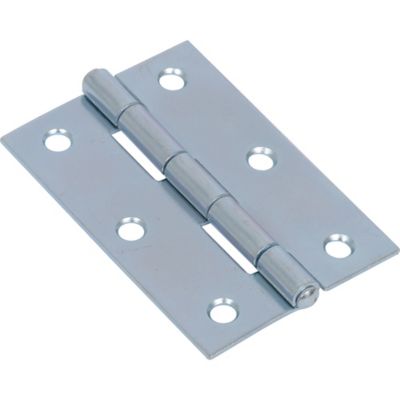
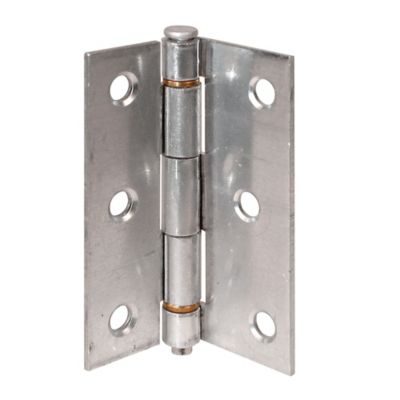
Door hinges for interior doors keep everyday traffic moving, from a bedroom off the hallway to a pantry beside the kitchen. A common size for standard interior doors is 3.5 inches by 3.5 inches, with square corners or rounded corners featuring a 1/4-inch or 5/8-inch radius. That size generally describes the hinge’s height and its overall width when opened flat, not the width of a single leaf. It is a common starting point rather than a fit for every door; taller, thicker, or heavier doors may call for larger hinges. Matching an existing setup means considering the hinge dimensions, corner shape, leaf thickness, and screw-hole layout together. The shallow recess in the door edge and jamb, called a mortise, helps the hinge leaves sit flush. A square-corner leaf will not seat neatly in a rounded recess without changes, and a different corner radius can leave gaps or interfere with the fit. Even two hinges with the same outside measurements can have different hole patterns, so dimensions alone do not tell the whole story. Many interior passage doors are about 1 3/8 inches thick, while some heavier doors are thicker; the actual door construction matters more than the room’s name. A lightweight hollow-core bedroom door and a solid-core office door can look much alike while placing very different loads on their hardware. Hinge placement matters, too, especially when replacing hardware on a door that already swings freely and has even gaps around its edges. Matching the existing recesses and hinge locations can help preserve that fit. On a painted door, built-up paint around the leaves may hide their true outline or keep replacement hardware from seating flat. For a house with several doors along one hall, matching hinge dimensions and visible finishes can bring a tidy, consistent look without changing the doors themselves. The best fit supports the door comfortably, clears the frame throughout the swing, and lets the latch meet the strike without lifting or pushing the door into place.
Materials and construction help determine how interior door hinges handle years of opening and closing. Steel is a common choice for indoor hardware, with plated or coated finishes that provide color and help protect the underlying metal. Stainless steel can make sense where dampness is a concern, such as a bathroom or laundry area, though its corrosion resistance depends on the alloy and surrounding conditions. Solid brass offers a different material choice from steel with a brass-colored finish; the appearance may be similar at first glance, but the base metals and care needs differ. Finish names alone do not identify what is underneath, so material descriptions matter when coordinating hardware across several rooms. Black, brass-tone, nickel-tone, and other finishes can complement door knobs, levers, and nearby hardware without requiring every surface to have exactly the same sheen. Beyond appearance, the hinge’s construction affects how it carries the load. Plain-bearing hinges suit many everyday residential applications, while ball-bearing designs can reduce friction on heavier doors or doors that get frequent traffic. A busy hallway bathroom, for example, puts more cycles on its hinges than a seldom-opened linen closet. Door weight, width, height, and the manufacturer’s recommendations all factor into hinge size and quantity. Three hinges are common on full-height interior doors, but that is not a universal rule or a substitute for the stated load requirements. A taller or wider door puts different demands on the hinge side, even when its weight seems modest. Load ratings also need to be read in context, since a rating may apply to a specified number of hinges and a particular installation. Removable-pin designs can simplify taking a door down for painting or moving furniture, while other pin arrangements serve different purposes. Handing, swing direction, and clearance deserve attention whenever a hinge design is not reversible. Those details help distinguish hardware that merely resembles the old hinge from hardware that belongs in the same opening.
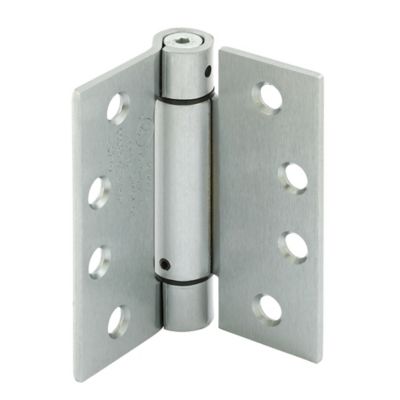
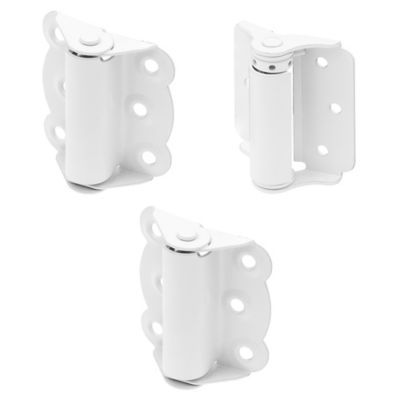
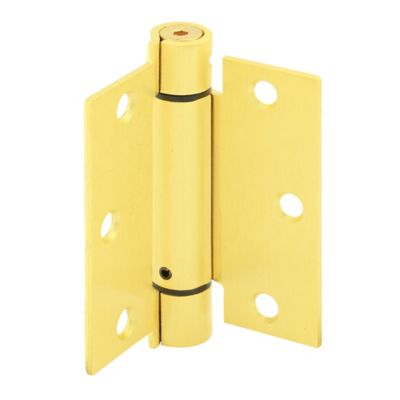
Intended use brings the smaller details into focus. A bedroom door benefits from a smooth swing and quiet movement, while a pantry door needs enough clearance to open comfortably beside shelving, trim, or nearby cabinets. In a farmhouse hallway with tight turns, the door’s swing path can matter just as much as its finish. Hinge geometry, the frame, and any door stop work together to determine where the slab travels; replacing a standard hinge does not automatically increase its opening range. For openings where a door should return toward the closed position,
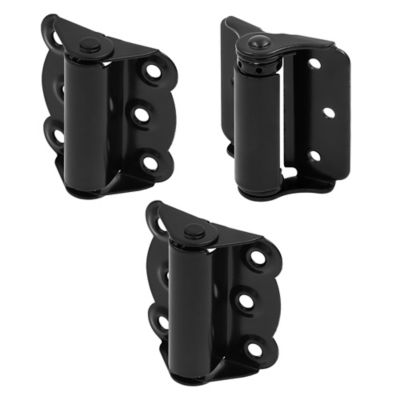
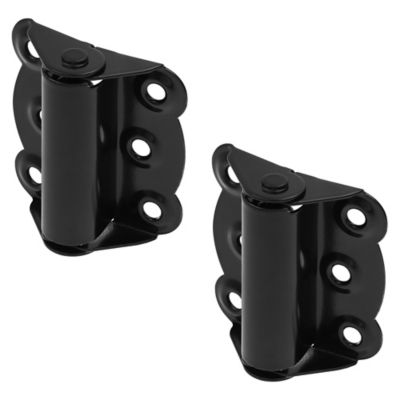
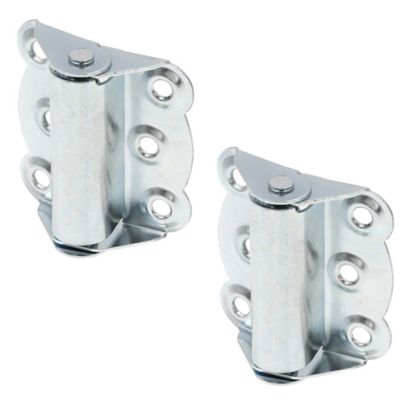
Door Closing Hinges offer a related hardware option. Spring tension, door weight, hinge count, and manufacturer requirements all affect that choice, and a closing hinge is not necessarily a soft-close mechanism. A door that swings shut still needs proper alignment to latch. Where an opening has a fire-rated door or another code requirement, replacement hardware needs to meet the assembly’s listing and applicable requirements rather than simply match the old finish. Everyday care is usually straightforward: a soft cloth removes dust and fingerprints, while a cleaner suited to the finish helps avoid scratches or discoloration. Lubrication requirements vary by hinge design, so the manufacturer’s directions are the right reference before adding oil or another lubricant. Too much lubricant can collect grit or leave marks on painted trim. Squeaking, sagging, and rubbing also deserve different explanations. A squeak may come from friction at the pin or bearings, while a sagging door can point to loose screws, worn hardware, or trouble with the frame. Replacing a hinge alone will not correct every sticking door. Sound screw attachment and properly aligned leaves give the hardware a firm foundation, whether the project involves a rental property, a family home, or an office off the workshop. Hinges that match the door’s size, load, and daily use help keep an ordinary opening working the way it should, without a scrape across the floor or a shoulder against the latch.