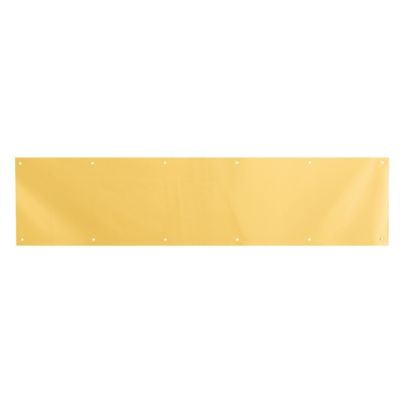
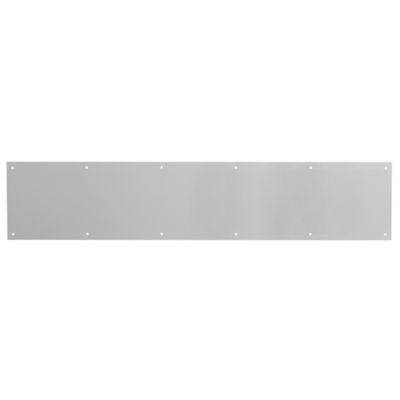
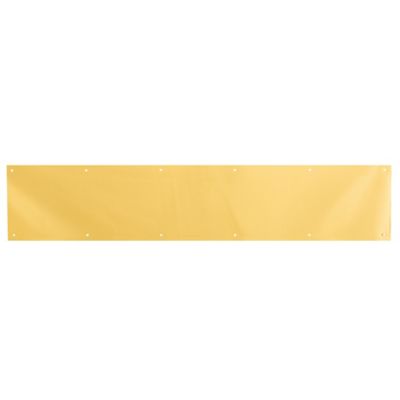
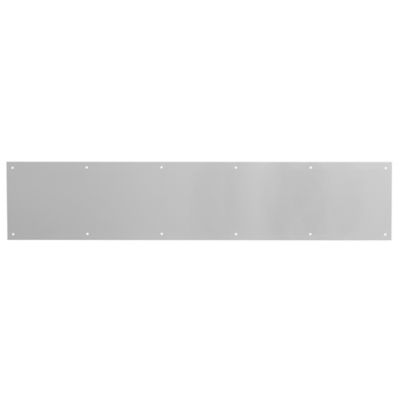
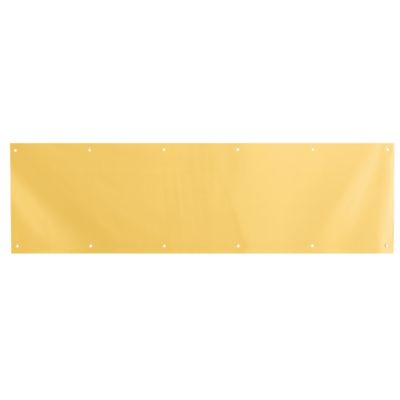
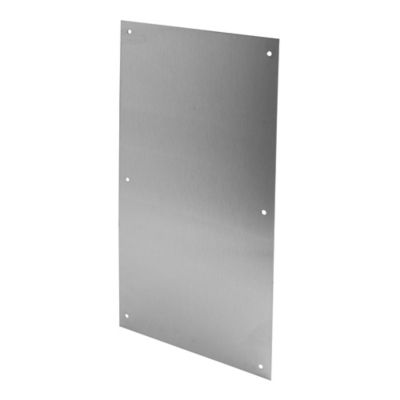
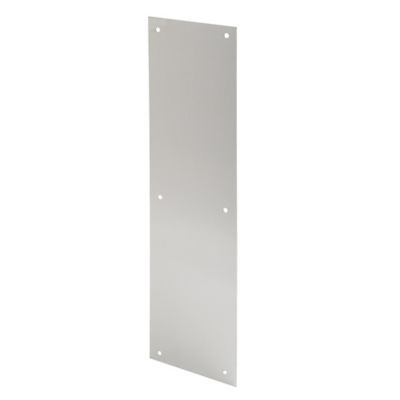
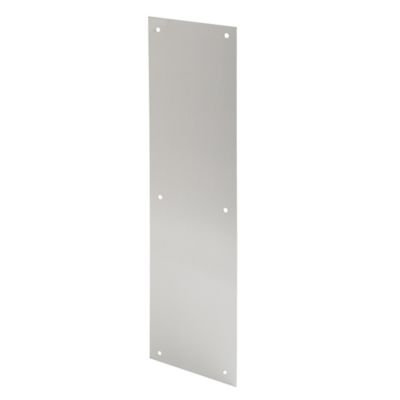
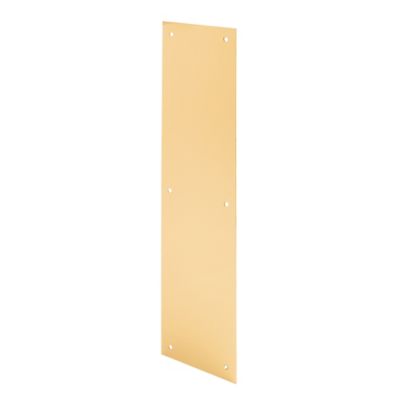
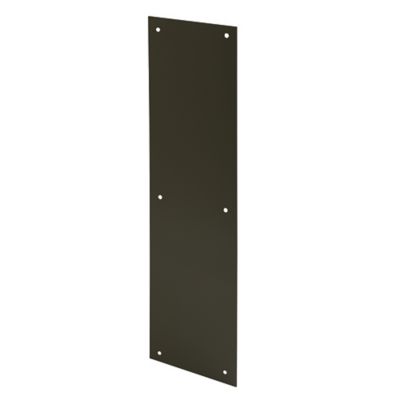
Kick plates for interior doors are a simple way to help protect the lower part of a door from the everyday bumps, scuffs and grime that come with a busy home, shop or outbuilding. The bottom section of a door takes plenty of abuse, especially in mudrooms, laundry rooms, workshops, utility areas and entryways where boots, boxes, pet paws and rolling equipment pass through. A well-chosen kick plate can help cover existing marks while giving the door a cleaner, more finished look. They can also make routine cleanup easier by creating a smooth, wipeable surface where dirt tends to collect. In a farmhouse or rural home, that little strip of protection can be especially handy when wet boots come in from the yard, firewood gets carried through the back hall or a large dog pushes through a door with more enthusiasm than precision. Kick plates are useful on wood, metal and composite interior doors, though the best choice depends on the door’s construction, the amount of traffic and the look you want to maintain. They are often used on doors leading to garages, basements, pantries, barns, workshops and mudrooms, but they can also add practical protection to office, storage and utility room doors.
Before choosing a kick plate, take careful measurements of the door’s width and the available height near the bottom rail. A plate should fit neatly without crowding the door’s edges, hinges, weatherstripping or nearby hardware. Measure the door itself rather than relying on a general size, since older homes, custom doors and utility buildings may not follow standard dimensions. Consider how the door swings and how much clearance is available when it opens against a wall, cabinet or another door. The material and finish matter, too. A sturdy metal surface is well suited to high-traffic areas where carts, boots or equipment may make contact, while a finish that coordinates with existing hinges, handles and other hardware can help the addition blend into the room. Smooth surfaces are generally easier to wipe clean, which is helpful near pet areas and work spaces, while a more textured finish may provide a subtle, hardworking appearance that suits a utility room. Installation style is another important detail. Some kick plates are made for straightforward screw mounting, while others may use an adhesive method suited to a clean, smooth surface. Check the door material, follow the installation directions and use the appropriate hardware. On hollow-core interior doors, take extra care with fastener placement so the plate sits securely without damaging the door. A level, centered installation will look more polished and help prevent corners from catching on clothing, bags or cleaning tools.
These door protectors can be a thoughtful housewarming gift for someone settling into an older home, fixing up a farmstead or building out a workshop. They are also a practical choice for landlords, property managers, maintenance crews and anyone getting a high-use space ready for cooler months, when muddy footwear and damp gear tend to spend more time indoors. Families with children may appreciate the added protection in hallways and play areas, while pet owners often use them near rooms where dogs or cats come and go throughout the day. In a small business, clinic, feed room or office, a kick plate can help keep a frequently used door looking presentable despite steady traffic. For exterior entry points exposed to weather, a separate option such as
Kick Plates for Storm Doors may be a better fit than an interior style. No matter where it is used, the most dependable results come from matching the plate to the door’s size, surface and daily demands. Wipe away dust and grit before installation, make sure the door is clean and dry, and check that the plate does not interfere with the latch or swing. A few minutes spent measuring and lining everything up can make the finished job look like part of the original door. From a busy mudroom with a row of work boots to a quiet hallway leading toward the bedrooms, kick plates for interior doors offer a modest upgrade that helps preserve the doors people use every day.