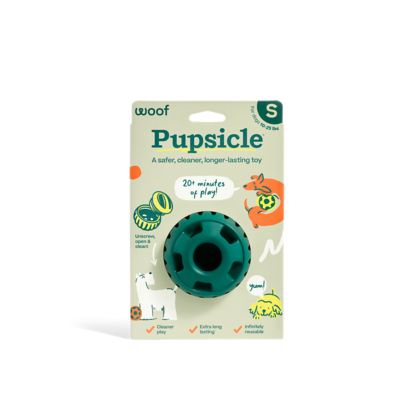
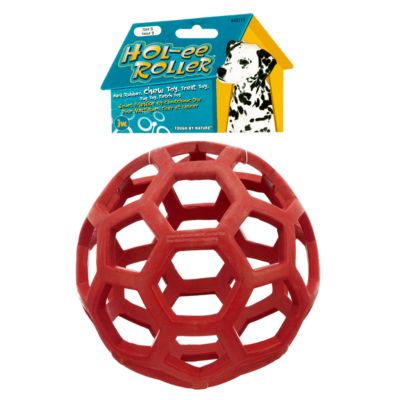
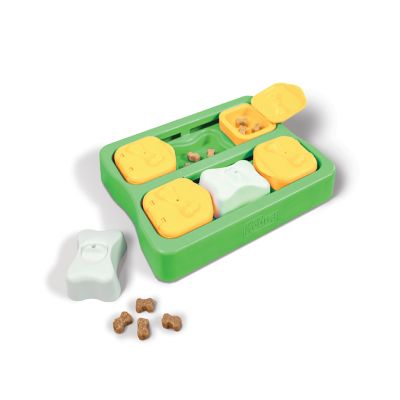
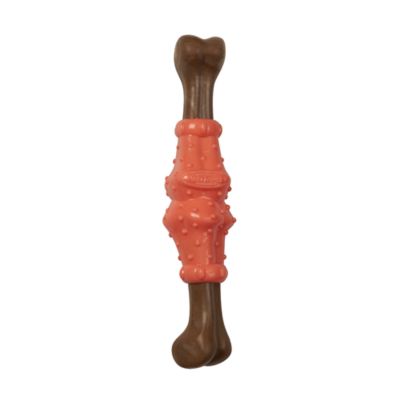
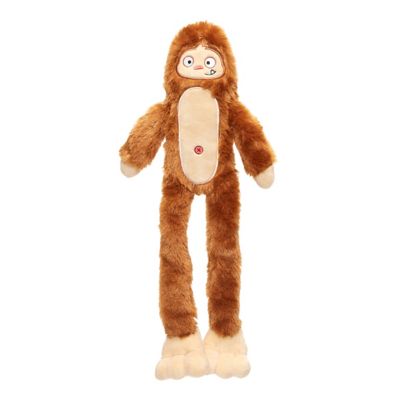
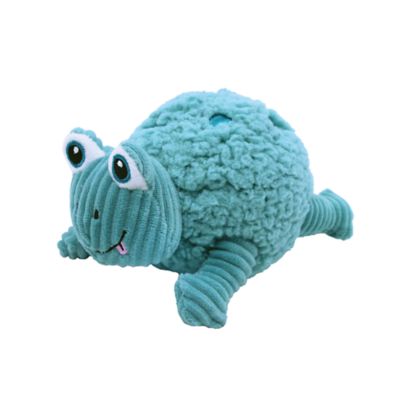
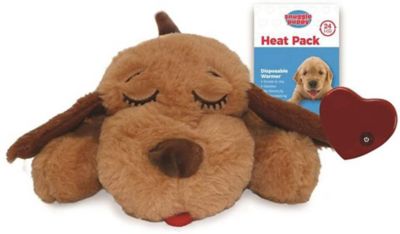
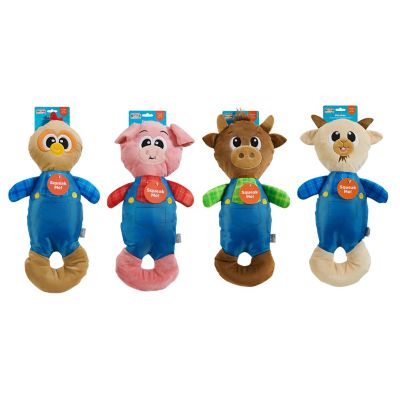
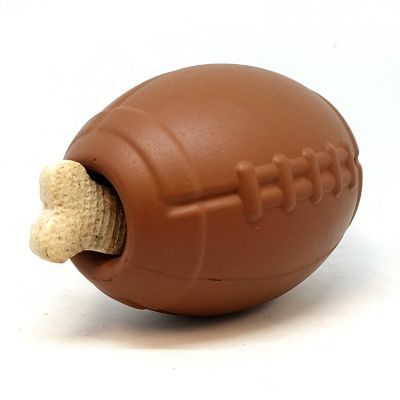
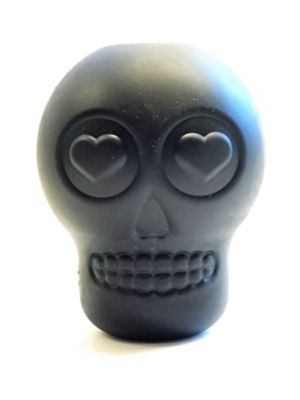
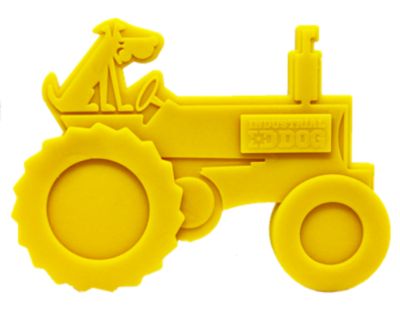
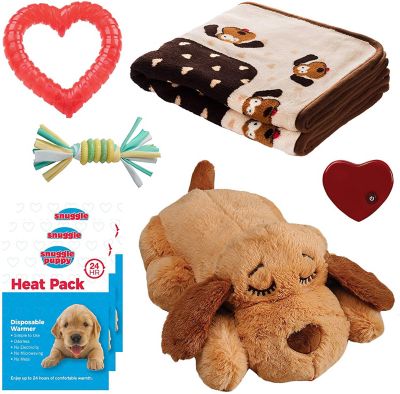
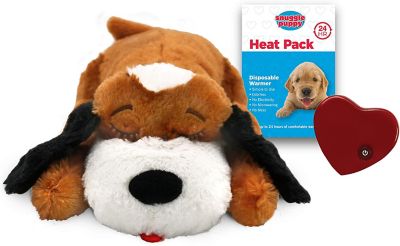
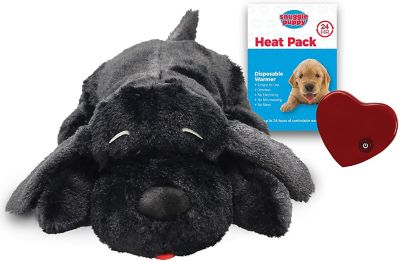
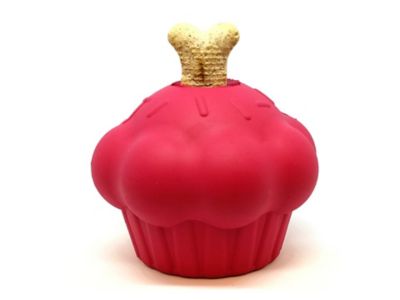
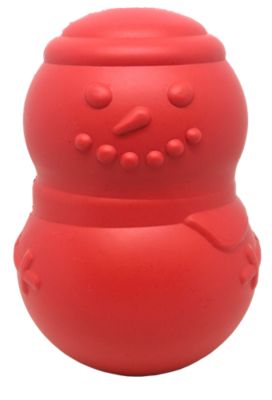
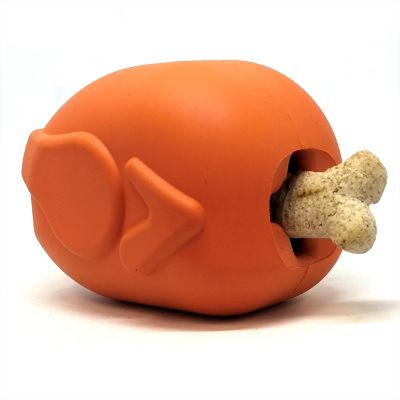
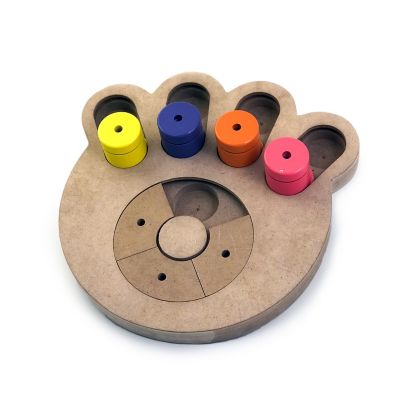
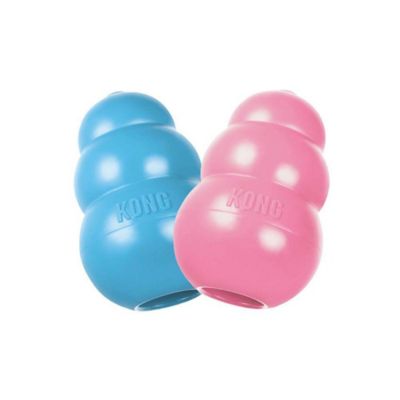
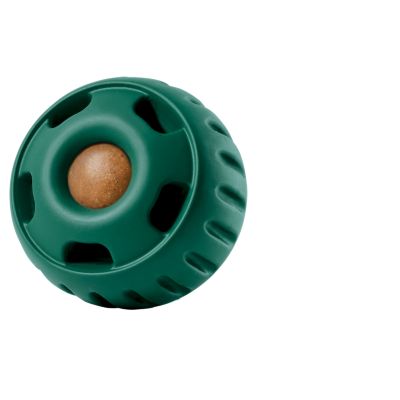
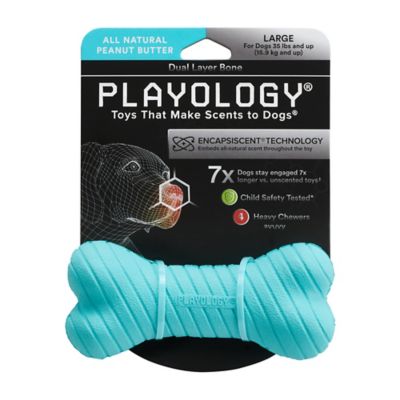
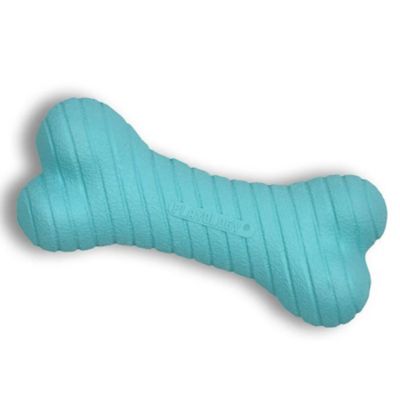
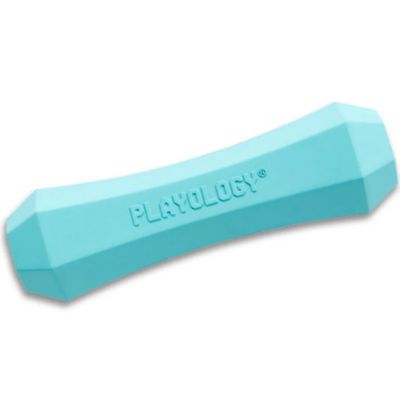
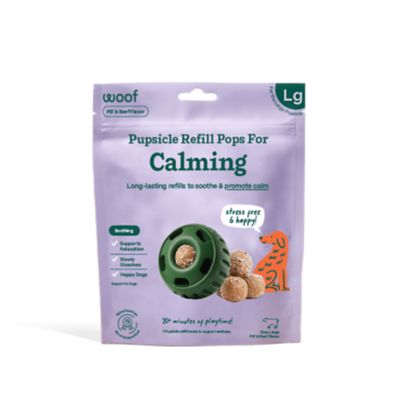
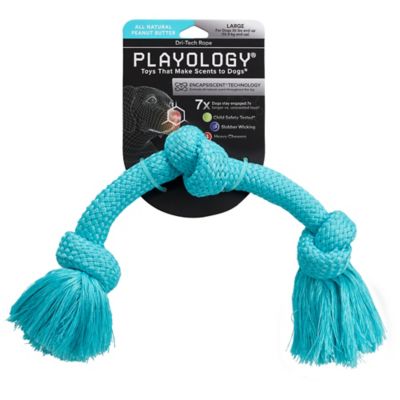
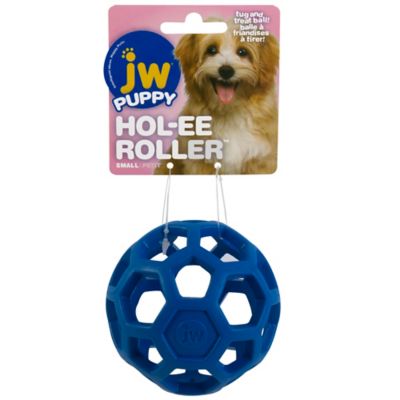
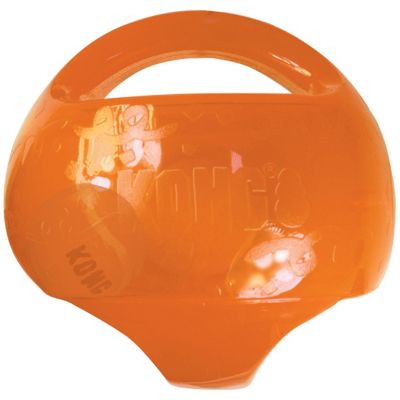
Dog toys for separation anxiety can give your dog a safe, worthwhile way to spend time when you step out for work, errands, appointments or chores around the farm. Dogs that struggle with being alone may pace from room to room, bark, scratch at doors, chew furniture or seem unable to settle after their person leaves. The right toy will not fix separation anxiety on its own, but it can help ease boredom and redirect nervous energy while your dog learns that alone time is safe. Interactive toys, treat-dispensing toys and comforting chew toys are popular choices because they keep a dog’s mouth and mind occupied. A hollow rubber toy packed with kibble, canned food or a favorite spread can turn a plain snack into a longer activity, especially when the filling is frozen for a firmer challenge. Puzzle toys that require nudging, rolling or lifting can also encourage problem-solving and give your dog a job to focus on. For more ideas, browse our selection of
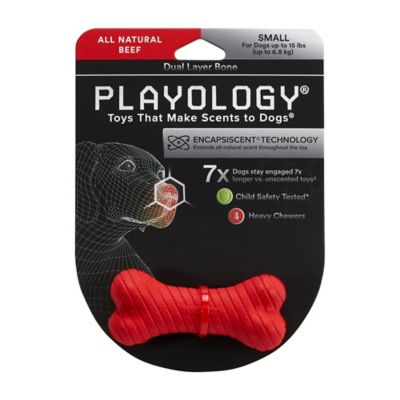
Interactive Toys for Dogs. Choose toys based on your dog’s size, chewing style and experience level rather than appearance alone. A determined chewer may need thick, durable materials, while a small or older dog may do better with a softer toy that is easy to carry and work with. Dogs with sensitive teeth, dental concerns or a history of swallowing pieces may need a different option and closer supervision.
When choosing toys for a dog that gets upset during separation, look for features that make the toy interesting without making it frustrating. Treat-dispensing designs should release food at a manageable pace, so your dog can figure out the game without giving up after a few minutes. A toy that is too difficult may add to stress, while one that empties immediately may not provide much lasting engagement. Start by introducing the toy while you are home. Let your dog sniff it, explore it and enjoy an easy reward before using it during a departure. You might place a few pieces of kibble inside, sit nearby while your dog works, and gradually increase the challenge as your dog gains confidence. Frozen fillings can last longer during cooler months and are useful for dogs that finish soft treats quickly, though every filling should be safe for your pet and suitable for their diet. Avoid foods containing xylitol and check with your veterinarian if your dog has allergies, digestive issues or dietary restrictions. Inspect toys often for cracks, loose pieces, torn seams or worn edges, and replace anything that could break apart. Wash food toys according to the care directions, keeping a small rotation available so the novelty does not wear off. A quiet morning routine might include a short walk, a potty break and a stuffed toy offered in a calm resting area before you leave. That steady pattern can feel reassuring, especially when cooler weather keeps dogs indoors for longer stretches.
These toys can be useful for many dogs, from a young pup learning that a crate or bed is a comfortable place to relax to an older companion that needs more mental activity during the day. They may also help dogs that are adjusting to a new home, a change in household routine or longer periods indoors. A treat-filled toy can make a thoughtful gift for a new dog owner, a neighbor with a recently adopted rescue dog or a friend whose pet spends part of the day alone. Pairing a durable toy with appropriate treats or a bag of everyday kibble makes the gift practical and easy to use. Still, use care when leaving any toy with a dog that has not tried it before. Observe the first few sessions, especially with strong chewers, and remove the toy if your dog bites off pieces or guards it intensely around people or other pets. Dogs with true separation anxiety may need a broader plan that includes gradual departures, enrichment, exercise, environmental adjustments and guidance from a veterinarian or qualified behavior professional. In some cases, a dog may panic even with a favorite toy nearby, and that is a sign the issue calls for more support rather than a more challenging puzzle. Keep departures and arrivals low-key, offer the toy in a familiar safe area, and avoid using it as a substitute for companionship, training or medical care. With the right fit and a little patience, a well-chosen toy can add structure to the day, soften the quiet of an empty house and give your dog something satisfying to do while you are away.