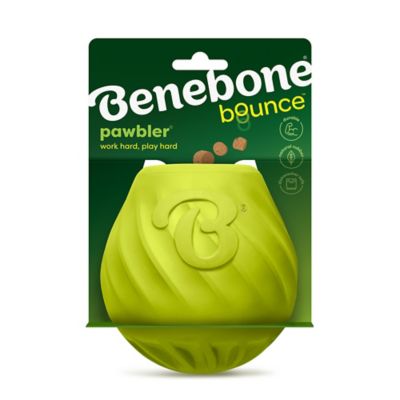
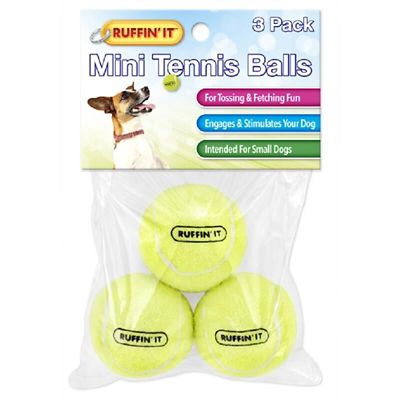
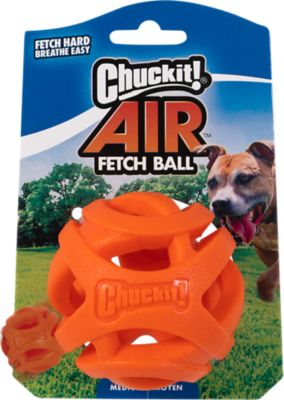
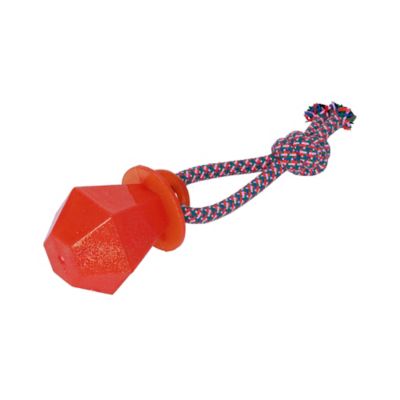
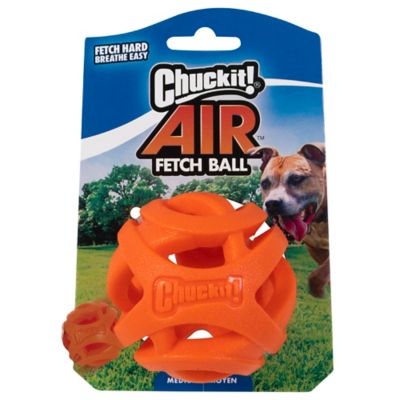
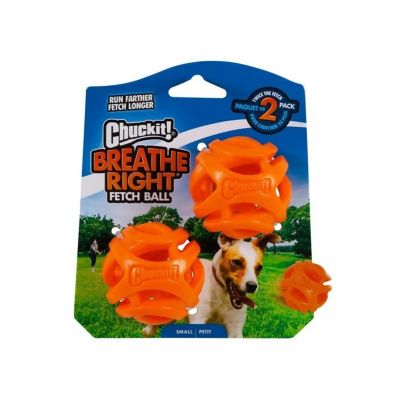
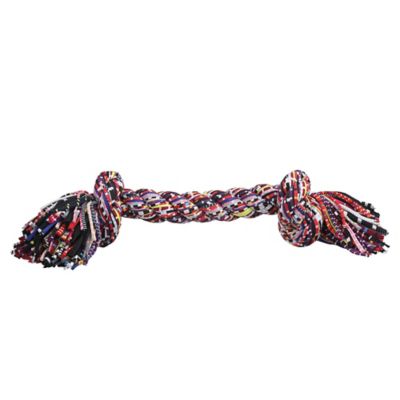
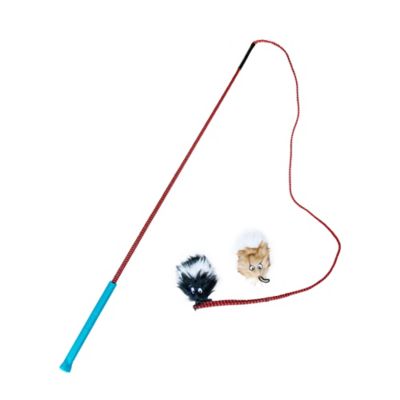
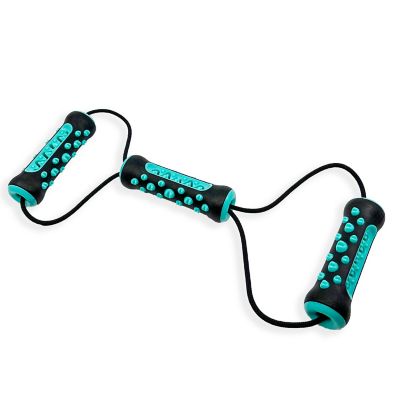
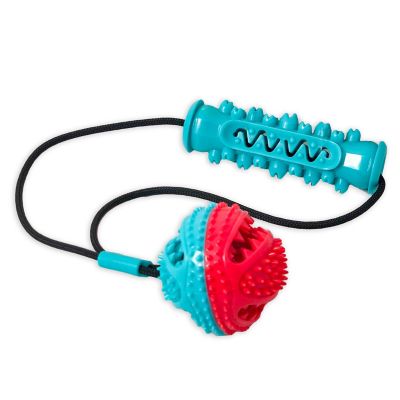
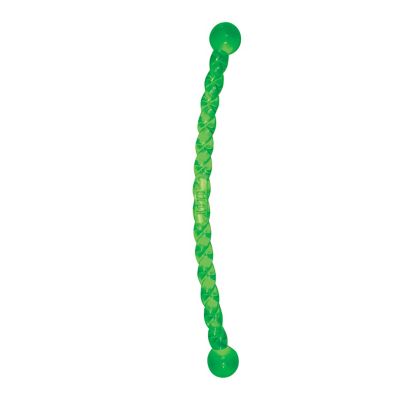
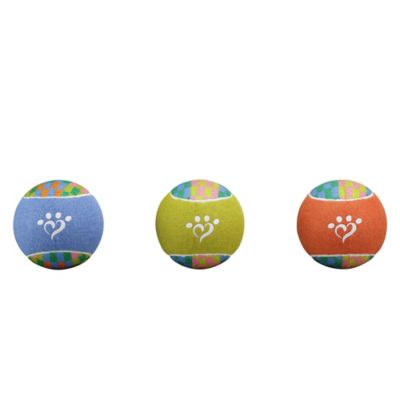
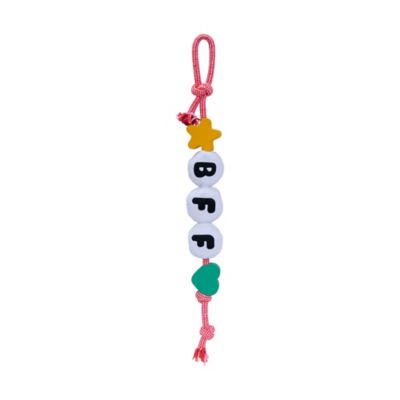
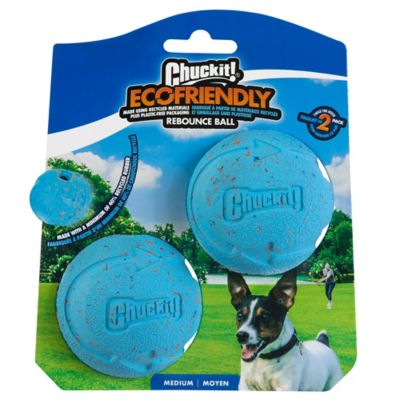
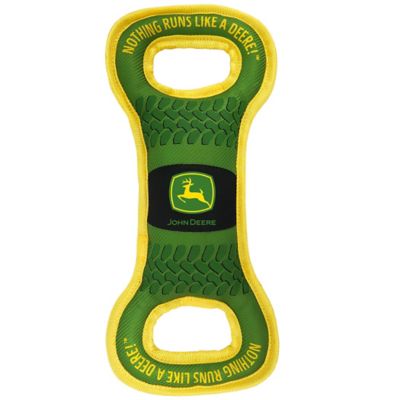
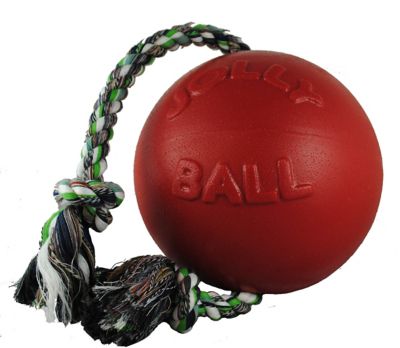
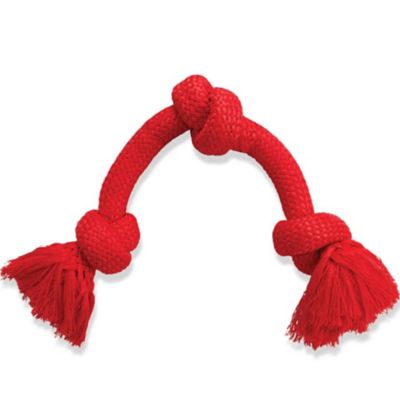
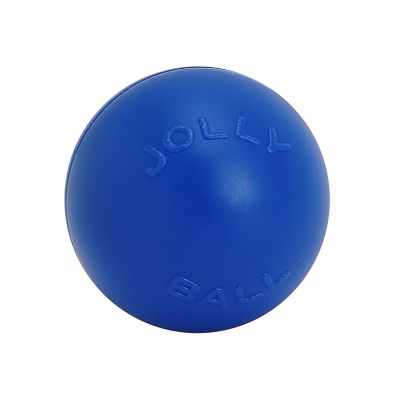
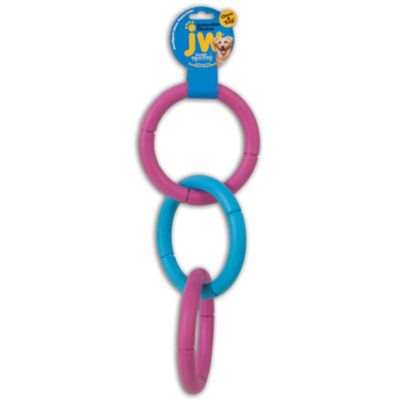
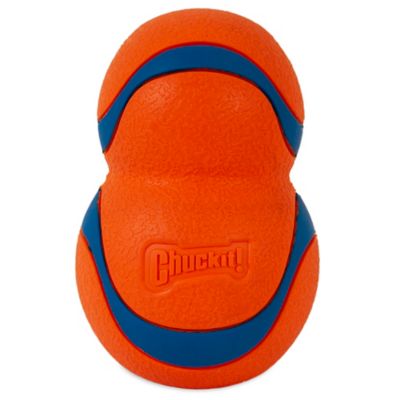
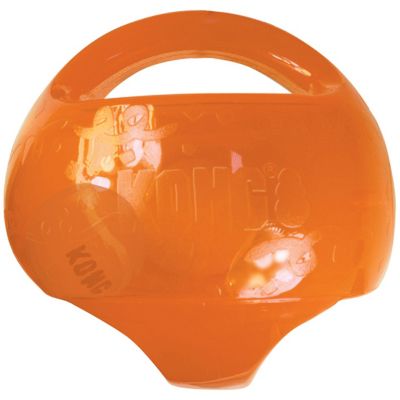
Dog toys for exercise bring movement into everyday play, giving dogs something to chase, carry, retrieve, or pull while spending time with their people. Fetch balls, flying discs, tug toys, and chase toys support different kinds of activity, so the right choice depends on how a dog likes to move, how much room is available for play, and how closely someone can supervise. A dog that races after every tossed ball may enjoy repeated retrieves across a fenced yard, while one that would rather grab and pull may get more out of a shared tug game. Rolling toys offer another way to encourage pursuit without making every throw an invitation to leap. Ball launchers can help send compatible fetch balls farther, though a longer throw is only helpful when the space and the dog’s fitness allow for it. Flying discs invite running and tracking, with low throws offering an alternative to high catches. Flirt poles pair a handle and line with a chase target, making it possible to direct movement within a smaller area. Ground-level sweeps give dogs something to follow without encouraging repeated jumps or sharp turns. These toy types serve different play styles rather than one single exercise goal. Short retrieves can suit a dog learning to bring something back, while a longer stretch of controlled fetch may appeal to a healthy adult dog with more stamina. Tug offers close interaction when there is less room to run, and carrying a favorite toy can add interest to a walk around the property. Exercise toys also give willing dogs a rewarding outlet between walks and other daily activities. They work best as part of a varied routine, not as a reason to keep a dog running past the point of comfortable effort. Puppies, older dogs, and dogs returning to activity may need gentler play and shorter sessions, with a veterinarian’s guidance when health or mobility concerns affect their exercise.
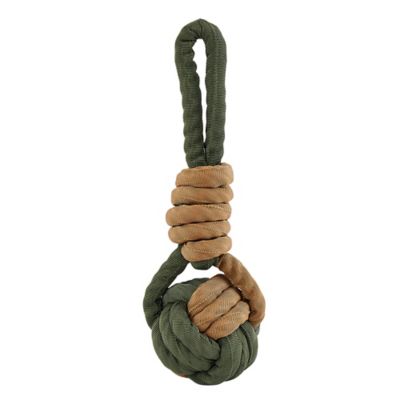
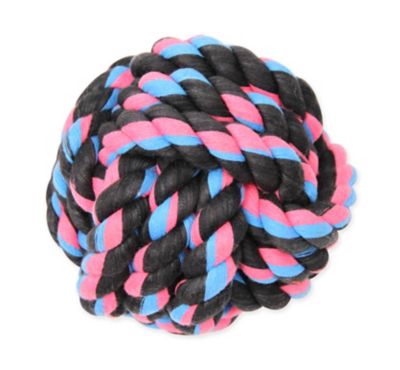
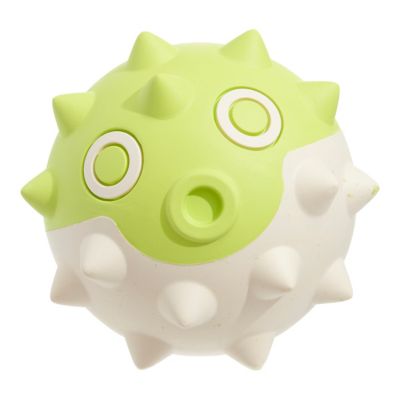
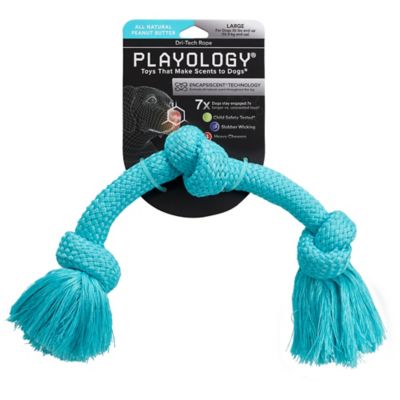
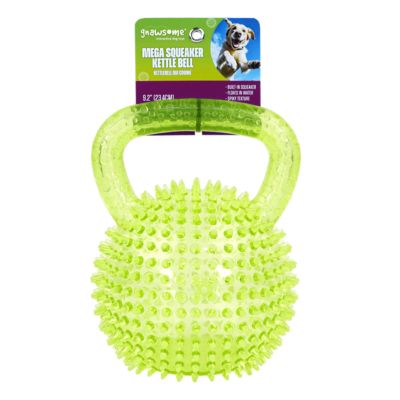
Materials, size, and construction make a real difference in how an exercise toy handles a busy afternoon. Rubber toys may offer a springy bounce or a flexible grip, while molded shapes with ridges can be easier for some dogs to pick up. Weight and firmness matter along with the material: a heavy toy can be awkward for a small dog to carry, and a very hard surface may not be a good match for forceful biting. Lightweight fabrics and soft flying discs can suit dogs that prefer a gentler feel in their mouth, though exposed seams deserve attention when a dog likes to pull things apart. Woven rope gives both dog and handler something to grip during shared tug games, but loose strands are a reason to stop play and replace the toy. No material is indestructible, and a toy made for fetching is not necessarily meant for long chewing sessions. Fit should account for mouth size as well as body size. A ball needs to be large enough that it cannot slip entirely into the dog’s mouth, yet manageable enough to carry comfortably. Tug toys benefit from enough length to keep hands clear of teeth, while handles should allow a steady hold without wrapping rope or straps around fingers. For launchers, the ball must match the launcher’s stated size requirements. A dog’s habits matter, too: an eager retriever that returns a ball intact places different demands on a toy than a determined chewer that settles down to work at its edges. After play, a quick check for cracks, missing pieces, split seams, or stretched attachment points helps catch wear before another round. Cleaning should follow the care directions for the material, especially when toys collect dirt, saliva, or feed dust near the yard or barn. Rinsing where permitted, drying thoroughly, and storing toys away from chewing between sessions help keep exercise gear ready for its next outing.
The best setting for active play is one where the dog has secure footing, a clear path, and enough space to slow down. A fenced yard can make fetch easier to manage, but holes, equipment, fence corners, and nearby livestock still shape where a throw should land. Indoors, a soft rolling toy or a brief tug game may fit better than a long chase across a slick floor. Straight retrieves and broad turns generally leave more room for controlled movement than sudden changes of direction. For dogs that love pursuit, a flirt pole’s reach and line length should match the available space; a small circle does not leave much room for a large dog to turn comfortably. During tug, a low, steady hold keeps the game closer to the ground, and a clear release cue helps make the back-and-forth manageable. Exercise toys can also support simple skills such as waiting before a throw, returning to the handler, and trading one toy for another. Those small pauses give an excited dog a chance to settle before the next burst of activity. For a mix of movement and problem-solving,
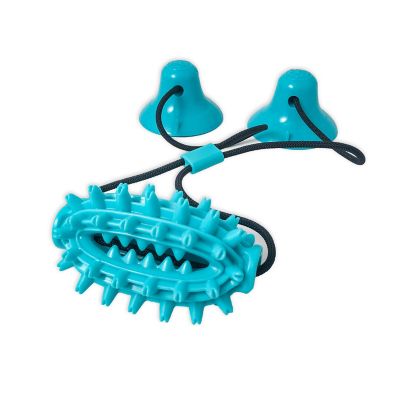
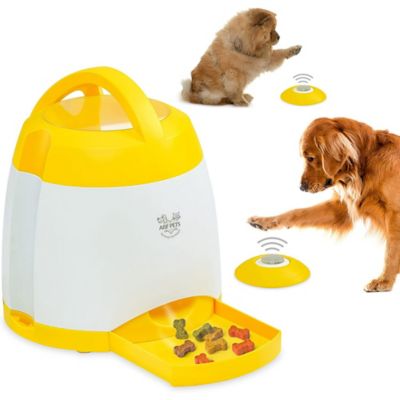
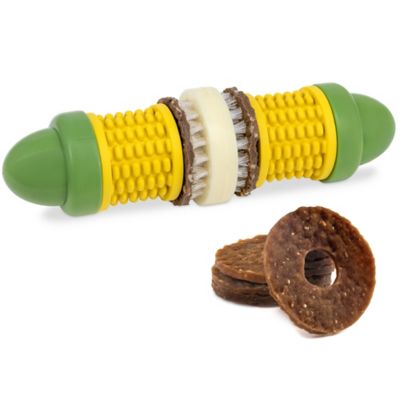
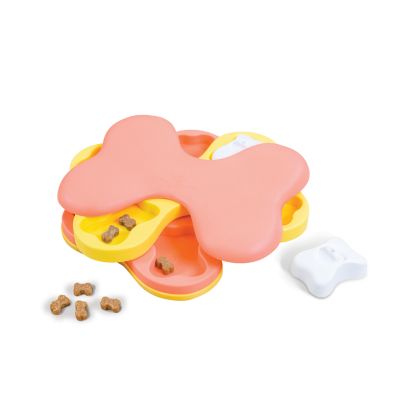
Interactive Toys for Dogs can complement fetch and tug with play that asks a dog to think as well as move. Food-dispensing designs may encourage nudging or rolling, while shared play toys keep a person involved in the action. Supervision matters across these styles, particularly when a dog mouths attachments or tries to swallow pieces. A few good rounds with breaks can be more suitable than one long stretch of hard running, and slowing down, lagging behind, or losing interest signals that it is time to stop. Keeping drinking water nearby and allowing a relaxed finish makes active play easier to work into daily life. Whether the routine includes a quick game after chores or a longer session in an open yard, well-matched exercise toys give dogs a clear, enjoyable reason to get moving.