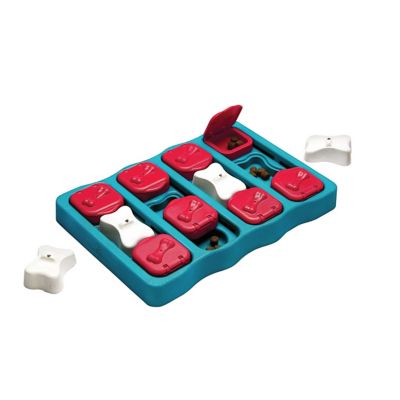
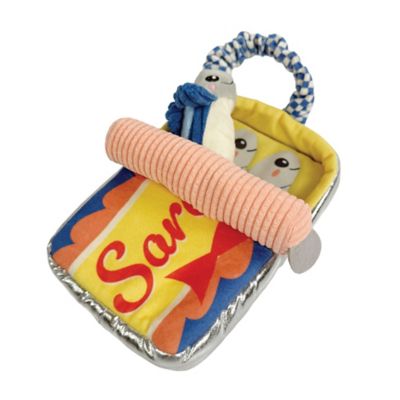
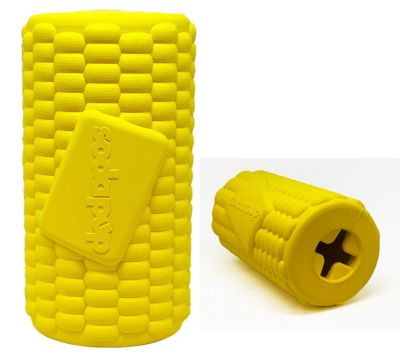
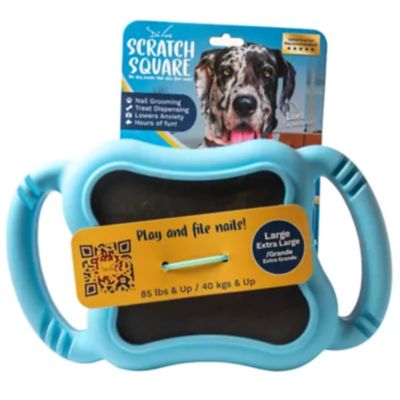
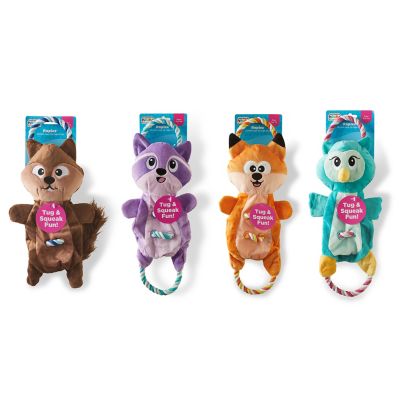
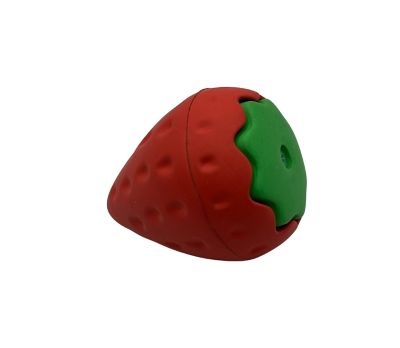
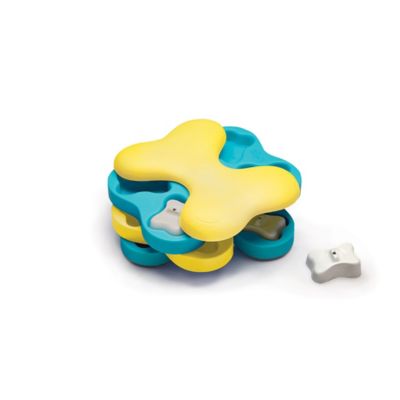
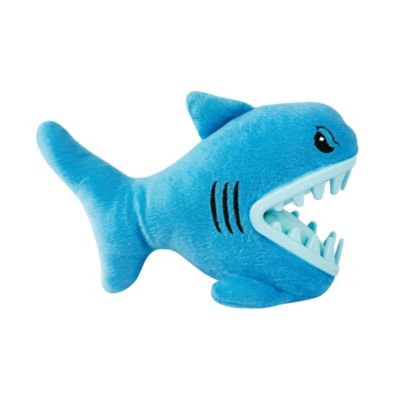
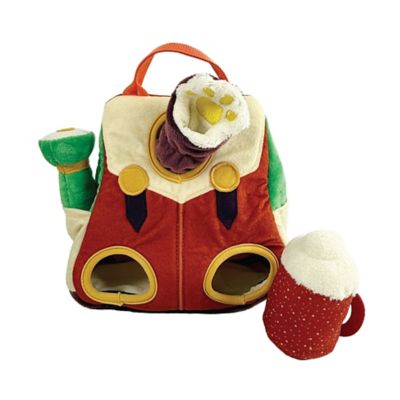
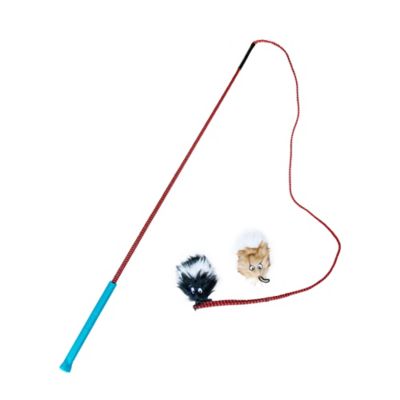
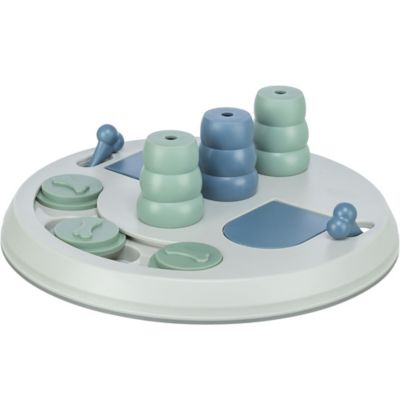
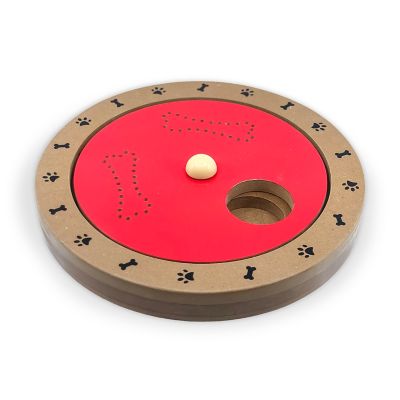
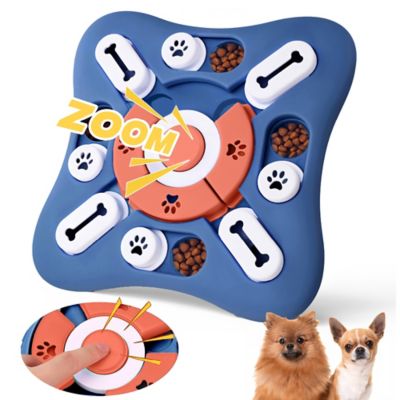
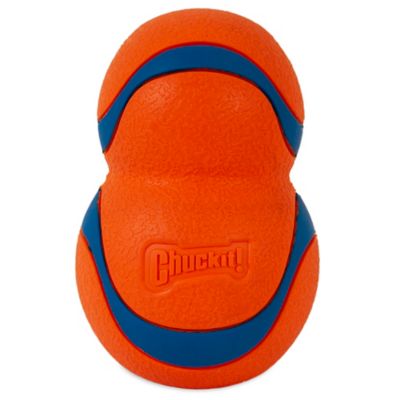
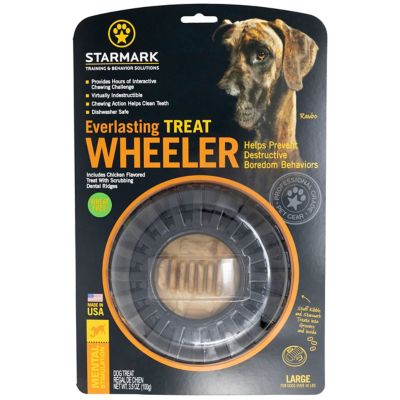
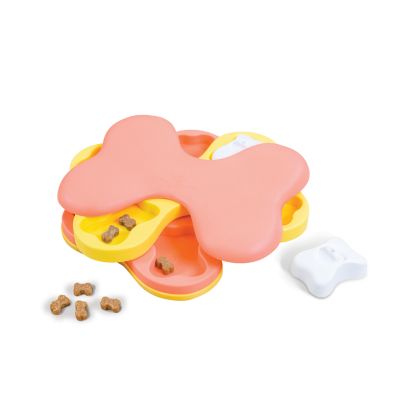
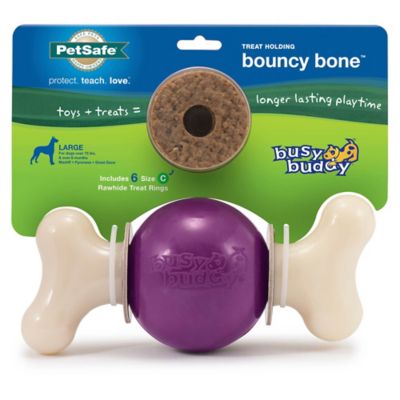
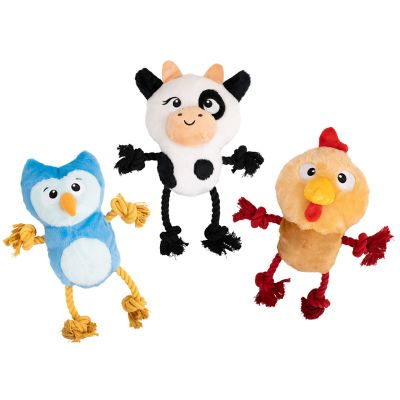
Interactive toys for dogs turn sniffing, nudging, pawing, chasing, and problem-solving into rewarding play. Instead of simply carrying a toy around, a dog takes part in an activity: rolling a ball to release kibble, sliding a cover to find a treat, or searching through fabric folds with its nose. That extra involvement provides mental stimulation and gives natural behaviors a place in the daily routine. Dog puzzle toys, treat-dispensing toys, snuffle mats, and toys for shared tug or fetch games offer different kinds of engagement. Puzzle feeders typically hold food behind movable covers or inside compartments, while wobbling and rolling feeders release small amounts as a dog pushes them along. Snuffle mats encourage scent-based searching rather than chewing, and shared-play toys bring a person into the fun. These differences matter because a dog that loves following a scent may enjoy a different activity than one that is happiest chasing something across the yard. Interactive play can help relieve everyday boredom, though toys do not replace walks, training, companionship, or veterinary attention for ongoing anxiety. Around the house, a short puzzle session can give an eager dog something purposeful to do after a walk or before settling down beside the kitchen table. Food-dispensing designs may also slow the pace of eating, depending on the toy and how the dog approaches it. Some dogs enjoy working for part of their regular meal, while others respond better to a few small treats tucked into an easy puzzle. The activity should suit the dog, not turn every meal into a frustrating job. An open compartment or a dispenser that releases food readily gives a beginner a clear connection between an action and a reward. More involved puzzles can hold the attention of dogs that already understand that connection. Sound and movement matter, too: a rolling toy may invite a lively chase, while a stationary puzzle offers a quieter activity with less bouncing across the floor.
The right interactive dog toy fits both the dog's body and its play habits. Overall size, opening size, weight, and the effort needed to move a piece all affect how comfortably a dog can take part. A broad, heavy dispenser may be awkward for a little dog to push, while a small ball can present a swallowing hazard for a larger dog. Manufacturer size and age recommendations provide a starting point, alongside the dog's jaw size and tendency to chew. For smaller mouths and shorter reaches, the
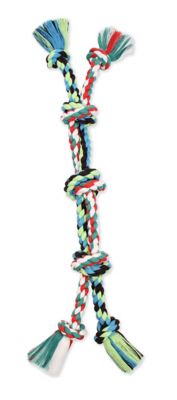
Interactive Dog Toys For Small Dogs page focuses on that size range. Puppies, adult dogs, and older companions may need different levels of resistance and complexity, even when they weigh about the same. A senior dog might enjoy an easy scent-searching activity without having to grip a hard surface, while an energetic adult may prefer a dispenser that moves with each nudge. Materials play a part in those differences. Rubber can offer some give, rigid plastic can support sliding or rotating puzzle parts, and fabric provides pockets and folds for hiding dry food. Rope and fabric toys for shared play have different care and wear considerations than washable feeding puzzles. No material is indestructible, and a toy meant for solving a puzzle is not necessarily suitable for prolonged chewing. Resistance to wear depends on construction, the dog's chewing strength, and the way the toy is handled. A dog that starts gnawing a puzzle cover needs a different activity rather than more time with the same toy. Stable bases can help keep puzzles from scooting away, while rounded edges and accessible compartments can make an activity easier to approach. Treat openings also need to work with the size of the food going inside; pieces that jam can leave a dog pawing at a toy without getting anywhere. Adjustable openings or difficulty settings, when provided, can help keep the challenge manageable as the dog learns.
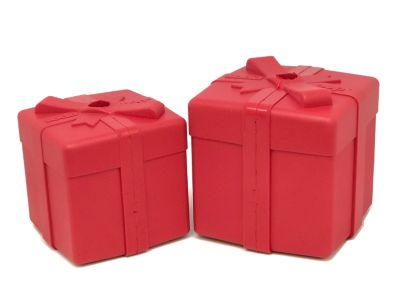
Care and supervision help keep interactive play enjoyable from one session to the next. Food-contact surfaces need regular cleaning, especially when a toy holds moist treats or softened kibble. A design with accessible compartments is easier to empty and inspect than one with narrow spaces that trap crumbs. Washing methods vary by material and construction, so the manufacturer's directions matter; dishwasher cleaning, soaking, and machine washing are appropriate only when the care instructions allow them. Fabric toys and snuffle mats need time to dry completely before being put away, and leftover food should be removed after play. Before the next session, a quick check for cracked plastic, torn fabric, loose parts, or damaged seams can catch trouble early. Toys with pieces that move or detach need close attention, particularly with dogs that pick things up and carry them off. Supervised play also reveals whether the challenge is a good match. Steady sniffing, gentle nudging, and returning to the task suggest interest, while repeated biting, forceful pawing, or walking away may signal that a simpler activity would suit the dog better. Short sessions can be enough; finishing with a manageable task is often more satisfying than struggling with a puzzle for a long stretch. When food supplies the reward, treats and kibble belong in the dog's daily food allowance rather than becoming an unnoticed extra meal. In homes with several dogs, separate play spaces can help prevent crowding and competition over food-filled toys. A puzzle on a washable kitchen floor, a snuffle mat in a quiet room, or a shared tug game in a clear space each fits a different household routine. Rotating between a few types of activities can keep familiar toys interesting without making every session harder. Interactive toys also make thoughtful gifts for a dog-loving friend, a newly adopted companion, or a pet's birthday. The most useful choice takes the recipient dog's size, chewing habits, food needs, and favorite way to play into account, along with how much supervision and cleaning the household can comfortably manage.