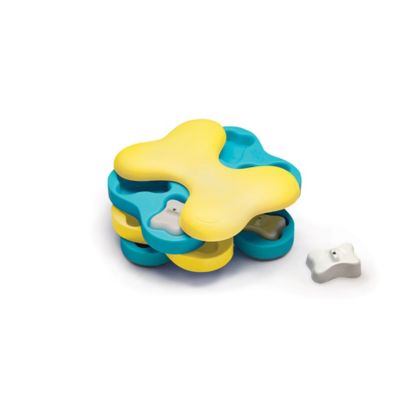
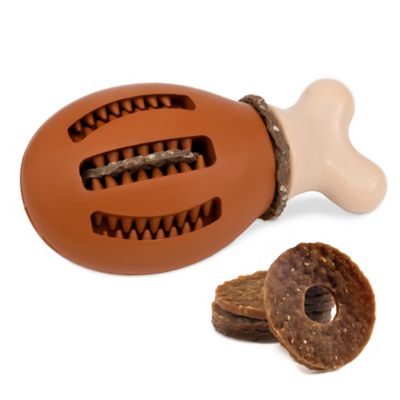
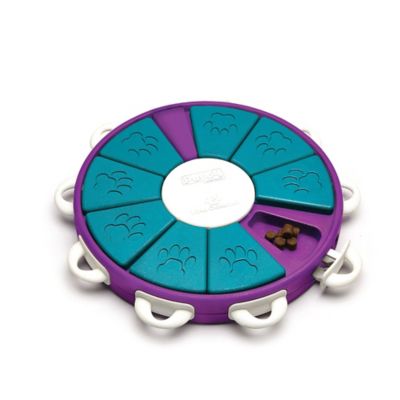
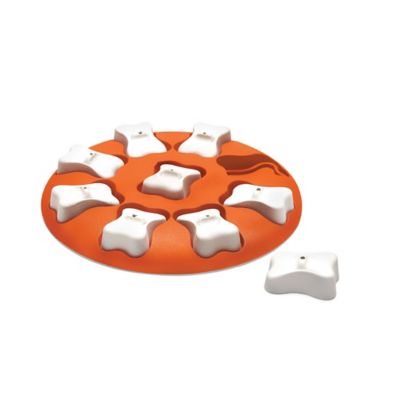
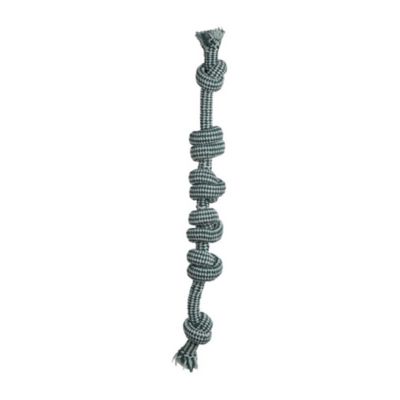
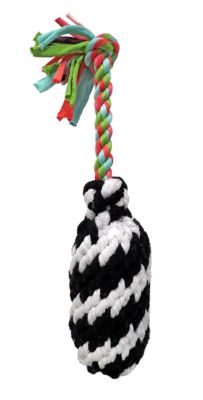
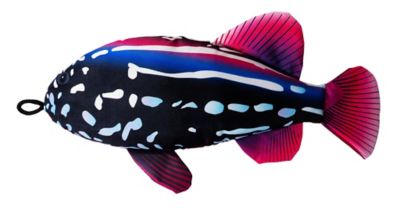
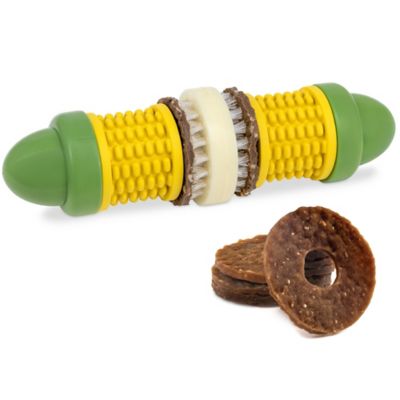
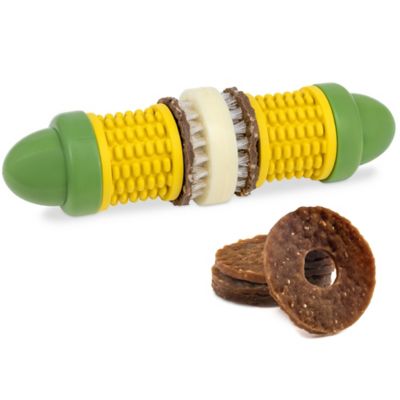
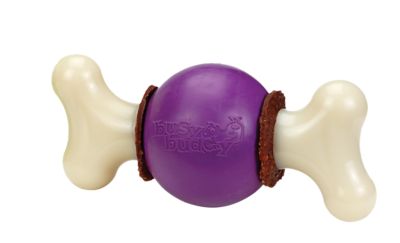
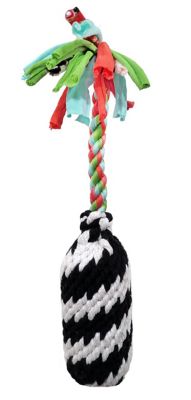
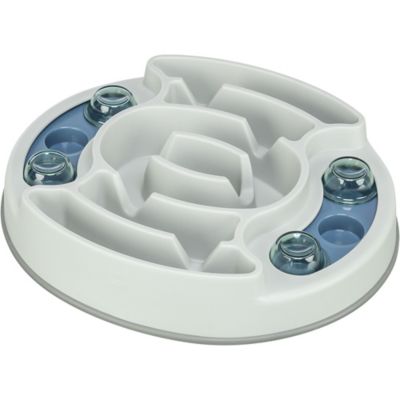
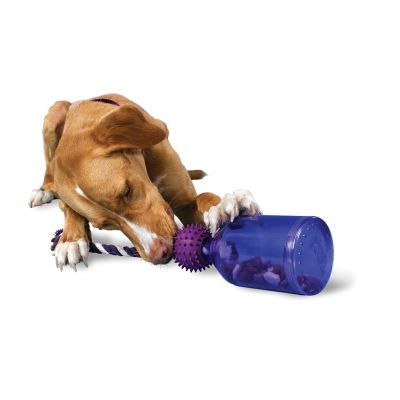
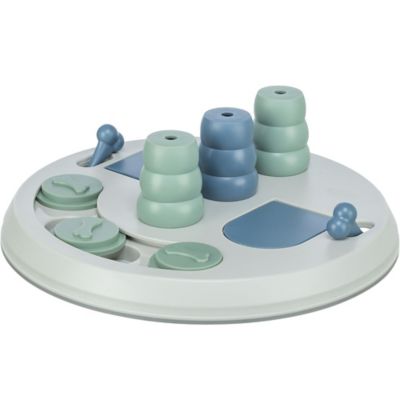
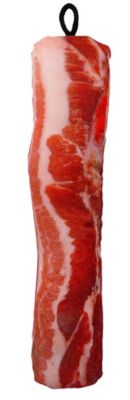
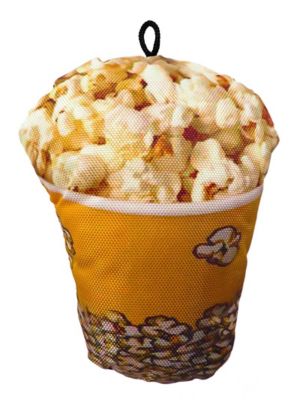
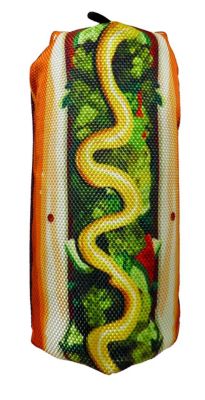
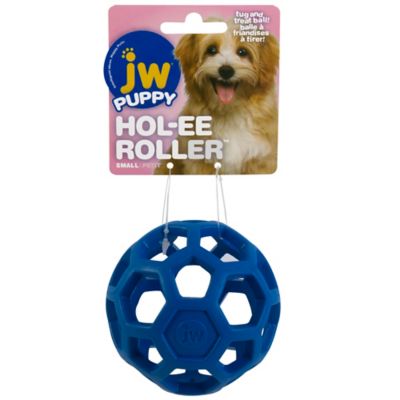
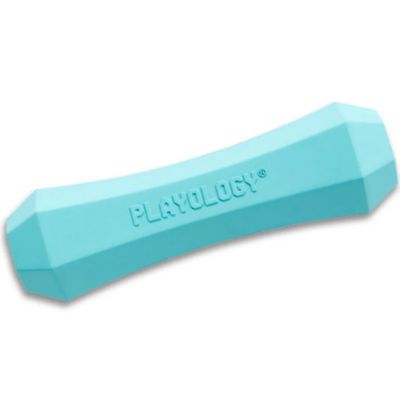
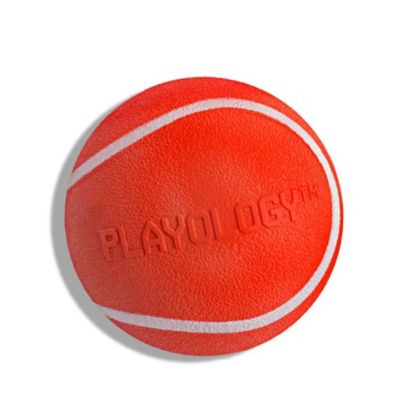
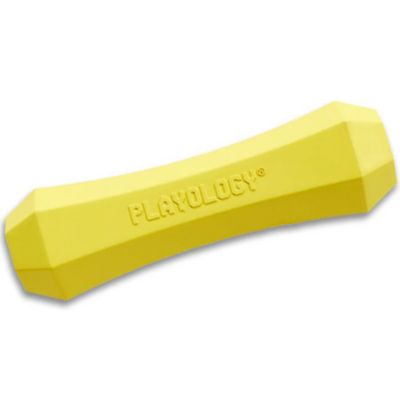
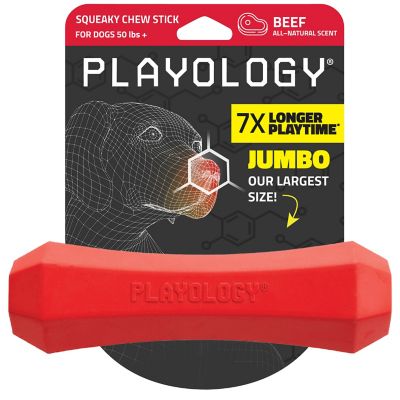
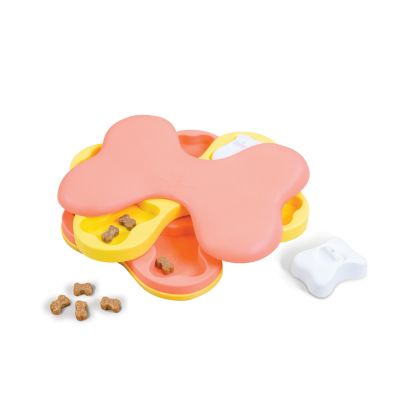
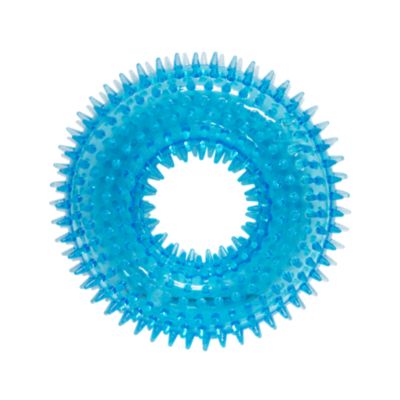
Dogs can get bored just like people do, especially when they spend long stretches indoors, have limited room to roam, or are waiting for the family to finish chores. A good boredom-busting toy gives your dog something safe and worthwhile to do with their nose, paws, and brain. Interactive puzzle toys with sliding covers, spinning sections, hidden compartments, or lift-up pieces turn a handful of kibble into a little treasure hunt. Treat-dispensing toys add another kind of challenge, asking your dog to nudge, roll, paw, or carry the toy before a reward comes loose. Scent-based toys, including snuffle mats and fabric forage toys, are useful for dogs that enjoy following their nose; scatter dry food through the folds, and the simple act of sniffing and searching can make mealtime feel more like exploring a pasture than eating from a bowl. Plush hide-and-seek toys can give curious dogs a job as they pull smaller squeaky pieces from a soft container, while lick mats and hollow rubber toys can be spread or filled with dog-safe foods for a slower, calming activity. A sturdy fillable toy packed with regular kibble, canned dog food, mashed pumpkin, or plain unsweetened yogurt may last longer when chilled or frozen, though any ingredient should fit your dog’s diet and be offered in modest portions. These toys can be handy for young dogs learning to settle, adult dogs that need a change of pace, and older dogs that still enjoy gentle mental work without a lot of running and jumping. They also make practical gifts for a new puppy, a dog settling into a new home, or a neighbor’s four-legged helper who needs entertainment during rainy afternoons and cooler days.
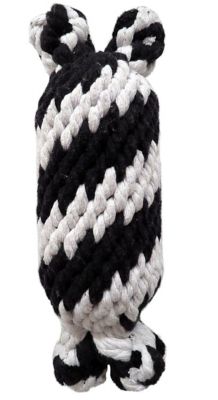
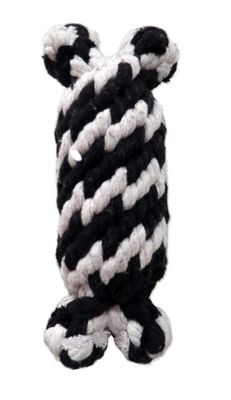
Choosing the right dog toy for boredom starts with your dog’s size, age, strength, and play style. A small dog may have trouble working a large, heavy dispenser, while a big dog can swallow or break apart a toy made for a smaller mouth. Look for toys that are appropriately sized and made from materials suited to the way your dog plays. Gentle chewers may enjoy soft fabric, fleece, or plush options, but determined chewers often need thick, durable rubber or other tough materials designed for supervised use. No toy is truly indestructible, and a dog that tears through tennis balls, rope, or plush seams may need closer monitoring and more frequent replacement. Check toys before each use for loose threads, cracked pieces, torn fabric, or parts that could be swallowed, and take damaged toys away promptly. Avoid giving dogs toys with pieces small enough to become choking hazards, and choose food fillings carefully; foods containing xylitol, excessive salt, onions, garlic, or other unsafe ingredients do not belong in a dog toy. Start simple by placing a few treats where your dog can find them easily, then increase the challenge as your dog catches on. If a puzzle is too difficult, some dogs will lose interest and wander off; if it is too easy, they may finish it in a flash. Supervise new toys and food-filled activities until you know how your dog handles them, especially if your pet gulps food, guards resources, or chews with great force. Wash washable toys regularly, wipe away leftover food, and follow care directions so enrichment stays fresh and sanitary. Rotating a few different toy types can also help. Keep some tucked away, bring one out during a quiet spell, and swap it for another before it becomes old news. In our house, a toy hidden in the back of a closet can seem brand-new when it comes back out after a week or two, especially when it carries the faint scent of kibble and a familiar squeak.
Boredom toys work best as part of a balanced routine rather than as a replacement for companionship, training, or outdoor time. Use a food puzzle for breakfast before a busy day, offer a frozen fillable toy while guests are arriving, or set out a snuffle mat while you handle indoor chores. On warm days, a little quiet enrichment can give a dog a break from the heat; during the cooler months, it can help fill the gap when muddy ground, early sunsets, or rough weather shorten a walk. Pairing mental play with regular movement can make a noticeable difference for energetic dogs, and our selection of
Dog Toys for Exercise can help add active play to the routine. Watch your dog’s body language as they play. A loose body, focused sniffing, relaxed chewing, and a willingness to return to the toy are good signs. Frustration, frantic biting, guarding, or repeated failure may mean the toy needs to be made easier or replaced with another style. Dogs often have strong preferences: one may spend twenty minutes nosing through a mat, while another would rather bat a dispenser across the kitchen floor or pull fabric pieces from a hide-and-seek toy. Offering a few kinds of challenges lets you learn what keeps your own dog engaged. A well-chosen boredom toy can be a thoughtful gift for a friend with a new puppy, a working dog that spends time in a kennel, or an older companion who enjoys a little extra purpose in the day. With the right size, safe materials, sensible supervision, and regular rotation, these toys can turn an empty stretch of time into a satisfying job—one that leaves your dog tired in the head, content in the heart, and ready to settle beside you.