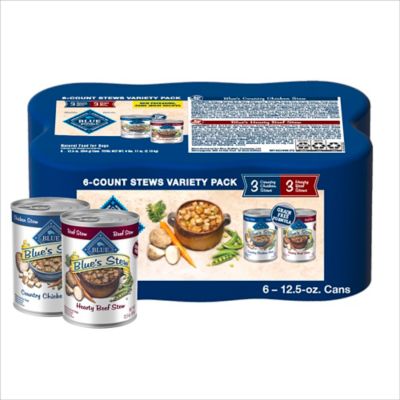
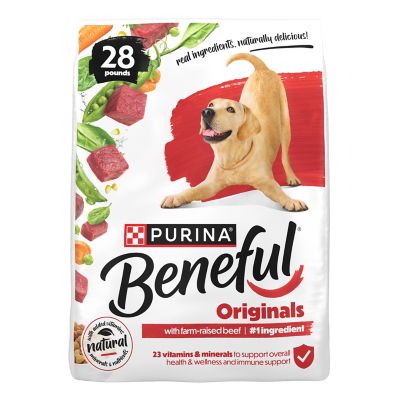
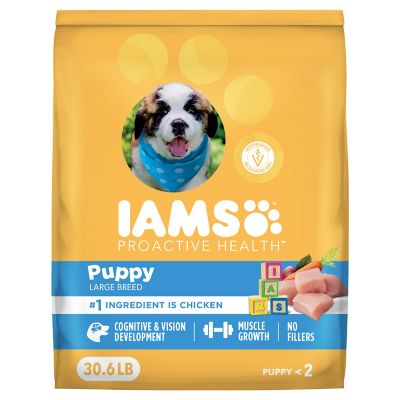
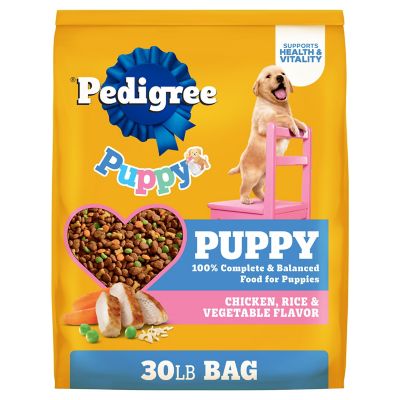
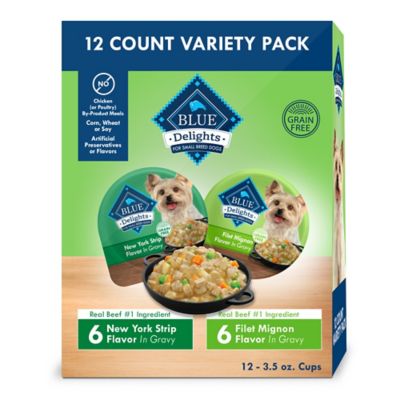
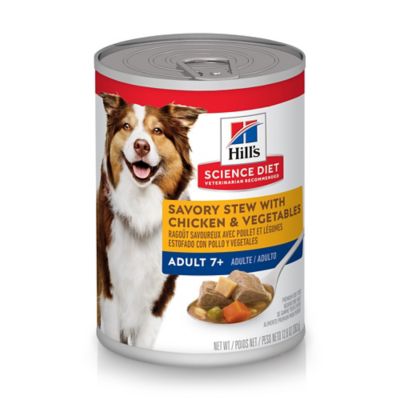
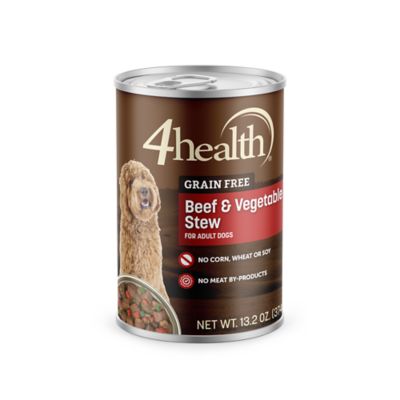
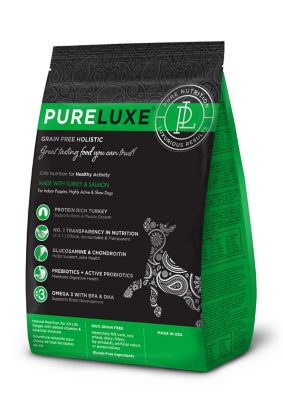
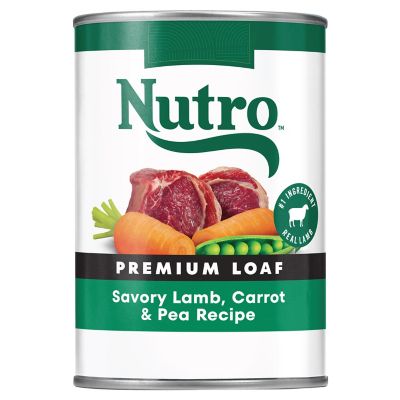
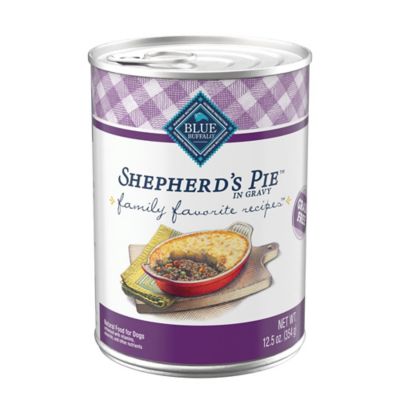
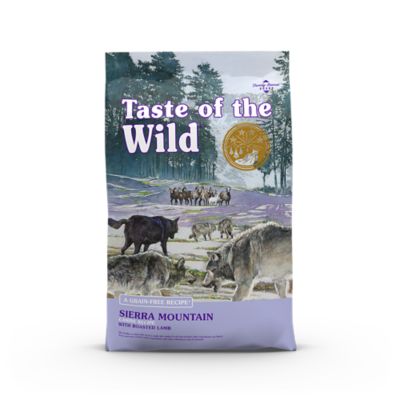
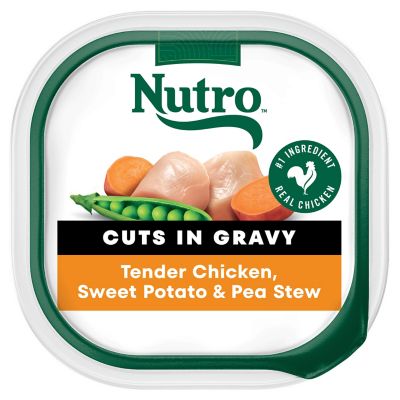
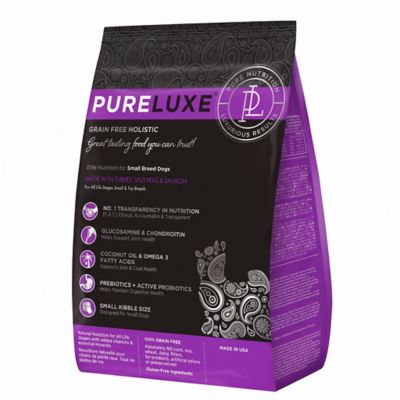
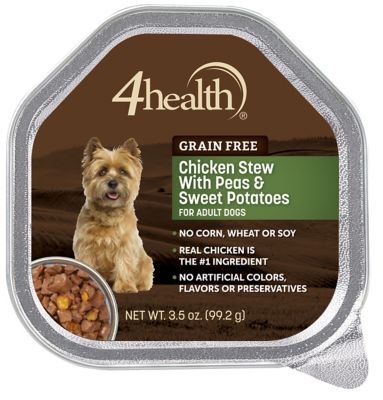
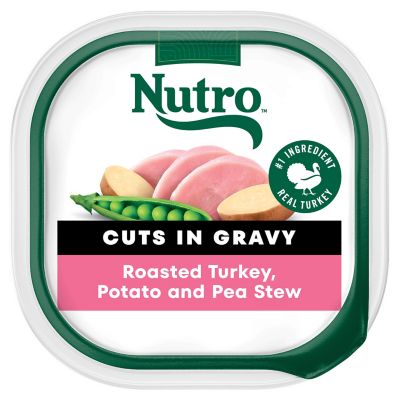
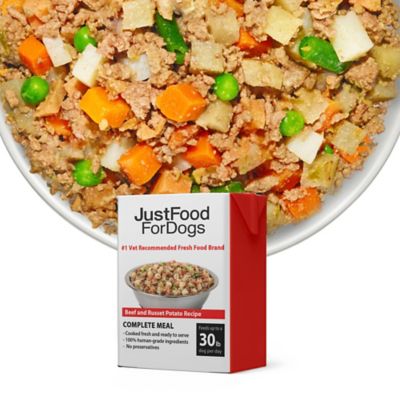
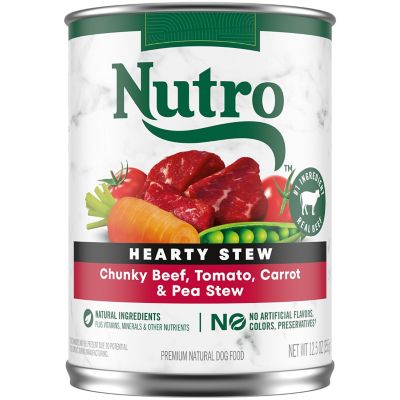
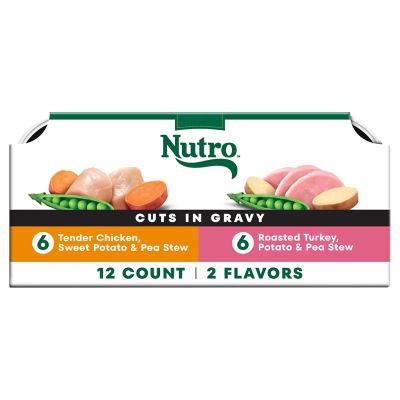
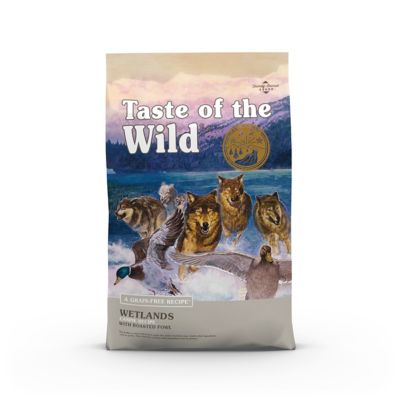
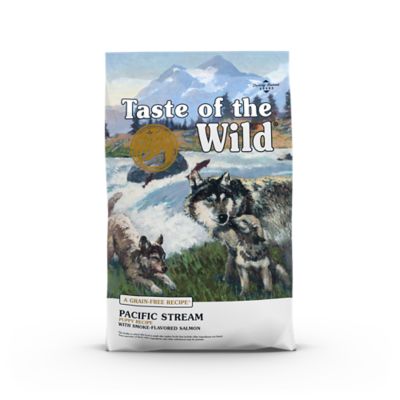
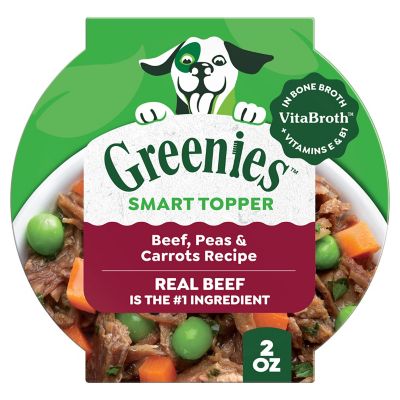
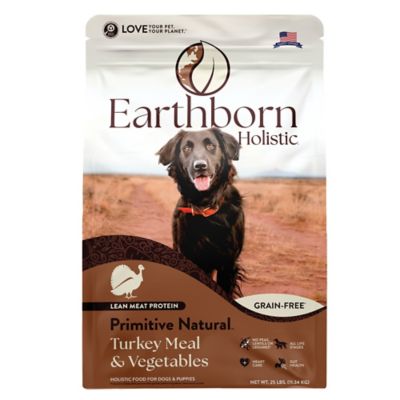
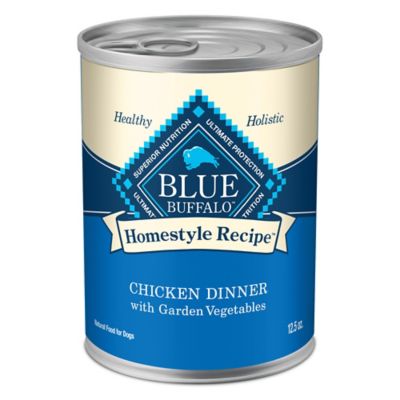
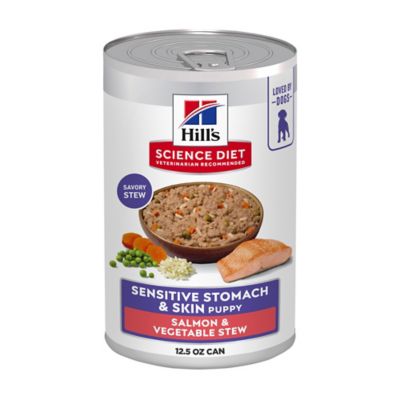
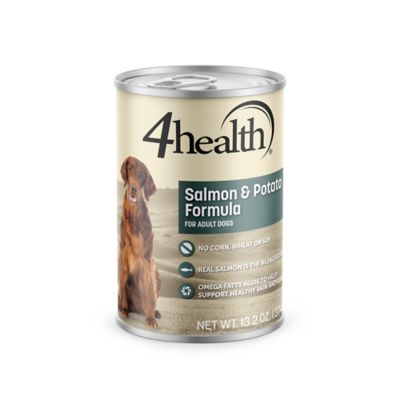
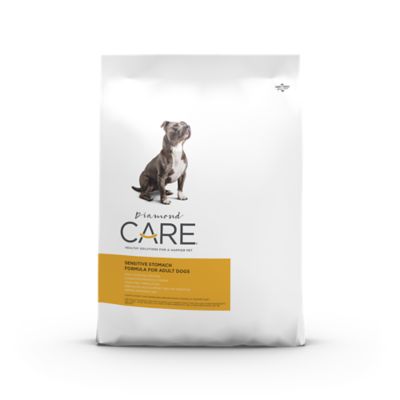
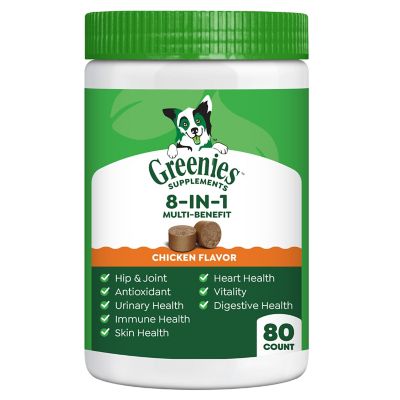
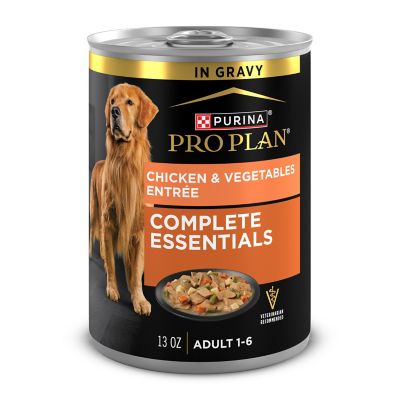
Dog food with peas includes recipes made with whole peas, pea protein, pea fiber or pea starch. Peas are not toxic to dogs and can contribute carbohydrates, fiber and plant protein, but a food’s suitability depends on its complete nutritional profile and the dog eating it. These ingredients serve different purposes, so a recipe containing whole peas is not necessarily comparable to one featuring several concentrated pea ingredients. Whole peas bring a mix of nutrients, pea protein contributes concentrated plant protein, pea fiber contributes dietary fiber, and pea starch supplies starch that can also help form kibble. Peas may appear in grain-free recipes or in foods that also contain grains; seeing peas on a label does not tell the whole story. Dry kibble offers a straightforward option for measured meals, while canned food adds moisture and a softer texture. Dogs may respond differently to kibble shape, size, aroma and texture, making those details worth considering alongside nutrition. A little companion waiting by the back door and a big dog tagging along for chores can have very different feeding needs, even when both enjoy similar flavors. Age, body size, activity level and health history help determine the right fit. Puppies need food formulated for growth, including the appropriate nutritional balance for their expected adult size, while most adult dogs need food intended for maintenance. Large-breed puppies need particular attention to calcium and energy intake as they grow. Older dogs may benefit from changes in calorie intake or texture, though a senior label alone does not establish whether a food meets an individual dog’s needs. For dogs carrying extra weight, calorie density and portion size matter more than the presence of peas. A recipe’s ingredients can be part of the decision, but balanced nutrition, suitable portions and a dog’s response to the food belong at the center of everyday feeding.
The ingredient list and nutritional adequacy statement offer different pieces of the picture. Ingredients are generally listed by weight before processing, which means moisture levels can affect where an ingredient appears. A label showing peas, pea protein and pea starch does not reveal the exact combined pea content, and ingredient order alone cannot establish digestibility or nutrient balance. Look for a statement that the food is complete and balanced for the intended life stage, with nutritional adequacy established through feeding tests following Association of American Feed Control Officials (AAFCO) procedures or by meeting AAFCO nutrient profiles. That statement applies to the overall diet, not just its protein percentage or a featured vegetable. Research into canine dilated cardiomyopathy, a heart muscle disease, has included certain diets containing substantial amounts of peas and other pulses. Reports have involved both grain-free foods and foods containing grains, so grain-free labeling by itself does not settle the question. The relationship between diet and these cases is complex, and the presence of peas alone does not establish that a food causes heart disease. Peas should not automatically be treated as harmful, nor should every pea-containing recipe be assumed suitable for every dog. A veterinarian can help weigh the full formula, feeding history and any breed-related or individual heart concerns. Dogs with a diagnosed heart condition or a prescribed diet need that extra care before a food change. Ingredient sensitivities are another reason to look beyond the front of the bag. Grain-free does not mean free of peas, and a short ingredient list does not guarantee that a recipe will agree with a particular dog. Itching, recurring ear trouble, loose stools or vomiting can have several causes, so those signs call for veterinary guidance rather than a quick assumption about one ingredient. When a food allergy is suspected, a veterinarian-supervised elimination diet is more informative than repeatedly switching among everyday recipes.
Comparing dog food with peas with
Dog Food With Potatoes can help show how recipes differ in their carbohydrate ingredients, but those categories can overlap. A food containing potatoes may also contain peas, so the full label remains the best place to check ingredients. Neither vegetable makes a recipe balanced on its own, and neither category is automatically a better choice for a dog with a medical concern. Practical differences such as calories per cup or can, package size and feeding directions can matter just as much at the bowl. Feeding charts provide a starting point; portions may need adjustment for activity, body condition and treats. A dog spending much of the day on the couch may need less energy than one covering ground alongside a working family, even at the same weight. Measuring meals instead of repeatedly topping off the bowl makes daily intake easier to track, especially when more than one person handles breakfast or supper. In a home with several dogs, separate bowls and a little supervision help keep each dog on the right food and portion. Introduce a new recipe gradually, often over seven to ten days, unless a veterinarian recommends a different schedule. Mixing increasing amounts of the new food with decreasing amounts of the previous food can ease the change, while appetite and stool consistency help show how the transition is going. Fresh drinking water belongs beside every feeding routine. Storage matters, too: keep dry food in its original bag inside a clean, tightly closed container in a dry indoor spot, away from pests. The bag preserves the lot information and feeding instructions. Follow package directions for refrigerating opened canned food and discarding leftovers, and wash food bowls regularly. Keeping food fresh, meals measured and labels handy makes it easier to track what goes into the bowl, whether the dog is a porch-sitting companion or a regular partner around the place.