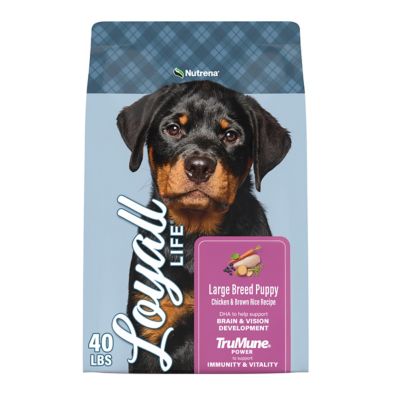
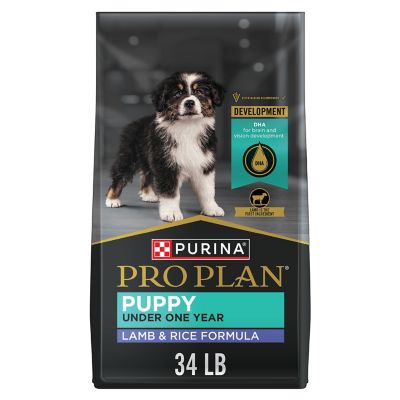
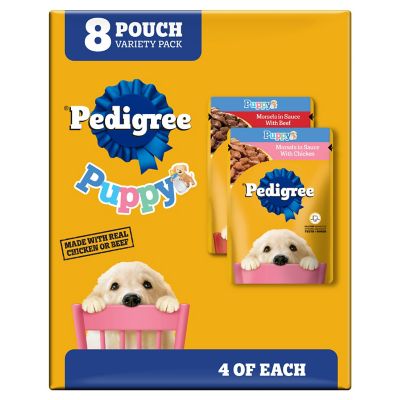
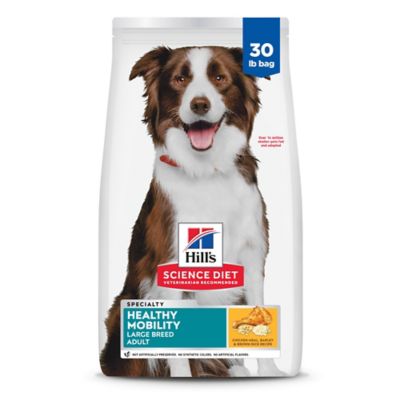
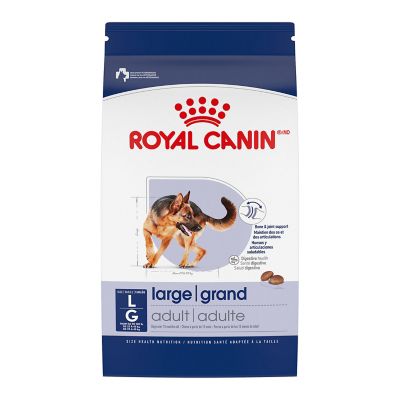
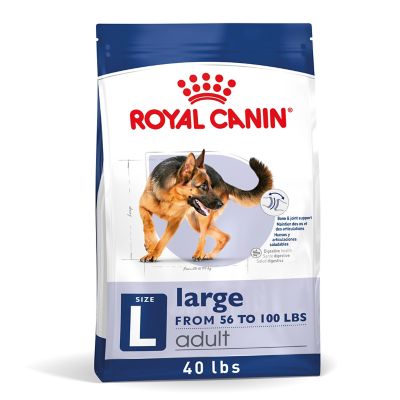
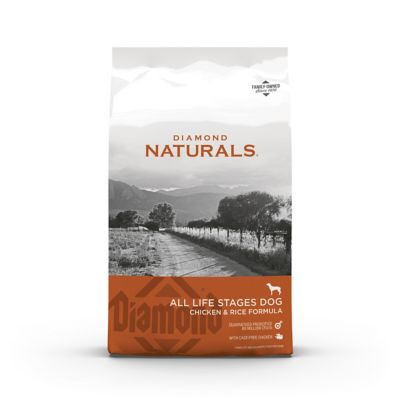
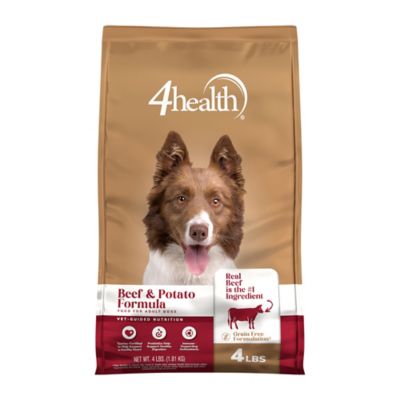
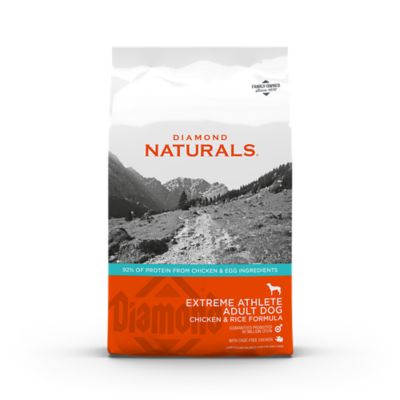
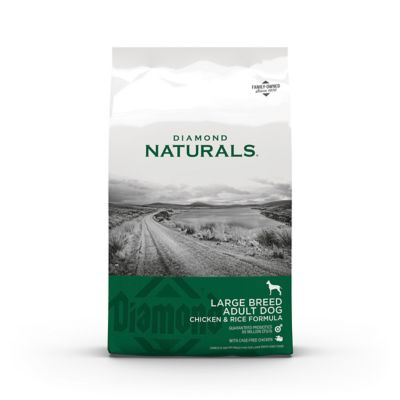
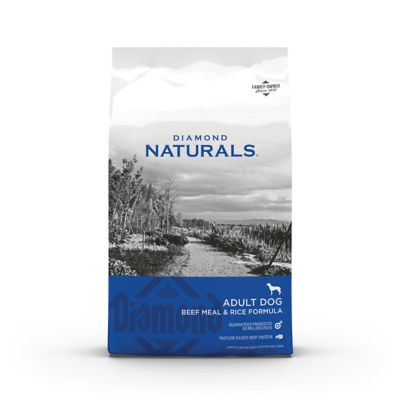
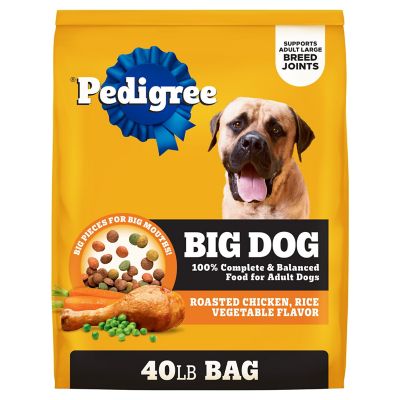
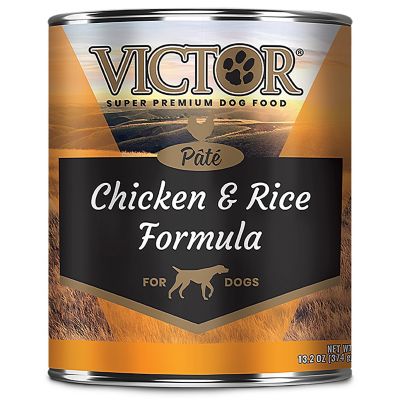
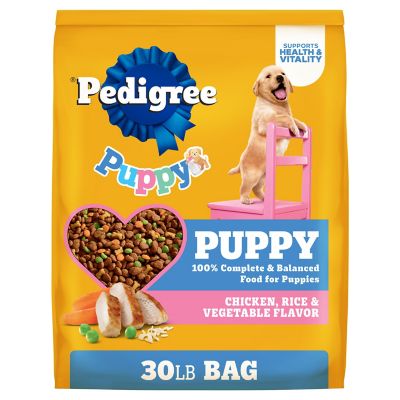
Dog food with calcium can be a practical choice for pet owners who want to support a complete, balanced feeding routine with the minerals dogs need for strong bones and teeth. Calcium works alongside phosphorus and other nutrients to support normal muscle function, nerve activity, and the skeletal system, but more is not always better. In a properly formulated commercial dog food, calcium is included in a carefully measured ratio with phosphorus, so there is usually no need to add eggshell powder, bone meal, dairy products, or other calcium sources to the bowl. When browsing dog food with calcium, start by checking the nutrition statement for a complete and balanced diet suited to your dog’s life stage. Adult dogs, puppies, senior dogs, and dogs expected to reach a large size can have different nutritional needs, and a food made for one group may not be the right everyday choice for another. Look for feeding directions based on body weight, then adjust portions with your veterinarian’s help if your dog is gaining weight, losing weight, or getting more or less exercise. A busy farm dog that spends long days moving through fields may burn calories differently than a house dog that prefers the couch by the woodstove, especially during the cooler months when outdoor routines can change. Fresh water should always be available, and any change in food is best made gradually over several days to help avoid digestive upset. If your dog already eats a complete and balanced food, adding extra calcium without professional guidance can throw off the mineral balance and may create health concerns rather than solve them.
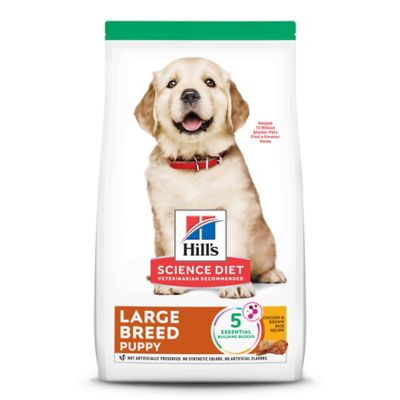
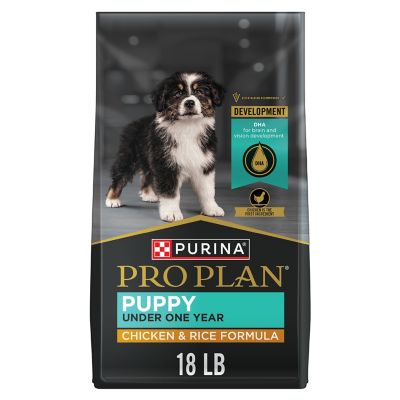
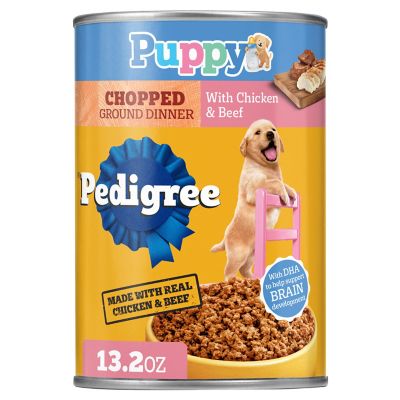
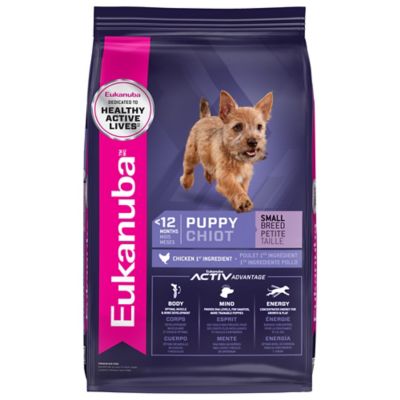
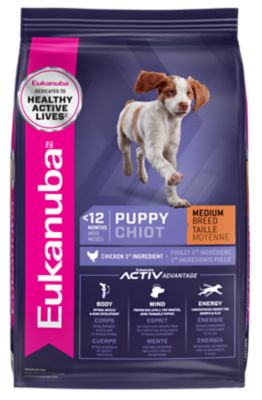
Puppies deserve particular care when choosing food with calcium. Growing dogs need the right amount of calcium and phosphorus, not simply the highest amount available, and large-breed puppies are especially sensitive to improper mineral intake while their bones and joints develop. Feeding a puppy food made for the puppy’s expected adult size can help provide a more appropriate nutrient profile than mixing adult food with supplements or table scraps. Avoid making homemade diet changes based on a single ingredient or online formula. Finely ground eggshell, canned fish with soft edible bones, plain unsweetened yogurt, cottage cheese, and cooked leafy vegetables are sometimes discussed as calcium sources, but each brings its own concerns involving portion size, calories, fat, phosphorus, lactose tolerance, preparation, and food safety. These ingredients should not be used to replace a complete diet, and they should not be added routinely unless a veterinarian or a board-certified veterinary nutritionist has helped build the plan. This is particularly important for puppies, pregnant or nursing dogs, dogs with kidney concerns, and pets taking medication. A dog that has itchy skin, loose stool, a dull coat, poor appetite, or changes in mobility may need a full health evaluation rather than a calcium supplement. Read the package carefully for the intended life stage, feeding instructions, storage directions, and any special claims. Wet food can add moisture for dogs that are light drinkers, while dry food may be convenient for measuring meals and storing in a busy barn, garage, or pantry; some households use one type alone and others combine them while keeping the total daily amount in mind. For owners comparing mineral support along with other nutritional features,
Dog Food With Vitamins can be another useful category to browse, though vitamins and minerals should still come from a balanced formula rather than a handful of unplanned additions.
Dog food with calcium is useful for everyday feeding, stocking the pantry before a stretch of rough weather, or putting together a thoughtful care package for someone who has recently brought home a dog. It can also be a practical contribution for a neighbor caring for an older pet, a working dog, or a newly adopted animal, provided the recipient knows the food matches that dog’s age, size, and dietary needs. When giving pet food as a gift, include the unopened package information and encourage the owner to confirm that it fits the dog’s current feeding plan, since sudden changes can upset a sensitive stomach and some dogs must avoid particular ingredients. Households with several dogs may need separate formulas or measured portions if their pets differ greatly in age, activity level, or body condition. Keep food sealed in its original bag or container, store it in a cool, dry place away from moisture and pests, and wash bowls regularly. During seasonal changes, watch how your dog’s appetite and activity shift: a dog spending more time indoors may need fewer calories, while a dog helping around the property may need a different portion under veterinary guidance. Calcium is one important piece of canine nutrition, but healthy feeding also depends on adequate protein, appropriate calories, digestible ingredients, clean water, regular exercise, and routine veterinary care. Choosing a food labeled complete and balanced, following the package directions, and avoiding unapproved supplements gives most dogs a steady foundation for strong bones and a healthy life.