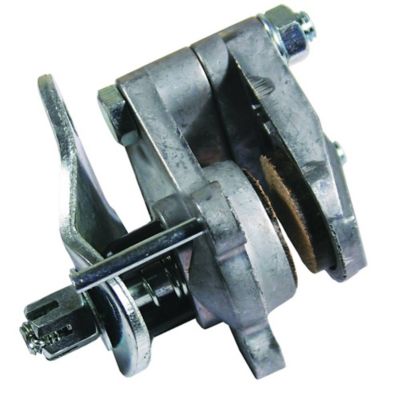
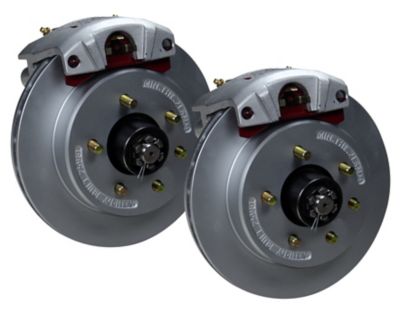
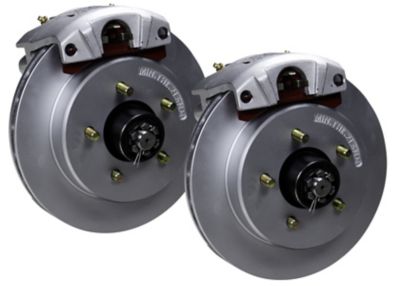
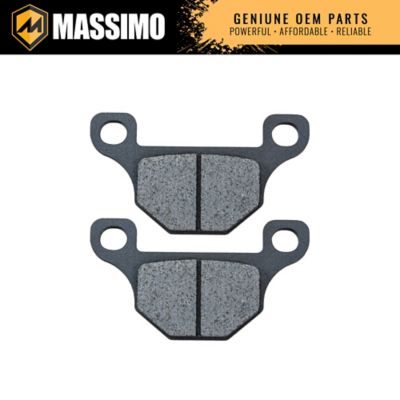
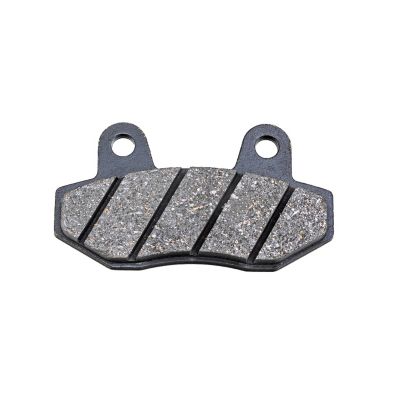
When it comes to keeping your vehicles and equipment running safe and smooth, disc brake pads are a small part that make a big difference. Whether you’re working the back forty, hauling feed, or just heading into town, dependable stopping power is something you can’t afford to overlook. Disc brake pads are made up of a steel backing plate with friction material attached, and they’re designed to clamp down on your brake rotors whenever you hit the brakes. Over time, that friction material wears down—especially if you’re hauling heavy loads, navigating muddy backroads, or dealing with stop-and-go chores around the farm. As the weather warms up and the days get longer, there’s more time spent on the move, which means your brake pads are working overtime. Folks who use their trucks, ATVs, or even bicycles for daily chores or weekend adventures will want to keep an eye on pad thickness. Most experts recommend swapping pads out when the friction material gets down to about 2-3 millimeters, or if it’s thinner than the metal backing plate. Ignoring worn pads can lead to noisy brakes, longer stopping distances, and even damage to your rotors—none of which you want when you’re miles from the nearest shop.
There’s a variety of disc brake pad types to choose from, each with their own strengths for different jobs and driving styles. Organic or resin pads are popular for their quiet, smooth stopping and gentle touch on rotors, making them a good pick for lighter vehicles or bicycles that see a lot of paved or gravel road use. They’re easy on the ears and easy on your rotors, but they can wear out quicker if you’re riding hard or hauling heavy. Metallic or sintered pads, on the other hand, are built for durability and high heat—ideal if you’re making long descents, working in wet conditions, or just need something that’ll last through plenty of tough stops. They can be a bit noisier and harder on rotors, but they won’t let you down when the going gets tough. Semi-metallic pads offer a balance, blending the smoothness of organic pads with the toughness of metallic ones, making them a reliable all-around choice for folks who need a little bit of everything. If you’re shopping for someone who spends a lot of time behind the wheel or on the trail—a family member who loves off-roading, a neighbor who’s always tinkering with their equipment, or even yourself—new brake pads make a practical and thoughtful gift, especially as folks get their vehicles ready for summer trips or the busy season ahead.
No matter what you drive or ride, making sure your disc brake pads are in good shape is just part of regular maintenance, right up there with checking your oil or keeping your tires aired up. Swapping out old pads isn’t just for the pros—a lot of folks handle it themselves with just a few tools and a little know-how, saving time and money in the process. If you’re looking to upgrade or replace your pads, it’s always a good idea to check your owner’s manual for the right fit and type, and consider picking up a set that comes with hardware for a smoother install. For those wanting a one-stop solution, check out our selection of
Brake Pads With Hardware to make the job even easier. Whether you’re gearing up for a busy season on the land or just want peace of mind on your daily drive, fresh brake pads are a simple investment that pays off every time you hit the brakes.