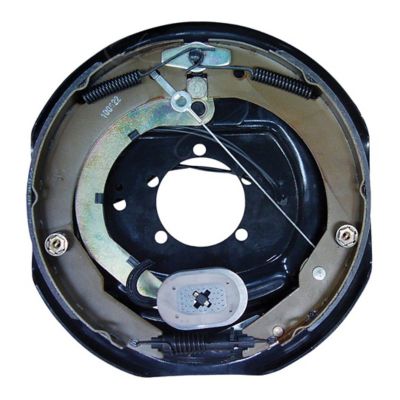
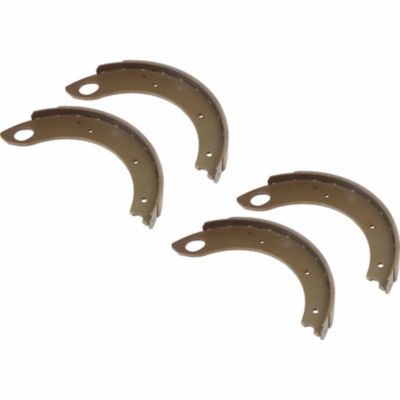
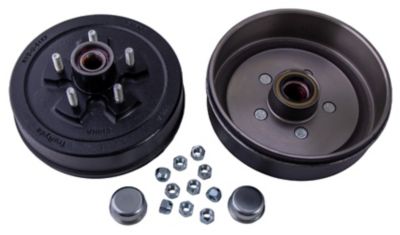
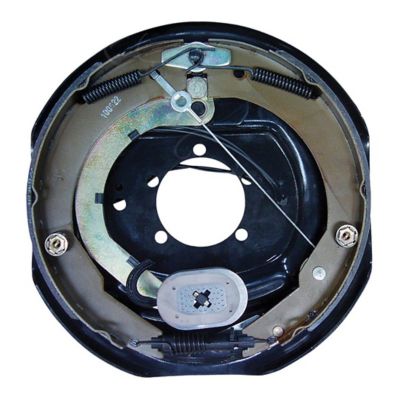
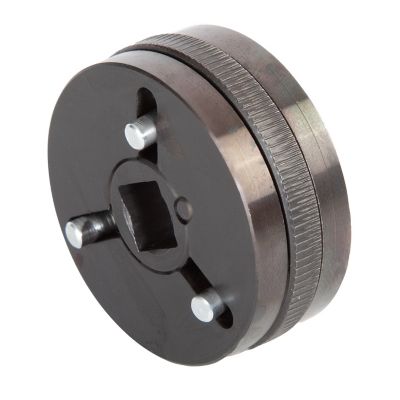
Brake hardware kits bring together the small parts that help a vehicle’s brake system work quietly, evenly and safely. Depending on the application, a kit may include anti-rattle or abutment clips, pad retaining clips, slide pin boots, guide hardware, shoe return springs, hold-down springs and self-adjuster pieces. These parts may not look as important as pads, shoes or rotors, but they keep everything in the right position and allow the moving pieces to do their job. On a disc brake setup, clean, properly fitted clips help the pads sit squarely in the bracket while slide pins let the caliper move as pressure is applied and released. On a drum brake setup, the springs and adjuster hardware help the shoes return after braking and maintain the proper distance from the drum. Old hardware can lose tension from heat, moisture, road salt, dust and years of vibration. A tired spring may not pull a shoe back completely, while a rusty clip or seized slide pin can leave a pad dragging against the rotor. That constant contact can create heat, uneven wear, squeaking, reduced fuel economy and a pedal that does not feel quite right. Replacing the hardware during a brake job is a practical way to refresh the complete assembly instead of reusing parts that have already spent years under the vehicle. It is also smart to inspect the related braking surfaces and shop for matching
Rear Brake Rotors when the vehicle needs more than pads or shoes alone. A fresh set of hardware cannot correct a deeply grooved rotor, a damaged drum, a leaking wheel cylinder or a caliper that is stuck, so the whole corner of the brake system should be checked before installation.
Choosing the right brake hardware kit starts with vehicle fitment. Make sure the year, make, model, engine and brake configuration match the application, since the same vehicle may have different front and rear setups or more than one brake option. Disc brake hardware and drum brake hardware are not interchangeable, and even two vehicles with similar names can use different clips, springs or adjuster parts. Checking the vehicle identification number, the original equipment information and the shape of the removed parts can help prevent a return trip to the parts counter. It is worth comparing the kit contents with what is already on the vehicle before taking anything apart. A quick photo of the old arrangement can also be useful, especially on a drum brake assembly where several springs and levers need to go back in a particular order. During the job, inspect the caliper bracket, slide pins, boots, backing plate, wheel cylinder and parking brake linkage for rust, damage or binding. Clean contact points with the proper brake cleaner and use brake lubricant only where the service instructions call for it; grease should never touch the friction surface of a pad, shoe, rotor or drum. Hardware should fit firmly without being forced, and the clips should sit flat in their mounting points. If a rubber boot is torn, a spring is stretched or a pin is pitted, replacing that piece is cheap insurance compared with chasing a recurring noise or uneven wear later. Brake work is a good project for an experienced home mechanic with a solid, level work area, jack stands and the right tools, but it is also a sensible job to hand to a professional when rust is severe, parts are difficult to identify or the vehicle’s braking behavior has changed. After installation, the brakes should be pumped carefully until the pedal is firm, the wheels should be torqued to the vehicle’s specifications and the system should be tested at low speed in a safe place. Follow the recommended bedding procedure for the new friction parts, and stop the job if the pedal stays soft, the vehicle pulls to one side or the brakes make a grinding sound.
Brake hardware kits are useful for everyday cars, pickup trucks, farm vehicles, utility rigs and work vehicles that see more than an easy commute. A truck hauling feed, fencing supplies or a small trailer puts extra demand on its brakes, while gravel roads can send dust and grit into places that stay cleaner on pavement. Stop-and-go driving, steep grades, wet roads and long periods of sitting can all add to wear on springs, clips and rubber components. As the weather warms, many owners put more miles on their vehicles for hauling, towing, camping and trips down back roads, making brake inspections a worthwhile part of routine upkeep. During the cooler months, moisture, mud and road treatments can work into rusty hardware, especially on vehicles that spend time outside or travel through snow country. Keeping a compatible kit on hand can make a planned repair easier when an inspection turns up a weak spring or corroded clip, though parts should be stored clean and dry until they are needed. These kits are generally more of a practical gift than a wrapped surprise, but they can be a thoughtful addition to a toolbox for a family member who maintains an older truck, restores a work vehicle or enjoys handling weekend repairs. Pairing the correct hardware with the vehicle’s maintenance records and a dependable set of tools gives a do-it-yourself mechanic a better chance of finishing the brake job in one sitting. Most of all, fresh hardware helps the brake parts move as intended: pads stay snug instead of rattling, slide pins travel smoothly instead of sticking, and drum shoes return with balanced spring tension instead of rubbing constantly. Those small improvements can mean quieter stops, more even wear and better confidence when a loaded truck rolls down a long driveway or a daily driver meets changing road conditions.