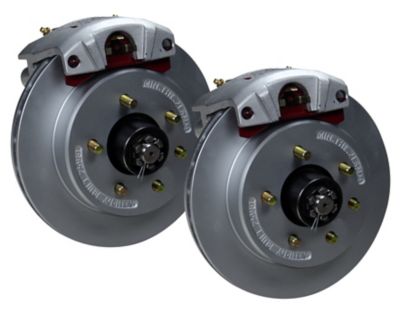
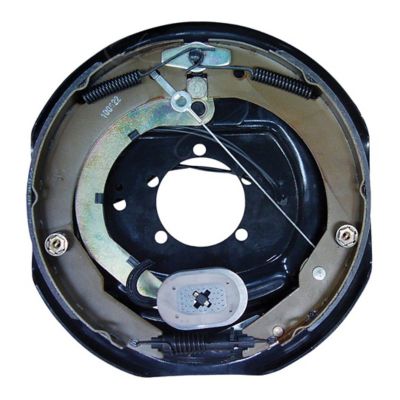
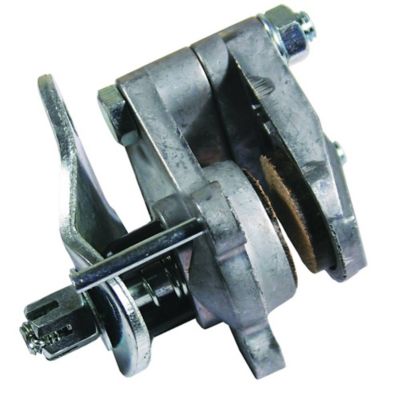
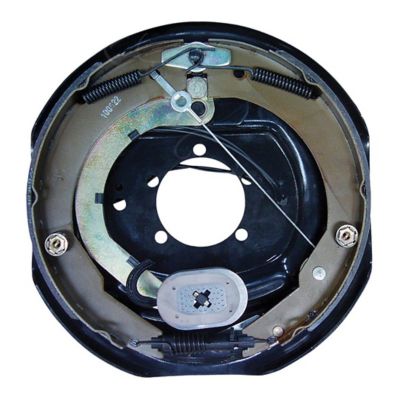
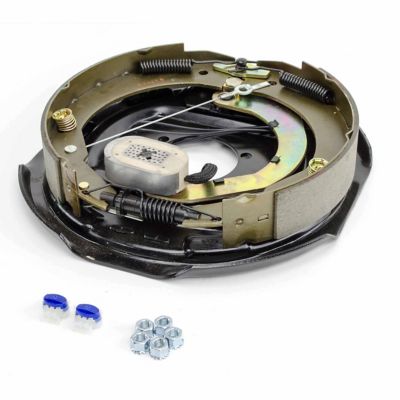
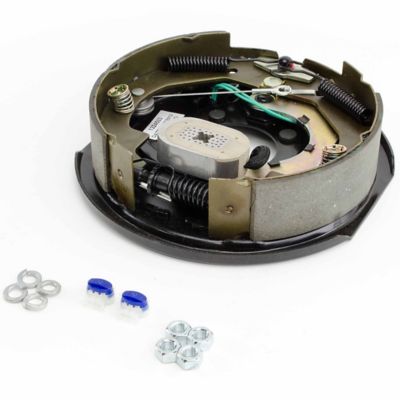
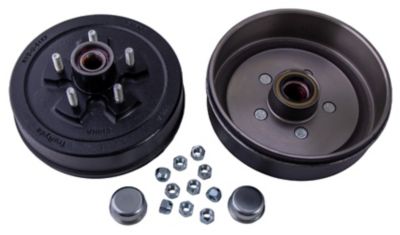
Brake pads with hardware give drivers a practical way to refresh a vehicle’s stopping system with the parts that help the pads sit, move, and wear properly. A typical hardware set may include stainless-steel or coated abutment clips, shims, springs, and other small pieces that fit around the brake pads and caliper bracket. Those parts may not get the same attention as the pads themselves, but they handle plenty of heat, moisture, road grime, and vibration every time the vehicle stops. Over time, clips can lose their spring tension, shims can corrode, and rust can build up where the pads slide. When that happens, the pads may rattle, squeal, wear unevenly, or drag against the rotor instead of releasing cleanly. Replacing the hardware along with the pads helps restore smooth movement and gives the braking job a more complete finish. These parts are useful for do-it-yourself vehicle owners, farm and ranch operators, commuters, trailer haulers, and anyone keeping an older truck or car dependable through changing road conditions. A fresh set can be especially helpful before long drives, busy hauling seasons, or cooler weather when wet roads, mud, leaves, and road treatment can add extra mess around the wheels. Before ordering, match the parts to the vehicle’s exact year, make, model, trim, axle position, and brake configuration. Front and rear brakes often use different pad shapes and hardware, and even two versions of the same vehicle may call for different parts because of engine size, towing equipment, wheel size, or factory brake options.
When comparing brake pads with hardware, start with proper fitment, then consider the type of driving the vehicle sees. Standard replacement pads can be a sensible choice for everyday driving, light hauling, and regular trips around town, while vehicles that carry heavy loads, travel steep grades, or pull trailers may benefit from a pad formulation designed for higher heat and demanding use. Ceramic, semi-metallic, and other friction materials each have their own balance of stopping feel, dust, noise, heat handling, and rotor wear, so the best choice depends on the vehicle and the driver’s routine rather than the package alone. Look for a set that includes the hardware needed for the intended axle and confirm whether any separate parts are required before beginning the job. New clips and shims are worth taking seriously because old, rusty hardware can keep new pads from sliding freely. That restriction may cause brake drag, extra heat, faster pad wear, reduced fuel economy, and damage to the rotor or caliper. A complete brake service is also a good time to inspect the rotors, caliper pins, boots, flexible brake hoses, and surrounding components for grooves, leaks, torn rubber, or heavy corrosion. For a closer look at the small pieces that support proper pad movement, browse
Brake Caliper Hardware. Keeping the right parts on hand can save a second trip to the store when a worn clip breaks or a seized slide needs attention during an otherwise routine repair.
Brake work calls for care, clean surfaces, and the right tools. Once the wheel and caliper are removed, clean the caliper bracket thoroughly with a wire brush or an approved cleaning method so the new clips can seat flat. Remove rust and dirt from the pad contact areas without damaging the bracket, then install the new clips in the correct direction. Use only a thin film of high-temperature brake lubricant on the metal-to-metal contact points specified by the vehicle or component manufacturer. Keep grease away from the friction material, rotor faces, and rubber seals, since contamination can affect braking. Never reuse old, corroded clips with brand-new pads, and never substitute hardware that merely looks similar. The pads should fit securely while sliding freely in their channels, and the caliper should move as intended on clean, properly lubricated guide pins. Follow the vehicle service information for torque specifications, caliper position, wear indicators, and any required bedding procedure. After reassembly, pump the brake pedal until it feels firm before moving the vehicle, check the brake fluid level, and test the brakes at low speed in a safe area. A brief smell or light noise may occur as new components settle, but grinding, pulling, severe vibration, a soft pedal, or continued overheating calls for stopping the vehicle and having the work inspected by a qualified technician. For owners who would rather keep their hands on the wheel than work behind it, these pad-and-hardware sets are also a thoughtful, practical purchase for a family member, neighbor, or friend who maintains a work truck, daily driver, or farm vehicle. Fresh hardware may be small, but it plays a big part in quiet, even, dependable braking through the cooler months and all the miles that follow.