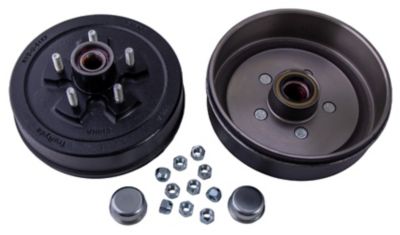
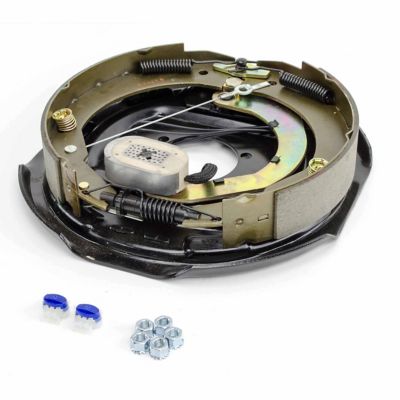
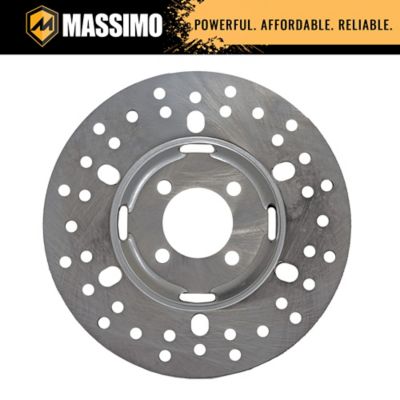
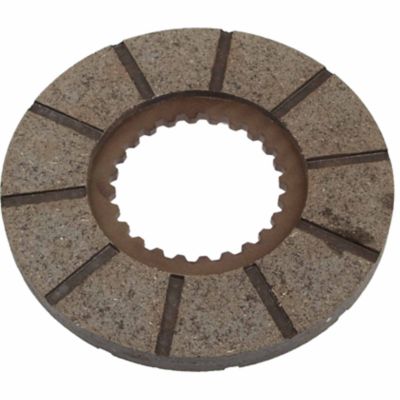
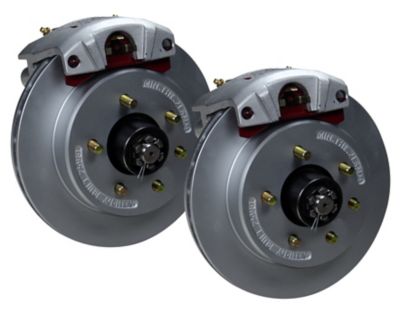
Rear brake rotors are the round metal discs mounted at the rear wheels of a car, truck, SUV, or other road vehicle. When you press the brake pedal, hydraulic pressure pushes the brake pads against the spinning rotor, creating the friction that slows the vehicle and brings it to a stop. Although the front brakes often handle more of the stopping force, the rear brake system still plays an important part in keeping the vehicle balanced, controlled, and predictable. Healthy rear rotors help the brake pads make even contact, especially when you’re hauling a trailer, carrying tools and feed, driving on steep roads, or traveling with a full load of passengers. Over time, normal heat, moisture, road salt, dust, and grit can wear down the rotor surface. A vehicle that sits outside through changing weather may also develop surface rust, while frequent stop-and-go driving or heavy towing can build up more heat than everyday commuting. Replacing worn rear brake rotors can restore a smooth braking feel when paired with properly matched brake pads and sound brake hardware. These parts are useful for do-it-yourself mechanics, farm and ranch owners who depend on a reliable truck, and anyone keeping an older daily driver ready for school runs, gravel roads, work sites, and longer trips during the warmer and cooler parts of the year. They can also make a practical gift for a hands-on vehicle owner who prefers to handle routine repairs in the driveway or shop, though the vehicle’s year, make, model, trim, and brake configuration should always be confirmed before ordering.
A few common signs point to rear rotors that deserve a closer look. Squealing may come from worn brake pads, dirt, or brake hardware, while a grinding or scraping sound can indicate that friction material is badly worn or that metal is contacting metal. A pulsing brake pedal, shudder under braking, or vibration through the vehicle may result from uneven rotor thickness, excessive runout, or heat-related distortion. Deep grooves, heavy rust scaling, blue or dark heat spots, and a pronounced lip around the outer edge are visible clues that the rotor surface may no longer be in good shape. A light orange film after rain is often ordinary surface rust and may clear after normal braking, but flaking rust and deep pitting are a different matter. Rotor thickness also matters; every rotor has a minimum service thickness, and that measurement should be checked with the proper tool rather than judged by appearance alone. When replacing rear rotors, inspect the brake pads at the same time. Installing fresh rotors against thin, cracked, contaminated, or unevenly worn pads can shorten the life of both parts and leave braking inconsistent. The caliper should slide and release properly, and the mounting surfaces should be cleaned so the rotor sits flat against the hub. For related replacement pieces, inspect the
Brake Caliper Hardware for corrosion, bent clips, damaged shims, or missing fasteners. Following the vehicle manufacturer’s torque specifications is important, since overtightened or unevenly tightened wheel and caliper fasteners can cause problems. Anyone working on brakes should use jack stands on a solid, level surface, block the wheels, wear eye protection, and never rely on a jack alone to support a vehicle.
The right rear brake rotors depend on the vehicle, driving conditions, and the type of braking performance you need. Blank or smooth rotors are a dependable choice for many passenger vehicles and light-duty trucks used for commuting, errands, farm roads, and regular highway travel. Drilled rotors have holes through the friction surface to help move heat away, but the added openings can be more vulnerable to cracking when exposed to severe heat or demanding use. Slotted rotors use shallow grooves to help clear water, dust, and gases from between the pad and rotor, which may be useful for vehicles that see heavier loads, repeated braking, or towing. Drilled-and-slotted designs combine both features and are often selected for their cooling and debris-clearing characteristics, though they still need to match the vehicle and intended use. Appearance alone should not drive the decision; correct fit, rotor diameter, thickness, hat height, bolt pattern, and compatibility with the existing caliper and pads are what matter most. It is wise to compare the vehicle information from the owner’s manual with the parts listing and verify whether the vehicle has more than one rear brake configuration. After installation, the brake pedal may feel different until the pads and rotors are properly seated. A careful break-in procedure, often called bedding, generally involves a series of moderate stops with time for the brakes to cool between applications, following the instructions supplied for the parts and vehicle. Avoid hard stops during the initial period when possible, and listen for unusual noises or watch for pulling, shaking, or a soft pedal. With the correct fit and careful installation, replacement rear brake rotors can help provide steady stopping performance for daily driving, loaded trips, gravel lanes, and the changing road conditions that come with the seasons.