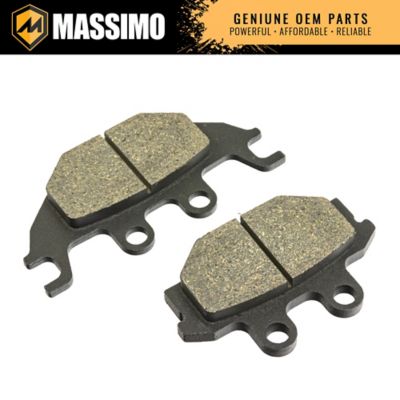
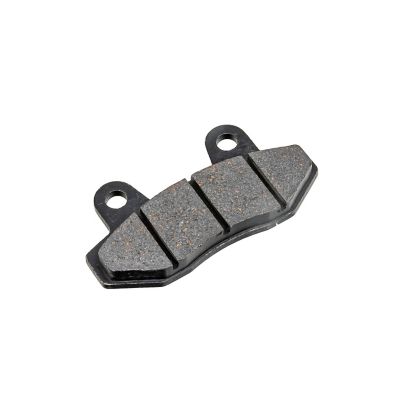
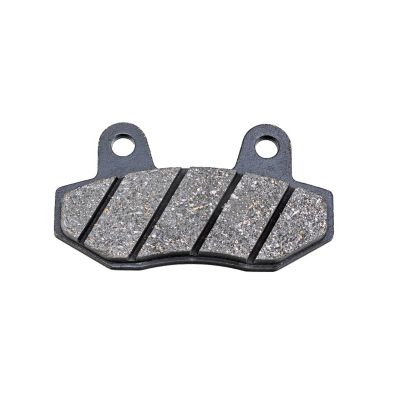
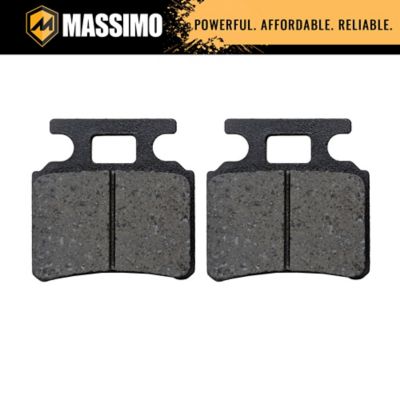
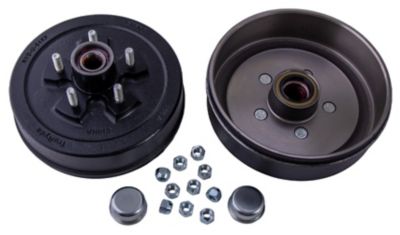
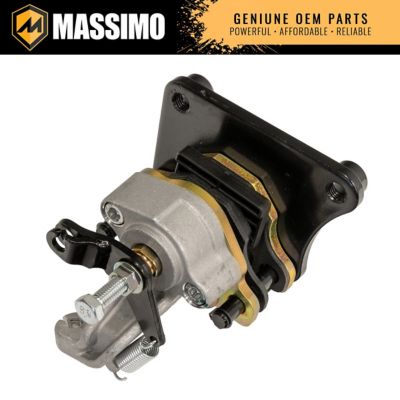
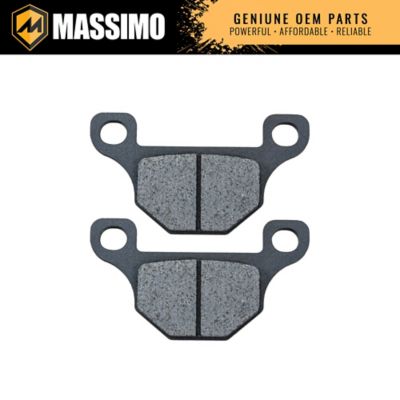
Front brake pads are the friction components that press against the front brake rotors to slow or stop a vehicle. The brake calipers apply that pressure, and the pads turn the vehicle’s motion into heat through contact with the rotors. Because weight shifts toward the front during braking, the front brakes generally handle a larger share of the stopping work than the rear brakes. That makes properly matched front brake pads important whether the day involves driving to work, picking up feed, or hauling fencing supplies back to the farm. The right fit starts with the vehicle’s year, make, model, and brake configuration—not simply a pad that looks about the same size. A single vehicle model can have different brake packages depending on its trim, production details, axle rating, or factory equipment. Rotor diameter, caliper design, and the pad’s backing-plate shape can all affect compatibility. Even pads with similar outlines may have different thicknesses, mounting tabs, or wear-sensor connections. Vehicle application information and the manufacturer’s specifications help narrow those differences down. Front and rear pads are not interchangeable unless the application specifically calls for the same part, and pads intended for one brake package should not be assumed to fit another. Matching pads across both front wheels supports balanced braking, so front pads are generally replaced as an axle set rather than on just one side. Package contents also matter: friction pads, clips, shims, and wear sensors are separate components, and not every replacement set includes the same hardware. For a pickup that splits its time between highway miles and trips down the farm lane, fit comes first, followed by a friction material suited to its regular workload. A work truck, family SUV, and small commuter car may all need front brake pads, but their braking demands and fit requirements can be quite different.
Brake pad material affects pedal feel, noise, dust, rotor wear, and how the brakes respond under repeated stops. Ceramic brake pads typically contain ceramic fibers and other friction ingredients, with many formulations designed to limit visible dust and help keep braking quiet. Semi-metallic brake pads contain metal fibers or particles blended with other materials and often suit applications that call for effective heat transfer and steady performance under demanding braking. Non-asbestos organic pads use fibers, resins, and other ingredients that can provide smooth, quiet operation, although their wear characteristics vary with the formulation and application. These categories are useful starting points, not guarantees that every pad within a category behaves the same way. The complete friction formula, backing plate, shim design, and vehicle application all contribute to the result. A truck carrying tools and making repeated stops around town places different demands on its brakes than a lightly loaded vehicle traveling mostly on open roads. Towing adds another consideration, especially when a trailer and cargo bring the combination closer to its rated limits. Pads intended for heavier service may be appropriate when the vehicle manufacturer and pad application support that use, but replacement pads do not raise the vehicle’s towing or payload rating. Trailer brakes, where required, remain part of the stopping system rather than something front pads can replace. Features such as chamfered edges, slots, and attached shims can help manage vibration, noise, or friction debris, depending on the design. Their presence alone does not establish how well a pad will perform on a particular vehicle. The useful comparison is how the pad’s intended service matches the vehicle and its everyday work. For drivers carrying a bed full of fence posts one day and heading into town the next, that means considering both ordinary road manners and the braking demands of a loaded truck. A suitable pad balances those needs without assuming that the most aggressive friction formula is the right choice for every trip.
Front brake pad life depends on driving habits, vehicle weight, friction material, towing, and the condition of the rest of the brake system, so there is no single replacement mileage that fits every vehicle. Frequent stop-and-go driving and repeated braking with a load can wear pads differently than long stretches of steady travel. Remaining friction-material thickness, measured against the manufacturer’s service limit, is a better basis for replacement than mileage alone. Some pads have a metal wear indicator that makes noise as the friction material wears down; others work with an electronic sensor, while some applications have neither. A warning light, persistent squeal, grinding sound, pulling during braking, or a change in pedal feel calls for inspection rather than an assumption that pads are the only problem. Inner and outer pads can also wear at different rates when a caliper or slide does not move properly. Brake service is a chance to check the whole assembly, including rotor condition, caliper movement, mounting hardware, hoses, and signs of fluid leakage. Deep scoring, cracks, excessive runout, or rotor thickness below the service limit can affect whether new pads will make proper contact. Fresh pads cannot correct a sticking caliper or restore a rotor that no longer meets specifications. Related components such as
Rear Brake Rotors also belong in a complete brake-system assessment, even when the front pads are the immediate concern. Care matters after installation, too. Pad and rotor friction surfaces need to stay free of oil and grease, and brake dust calls for appropriate cleaning methods rather than blowing it into the air. Manufacturer-specific bedding procedures help establish proper contact between new pads and their mating rotors. Correct installation, specified fastener torque, and a professional inspection when something feels off all support the stopping performance the vehicle was designed to deliver. For vehicles that earn their keep hauling supplies, carrying family, or covering the daily miles, front brake pads are one part of keeping the entire braking system ready for the job.