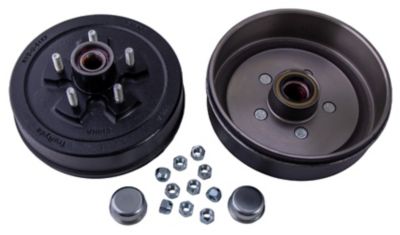
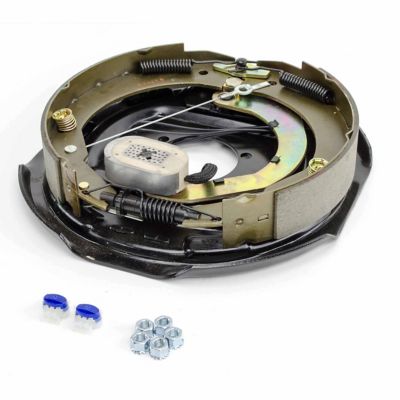
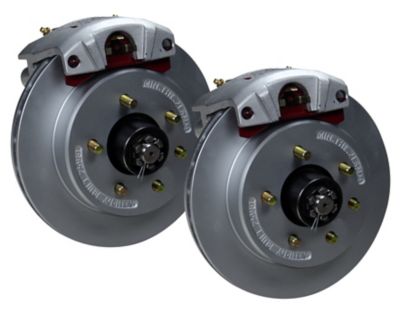
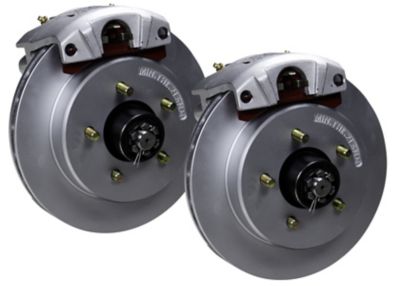
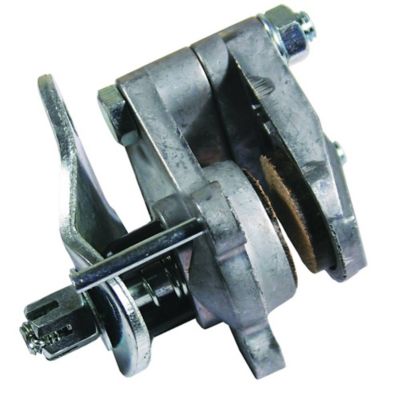
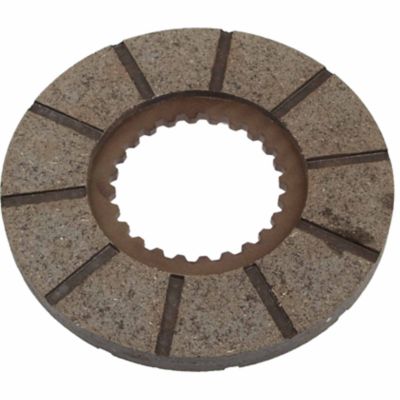
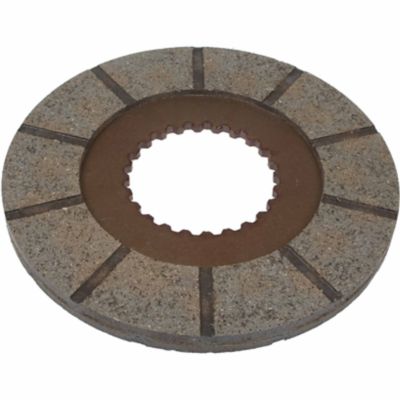
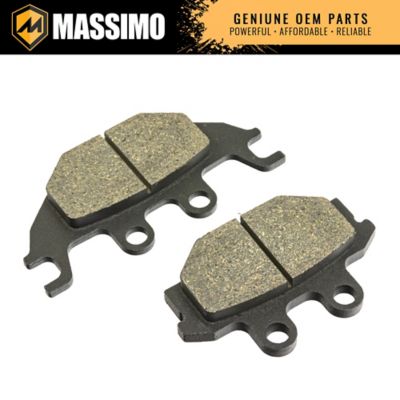
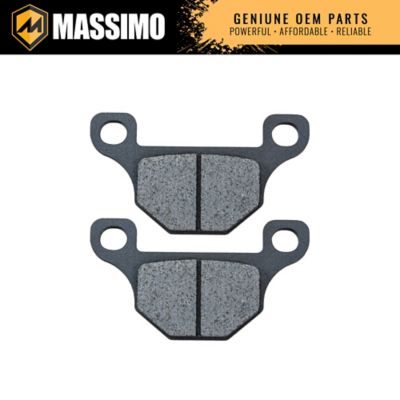
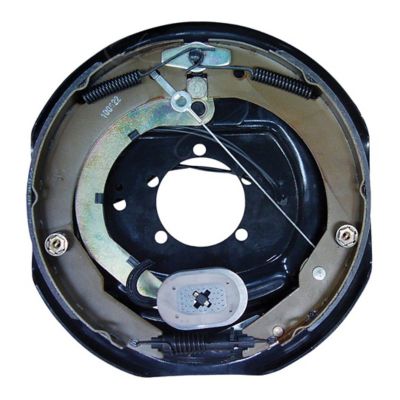
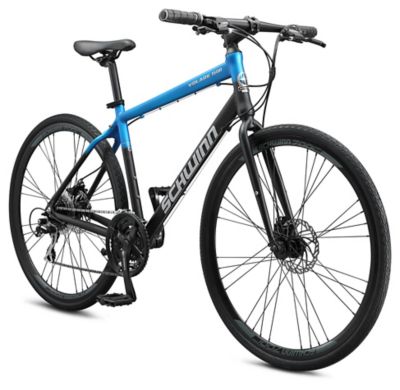
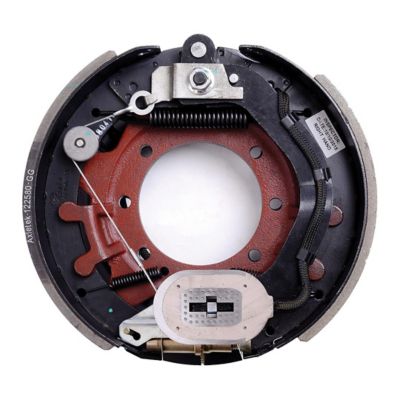
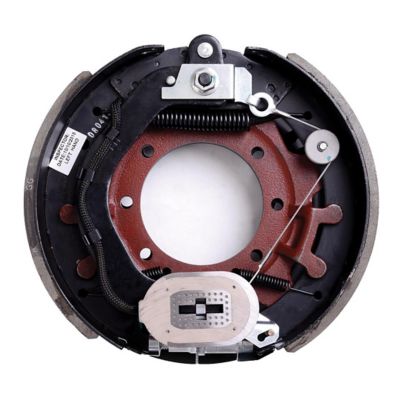
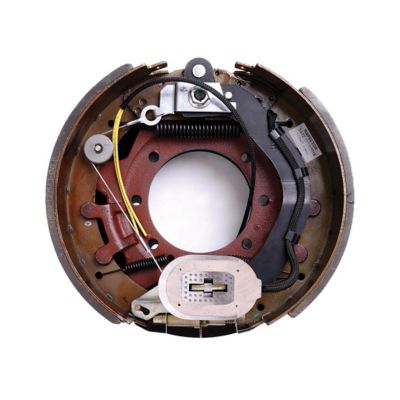
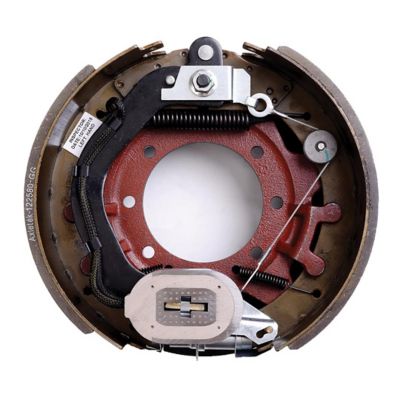
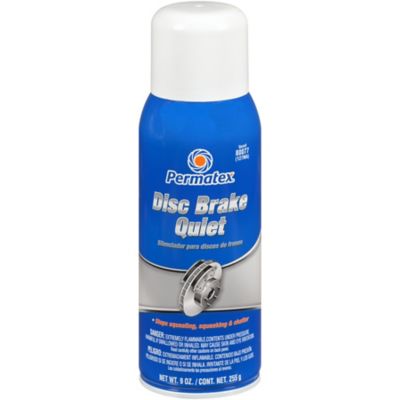
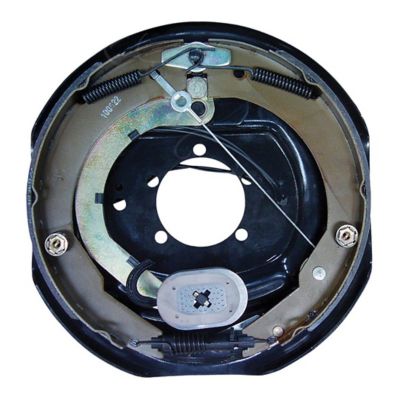
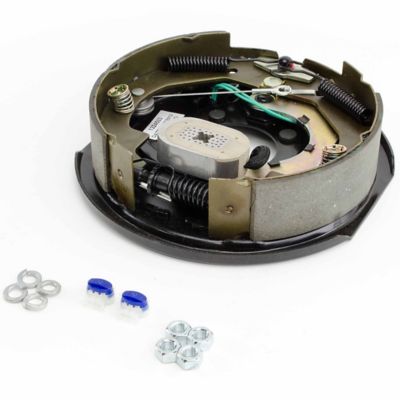
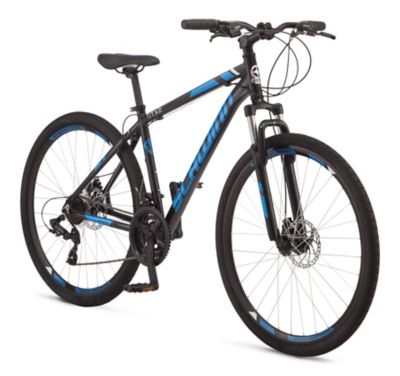
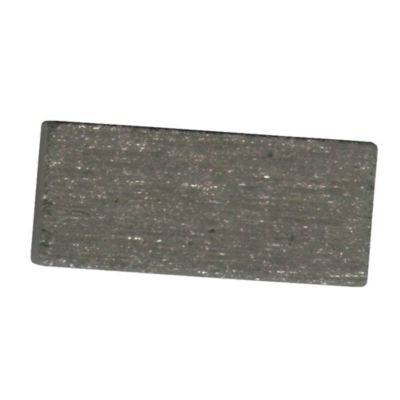
Disc brake components are the parts that work together to slow a wheel by pressing brake pads against a rotating metal disc. The main components are brake pads, brake rotors, brake calipers, and mounting hardware. Each has a separate job, but stopping performance depends on how well the whole assembly fits and functions. Brake pads carry the friction material that contacts the rotor. The rotor turns with the wheel, giving the pads a braking surface and helping release the heat created during a stop. A caliper straddles the rotor and applies pressure to the pads, while bolts, clips, springs, and other hardware hold parts in place or allow the movement a particular design requires. Hydraulic systems also include a master cylinder, brake fluid, lines or hoses, and bleed fittings. The master cylinder converts force at the pedal or lever into fluid pressure, which moves pistons in the caliper. Mechanical bicycle disc brakes work differently: a cable transfers force from the handlebar lever to an actuator at the caliper. That distinction matters when selecting replacement parts, because a cable-operated caliper and a hydraulic caliper need different supporting components. Disc brakes appear on cars, pickups, bicycles, and some trailers and equipment, but their parts are not interchangeable across those applications. A pickup that carries fencing supplies, a bicycle ridden along a gravel lane, and a trailer fitted with disc brakes each place different demands on the system. Even within one type of vehicle, front and rear assemblies may differ in size, mounting layout, and operating requirements. Replacement disc brake parts need to match the exact application rather than simply look like the parts coming off. For anyone comparing complete bicycles alongside replacement components,
Bikes With Disc Brakes offers a related starting point. Whether the job involves a bicycle at the workbench or a farm pickup in the shop, knowing what each component does makes it easier to identify the right category of part.
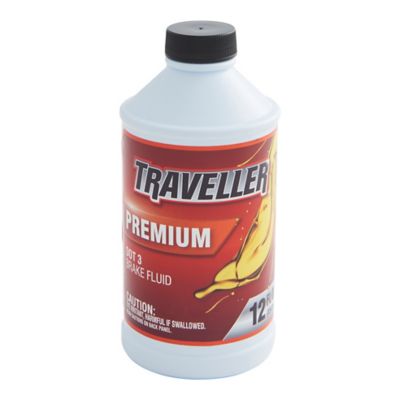
Materials and fit are practical considerations throughout a disc brake assembly. Automotive rotors are commonly cast iron, while bicycle braking tracks are often stainless steel; some bicycle rotors combine a steel braking surface with an aluminum carrier or layered construction. Rotor diameter, thickness, mounting pattern, and offset all affect compatibility. A larger rotor is not automatically a suitable replacement, even when it appears to fit inside the wheel. Caliper clearance, bracket position, hub attachment, and manufacturer limits still apply. Automotive rotors may be solid or vented, with vented designs incorporating internal passages that help shed braking heat. Brake pads also vary in construction. Depending on the application, friction compounds may be organic, semi-metallic, ceramic, or sintered metallic, with each design balancing characteristics such as bite, noise, wear, and heat handling. These labels do not mean the same pad can move between a truck and a bicycle, and some bicycle rotors restrict which pad compounds can run against them. Pad shape, backing plate dimensions, retaining features, and the specified friction material all deserve attention. Calipers bring another set of fit requirements, including mounting style, piston arrangement, hose or cable connection, and clearance around the rotor. Floating automotive calipers depend on properly functioning slides, while fixed designs position pistons on both sides of the rotor. Bicycle calipers have their own mounting standards, and an adapter must match both the frame or fork mount and the approved rotor size. Small hardware matters just as much as the larger pieces. Pad springs, retaining pins, slide pins, boots, and mounting bolts serve specific purposes and are not universal substitutes for one another. For hydraulic components, the specified brake fluid is another firm boundary: mineral-oil bicycle systems and systems calling for a particular DOT fluid require the fluid named by the manufacturer. The wrong fluid can damage seals and interfere with braking. Matching parts by the vehicle or bicycle specifications, brake model, and service information is more dependable than judging by appearance alone.
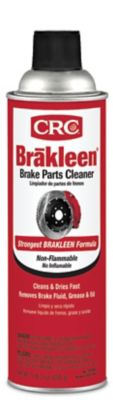
Disc brake components suit a range of maintenance needs, from replacing worn friction surfaces to addressing a sticking caliper or damaged hose. For a rural household with a pickup, a trailer, and a couple of bicycles, keeping each system’s requirements separate helps prevent mix-ups at the workbench. A pad that drags after the brake releases may point to caliper movement, piston operation, alignment, or another issue rather than pad wear alone. Uneven pad wear, fluid leaks, grinding, persistent vibration, or a lever or pedal that feels different deserve inspection before further operation. These symptoms can have several causes, so replacing one visible part without checking the rest of the assembly may leave the underlying problem in place. Service life depends on the application, load, terrain, braking habits, and condition of surrounding parts. Repeated stops with a loaded vehicle create different demands from an easy bicycle ride, and replacement components should remain within the equipment maker’s specifications and load ratings. Care centers on keeping friction surfaces free of oil and grease, checking wear against published limits, and maintaining moving parts with the lubricants specified for that assembly. Lubricant belongs only at approved contact or sliding points, never on rotor braking tracks or pad friction material. Rotor thickness and pad wear limits come from the manufacturer, not appearance alone; a rotor can look fairly smooth and still be below its service limit. Hydraulic work may require bleeding to remove trapped air, while cable-operated bicycle brakes need sound cables, intact housing, and correct adjustment. New pads and rotors may also call for a manufacturer-specified bedding procedure to establish proper contact. Correct fastener torque, sound threads, and intact retaining hardware are part of the job, not finishing touches to overlook. Brake work is safety-critical, and a qualified technician is the right choice when diagnosis or installation goes beyond the owner’s tools and experience. Well-matched disc brake components support controlled stopping and straightforward upkeep, whether the equipment heads down a gravel driveway, into town, or along a favorite riding route.