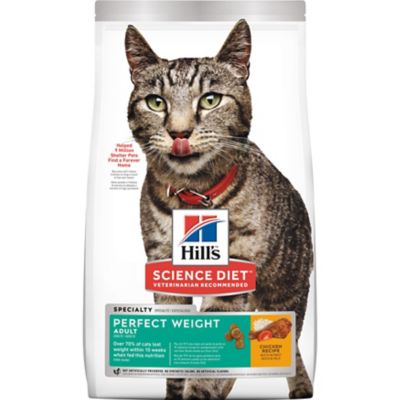
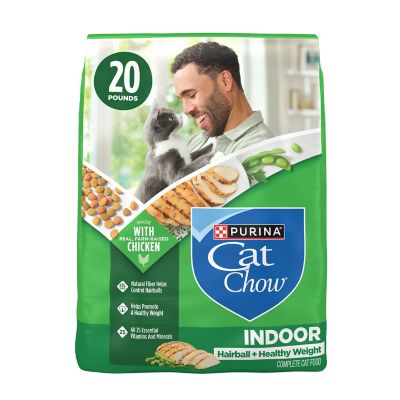
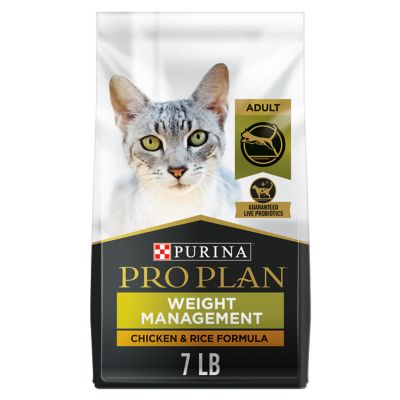
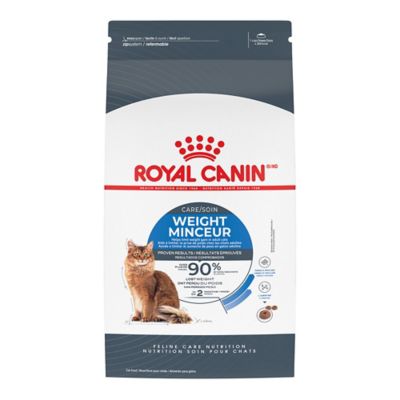
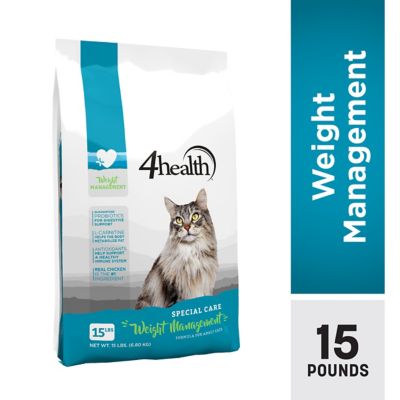
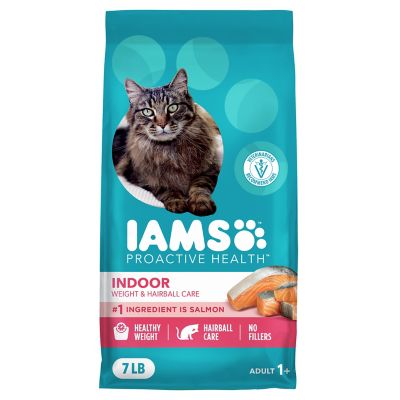
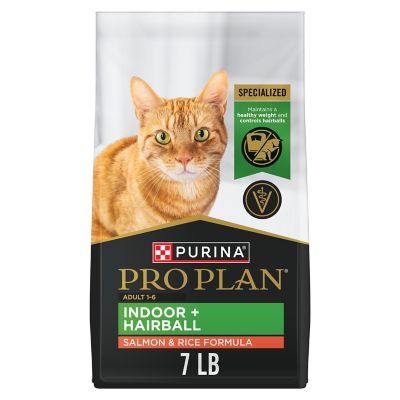
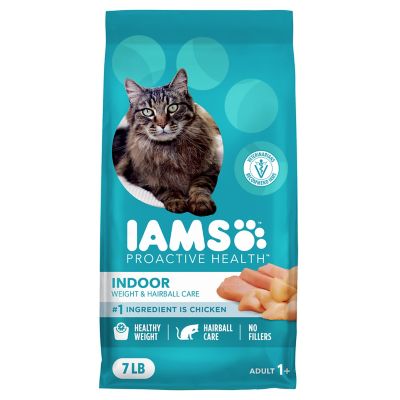
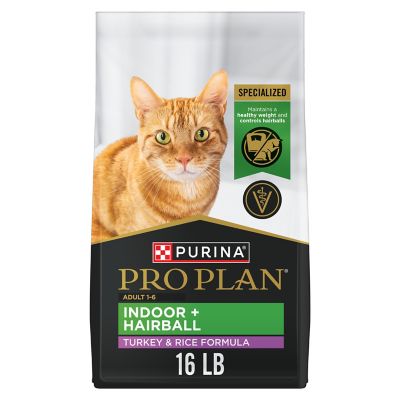
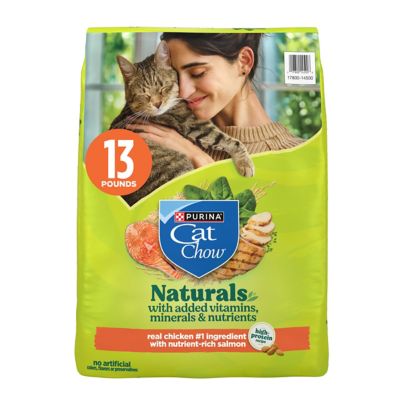
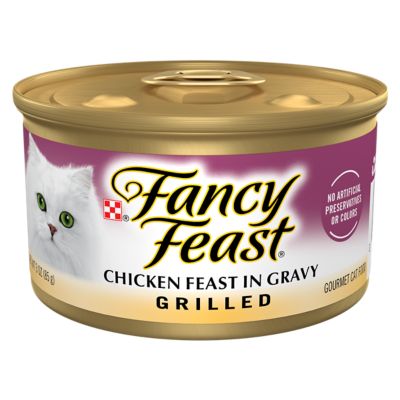
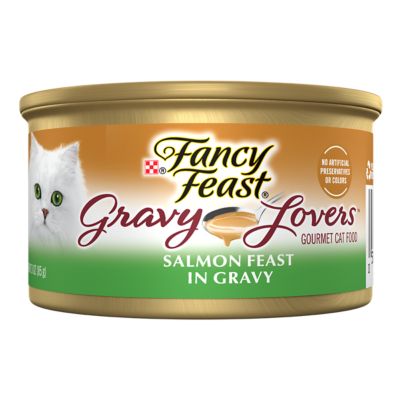
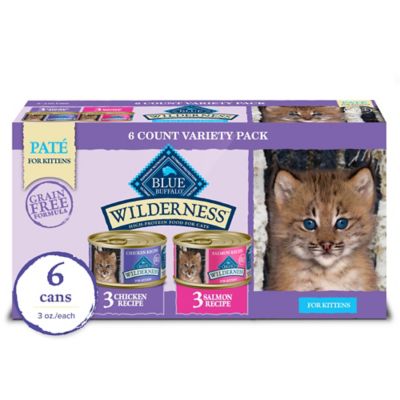
Choosing a diet for overweight cats starts with looking beyond the picture on the package and paying close attention to calories, protein, fiber, moisture, and serving size. A cat may seem to eat only a little, yet small extras can add up quickly when measured against a small body. Weight-management cat foods are made to provide needed nutrients with fewer calories per serving, while higher protein can help support lean muscle as body fat comes down. Added fiber may help some cats feel satisfied between meals, though each cat responds differently. Wet food can also be a useful part of a feeding routine because it supplies more water and often fewer calories by volume than dry kibble. The right choice depends on your cat’s age, current weight, activity level, body condition, and any health concerns. A cat that spends long hours napping on a windowsill has different needs from one that races around a barn, porch, or farmhouse after every rustle in the grass. If your cat has diabetes, kidney disease, urinary concerns, digestive trouble, or another medical condition, speak with a veterinarian before changing food. Some cats need a veterinary diet or a carefully managed feeding plan, and a professional can help set a safe target weight rather than relying on appearance alone. For broader feeding information, visit
Healthy Cat Food and compare formulas with your cat’s everyday needs in mind.
Portion control matters just as much as the food itself. Feeding directions on a bag or can are a starting point, not a one-size-fits-all prescription, so measure each meal with a proper measuring cup or kitchen scale instead of filling a bowl by feel. Free-choice feeding can make progress difficult, especially in homes where a cat wanders back to the bowl throughout the day or shares food with other pets. Divide the daily amount into two or more meals, and keep treats, table scraps, toppers, and lickable snacks within the daily calorie allowance. A slow feeder, food puzzle, or a few small portions placed around the house can add movement and make mealtime last longer without adding extra food. When switching from one diet to another, mix the new food with the old over several days, increasing the new portion gradually. A sudden change may lead to refusal, vomiting, or loose stool, and cats should not be left without food in an effort to speed up weight loss. Keep fresh water available in more than one easy-to-reach spot, particularly when feeding more dry food. Many cats drink more readily from a wide bowl, a fountain, or a quiet location away from the litter box. Store opened food as directed, keep dry food in a sealed container, and follow the feeding and storage information on the package. In a home with several cats, feed separately when possible so one cat does not finish another cat’s meal. These simple steps can be especially helpful during cooler months, when indoor cats may settle into longer naps and get less natural movement.
Progress is best judged over time with regular weigh-ins and attention to body condition, energy, and appetite. A veterinarian can recommend how often to check weight and how quickly it should change; gradual loss is generally safer than a sharp drop. Keep a simple record of portions, treats, weight, and any changes in stool or behavior. A kitchen scale, a note on the refrigerator, or a phone reminder can help the whole household follow the same plan. Feel along the ribs as advised by your veterinarian, watch for changes around the waist, and notice whether your cat can groom, climb, and move comfortably. Do not make a feeding decision based only on a round belly, since long hair, loose skin, age, and body shape can affect how a cat looks. If appetite drops suddenly, your cat seems weak, vomits repeatedly, drinks or urinates much more than usual, or loses weight without a planned change, contact a veterinarian promptly. Cats can hide illness behind a quiet nap, so a noticeable change deserves attention. These diets may be helpful for adult cats who need fewer calories while maintaining muscle, for indoor cats with limited activity, or for cats whose portions and treats have slowly crept upward over the years. They can also help households create a consistent routine when one family member feeds breakfast, another handles supper, and everyone wants to offer a little extra affection. A leaner cat is not simply a smaller cat; the goal is steady support for comfortable movement, normal grooming, play, and long-term health. Choose food that fits your cat’s life, measure every serving, make changes gradually, and let veterinary guidance shape the plan when health conditions are part of the picture.