Cyber Monday Discounts On Feeders
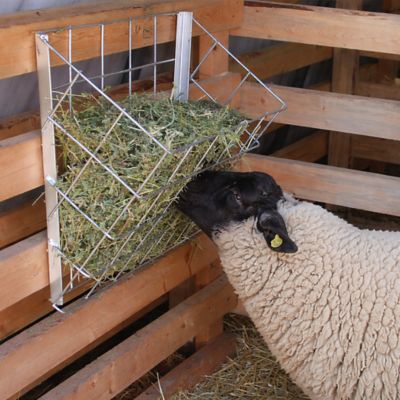
Shop Cyber Monday discounts on feeders for your animal care setup at Tractor Supply. Compare options by intended use, feed capacity and dimensions to find a feeder that fits your animals, available space and daily feeding routine.
$41
.99
Sale Was $49.99 Save $8.00 (16%)
$118
.99
Sale Was $139.99 Save $21.00 (15%)
$84
.99
Sale Was $99.99 Save $15.00 (15%)
$299
.00
Sale Was $399.99 Save $100.99 (25%)
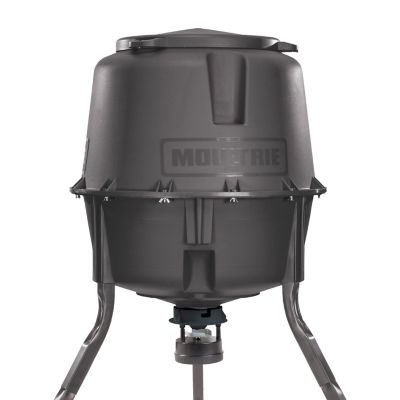
$84
.99
Sale Was $99.99 Save $15.00 (15%)
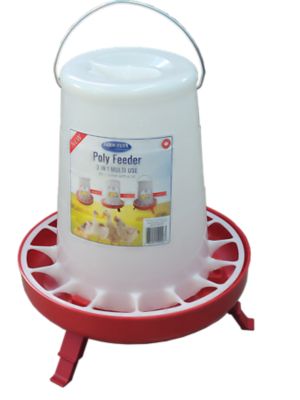
$14
.99
Sale Was $16.99 Save $2.00 (12%)
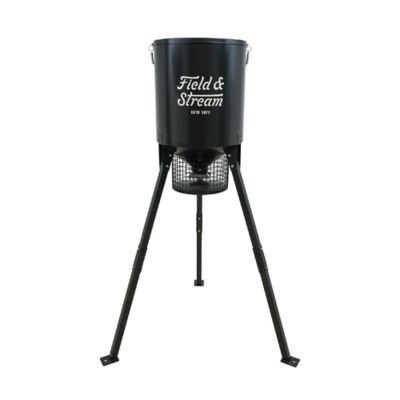
$212
.49
Sale Was $249.99 Save $37.50 (15%)
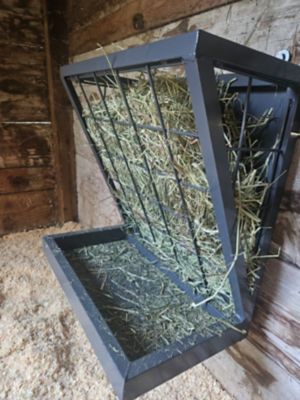
$109
.46
Sale Was $179.99 Save $70.53 (39%)
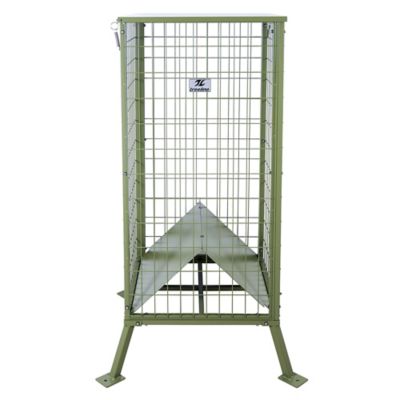
$186
.99
Sale Was $219.99 Save $33.00 (15%)
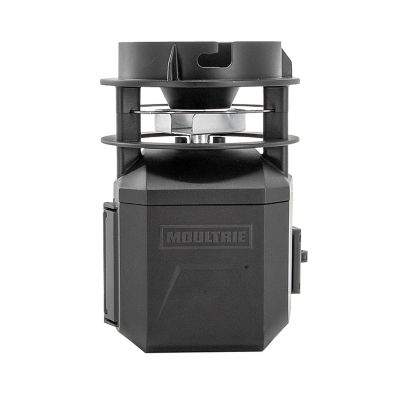
$67
.99
Sale Was $79.99 Save $12.00 (15%)
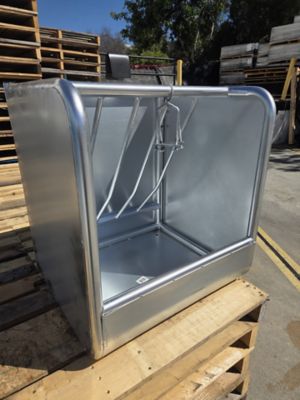
$179
.96
Sale Was $219.99 Save $40.03 (18%)
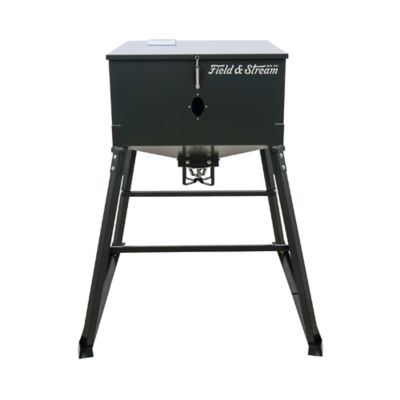
$382
.49
Sale Was $449.99 Save $67.50 (15%)
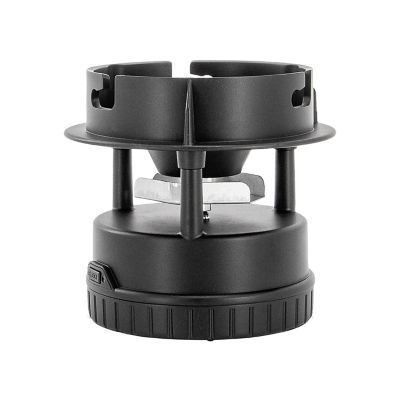
$42
.49
Sale Was $49.99 Save $7.50 (15%)
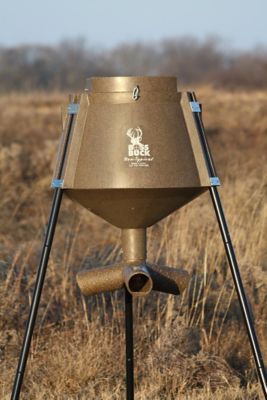
$297
.49
Sale Was $349.99 Save $52.50 (15%)
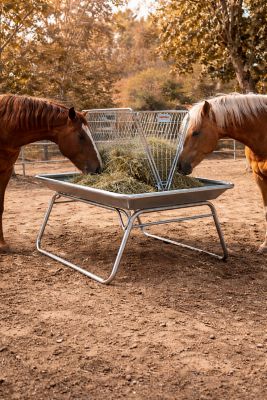
$712
.46
Sale Was $949.99 Save $237.53 (25%)
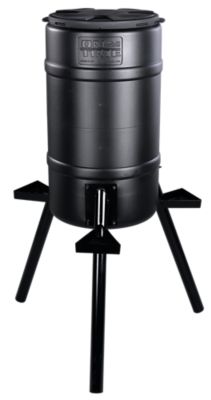
$144
.49
Sale Was $169.99 Save $25.50 (15%)
$84
.99
Sale Was $99.99 Save $15.00 (15%)
$42
.49
Sale Was $49.99 Save $7.50 (15%)
$219
.99
Sale Was $239.99 Save $20.00 (8%)
$195
.49
Sale Was $229.99 Save $34.50 (15%)
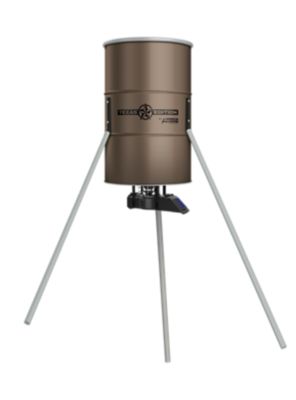
$212
.49
Sale Was $249.99 Save $37.50 (15%)
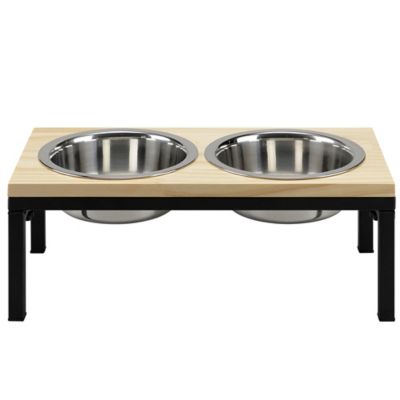
$28
.99
Sale Was $31.99 Save $3.00 (9%)
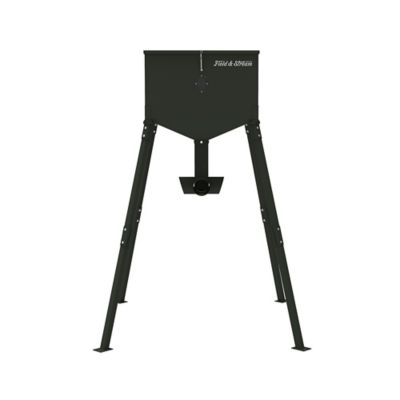
$297
.49
Sale Was $349.99 Save $52.50 (15%)
Best Of FAQ
What feeder styles should I compare during Cyber Monday shopping?
Start with feeders made for the animals you tend, whether that’s poultry, livestock, pets or backyard birds. Common styles include troughs, hanging feeders, feed pans, gravity feeders and timed feeders.
How do gravity feeders differ from timed feeders?
Gravity feeders let feed move from a hopper into a tray as animals eat. Timed feeders have a powered mechanism that releases feed according to a schedule.
What materials are common in animal feeders?
Animal feeders come in materials such as galvanized steel, stainless steel, plastic and rubber. The material options vary by feeder style and the animal it’s made for.
What mounting options do animal feeders have?
Some feeders sit on the ground, while others hang from a chain or attach to a wall, fence or stall panel. Check the mounting method and included hardware when planning your barn, coop or backyard setup.
What feeder features allow access for cleaning?
Look for removable trays, detachable hoppers, lift-off lids and accessible feed compartments. Check the care directions for washing instructions and whether parts can go in the dishwasher.
Best Sellers
-
"A little advanced for our 5 year old, but a great first kit for someone just learning how to use big"
-
"every single size of these totes, they hold so much, nestle on top of each other for easy storage and best"
-
"The best of the best heat lamps. Very easy to set up"
-
"My dogs love the salmon oil, there picky eaters and this stuff squirt on top of food they eat it right"
-
"Best Fertilizer for fruit trees, bushes, and plants that I have found"