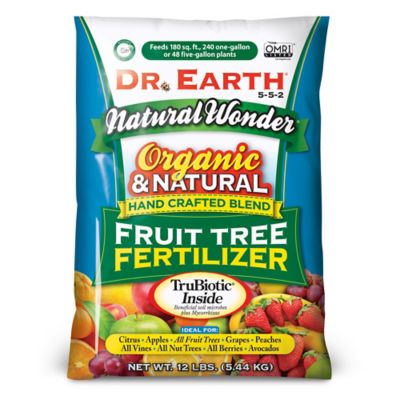
Garden fertilizers help replenish nutrients that vegetables, flowers, herbs, and other plants draw from the soil. Whether the growing space is a few tubs beside the porch or long rows behind the barn, the right plant food fits the crop, the soil, and the way the garden gets tended. A tomato patch putting on leafy growth has different needs from a bed of flowering plants or a container of kitchen herbs. Fertilizers come with different nutrient balances to suit those differences, rather than treating every planting as the same job. The three-number analysis on the label lists nitrogen, phosphate, and potash by percentage. Nitrogen supports leafy growth, while phosphorus and potassium play roles in root development, flowering, and other plant functions. Bigger numbers do not automatically mean a better match; the useful balance depends on what is already in the soil and what the plants need. A soil test helps put those numbers in context, including whether additional phosphorus or potassium is needed at all. Soil pH matters, too, because it affects how readily roots can take up certain nutrients. Pale leaves or slow growth can have several causes, so fertilizer is not a stand-in for sound drainage, enough light, or proper watering. For a garden that has been worked for years, nutrient information can help narrow the choices without adding more of something the ground already has. For a new raised bed, the soil blend and any fertilizer already mixed into it are part of the picture. Compost can contribute organic matter and some nutrients, while fertilizer provides a more defined nutrient analysis. Together, those details make plant food easier to match to the space, whether the goal is a steady supply of greens for supper, flowers along the fence, or a backyard vegetable patch with room for a little of everything.
The form of a garden fertilizer makes a difference in how it fits into everyday chores. Dry granules are easy to portion for labeled applications around established plants or across a planting bed, and some formulas are intended for mixing into soil before planting. Even distribution matters: a concentrated pile beside one stem is not the same as a measured amount spread through the intended area. Liquid concentrates and water-soluble powders mix with water at the rate on the label, making them practical choices for gardeners who feed containers or individual plants as part of their watering routine. Ready-to-apply liquids offer another format, with application methods that vary by package. The best fit often comes down to the size of the garden, access to water, and whether the job involves a handful of pots or several long rows. Slow-release fertilizers make nutrients available over an extended period, while readily soluble forms provide nutrients that plants can access sooner under suitable growing conditions. Neither approach removes the need to follow application rates and intervals. Ingredient sources vary as well, from mineral-based nutrients to plant and animal materials that break down through biological activity in the soil. Many formulas combine nutrient sources, so the label tells more than a broad category name alone. Some fertilizers supply secondary nutrients or trace elements alongside the main three, but those additions are most helpful when they address a real need. Container plantings deserve particular attention because roots have a limited volume of growing mix, and repeated feeding can leave excess salts behind. Seedlings and newly transplanted plants may also need a different concentration than established garden plants. Labels that identify the intended plants, application method, and feeding interval help connect the fertilizer to the job without assuming that one formula belongs everywhere. A watering can by the porch and a spreader near the shed call for different handling, even when both support the same garden.
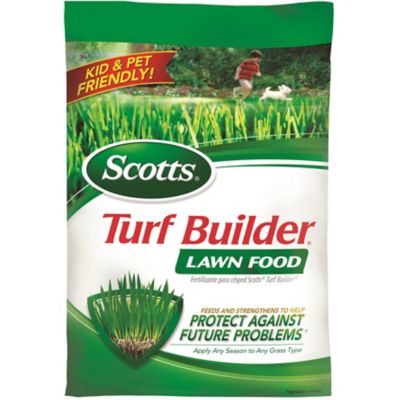
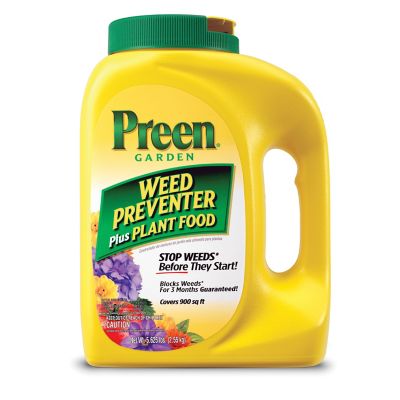
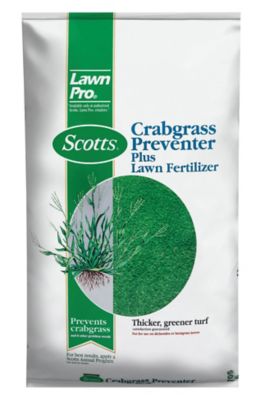
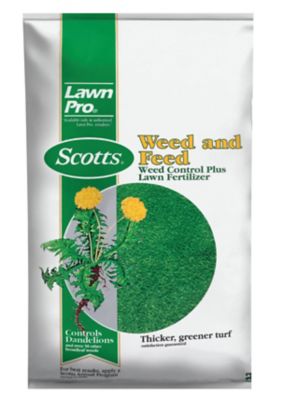
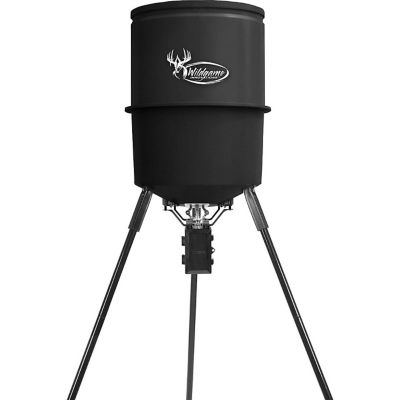
Garden fertilizers serve backyard growers, folks tending shared garden plots, and households raising vegetables alongside flowers and herbs. They can suit small spaces as well as larger garden patches, provided the package directions cover the intended use. For edible crops, labeling for vegetables, fruits, or herbs is an important part of that match, along with any application restrictions. A fertilizer intended for lawn care is not automatically suitable for a vegetable bed, particularly when other treatment ingredients are included. Straight fertilizer and combination treatments have different purposes, and those distinctions matter around food plants. Storage and handling are part of choosing plant food, too. Dry fertilizer can absorb moisture and clump, while liquid formulas may have mixing and storage requirements of their own. Original labeled packaging keeps the nutrient analysis, directions, and safety information close at hand. A secure storage spot away from children, pets, livestock feed, and harvested food helps keep garden supplies separate from things meant to be eaten. Some animal-derived ingredients can draw the attention of curious pets, so a natural source does not remove the need for precautions. Measuring tools reserved for garden supplies also help keep fertilizer out of kitchen equipment and animal feeding gear. Households with other outdoor chores can also explore
Cyber Monday Discounts On Feeders for the feeding side of the routine. Back in the garden, thoughtful application means keeping nutrients where roots can reach them, rather than scattered across a walk, driveway, or drainage area. More fertilizer is not always better, and excess nutrients can injure plants or move beyond the garden. The most useful choice is one that fits the plants, the soil information, and the gardener’s normal routine. From a few pepper plants near the back steps to beds that keep the kitchen busy, garden fertilizers have a practical place among the supplies that help keep growing spaces productive.