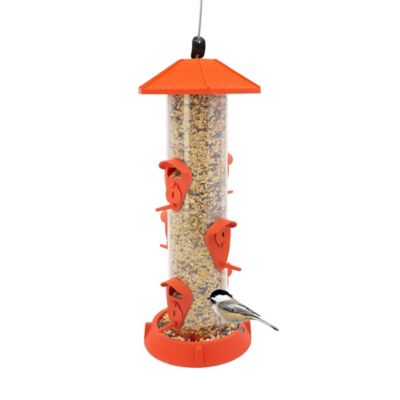
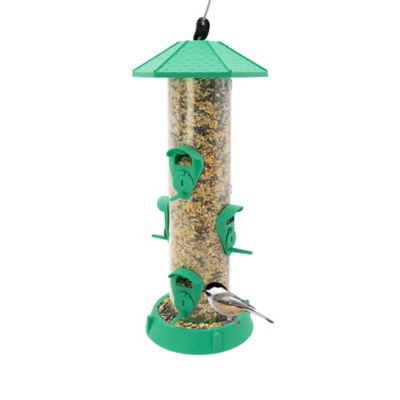
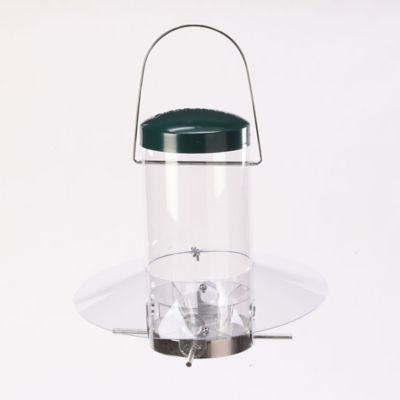
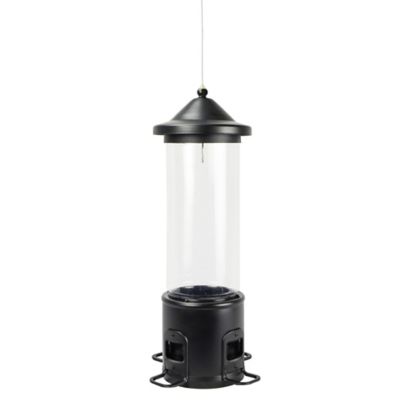
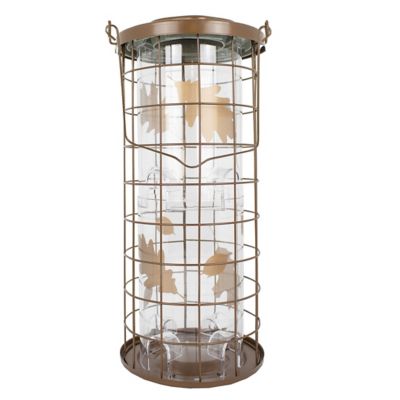
A bird feeder brings a little more life to the view beyond the kitchen window, whether that view takes in a small backyard, a garden fence or a stretch of pasture. For folks who enjoy watching goldfinches settle onto a perch or cardinals stop by before the morning chores, the right feeder makes those visits easier to enjoy. Different feeder styles suit different feeding habits, so the shape matters as much as the amount of seed it holds. Tube feeders offer several small feeding stations along a narrow body, giving smaller songbirds places to perch without requiring much space. Hopper feeders hold seed in a central chamber that feeds into a tray, making them a practical fit for yards with a steady stream of visitors. Open platform feeders give birds room to land and turn around, though their exposed feeding surfaces call for closer attention to moisture and leftover seed. Suet feeders hold cakes in a cage or compartment where clinging birds, including woodpeckers and nuthatches, can feed. Seed choice belongs in the picture, too. Black oil sunflower seed appeals to many common backyard birds, while nyjer calls for a feeder with openings small enough to keep the fine seed contained. A feeder designed for one kind of feed may not handle another well, especially when port sizes and seed sizes do not line up. The birds already visiting a yard can offer useful clues about which shape and feeding arrangement will fit. A pair of cardinals needs more landing room than a chickadee making quick trips to a small perch. For a first feeding spot, easy access and a clear view often matter more than a large capacity. A larger setup can make sense where several birds gather regularly, provided the seed turns over before it becomes damp or stale. That balance helps keep feeding manageable without turning a pleasant backyard habit into another big chore.
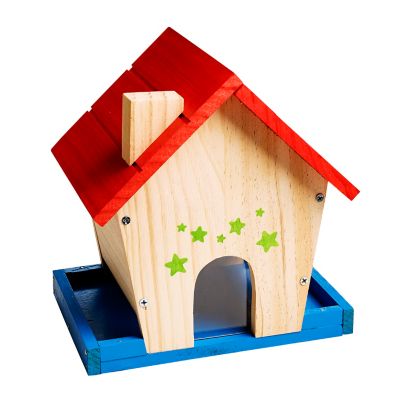
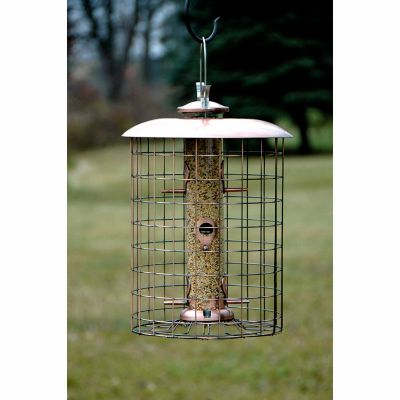
Materials and construction affect how a bird feeder handles outdoor exposure, repeated refilling and the occasional determined squirrel. Metal bodies and feeding ports can stand up to more chewing than softer materials, while coated finishes help protect exposed surfaces from corrosion. Clear plastic chambers make seed levels easy to check from a distance; the strength of the plastic and its resistance to sunlight matter when a feeder will hang in an open yard. Wood brings a familiar, natural look to a fence line or garden setting, though joints, roof coverage and surfaces that hold moisture deserve attention. Drainage holes, protected feeding ports and roofs that extend beyond the seed tray can help limit water buildup, but no open feeder keeps every bit of windblown rain away. A snug lid also helps keep feed contained when a feeder swings. Mounting hardware needs to match both the location and the feeder’s filled weight. A porch hook, tree branch, shepherd’s hook and freestanding pole each offer a different arrangement, and a heavy feeder filled with seed puts more strain on a support than an empty one suggests. Space around the feeder matters as well, especially where fences, overhanging limbs or nearby structures give squirrels an easy jumping point. Baffles and weight-sensitive feeding mechanisms can discourage squirrels, although their performance depends on placement and the animals visiting the yard. Everyday upkeep is another practical consideration. Wide fill openings make pouring less awkward, and lids that stay attached are easier to manage beside a feed bin or along a gravel path. Removable trays, bases and perches allow better access for washing and periodic disinfection. Thorough rinsing and complete drying help keep cleaning residue and excess moisture out of fresh feed. Damp seed, packed corners and buildup beneath a feeder need prompt attention. A design that comes apart without a struggle is more likely to fit comfortably into a regular care routine.
Bird feeders also fit a wide range of homes and gift-giving occasions, from a neighbor who knows every bird along the fence row to a grandparent who enjoys a clear view from the breakfast table. For someone with limited reach or difficulty lifting, a smaller feeder mounted within comfortable reach can be a better fit than a large chamber that becomes heavy when full. A window-mounted style offers close viewing where the mounting surface and attachment system are suitable, while a pole-mounted arrangement can bring feeding activity into view beyond a porch railing. Placement should account for window-collision risks, nearby shelter and access for cleaning rather than appearance alone. Families may appreciate feeding stations that make it easy to notice differences in beaks, markings and feeding habits without crowding the birds. Children can help recognize regular visitors from indoors, while an adult handles cleaning and checks the mounting hardware. For holiday giving, the recipient’s daily routine matters: a feeder that requires frequent attention suits someone who enjoys tending the yard, while a straightforward design with fewer parts may fit someone who wants simpler upkeep. The surrounding space matters just as much. A feeding spot above a tidy patio creates different cleanup needs than one along a mowed field edge, and fallen seed can attract rodents if it collects. Homes with backyard poultry have another reason to think carefully about placement. Wild-bird feeding areas belong away from the coop, poultry feed and drinking water to help reduce contact between visiting birds and the flock. Households tending both can also explore
Cyber Monday Deals On Backyard Poultry Supplies with those separate feeding needs in mind. Whether the feeder hangs near a farmhouse porch or beside a small-town garden, a sensible size, accessible parts and a secure mounting point help make birdwatching an easy part of the day.