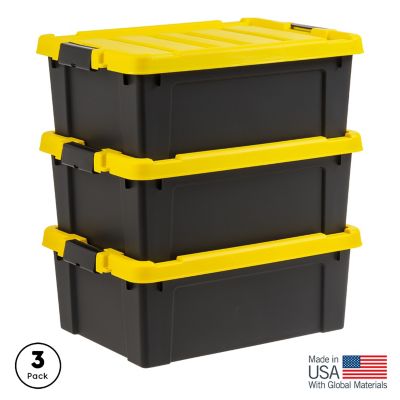
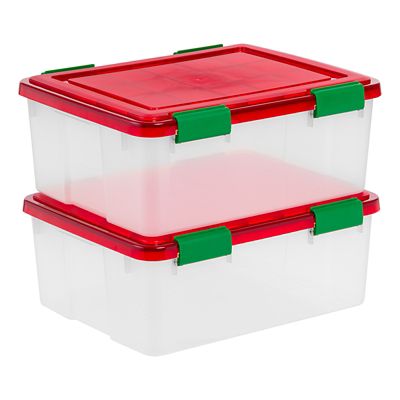
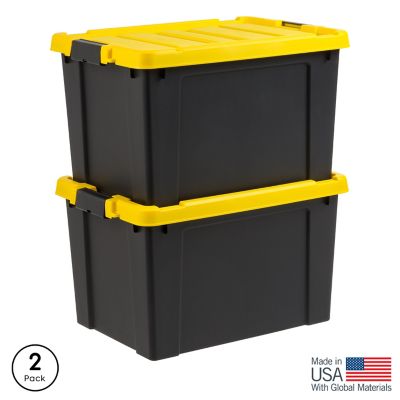
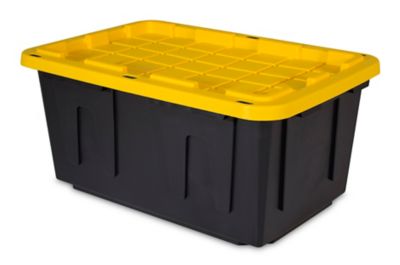
Chicken feed storage bins help keep the feed corner of a coop, shed, or barn from turning into a jumble of open sacks and scattered pellets. For backyard flock keepers and folks tending a larger laying flock, a well-fitting container makes daily chores more straightforward: lift the lid, fill the scoop, and close everything back up before heading to the feeders. Keeping feed enclosed helps limit exposure to moisture, dirt, and pests, though the level of protection depends on the container’s construction and closure. Capacity matters just as much as the lid. A bin needs room for the feed itself plus enough space to work a scoop without spilling grain over the edge. Listed gallon capacity does not always translate neatly into pounds of feed, since pellets, crumbles, and whole grains take up space differently. The weight and volume of a typical feed purchase provide a better starting point than the appearance of an empty bin. A smaller container can suit a few hens or a separate ration, while a larger one may make sense where more birds eat through feed steadily. Extra space is handy, but an oversized container can encourage keeping more feed on hand than a flock can finish within the feed maker’s recommended storage period. Separate bins also help distinguish chick starter, grower feed, and layer feed, especially when birds of different ages share the same property. Clear labels make that distinction easier when another family member handles feeding chores. Saving the original feed label, lot number, and feeding directions keeps useful information close at hand without relying on memory. The best fit for a feed area supports the way chores actually happen, whether that means a quick scoop before work or a longer round through several poultry pens. Even the opening’s shape matters when a full scoop needs to pass through without catching its handle on the rim.
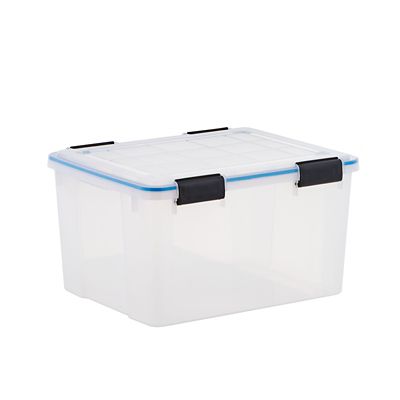
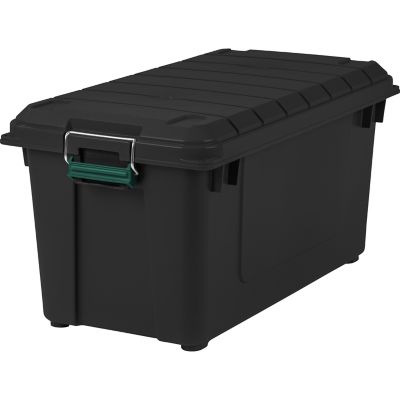
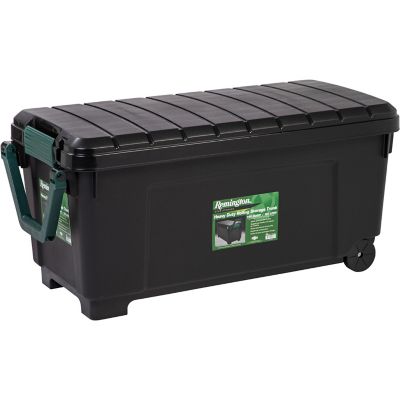
Materials and construction shape how a chicken feed storage bin handles everyday farm life. Galvanized steel offers a rigid body and a surface that is harder for rodents to gnaw through than plastic, although seams, lid fit, and the condition of the metal still matter. Dents around a rim can interfere with closure, and scratches or lingering dampness can leave some metal surfaces vulnerable to corrosion. Plastic containers are often lighter to move and easier to carry through a narrow doorway, but wall thickness, handle attachment, and lid design deserve a close look. Containers intended for animal feed storage, with manufacturer information confirming their suitability for feed contact, are a sensible choice for keeping rations in their original condition. A tight-fitting lid helps keep dust and debris out, while a gasketed closure may provide an additional barrier when maintained according to its care directions. No container should be assumed waterproof or rodent-proof unless its specifications support that claim. Latches need to hold securely without making every feeding trip a wrestling match, and handles should feel practical for the load they are meant to carry. A container that lifts easily when empty can be a different story once it is full of pellets. Wheeled designs can reduce carrying, provided the wheels suit the floor and the filled container stays within its rated load. On uneven barn floors, a broad, steady base can matter more than easy rolling. The space around the bin counts, too: hinged lids need clearance above, removable lids need a clean place to rest, and tall containers require a comfortable reach to the bottom. A bin tucked under a shelf may fit by measurement yet still be awkward to open. Smooth interiors and accessible corners make it easier to remove feed dust between fillings. Washing and drying requirements vary by material, and any container needs to be completely dry before fresh feed goes inside. Those details help turn storage space into a feed station that works day after day.
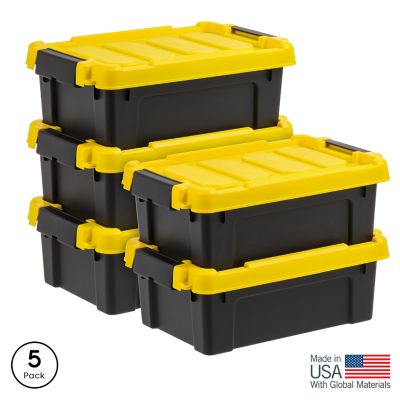
A useful feed-storage setup keeps the right ration close without putting it in the path of muddy boots, leaking waterers, or birds scratching through spilled grain. A dry, sheltered location away from direct sunlight and household or farm chemicals helps protect feed, while enough room around each container makes checking the lid and cleaning the floor less of a chore. Keeping bins off damp ground on a stable platform can help protect their bases, as long as the arrangement safely supports the filled weight. Stacking calls for containers specifically rated for that purpose; a flat lid alone does not establish that a bin can carry another full load. For households with children or several people sharing chores, easy-to-read labels and clearly separated rations make the setup easier to follow. An opening date marked on the bin or a nearby tag helps keep feed moving in order, and finishing one batch before adding another allows the container to be emptied and checked. Feed dust left in corners, a lid that no longer seats evenly, or signs of chewing around the base are worth catching early. Storage bins work alongside regular cleanup and pest management rather than replacing them. They also belong in the bigger picture of everyday flock care, alongside the feeding and watering essentials featured on
Cyber Monday Deals On Backyard Poultry Supplies. For a poultry keeper who appreciates practical gifts, a thoughtfully chosen feed bin can earn its place beside the coop without adding another complicated task. The right capacity, manageable filled weight, secure closure, and workable footprint matter far more than looks alone. From a small backyard run to a busy barn aisle, chicken feed storage bins help give every ration a designated place and make the next trip out to feed the flock a little simpler.