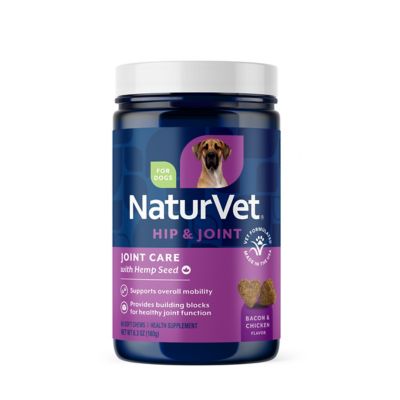
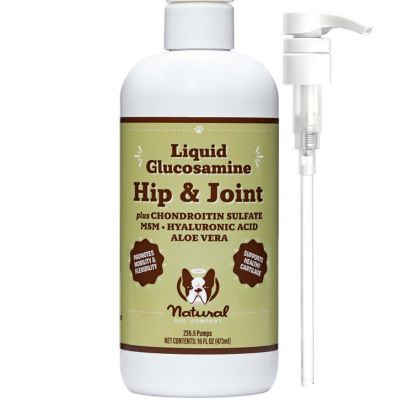
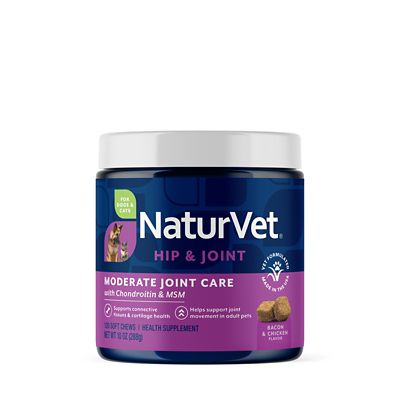
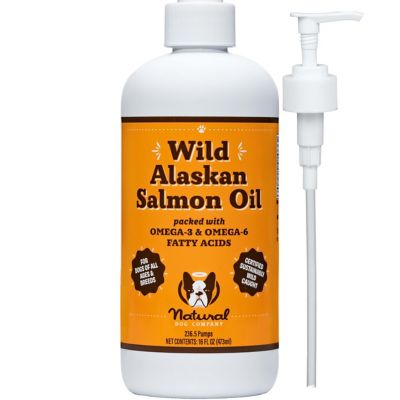
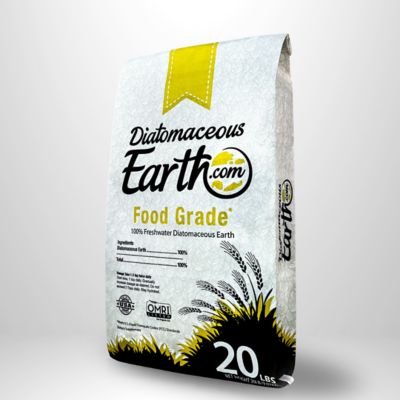
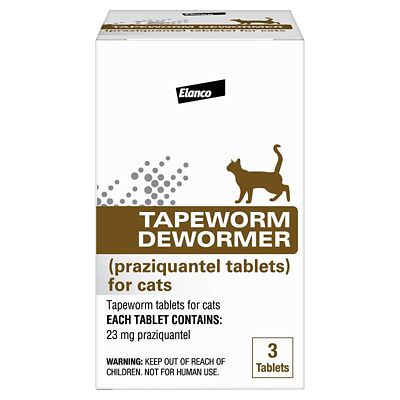
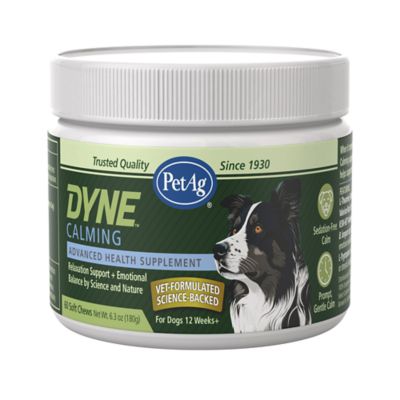
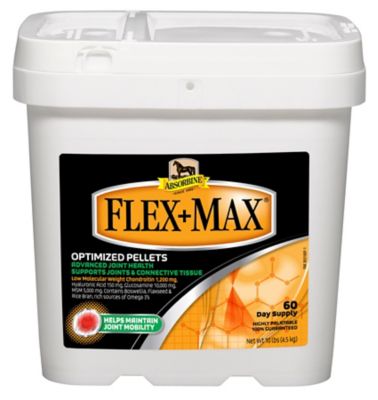
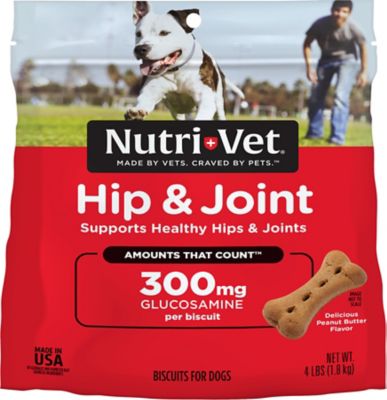
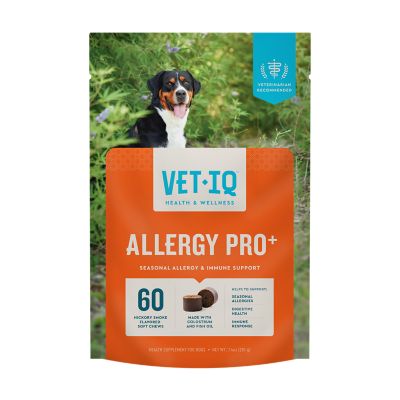
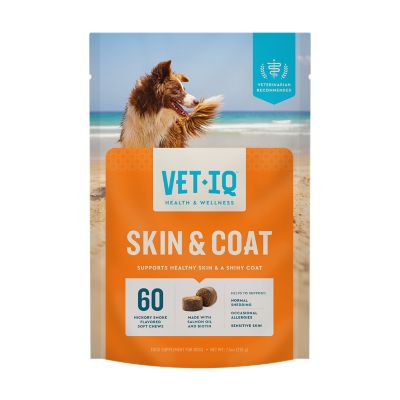
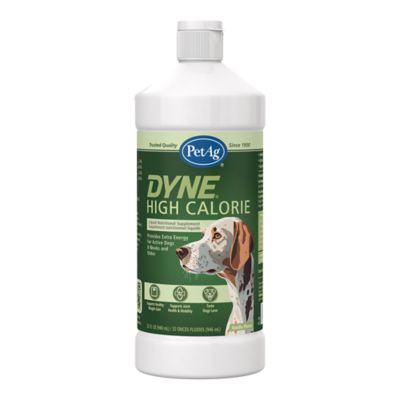
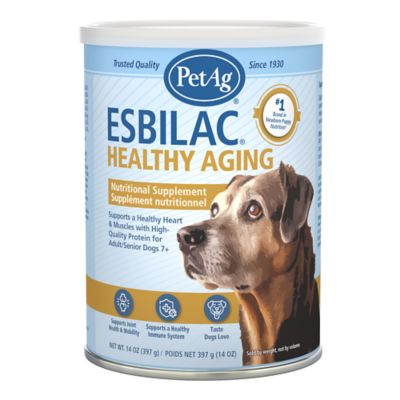
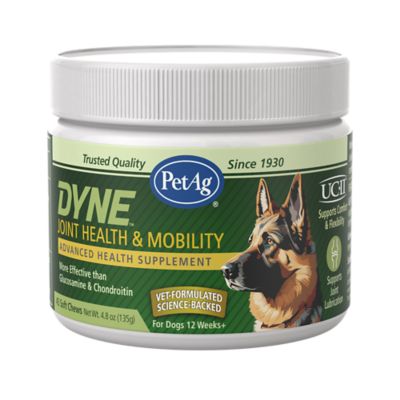
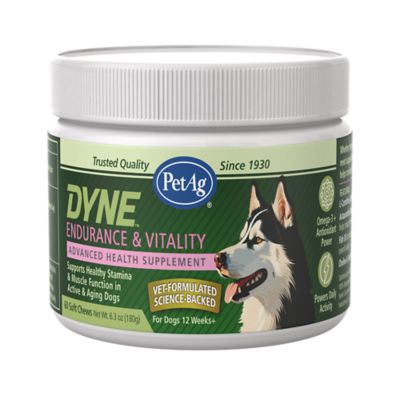
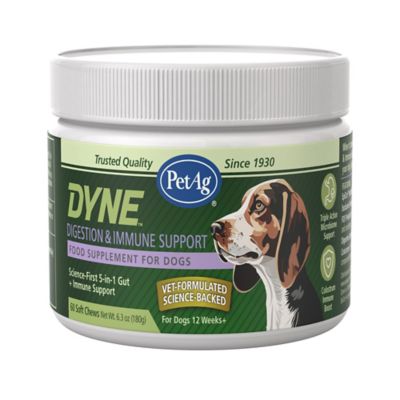
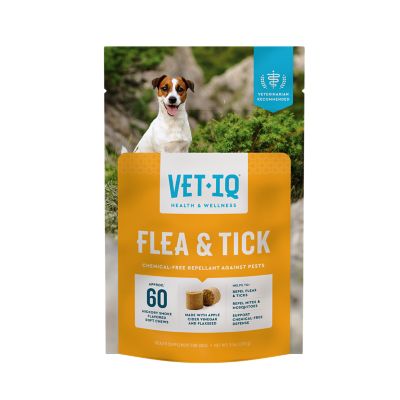
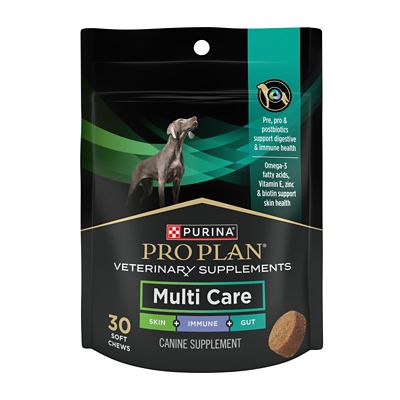
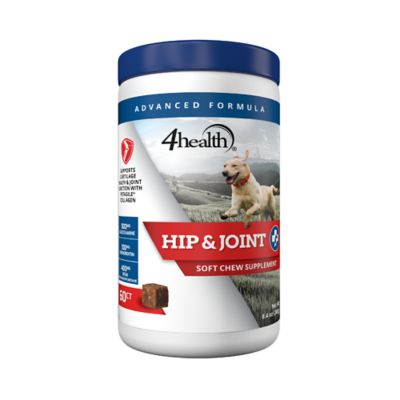
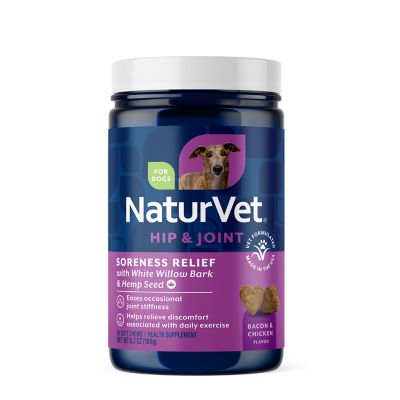
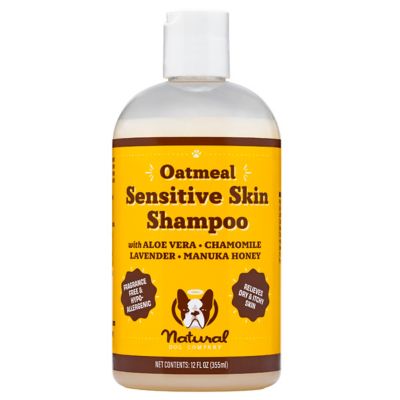
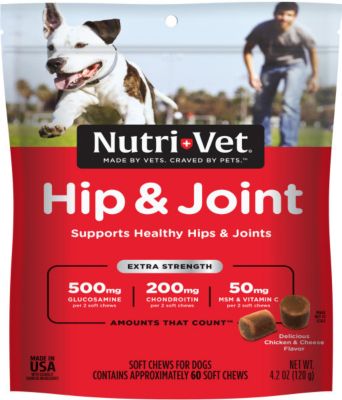
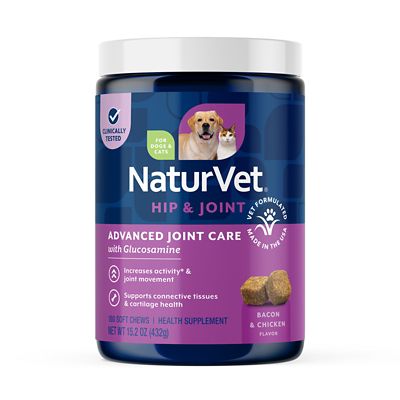
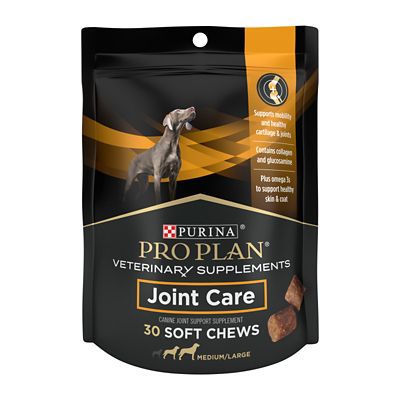
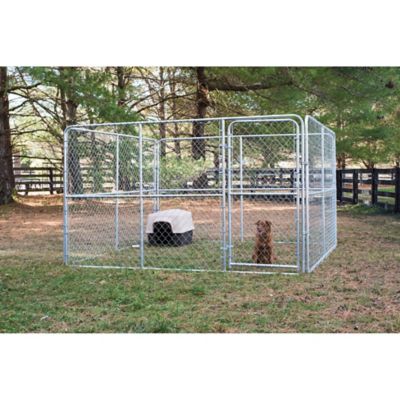
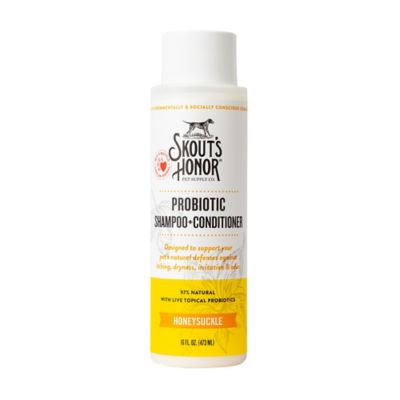
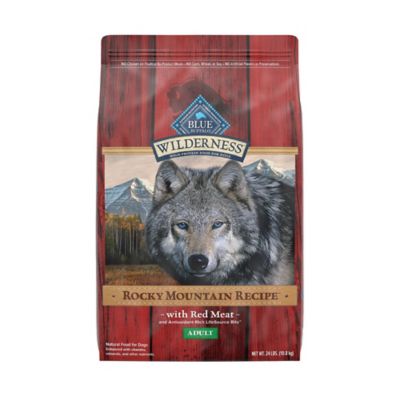
Animal health supplies help keep everyday care organized, from a dog’s regular routine to the needs of horses, cattle, goats, sheep, and poultry. On a working farm or a small homestead, that can mean keeping skin and coat care, parasite management, digestive support, and basic first-aid needs in mind without treating every animal alike. A backyard flock has different needs from a riding horse, and a growing calf does not call for the same approach as a mature barn cat. A suitable match starts with the species named on the label, the intended purpose, and any limits involving age, weight, or health history. Even when packaging looks familiar, formulas and concentrations can differ, so similar appearances do not make animal health supplies interchangeable. Options intended for routine upkeep also serve a different role from treatments for a diagnosed condition. A veterinarian can help sort out those differences, especially for animals that are pregnant, nursing, taking other medications, or managing an ongoing health concern. For cattle, poultry, and other food-producing animals, label directions may also include important restrictions and withdrawal periods for milk, eggs, or meat. Those details belong alongside the everyday realities of chore time: how often care is needed, how calmly an animal handles attention, and whether the person helping can follow the same routine. Clear labeling and straightforward administration directions make it easier to keep everyone on the same page. Supplies matched to the animal and the task fit more naturally into daily chores than a shelf full of things with overlapping purposes. That matters just as much in a two-horse barn as it does across a larger livestock operation. A manageable routine leaves room to notice changes in appetite, movement, skin, or behavior, while recognizing that concerning symptoms call for veterinary attention rather than another addition to the care shelf.
Materials, construction, and fit matter wherever animal health equipment comes into contact with skin, hair, hooves, or handling surfaces. Stainless steel and smooth, nonporous plastics can offer practical cleaning characteristics for appropriate care equipment, while washable fabrics may suit certain protective applications. The manufacturer’s directions determine which cleaning methods a material can handle; not every surface tolerates the same cleaners, soaking, or scrubbing. Smooth edges, comfortable contact surfaces, and closures that stay secure without pinching are useful considerations for equipment that rests against an animal’s body. A size label alone does not tell the whole story, either. Body shape, measurements, movement, and the intended application all affect fit, especially with a broad-chested dog, a fine-boned horse, or a young animal that is still growing. Protective coverage should match its stated purpose, and anything that slips, rubs, or restricts normal movement needs attention. Some care materials are meant for a single application, while others require cleaning and thorough drying before returning to storage. That distinction helps shape the amount of upkeep involved and keeps a busy care area from becoming harder to manage than it needs to be. Packaging matters here, too: readable directions, intact seals, and closures that fasten properly help preserve the information and condition needed for appropriate use. Storage requirements vary, so a convenient spot in the barn is not automatically suitable for every formulation. Separation from feed, food, children, and animals helps keep health supplies within the right boundaries. A clearly arranged storage area also makes it easier to distinguish unopened supplies from those already in service and to keep expiration information visible. For anyone moving between a kennel, stall aisle, and livestock pen, equipment that holds up to its intended workload and permitted cleaning routine can make daily care less cumbersome. The goal is a setup that supports careful handling without adding unnecessary fuss to an already full chore list.
Animal health needs also change with an animal’s stage of life, workload, and living arrangements. A senior companion animal may have an established veterinary care plan, while newly arrived livestock may need an assessment before joining the rest of the group. Animals that travel for work, competition, or exhibitions can bring another set of recordkeeping and health requirements into the picture. Supplies fit into those plans rather than replacing them. Preventive care, nutrition, sanitation, and professional oversight each have their own role, and adding more to the routine is not always the answer. For households caring for companion animals alongside livestock,
Cyber Monday Deals On Pet Care covers related everyday pet-care needs, while animal health care calls for close attention to species-specific labeling and individual circumstances. On properties where several people share chores, simple records can keep those circumstances clear. An animal’s identification, the care provided, the date, and any veterinarian’s directions give the next person something concrete to work from instead of a hurried conversation at the gate. Original packaging keeps important details close at hand, including active ingredients, warnings, lot information, and expiration dates. It also helps prevent mix-ups when two containers look alike but serve different purposes. A well-arranged care area has room for clean supplies, separate handling of soiled materials, and disposal that follows label directions and local requirements. Safe restraint and a calm place to work matter, too; even a familiar animal may react differently when sore or frightened. These practical details make animal health supplies useful parts of everyday care rather than stand-ins for observation or experience. Whether the responsibility is a few animals behind the house or a full round of livestock chores, the most helpful setup suits the animals, the people handling them, and the care plan already in place. That leaves more attention for the things a label cannot show: an animal hanging back at feeding time, an uneven step across the pen, or a change that deserves a call to the veterinarian.