Cyber Monday Deals On Ranch Maintenance Supplies
Shop Cyber Monday deals on ranch maintenance supplies at Tractor Supply for everyday upkeep and repairs around your property. Browse the selection with your next job in mind, and compare product details and sale prices to find supplies that fit the work ahead.
$2,429
.99
Sale Was $2,999.99 Save $570.00 (19%)
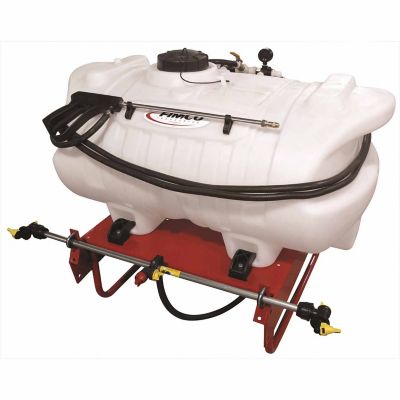
$699
.99
Sale Was $1,299.99 Save $600.00 (46%)
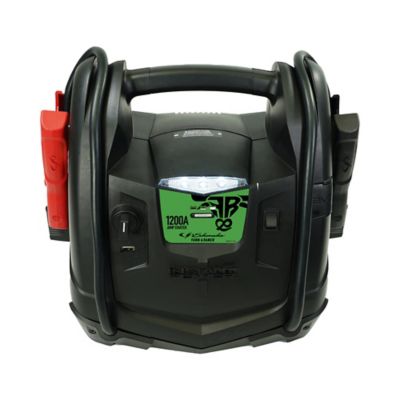
$84
.99
Sale Was $169.99 Save $85.00 (50%)
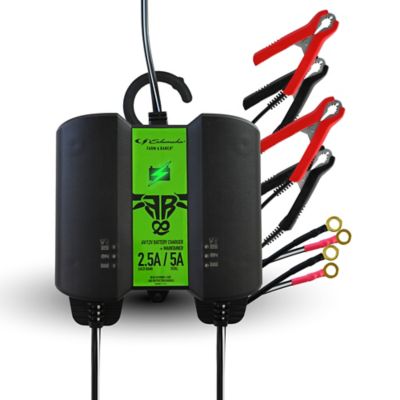
$64
.99
Sale Was $124.99 Save $60.00 (48%)
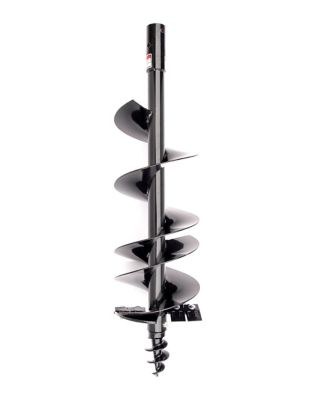
$143
.99
Sale Was $159.99 Save $16.00 (10%)
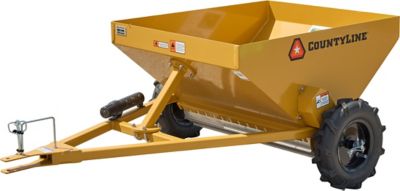
$1,199
.99
Sale Was $1,599.99 Save $400.00 (25%)
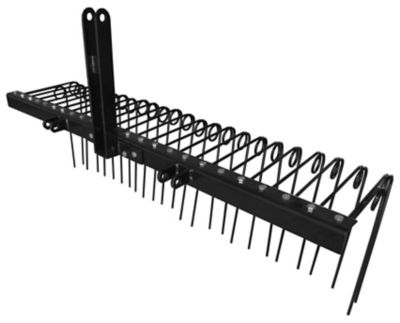
$269
.99
Sale Was $299.99 Save $30.00 (10%)
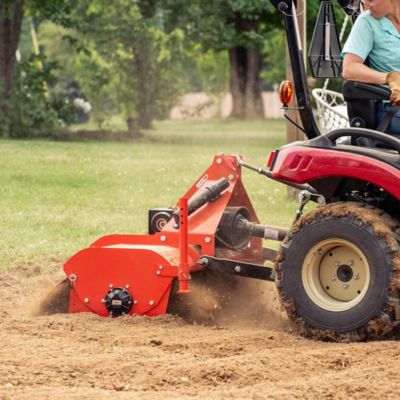
$2,339
.99
Sale Was $2,599.99 Save $260.00 (10%)
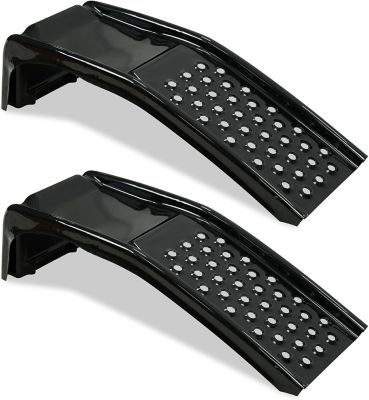
$87
.99
Sale Was $149.99 Save $62.00 (41%)
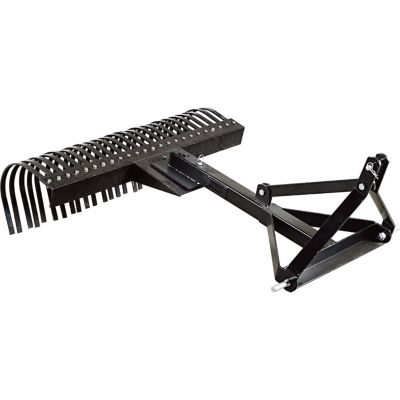
$854
.99
Sale Was $949.99 Save $95.00 (10%)
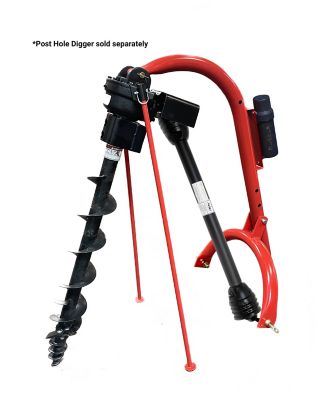
$53
.99
Sale Was $59.99 Save $6.00 (10%)
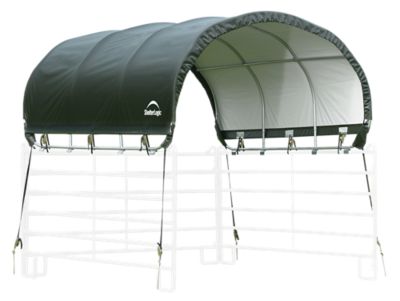
$335
.99
Sale Was $399.99 Save $64.00 (16%)

$269
.99
Sale Was $289.99 Save $20.00 (7%)
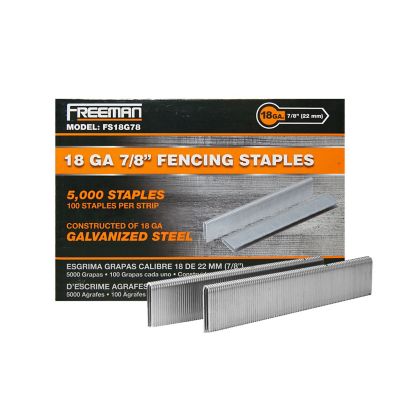
$31
.49
Sale Was $34.99 Save $3.50 (10%)
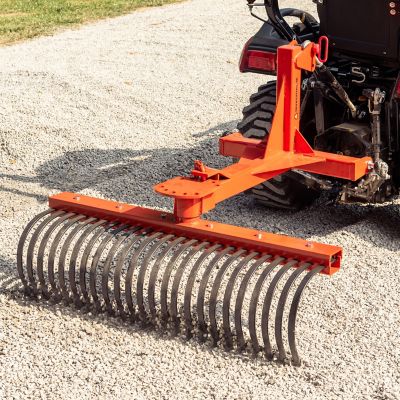
$719
.99
Sale Was $799.99 Save $80.00 (10%)
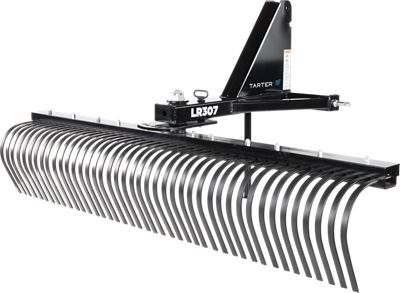
$1,259
.99
Sale Was $1,399.99 Save $140.00 (10%)
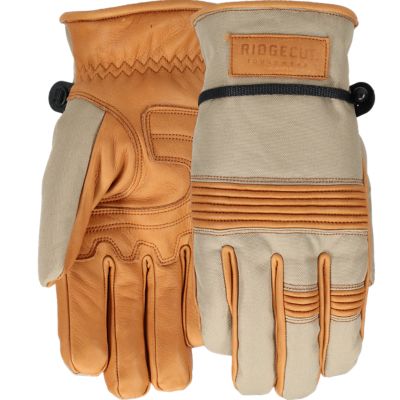
$24
.49
Sale Was $34.99 Save $10.50 (30%)
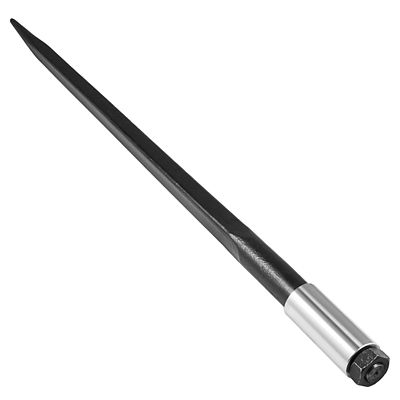
$80
.99
Sale Was $89.99 Save $9.00 (10%)

$233
.99
Sale Was $259.99 Save $26.00 (10%)
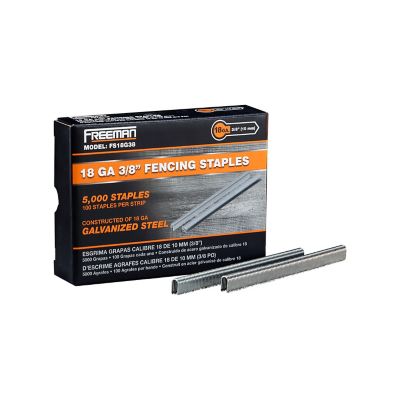
$22
.49
Sale Was $24.99 Save $2.50 (10%)
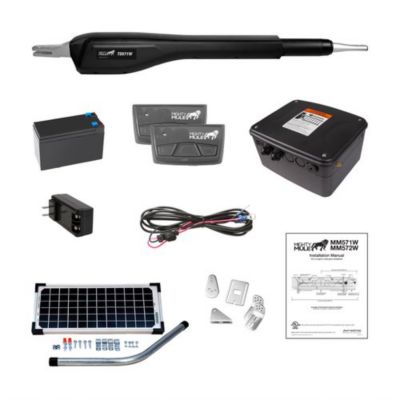
$549
.99
Sale Was $699.99 Save $150.00 (21%)

$27
.99
Sale Was $29.99 Save $2.00 (7%)
Best Of FAQ
How do I plan my ranch maintenance shopping for Cyber Monday?
Start with a walk around the ranch and jot down upcoming chores for fences, gates, barns and equipment. Group your list by task, then check the tools and supplies you already have before browsing Cyber Monday deals on ranch maintenance supplies.
What’s the difference between fence repair supplies and gate hardware?
Fence repair supplies include items such as staples, clips, wire and tensioners for fence lines. Gate hardware includes hinges, latches, pins and mounting brackets. Your list will depend on whether you’re working on wire fencing, wood fencing or livestock gates.
What supplies belong on a barn and stall cleanup checklist?
Common cleanup supplies include manure forks, shovels, stall scrapers, stiff-bristle brooms, buckets and wheelbarrows. Scrub brushes and replacement tool handles are also worth checking before your next barn cleanout.
Which hand tools belong in a ranch maintenance kit?
Pliers, fencing pliers, a hammer, adjustable wrenches, screwdrivers and a socket set cover a range of everyday ranch chores. Build your kit around the fasteners and hardware on your fences, gates and outbuildings.
How can I organize ranch maintenance supplies between chores?
Sort supplies by job, such as fence work, gate repairs and barn cleanup. Keep small hardware in labeled bins, hang long-handled tools on a rack and gather everyday tools in a carry tote. A simple checklist makes it easier to keep track of what’s in each kit.
Best Sellers
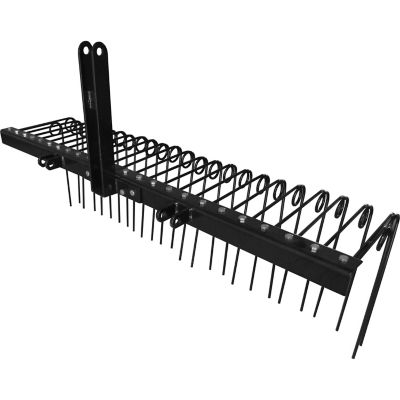
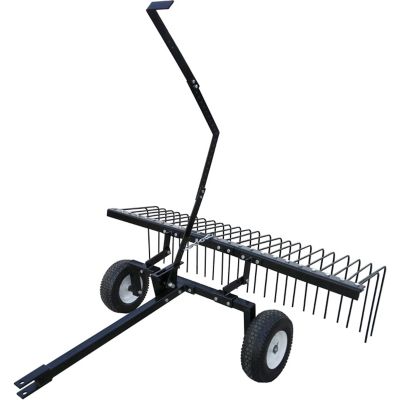
-
"So comfortable and stylish I love these boots"
-
"great shelter. Sturdy and easy to assemble"
-
"got here fast, looks great and easy to work with"
-
"I have used this for several years...works great on ground that has not set idle for many years"
-
"They don’t give off a strong smell and my dogs love them! They’re soft for their smaller mouths"