Cyber Monday shopping for agricultural supplies often comes back to the same practical goal: keeping everyday farm work moving. On a working property, that can mean tending livestock before breakfast, maintaining the ground that supports a growing operation, or getting through the chores waiting after a full day away from the farm. Agricultural supplies cover a broad range of needs, from feeding and watering to fencing, animal care, and property maintenance. What suits a few acres with a small herd may be different from what fits a larger operation with several people sharing the workload. The layout of the property, the animals being raised, and the amount of handling involved all shape what belongs in the daily routine. Materials make a real difference here. Steel brings strength to demanding applications, while galvanized finishes help protect against corrosion where moisture is part of the job. Certain plastics offer lighter handling and surfaces that are easier to rinse, and rubber can provide flexibility or cushioning where the application calls for it. Material alone does not tell the whole story, though. Thickness, construction, connection points, and the way weight is distributed all affect how farm supplies hold up over repeated workdays. A smooth surface can make cleanup less of a chore, while well-finished edges matter anywhere people or animals make regular contact. There is also the plain matter of carrying, lifting, and moving things around a barn or across a property. Something that feels manageable for a short task may be tiring over a long stretch of chores. Comfortable handling, sensible dimensions, and construction suited to the workload can make those repeated motions easier. For farmers, ranchers, homesteaders, and folks caring for a few animals, the best fit comes from matching agricultural supplies to the work that actually happens, rather than planning around a setup that looks nothing like home.
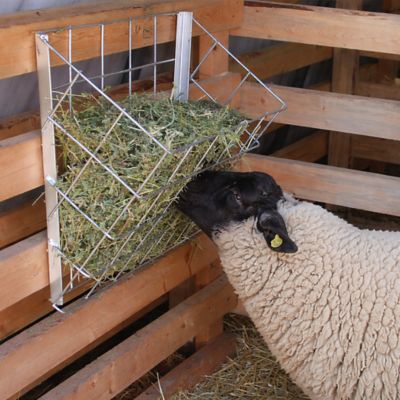
Livestock-related supplies have to fit both the animal and the space around it. Animal size, age, behavior, and species can change the height, clearance, strength, and access needed in a feeding area or handling space. A setup that works for calm, mature animals may not suit smaller animals that investigate every opening or a group that crowds together at feeding time. Rounded contact surfaces, appropriate spacing, and secure connections deserve attention anywhere animals lean, rub, or push. The surrounding layout matters just as much: narrow passages, uneven footing, and awkward reaches can turn a routine chore into a struggle. Agricultural supplies that allow comfortable access for daily care also make it easier to notice buildup, wear, or damage before those issues interfere with the routine. Cleanliness is part of that everyday picture, especially around feed and drinking water. Nonporous surfaces and accessible corners can simplify washing, but cleaning methods still need to match the material and the manufacturer’s directions. Some finishes tolerate repeated scrubbing better than others, and not every material is compatible with every cleaning solution. Thorough rinsing and appropriate drying help keep residue from carrying into the next task. Keeping animal-care areas separate from work involving soil treatments or other agricultural chemicals is another practical consideration on properties where several jobs happen close together. Care between tasks also affects service life. Dirt caught around moving connections, signs of corrosion, cracks, and loosened fastenings can all signal that attention is needed. For households where several people share chores, straightforward handling and clear care requirements can make the handoff easier. The person taking over an evening feeding should be able to work with the same setup without wrestling with unfamiliar adjustments. That kind of everyday usability matters whether agricultural supplies serve a family farm, a small livestock operation, or a property where animal care is one part of a much longer to-do list. It leaves more attention for the animals themselves instead of the equipment around them.
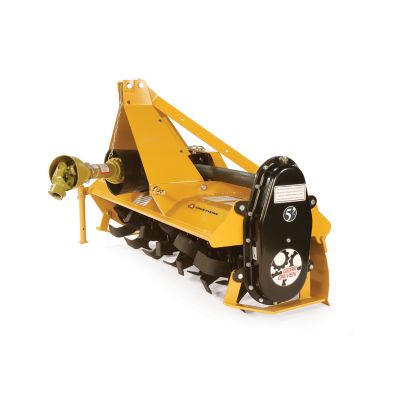
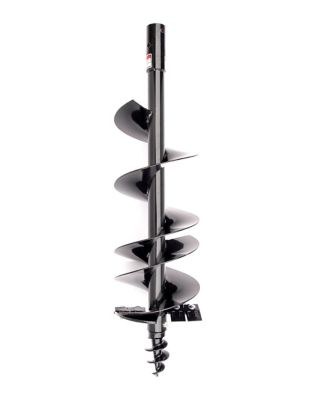
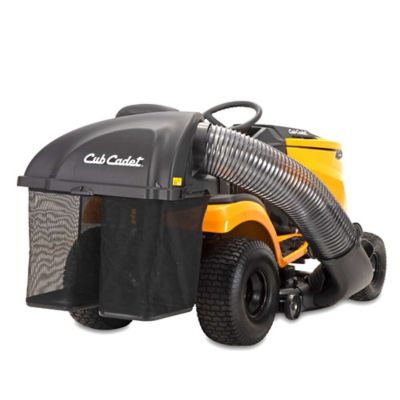
Beyond the barn, agricultural supplies support the steady work of maintaining fields, managing boundaries, and keeping a property ready for its intended purpose. Soil type, acreage, terrain, and the frequency of a task all influence the demands placed on farm equipment and related supplies. Working a compact area near established plantings is different from covering open ground, just as maintaining an existing boundary brings different needs than setting up a new agricultural space. For tractor-related work,
Cyber Monday Deals On Tractor Accessories covers a closely related part of the farm routine. Fit in this setting involves more than whether two components appear to line up. Equipment specifications, connection dimensions, operating limits, clearance, and manufacturer compatibility determine whether a setup is suitable for the job. Weight and leverage also affect handling, particularly when work involves lifting, pulling, or traveling over uneven ground. Staying within stated limits and following equipment instructions are essential parts of farm work, even when the task feels familiar. Storage and upkeep deserve room in the picture, too. Agricultural supplies often move between active work areas and storage spaces where dust, moisture, and accidental contact can take a toll. A designated place that keeps materials organized and protects important contact surfaces can cut down on unnecessary wear and make the next job easier to start. Clear identification is especially helpful when similar-looking supplies have different applications or operating limits. For someone buying agricultural supplies as a practical gift, knowing the recipient’s property, equipment requirements, and usual chores matters more than guessing at what might come in handy. Farm work is personal in that way: the right fit depends on how a person handles the land and animals in their care. Across those different routines, agricultural supplies earn their place through suitable materials, manageable handling, proper fit, and care that keeps them ready for the next round of work.