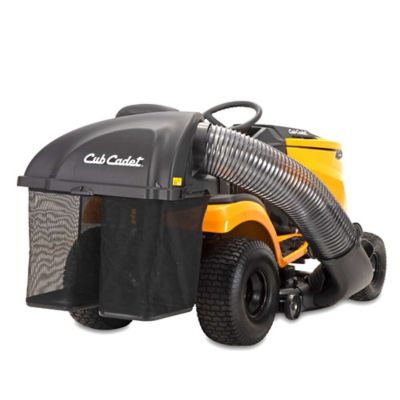
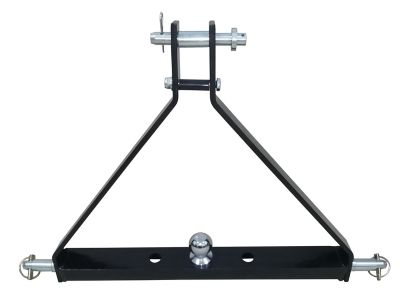
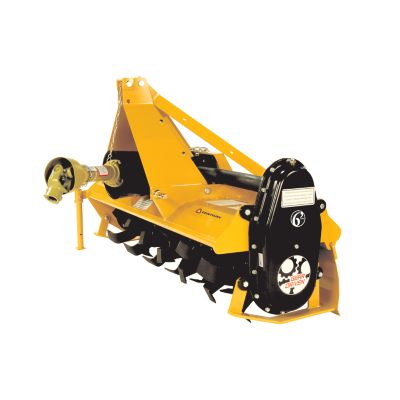
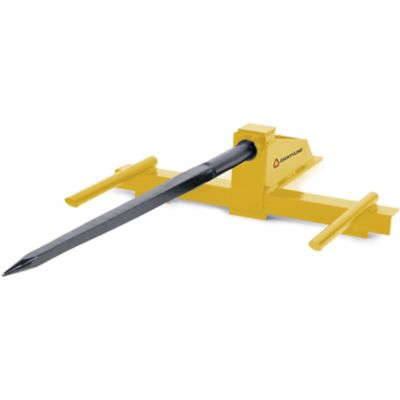
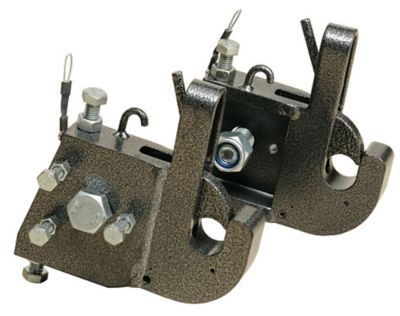
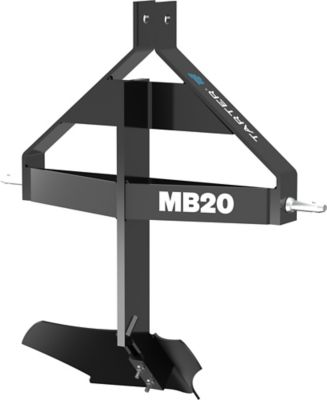
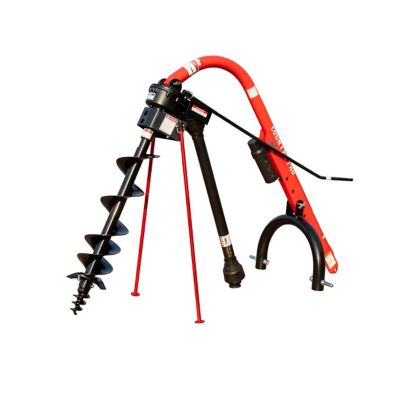
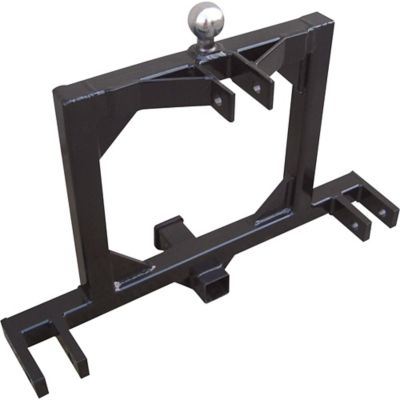
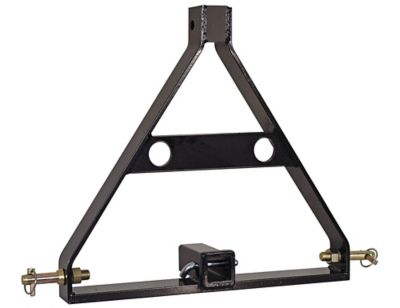
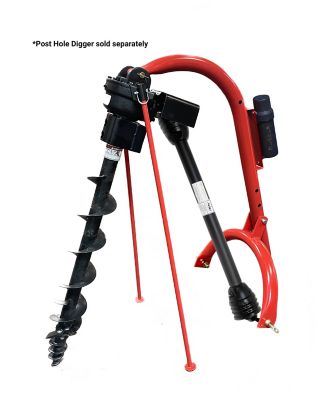
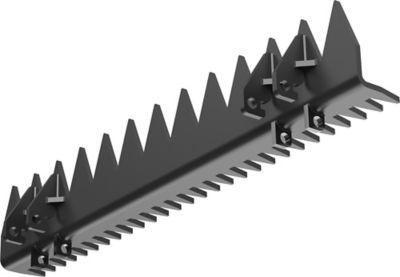
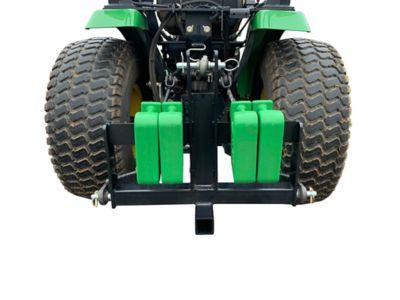
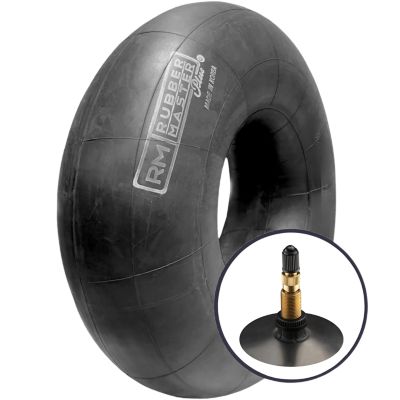
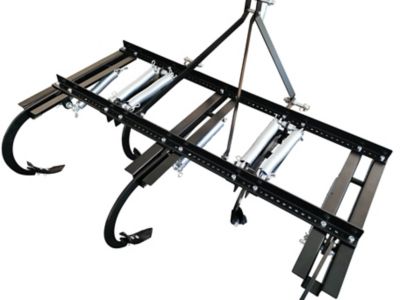
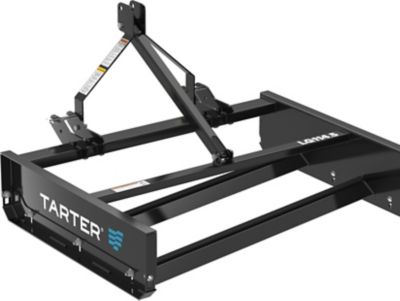
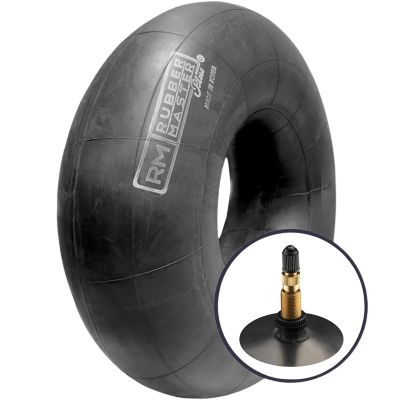
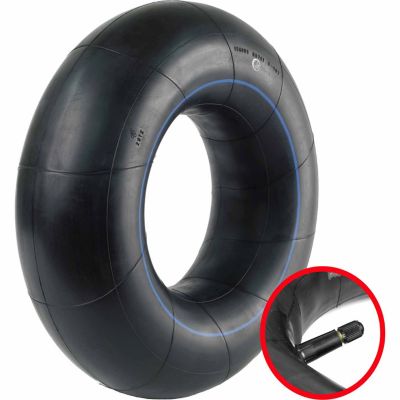
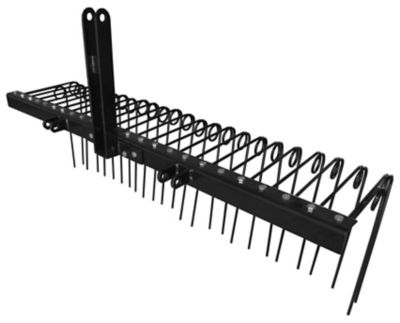
Tractor accessories help a working tractor fit the jobs that fill a day on the farm, ranch or acreage. Keeping a gravel lane in shape, tending a garden plot, carrying materials across the property and working along a fence line all place different demands on a machine and its connections. The right match starts with the tractor itself, not just the size of the job. Model information, hitch category, attachment mounting style and manufacturer specifications help establish whether an accessory belongs on that equipment. Horsepower is only part of the picture; lifting capacity, hydraulic requirements, machine weight and clearance can matter just as much. Two tractors that look close in size may have different connection points or operating limits, so a fit based on appearance alone can leave important details overlooked. Accessories that connect at the rear need room to move through their intended range without interfering with tires, linkage or other equipment. Anything mounted near the operator should leave controls accessible and preserve a clear view of the work area. For powered connections, the tractor’s specified operating speed, guarding requirements and connection dimensions deserve close attention. These details make a difference whether the tractor handles chores every morning or comes out for larger property projects. A small-acreage owner may value straightforward mounting and convenient storage, while someone moving between several farm tasks may pay closer attention to how a setup works with existing equipment. Neither situation calls for more accessory than the tractor can safely handle. Compatibility, balanced loading and a clear purpose matter more than adding size or weight for its own sake. On a working place, a useful addition earns its spot by helping the tractor do an intended job without getting in the way of the next one. That might mean moving comfortably through a narrow gateway, leaving enough turning room beside a barn or keeping the connection layout practical when several people operate the same machine.
Materials and construction deserve a close look because tractor work brings repeated contact with dirt, grit, vibration and heavy loads. Steel is common in load-bearing structures, but thickness alone does not tell the whole story. Shape, reinforcement, weld placement and the design of connection points all affect how a component handles the forces involved in its intended use. A broad mounting surface can distribute force differently than a narrow one, and a well-supported connection can help limit unwanted movement. Painted and powder-coated finishes provide a barrier between the metal and its surroundings, though scraped areas still need attention according to the manufacturer’s care directions. Rubber and polymer components serve different roles, including cushioning contact, protecting surfaces and allowing flexibility where a rigid part would not suit the job. Their suitability depends on the load, movement and substances they may encounter, so material labels and application details matter. Fit also goes beyond whether a pin passes through an opening. Excess play can allow movement that wears on adjoining parts, while a connection that binds can interfere with normal operation. Pins, bushings, fasteners and retaining points should match the dimensions and ratings specified for the setup. Where hydraulic connections are involved, pressure ratings, connection compatibility and hose routing are part of the overall fit. Hoses need clearance from pinch points and moving parts throughout the equipment’s range of motion. Around the operator’s position, well-placed edges, secure mounting and enough space for normal movement can make long stretches of work less awkward. Access for routine inspection matters, too. A connection hidden behind several layers of equipment can be harder to check than one that stays visible and within reach when the machine is safely shut down. These construction details may not stand out from across the yard, but they become noticeable after repeated trips between the shed, pasture and work area.
Care for tractor accessories follows the same practical approach as care for the tractor: keep connections clean, inspect working parts and follow the manufacturer’s maintenance schedule. Packed soil and tangled plant material can conceal wear or interfere with movement, while grit around a fitting can travel into a connection when parts are joined. Cleaning methods should suit the material and finish, with attention to areas where water or cleaning residue could collect. Moving joints may need lubrication at specified intervals, but adding grease wherever it seems convenient is no substitute for the equipment’s directions. Before inspection or service, attachments should be lowered to a stable position, the engine shut off and stored energy addressed as the operator’s manual requires. Hydraulic leaks call for particular caution; hands should never be the means of checking for a leak under pressure. Loose hardware, cracked welds, damaged hoses, worn connection points and missing guards are reasons to stop and address the condition before returning to work. Storage has a role as well. Accessories need stable support, protected connection surfaces and a spot where they will not become a tipping hazard or block a regular walkway. Keeping fit information and maintenance records together makes it easier to confirm what belongs with each tractor, especially on properties with more than one machine. That same information matters when tractor accessories are given as a gift. For a farmer, rancher or acreage owner, usefulness depends on matching the equipment and the work, rather than guessing from a general description. A model number and a clear understanding of daily chores can make the choice much more personal without taking chances on compatibility. Tractor work is often only one part of keeping a place in shape;
Cyber Monday Deals On Ranch Maintenance Supplies is another place to browse for related upkeep needs around the property. Across those jobs, properly matched equipment and steady care help keep attention on the work at hand.