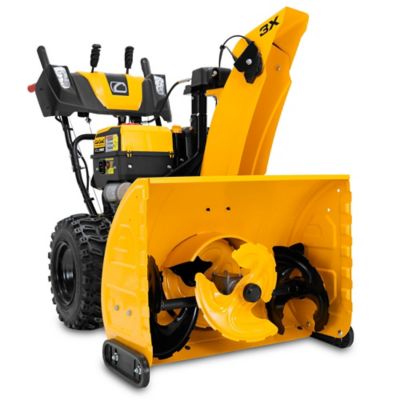
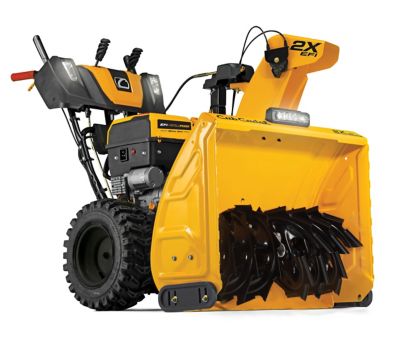
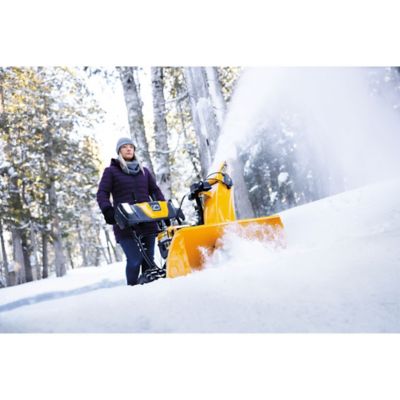
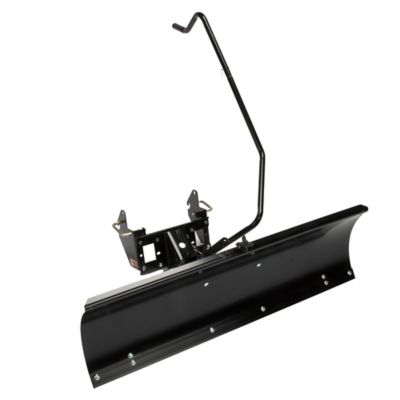
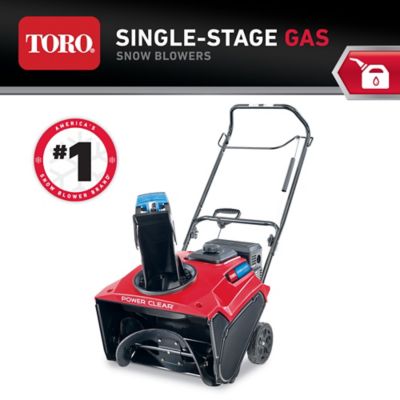
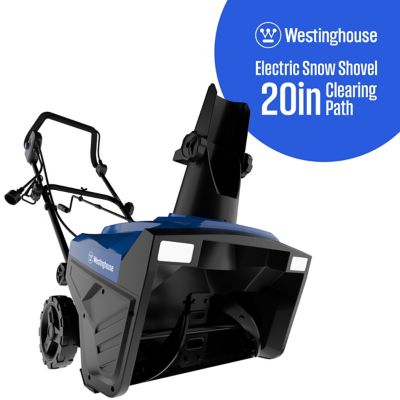
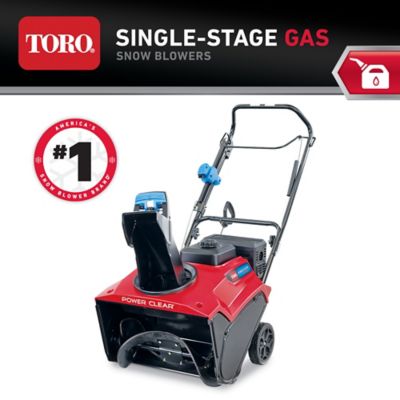
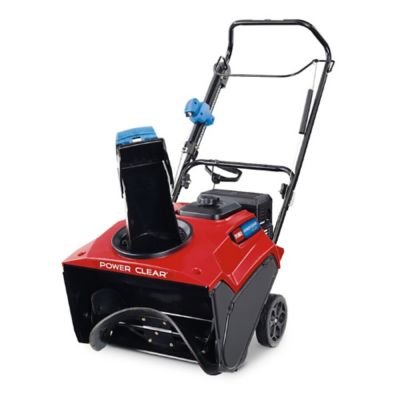
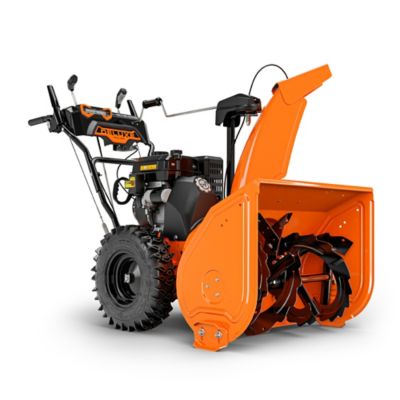
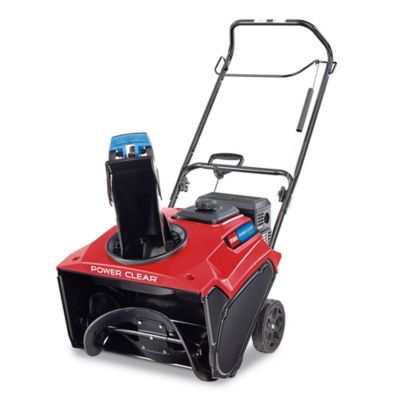
Snow blowers help keep driveways, sidewalks and paths between outbuildings open when snowfall would otherwise turn everyday chores into a long shoveling job. The right machine depends on more than the size of a property: snow depth, moisture content, pavement type and room to turn all affect how a blower handles the work. Single-stage snow blowers gather and discharge snow with an auger or paddle system, making them a practical match for smaller paved areas and lighter accumulations within the machine’s rated capacity. Many have paddles that contact the pavement, so they are generally better suited to smooth asphalt or concrete than loose gravel. Two-stage snow blowers combine an auger with a separate impeller that sends snow through the discharge chute. That arrangement supports heavier clearing work, including larger driveways and deeper snowfall, with adjustable skid shoes on many models to establish clearance above the surface. Three-stage designs add an accelerator to help move snow through the housing, making them worth considering for demanding conditions and substantial accumulations. Actual clearing performance depends on the machine and the snow; a tall bank of wet, packed snow at the road is a different job from the same depth of dry powder across an open driveway. Clearing width matters, too. A wider housing can reduce the number of passes across a broad parking area, while a narrower machine may be easier to handle along a walkway or through a tight storage doorway. Intake height, engine output and discharge performance belong in the same conversation rather than treating width as the whole story. For a rural home, access to the garage, feed shed and mailbox may matter as much as clearing the main drive. A machine sized around those regular routes can make more sense than one chosen only for the biggest storm. Published operating limits remain important, especially on slopes, uneven ground and surfaces where loose stones could enter the auger.
The way a snow blower handles can matter just as much as how much snow it moves. Self-propelled drive systems help move larger machines through accumulated snow, while selectable forward speeds let the operator match travel speed to the load. Slower travel gives the clearing system time to work through a dense ridge without forcing the housing ahead. Reverse speeds and steering assistance can make backing out of a turn less awkward, particularly at the end of a narrow driveway with fences or parked equipment nearby. Wheels and tracks offer different handling characteristics, and traction depends on the surface, terrain and machine design. Neither replaces caution on ice. Handle height, control placement and the effort needed to operate levers all affect comfort, especially with insulated gloves on. Heated grips, where equipped, can help take the sting out of extended clearing sessions, while headlights improve visibility in low light without replacing good judgment around people, vehicles and obstacles. Electric-start systems on gas-powered snow blowers can reduce the effort of starting a cold engine; many require an appropriate outdoor electrical connection rather than an onboard battery, so the starting arrangement deserves a close look. Chute rotation and deflector controls determine where snow lands and how high it travels. Controls within easy reach are handy when a long driveway calls for frequent changes in throwing direction. Enough room for discharged snow is part of the setup: piling it against a garage door, across a cleared walkway or toward a neighbor’s drive simply creates another chore. Wind direction also affects where fine snow settles. Steel housings, augers and impellers are common on larger machines, while many single-stage designs incorporate rubber or reinforced paddles. Those differences reflect the job each design performs, not just its appearance. Gravel drives call for a machine approved for that surface and skid-shoe settings that follow the manufacturer’s directions, leaving enough clearance to limit contact with loose material.
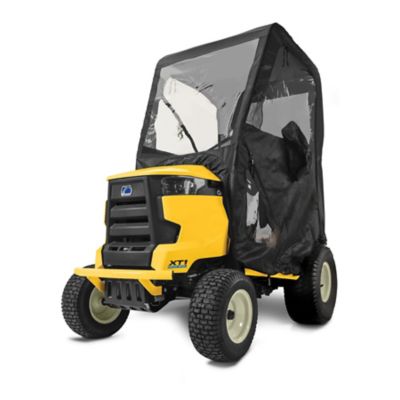
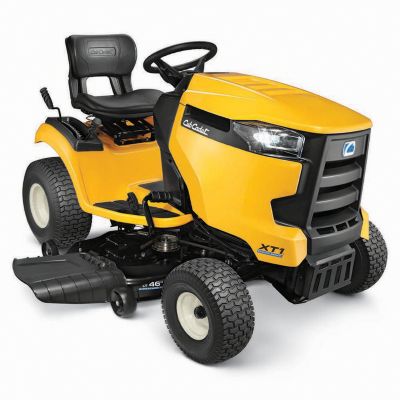
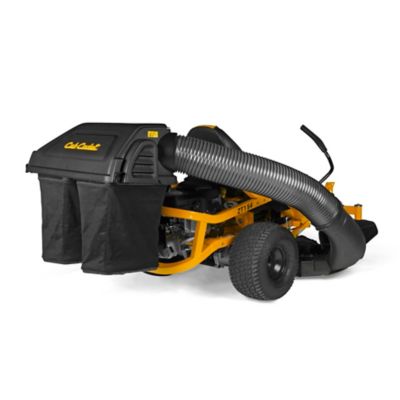
Owning a snow blower also means making room for it and keeping its working parts ready for the next snowfall. A level storage spot with enough clearance around the handles and housing makes parking easier and leaves space for inspection. Overall dimensions matter when the machine needs to pass beside a parked truck or through a shed door, and a folding handle should only be expected where the model includes one. Painted metal surfaces benefit from removing salt residue and allowing the machine to dry before storage, following the care instructions for the equipment. Scraper bars, paddles, belts and skid shoes are wear components, and their condition affects clearing performance and surface contact. Shear pins or bolts, where fitted, help protect parts of the drive system when an obstruction stops the auger; replacements need to match the manufacturer’s specification rather than whatever fastener happens to be in the toolbox. Gas engines have their own maintenance schedules for oil, spark plugs and fuel care, including storage directions when the machine will sit for an extended stretch. Before snowfall covers the ground, clearing away branches, hoses, toys and loose objects can prevent unpleasant surprises along the route. Packed snow can also hide landscaping edges and uneven pavement, which makes familiarity with the property valuable. A clog calls for shutting the machine down, waiting for moving parts to stop and following the manufacturer’s shutdown and clearing procedure with the proper tool, never hands. Gas-powered equipment belongs outdoors during operation, away from enclosed spaces where exhaust can collect. For properties with lawns and larger grassy areas to maintain as well,
Cub Cadet Riding Mowers address a different part of the chore list; any snow attachment requires a separate compatibility check. A dedicated snow blower earns its place by matching the clearing area, surface and operator, helping keep everyday routes open without making every trip from the house to the barn a shovel-first undertaking.