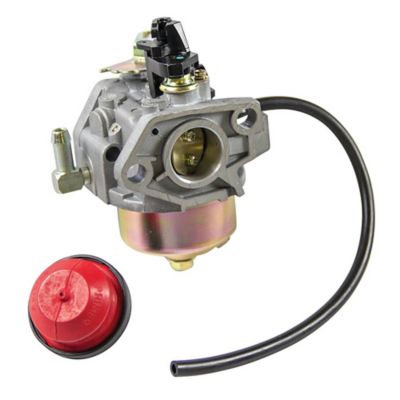
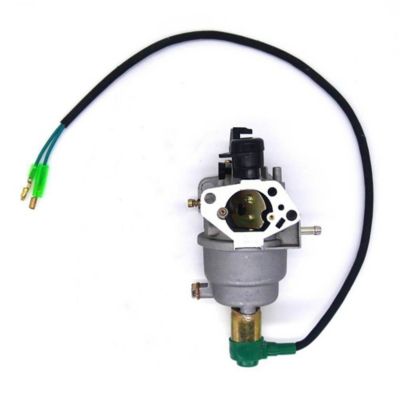
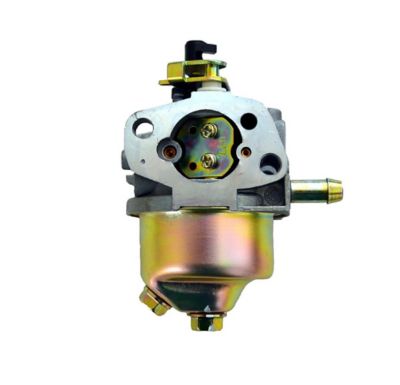
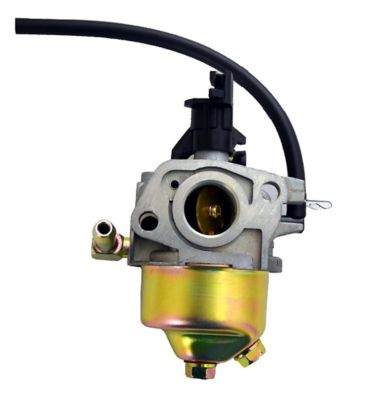
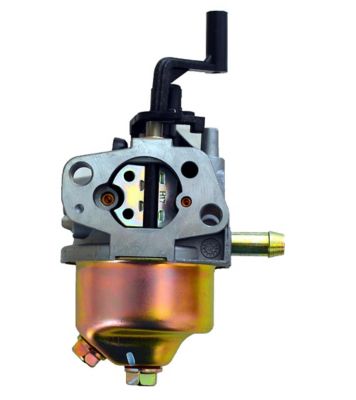
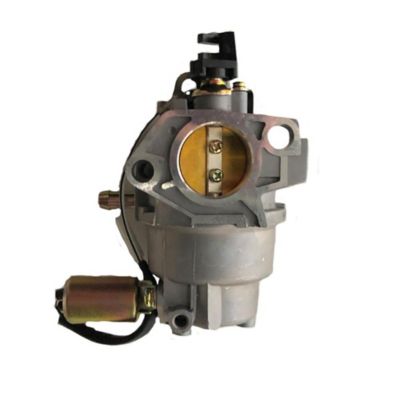
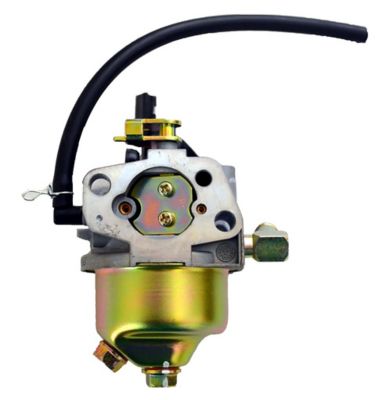
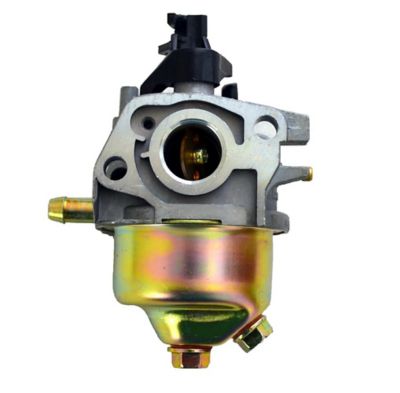
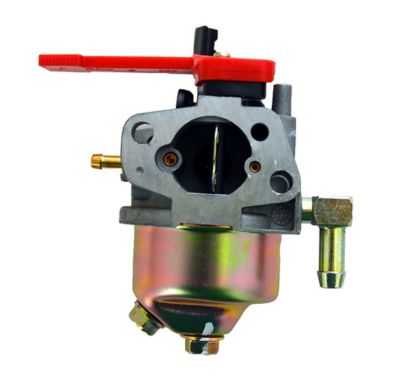
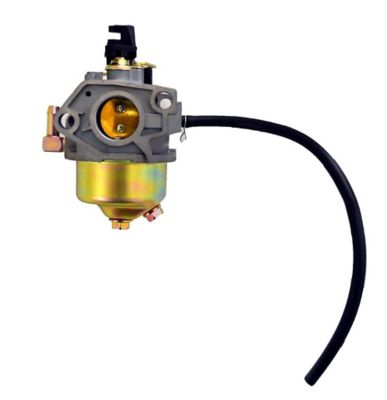
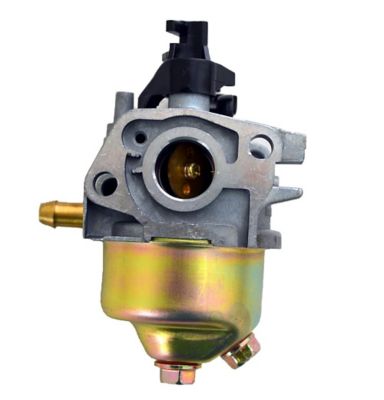
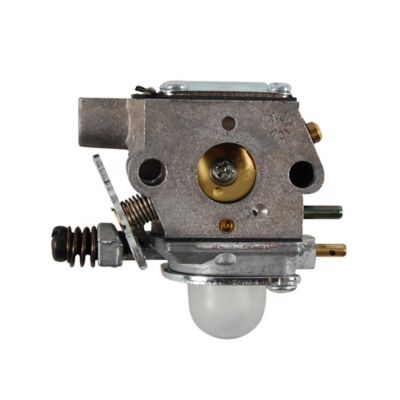
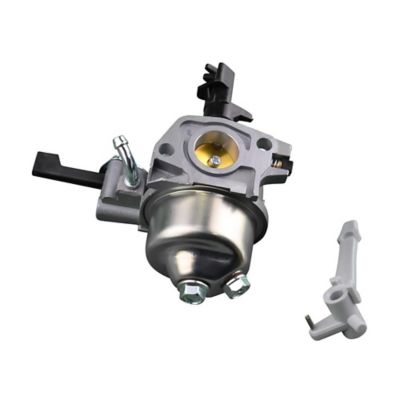
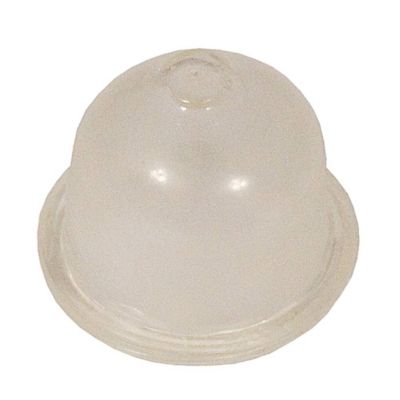
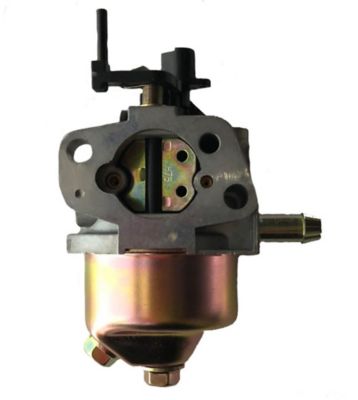
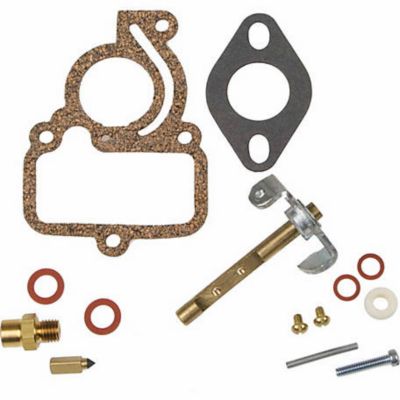
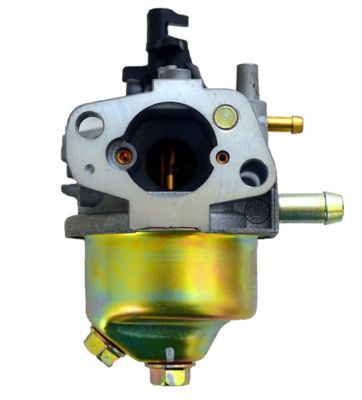
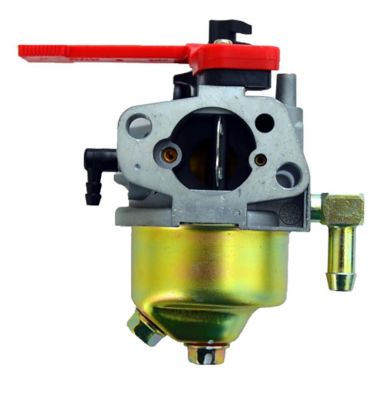
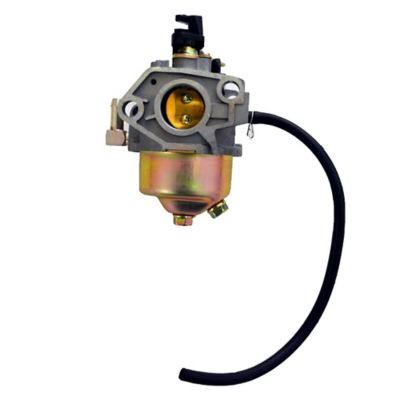
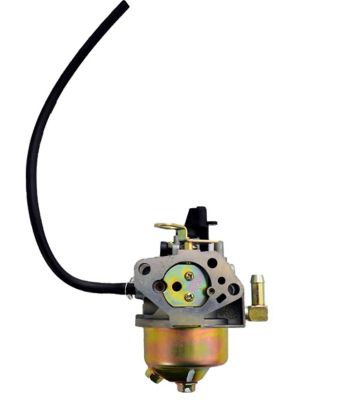
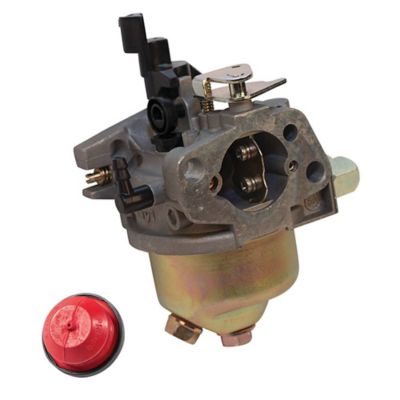
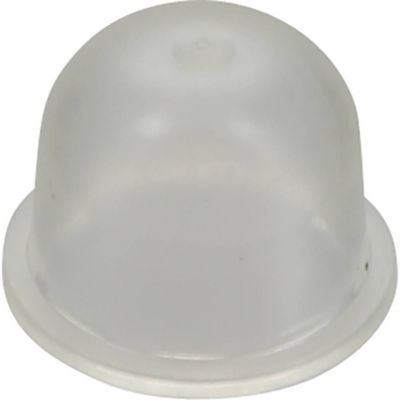
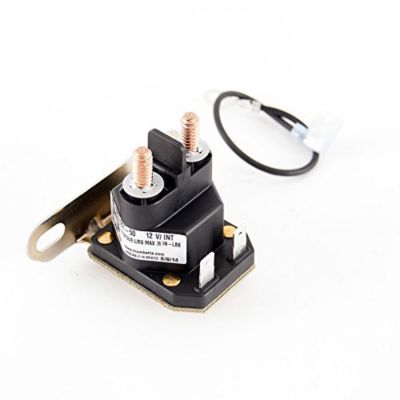
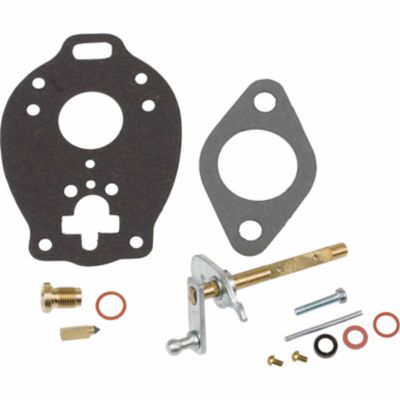
A dependable carburetor helps a riding mower or other small engine turn fuel and air into the steady power needed for cutting grass, hauling, and routine yard work. When that fuel-and-air mixture is out of balance, the trouble can show up in several familiar ways: the engine may crank without starting, surge while idling, run rough, stall when the blades or another load is engaged, or puff dark smoke from the exhaust. Fuel leaking around the carburetor can also point to a stuck float, worn needle and seat, damaged gasket, or a fuel shutoff solenoid that is no longer working as it should. Before choosing a replacement, take a few minutes to identify the exact mower model and engine information. The model and serial numbers are commonly found on a frame label, under the seat, near the hood, or on the engine itself. Match the replacement carburetor to the engine rather than relying only on the mower’s general name. Details such as mounting-hole spacing, throat size, choke and throttle linkage locations, fuel inlet position, gasket shape, fuel solenoid connection, and primer or vent arrangements can make the difference between a straightforward repair and a part that will not fit. A carburetor that looks nearly identical in a listing may still have a different linkage or electrical connection, so comparing photos and specifications with the original is time well spent. For more options that cover a range of lawn equipment and utility engines, browse
Small Engine Carburetors.
Many carburetor problems begin with stale gasoline, dirt in the fuel system, a plugged air filter, or fuel that has absorbed moisture during storage. If an engine has been sitting through a stretch of wet weather or a long off-season, inspect the fuel, drain old gas when appropriate, and check the fuel line and filter before installing a replacement. A clean air filter and fresh spark plug can also help confirm that the carburetor is truly the source of the trouble. When replacing the assembly, work on a cool engine in a well-ventilated area away from sparks, cigarettes, heaters, and open flames. Disconnect the battery or spark plug lead as directed by the equipment manufacturer, shut off the fuel supply, and take a quick photo of the linkage and hose routing before removing anything. That simple snapshot can save plenty of head-scratching when the throttle and choke rods need to go back in place. Keep dirt from entering the intake, use the included gasket or a properly matched replacement, and tighten fasteners evenly without forcing them into the housing. If the carburetor has an electric fuel solenoid, make sure its connector is clean and fully seated. After installation, check carefully for fuel seepage before starting the engine, then allow it to warm at a safe idle and observe how it responds to throttle changes and load. A persistent fuel leak, heavy black smoke, backfiring, or an engine that races uncontrollably is a good reason to shut it down and have the repair checked by a qualified technician.
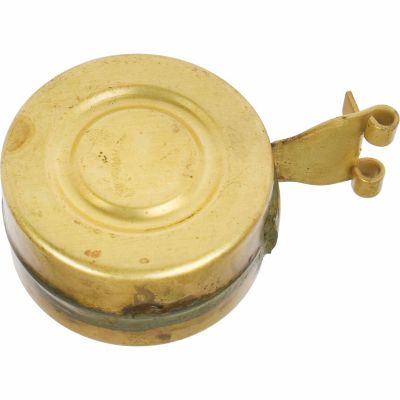
A replacement carburetor can be a practical choice for homeowners, acreage owners, landscapers, maintenance crews, and anyone who depends on a mower to keep up with growing grass during the warmer part of the year and cleanup work as the weather turns cooler. It is also a useful gift for the person who keeps an older mower, utility machine, or small-engine tool running instead of sending it straight to the scrap pile. Many hands-on folks enjoy having common repair parts ready on the shelf, especially when a machine quits before a stretch of mowing, leaf cleanup, or other outdoor work. Still, the best purchase is based on fitment, not appearance or the lowest price alone. Check whether the listing includes a gasket, fuel solenoid, bowl, float, needle, and other small pieces needed for the repair, and compare those details with what is on the engine. Some carburetors arrive as complete assemblies, while others are intended to replace only an internal component; knowing which style you are buying helps avoid a second order and extra downtime. It is wise to inspect the fuel tank for rust or sediment and clean the fuel system as needed, since installing a clean carburetor on a dirty fuel supply can bring the same symptoms back. Once the repair is complete, use clean fuel stored in an approved container, avoid letting gasoline sit untreated for long periods, and follow the equipment maker’s guidance for storage and winterizing. With the correct match and careful installation, a fresh carburetor can help restore easier starting, smoother idle, steadier throttle response, and reliable performance for the everyday jobs that keep a property looking its best.