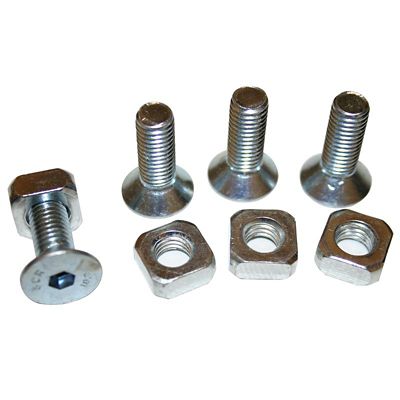
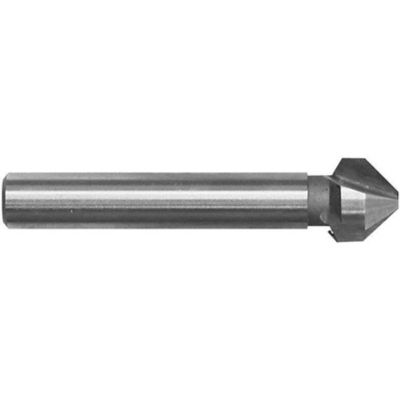
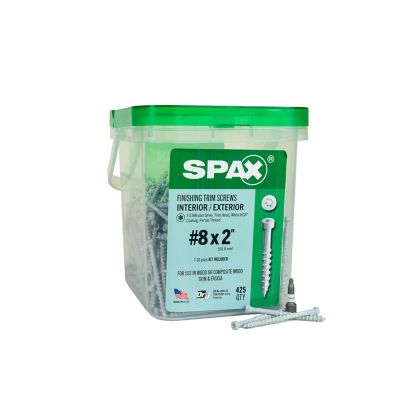
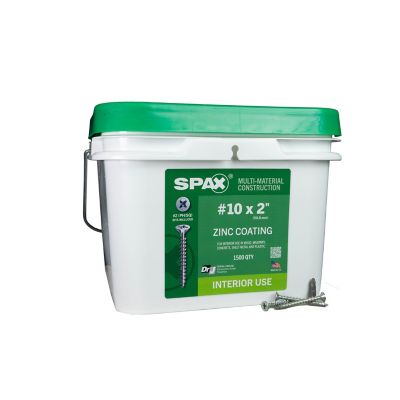
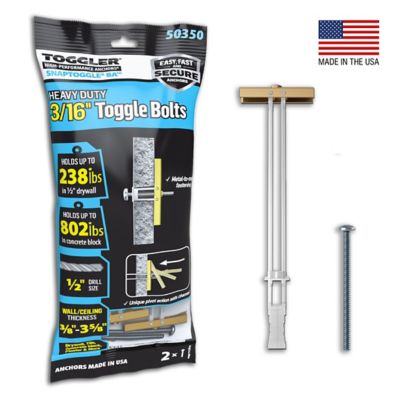
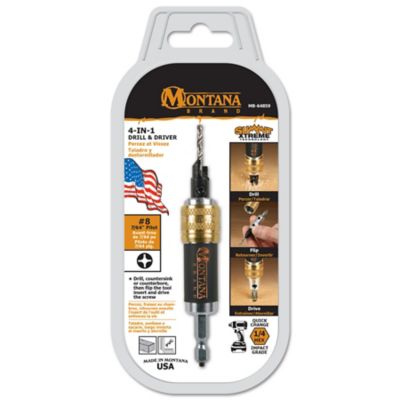
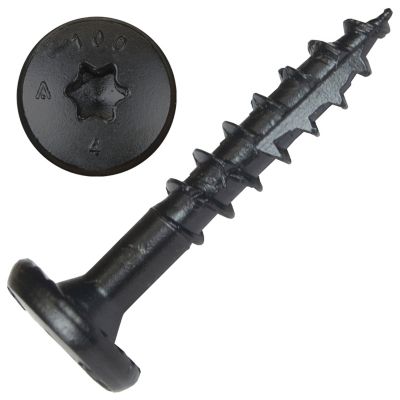
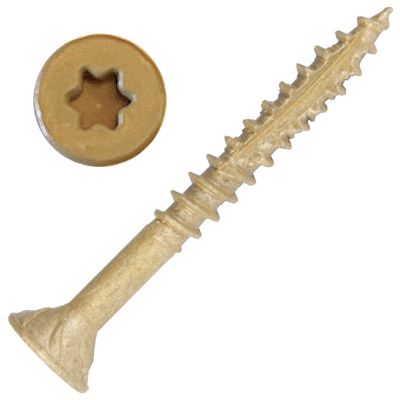
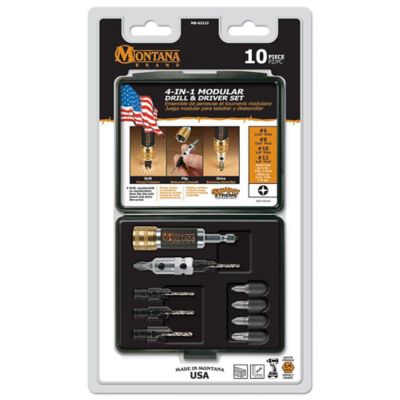
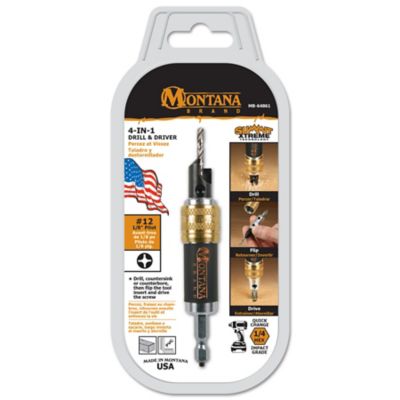
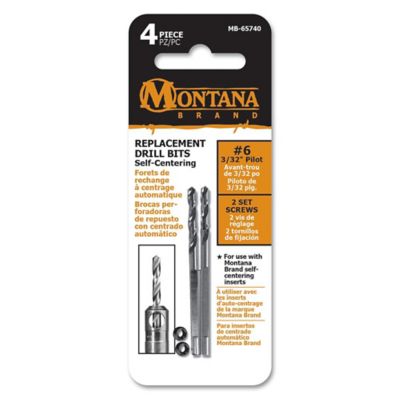
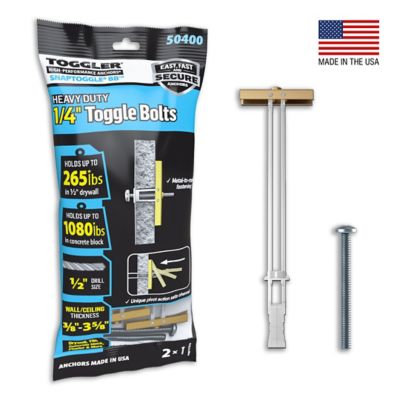
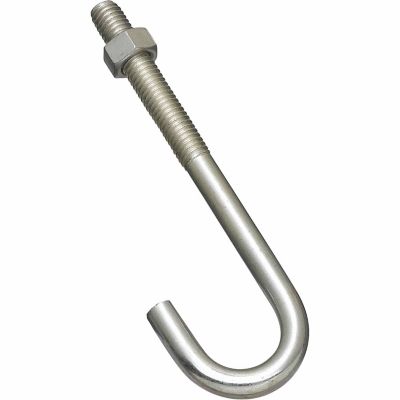
Countersunk bolts are a handy choice when you need a secure fastening point without a bolt head sticking up above the work surface. Their tapered, V-shaped heads nest into a matching angled recess, allowing the head to sit flush with—or slightly below—the surrounding material. That smooth finish can help prevent snags on clothing, tools, feed bags, and equipment covers, while also reducing interference with moving parts. Countersunk fasteners are commonly used for machinery panels, trailer repairs, gates, hinges, furniture, brackets, control covers, metal fabrication, and many shop or farm maintenance jobs. In woodworking, they can leave a clean, finished surface on a cabinet, workbench, tack-room project, or piece of outdoor furniture. In metalwork, they can help keep a walkway, plate, guard, or access panel clear of protruding hardware. They are also useful when a bolt must pass through a surface that needs to remain smooth for sliding, folding, or closing. Unlike a standard hex-head bolt that remains raised above the material, a countersunk design depends on a properly shaped recess so the tapered head has solid, even contact. The right fit comes from matching the bolt’s diameter, length, thread style, head angle, and drive type to the job. Metric countersunk fasteners commonly use a 90-degree head angle, while many imperial fasteners use an 82-degree angle, so the matching countersink matters. A bolt and recess with different angles may not seat correctly, which can leave the head too high, reduce contact, or put uneven pressure on the material. Check the existing hardware or project plans before ordering, and measure carefully when replacing a worn or missing fastener. Length should account for the thickness of the materials being joined, any washers or brackets included in the assembly, and the amount of thread engagement needed on the opposite side. A bolt that is too short may not hold securely, while one that is too long can catch on nearby parts or create a hazard.
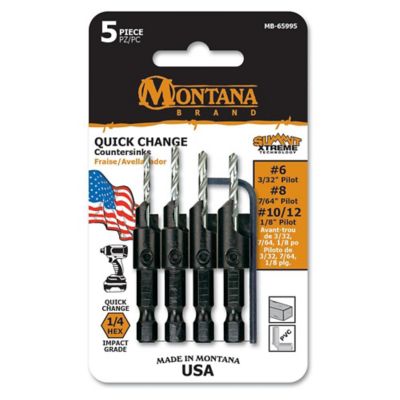
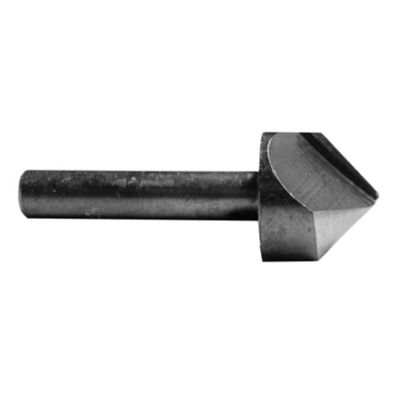
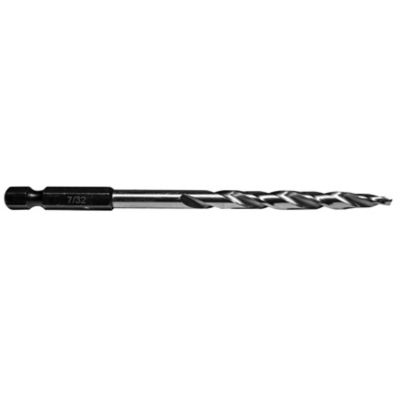
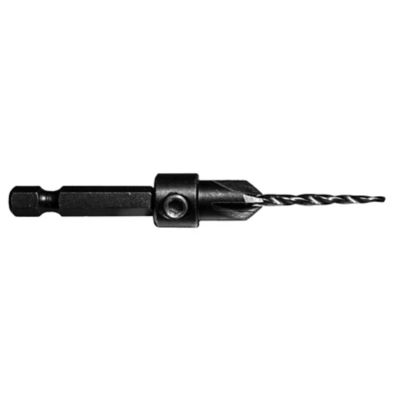
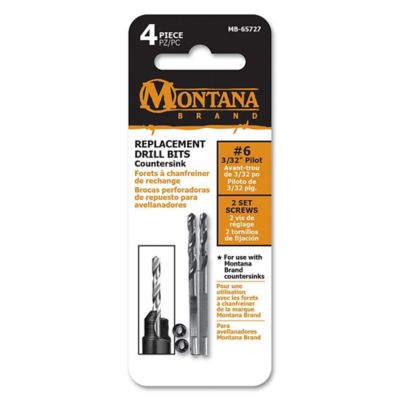
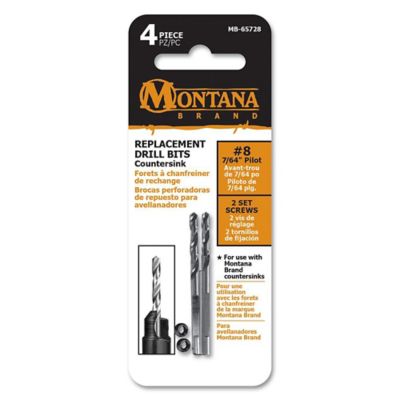
Choosing the right countersunk bolts also means looking at the material and environment where they will be used. Steel fasteners are a practical option for many general repairs, shop projects, equipment assemblies, and indoor applications, especially when the joint needs dependable strength. Stainless steel options are useful where moisture, mud, washdown water, or outdoor exposure may lead to rust and corrosion. Corrosion-resistant fasteners can be a smart choice around livestock areas, water tanks, trailers, boat hardware, garden structures, and coastal or humid conditions, though the specific grade should match the exposure and the materials being joined. Fasteners used in structural or high-load applications should meet the requirements of the equipment or project, and the manufacturer’s specifications should guide the selection whenever safety is involved. Pay attention to the drive style, too. Hex socket, also called Allen, drives are often useful where a compact head and controlled turning are helpful. Phillips, Torx, and slotted drives may suit other assemblies and tools. Use a driver that fits the recess snugly to help prevent stripping, especially when fastening harder materials or working with weathered hardware. Before installation, lay out the bolts and compare them with the holes, nuts, washers, and tools you plan to use. For wood, drill a pilot hole that suits the bolt diameter and create the countersink with a bit designed for the angle and material. A wood countersink can make room for the tapered head while helping reduce splitting around the opening. For metal, use the proper drill size and a countersink cutter made for metal, keeping the tool steady so the recess stays centered. Plastic and composite materials may need a slower drilling speed and extra care to avoid cracking or melting. Remove burrs and chips before assembly, then tighten the fastener evenly without forcing it past the recommended torque. Over-tightening can crush wood, distort thin metal, damage plastic, or strip the drive. If the joint will be taken apart for seasonal maintenance, a light coating suited to the fastener and application may help with installation, but avoid lubricants where they could affect the required clamping force.
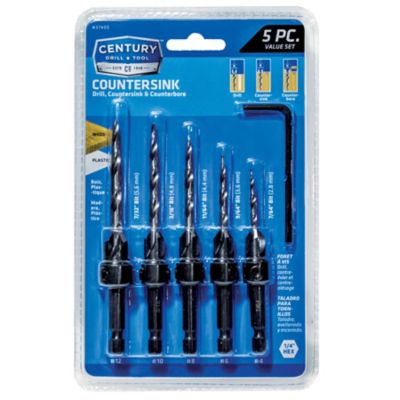
Countersunk bolts are worth keeping in a well-organized hardware drawer because they solve a common problem on the farm, in the garage, and around the house: getting a firm connection while keeping the surface neat and out of the way. They can be used by farmers repairing gates and chutes, ranchers maintaining feeders and livestock panels, mechanics working on trailers and implements, welders building brackets, and do-it-yourselfers finishing furniture or storage projects. They also come in handy for replacing missing hardware on a utility trailer ramp, securing a loose hinge on a barn door, fastening a metal guard over a moving part, or completing a workbench that needs a smooth top. When choosing a set for a repair kit, consider carrying more than one diameter and length, along with matching nuts, washers, drivers, and bits for preparing the holes. A selection of
Bolt Sets can make it easier to keep common sizes on hand instead of stopping a project to search for a single fastener. Store bolts by size, thread, material, and head style so a dusty afternoon repair does not turn into a hunt through coffee cans and loose drawers. Before fastening, inspect the joint for worn holes, cracked material, hidden wiring, hydraulic lines, or moving parts. Countersunk bolts are designed to sit in a prepared recess, not to force their way into an ordinary round hole. When the head angle, hole preparation, material, length, and drive all match, they provide a clean, low-profile connection that is practical for everyday repairs and finished projects alike. During the cooler months, they can help with indoor shop work and equipment maintenance, while their flush profile remains useful for outdoor repairs whenever conditions allow.